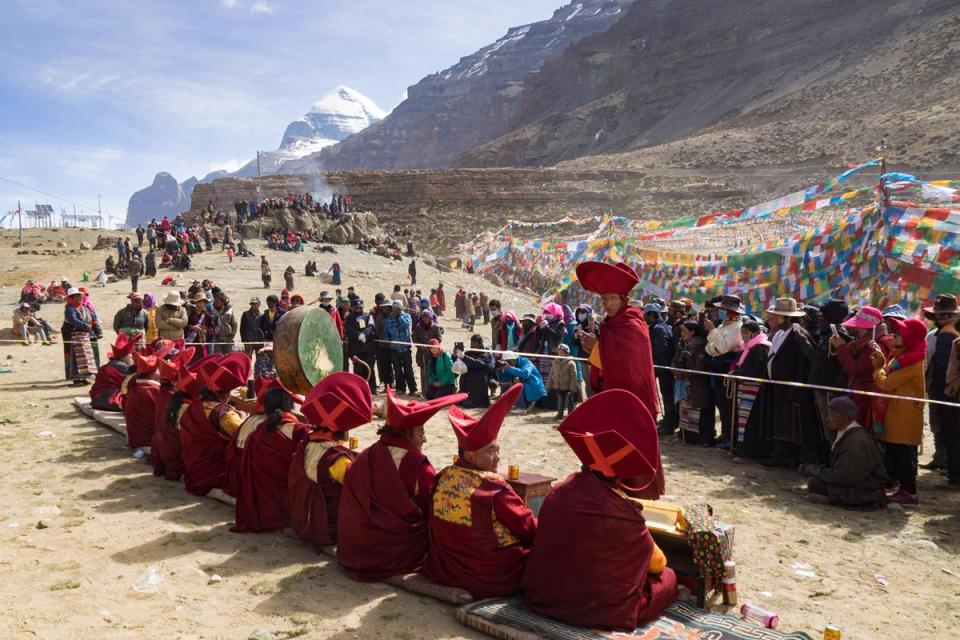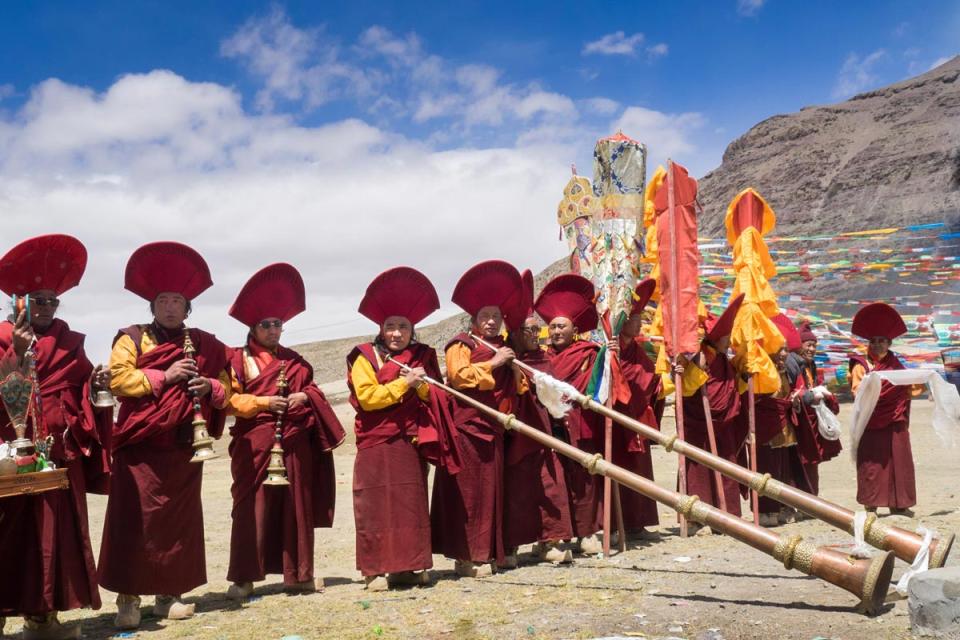
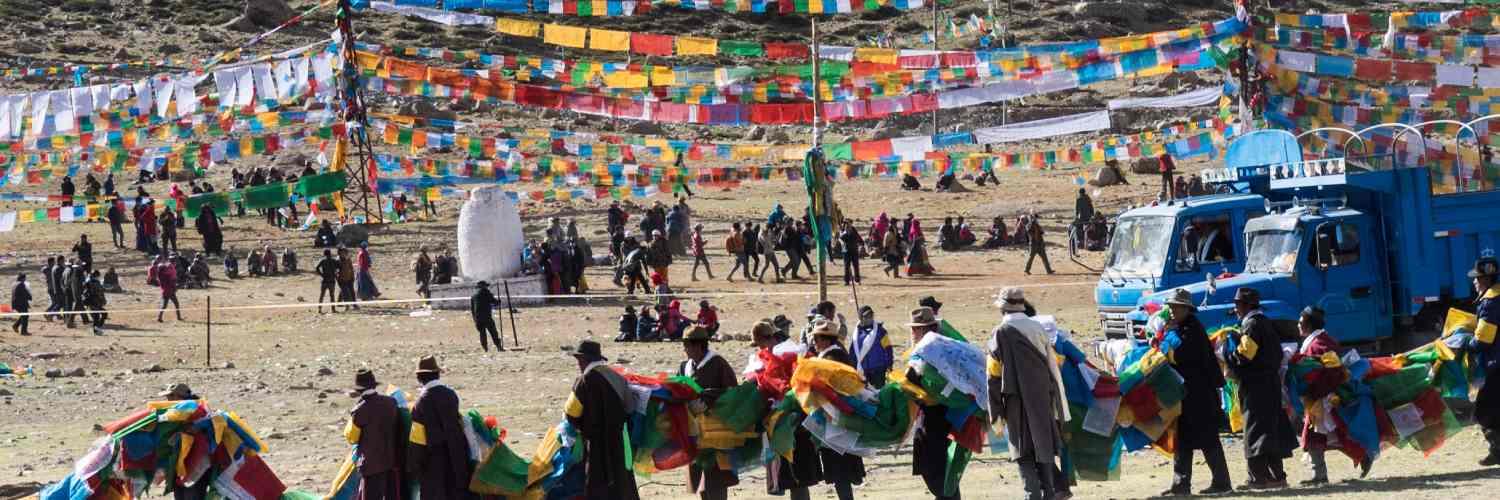
High on the vast plateau where prayer flags ripple against an endless sky, Tibet moves to a rhythm shaped by faith, tradition, and community. Among the most sacred and spiritually powerful times of the year is the Saga Dawa Festival - a deeply meaningful Buddhist observance that transforms everyday life across the region. For trekkers, cultural explorers, and spiritual travelers, witnessing Saga Dawa is not just sightseeing; it is an immersive experience? into living Himalayan devotion.
If you are planning a cultural journey through Tibet or combining a high-altitude trek with spiritual discovery, understanding how locals prepare for and celebrate Saga Dawa will enrich every step of your journey.
What is Saga Dawa and Why It Matters?
Saga Dawa commemorates three major events in the life of Siddhartha Gautama - his birth, enlightenment, and passing into nirvana. In Tibetan Buddhism, this sacred month is considered the most auspicious time of the year to practice compassion, generosity, and spiritual discipline.
The peak celebration occurs on the full moon day of the fourth lunar month, when monasteries, pilgrimage sites, and sacred mountains become centers of prayer and devotion. During this time, locals believe that the merit of good deeds multiplies many times over. Acts of kindness, charity, and non-violence are practiced with heightened sincerity.
For visitors, this is a rare opportunity to witness Tibetan spirituality not as performance, but as lived reality.
The Spiritual Atmosphere Across Tibet
During Saga Dawa, Tibet feels different. The air carries the scent of juniper incense, monastery bells echo across valleys, and pilgrims in traditional dress move steadily along sacred paths. Even the pace of daily life slows, allowing space for reflection and devotion.
In the historic city of Lhasa, streets surrounding major monasteries fill with pilgrims spinning prayer wheels and chanting mantras. Monks perform rituals that have remained unchanged for centuries. Local families prepare offerings, while elders recite prayers from memory passed down through generations.
For trekkers passing through high-altitude regions, you may notice temporary shrines, increased pilgrim movement, and ceremonial flag-raising activities at sacred viewpoints.
How Tibetan Families Prepare for Saga Dawa?
Preparation begins weeks before the main celebration. Unlike modern festival preparations centered on decoration and entertainment, Saga Dawa preparation focuses on purification - of home, body, and mind.
1. Home Cleansing and Spiritual Preparation
Families thoroughly clean their homes to remove negative energy and welcome blessings. Household altars are refreshed with new offerings such as butter lamps, incense, and sacred water. Prayer rooms are reorganized, and religious texts are carefully displayed.
This process is both physical and symbolic - a reminder that spiritual growth begins with intention.
2. Dietary Changes and Compassionate Living
During Saga Dawa month, many Tibetans adopt a vegetarian diet. This practice reflects the Buddhist principle of non-harm toward all living beings. Meat consumption decreases significantly, and local markets shift toward plant-based foods.
Visitors trekking during this period may notice simpler meals offered in tea houses and local homes. Sharing these meals with locals can become a meaningful cultural exchange.
3. Increased Prayer and Meditation
Monasteries extend prayer sessions, and many locals wake before sunrise for daily rituals. Families gather to chant together, strengthening both spiritual practice and community bonds.
Prayer flags are replaced with fresh ones inscribed with mantras, believed to spread blessings with every movement of the wind.
Pilgrimage: The Heart of Saga Dawa
One of the most visible and profound aspects of Saga Dawa is pilgrimage. Devotees travel great distances - sometimes walking or performing full-body prostrations - to reach sacred sites.
Mount Kailash Pilgrimage
Perhaps the most revered pilgrimage during Saga Dawa is the kora (circumambulation) around Mount Kailash. This sacred mountain is considered the center of the universe in several religions, including Buddhism, Hinduism, Jainism, and Bon.
Completing the circuit is believed to cleanse a lifetime of negative karma. During Saga Dawa, thousands of pilgrims gather to perform the journey, creating an atmosphere of extraordinary devotion.
For trekkers, witnessing pilgrims performing prostrations along the rugged trail is deeply humbling.
Barkhor Kora in Lhasa
Around Jokhang Temple, pilgrims perform the Barkhor kora - a clockwise walking meditation around the temple complex. Locals carry prayer beads, spin handheld prayer wheels, and whisper sacred mantras continuously.
Joining the kora respectfully allows travelers to experience Tibetan spirituality in motion.
The Grand Flag Raising Ceremony
A highlight of Saga Dawa celebrations is the ceremonial raising of a massive prayer flag pole. This symbolic act represents renewal of faith, compassion, and universal harmony.
In Lhasa, large crowds gather to witness the event near sacred monastic grounds. Monks chant scriptures while devotees offer prayers for world peace and collective wellbeing.
The atmosphere is powerful yet serene - a blend of reverence, community, and shared spiritual aspiration.
Rituals and Offerings Observed by Locals
Saga Dawa is marked by a wide range of rituals, each expressing devotion in a different way.
Butter Lamp Offerings
Lighting butter lamps is one of the most common practices. Each lamp symbolizes the dispelling of ignorance and the illumination of wisdom.
Monasteries glow softly with thousands of flickering lights, creating an unforgettable spiritual ambiance for visitors.
Charity and Generosity
Acts of giving are central to Saga Dawa. Locals donate food, clothing, and money to monasteries and those in need. Feeding animals, helping travelers, and supporting pilgrims are considered especially meritorious.
Travelers often notice locals offering tea or food to strangers - a beautiful expression of compassion.
Releasing Life
Some communities practice “life release,” freeing animals such as fish or birds as a symbolic act of saving life. This ritual reflects the Buddhist commitment to non-violence and respect for all beings.
Monastic Ceremonies and Sacred Gatherings
Monasteries across Tibet hold elaborate rituals during Saga Dawa. Chanting ceremonies, sacred dances, and scripture recitations take place daily.
At Potala Palace, the historic seat of Tibetan spiritual leadership, the spiritual energy during Saga Dawa feels especially profound. Pilgrims gather in large numbers to offer prayers and circumambulate the sacred site.
For cultural travelers, attending monastery ceremonies offers insight into living Buddhist traditions that remain vibrant today.
What Trekkers and Travelers Can Experience
Saga Dawa is not only a religious festival - it is a cultural immersion that deeply enriches travel experiences in Tibet.
A Living Spiritual Landscape
Trails become pilgrimage routes. Mountain passes echo with prayer chants. Sacred lakes become sites of ritual offerings. Even remote villages participate in the celebration.
Trekkers often describe Saga Dawa journeys as transformative experiences rather than ordinary adventures.
Authentic Cultural Encounters
Unlike staged festivals, Saga Dawa reflects genuine devotion. Interactions with locals are sincere and welcoming, offering travelers a rare glimpse into Tibetan life.
Cultural explorers gain deeper understanding of Tibetan values: compassion, patience, humility, and spiritual resilience.
Photography and Cultural Documentation
Saga Dawa offers extraordinary opportunities for documentary-style photography - vibrant prayer flags, traditional clothing, ritual ceremonies, and breathtaking Himalayan landscapes infused with spiritual meaning.
Respectful photography is essential. Always seek permission before photographing individuals or sacred rituals.
Responsible Travel During Saga Dawa
Visitors should approach Saga Dawa with sensitivity and respect. This is a sacred time, not a performance for tourism.
Key etiquette includes:
-
Dress modestly when visiting monasteries
-
Walk clockwise around sacred sites
-
Remove hats inside temples
-
Maintain quiet, respectful behavior
-
Avoid interrupting rituals
Responsible travel ensures meaningful cultural exchange and preserves the sanctity of the celebration.
Conclusion
Witnessing how locals prepare and celebrate Saga Dawa Festival is one of the most profound cultural experiences available in the Himalayas. From sacred pilgrimages and monastery rituals to community generosity and spiritual devotion, the festival reveals Tibet’s soul in its purest form.
For trekkers, travelers, and cultural explorers seeking authentic spiritual journeys, Saga Dawa offers an unforgettable path into Himalayan tradition.
Best Heritage Tour invites you to experience Tibet with expert guidance, cultural sensitivity, and carefully designed itineraries that bring you closer to the heart of this sacred celebration.
Plan your Saga Dawa journey with Best Heritage Tour today.
Phone / WhatsApp / Viber: +977-9851149197 / +977-9810043046
Email: info@bestheritagetour.com / bestheritagetour@gmail.com
Website: www.bestheritagetour.com
Office: Thamel Marg, Kathmandu, Nepal
Author: Best Heritage Tour
Date: 1st March, 2026