
Choosing the perfect trekking region in Nepal is often the hardest part of planning your trip. With thousands of miles of trails winding through the world’s highest peaks, the options can feel overwhelming. At Best Heritage Tour, we believe that every traveler has a "soul-match" trek - a trail that fits your fitness, your timeline, and your sense of wonder perfectly.
Whether you are a seasoned mountaineer or a first-time hiker looking for a gentle introduction to the Himalayas, this guide will help you navigate the diverse landscapes of Nepal to find your ideal path.
1. The Everest Region: For the Bucket-Lister and History Buff
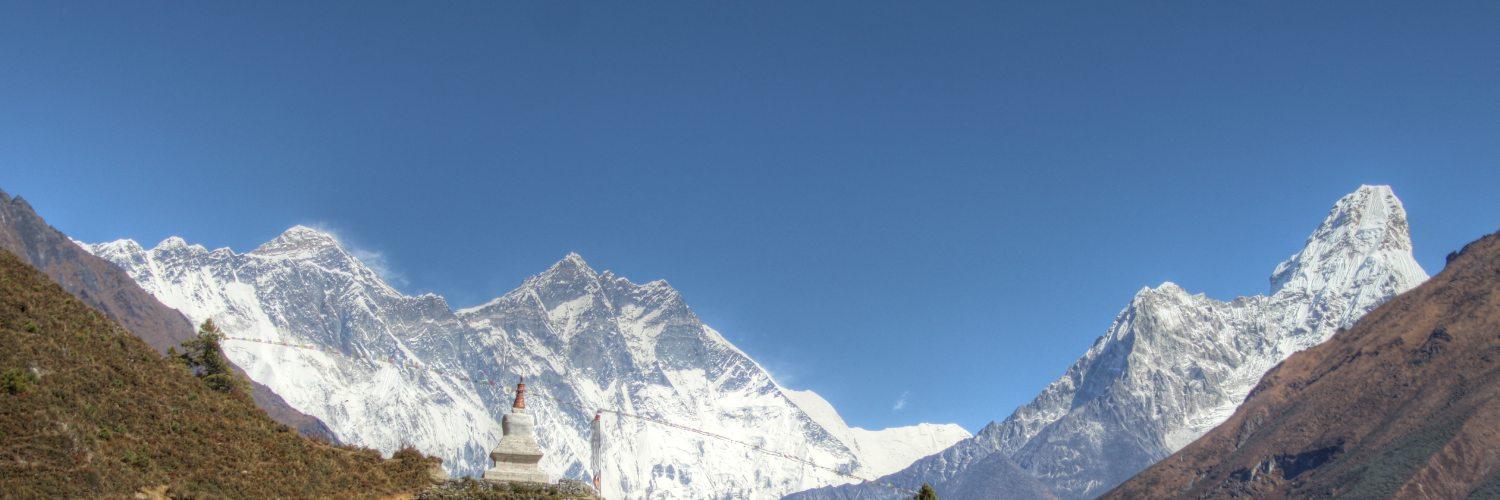
The Khumbu region (Everest) is the most iconic trekking destination on the planet. It is home to four of the world’s six highest peaks: Everest, Lhotse, Makalu, and Cho Oyu.
Best for you if: You want to walk in the footsteps of legends like Sir Edmund Hillary and Tenzing Norgay Sherpa. You enjoy high-altitude challenges and want to immerse yourself in the rich Sherpa culture and ancient monasteries.
Highlights of the Everest Region:
-
The Iconic EBC: Standing at the base of the world’s tallest mountain.
-
Sherpa Capital (Namche Bazaar): A bustling hub at 3,440m with cafes, museums, and panoramic views.
-
Tengboche Monastery: The spiritual heart of the Khumbu, offering a backdrop of Ama Dablam.
-
Gokyo Lakes: For those who want to skip the EBC crowds, these turquoise glacial lakes offer arguably better views from Gokyo Ri.
Difficulty: Moderate to Challenging. You’ll be spending a lot of time above 4,000 meters, so physical fitness and acclimatization are key.
2. The Annapurna Region: For the Nature Lover and Cultural Explorer
If variety is what you seek, the Annapurna Conservation Area is unbeatable. It is Nepal’s most popular trekking region for a reason: the infrastructure is excellent, and the landscapes transition from lush subtropical forests to arid, high-altitude deserts.
Best for you if: You want options. The Annapurna region offers everything from 3-day easy hikes to 20-day epic circuits. It’s also the best region for "teahouse trekking" luxury, as many lodges offer heated rooms and extensive menus.
Popular Trails in Annapurna:
-
Annapurna Circuit: A legendary long-distance trek that crosses the Thorong La Pass (5,416m).
-
Annapurna Base Camp (ABC): A "sanctuary" trek where you are surrounded by a 360-degree wall of mountains.
-
Ghorepani Poon Hill: A short, 4-5 day trek famous for its sunrise views and rhododendron forests - perfect for families and beginners.
-
Mardi Himal: A hidden gem that stays on a high ridge, offering "face-to-face" views of Machhapuchhre (Fishtail Mountain).
Difficulty: Easy to Challenging. There is a trail here for every fitness level.
3. The Langtang Valley: For the Time-Pressed and Solitude Seeker
Located just a day's drive north of Kathmandu, Langtang is the closest Himalayan region to the capital. Despite its proximity, it feels remarkably wild and untouched.
Best for you if: You have limited time (7-10 days) but still want a "big mountain" experience. It’s also a fantastic choice for those who want to support local communities, as the region is still recovering and rebuilding beautifully after the 2015 earthquake.
Why Choose Langtang?
-
Kyanjin Gompa: A serene valley settlement where you can sample local yak cheese and climb Kyanjin Ri for 360-degree views.
-
Tamang Heritage Trail: A cultural trek that focuses on the traditions of the Tamang people rather than just the peaks.
-
Gosaikunda Lakes: A sacred alpine lake at 4,380m that is a major pilgrimage site for both Hindus and Buddhists.
Difficulty: Moderate. The climbs are steady but the altitudes are generally lower than Everest.
4. The Manaslu Region: For the Adventurous Trail-Blazer
The Manaslu Circuit is often called the "New Annapurna Circuit." Since the road expansion has affected parts of the Annapurna route, trekkers seeking an authentic, rugged, and less-crowded experience have turned to Manaslu.
Best for you if: You want an "off-the-beaten-path" feel without sacrificing the comfort of a teahouse. You are physically fit and enjoy crossing high, snowy passes like Larkya La (5,106m).
The Manaslu Experience:
-
Restricted Area: You need a special permit and a registered guide, which keeps the crowds thin and the culture preserved.
-
Tibetan Influence: The villages near the Tibetan border offer a glimpse into a way of life that hasn't changed in centuries.
-
Mt. Manaslu: The "Mountain of the Spirit" looms over you throughout the trek.
Difficulty: Challenging. It requires good stamina and a spirit for adventure.
5. Upper Mustang: For the Culture Enthusiast and "Forbidden Kingdom" Dreamer
Trekking in Upper Mustang is like stepping back in time. This arid, rain-shadow region was a restricted kingdom until 1992 and remains one of the most preserved Tibetan Buddhist enclaves in the world.
Best for you if: You are interested in ancient history, caves, and monasteries. It is also the perfect choice for trekking during the monsoon season (June-August) because it sits behind the Himalayas and stays dry while the rest of Nepal is rainy.
Highlights of Mustang:
-
Lo Manthang: The walled capital of the former Kingdom of Lo.
-
Sky Caves: Thousands of man-made caves carved into cliffside walls, some dating back 2,000 years.
-
Tiji Festival: A vibrant, multi-day Buddhist festival featuring masked dances and ancient rituals.
Difficulty: Moderate. The challenge here isn't the steepness, but the high-altitude desert winds and dry air.
How to Choose? A Quick Comparison Table
|
Region |
Best For |
Typical Duration |
Max Altitude |
Vibe |
|---|---|---|---|---|
|
Everest |
Bucket lists / Sherpa Culture |
12-16 Days |
5,545m |
Grand & Iconic |
|
Annapurna |
Variety / Best Facilities |
4-18 Days |
5,416m |
Diverse & Social |
|
Langtang |
Short trips / Local Support |
7-10 Days |
4,984m |
Quiet & Intimate |
|
Manaslu |
Remote adventure |
14-18 Days |
5,106m |
Rugged & Authentic |
|
Mustang |
Ancient History / Monsoon |
10-14 Days |
3,810m |
Mystic & Arid |
Expert Tips for Your Nepal Trek
1. Timing is Everything
-
Autumn (Oct-Nov): The "Gold Standard." Crystal clear skies and stable weather.
-
Spring (Mar-Apr): The "Rhododendron Season." Warmer temperatures and blooming forests.
-
Winter (Dec-Feb): Cold, but great for lower-altitude treks with zero crowds.
-
Summer (Jun-Aug): Best only for rain-shadow areas like Mustang and Dolpo.
2. Respect the Altitude
No matter how fit you are, Acute Mountain Sickness (AMS) doesn't discriminate. Choose an itinerary that includes rest days (acclimatization days) and drink plenty of water. At Best Heritage Tour, we always build in "buffer days" to ensure our guests stay safe.
3. Pack Light, Pack Right
You don't need a fresh outfit for every day. Focus on layers: a good base layer, a fleece, and a down jacket. A broken-in pair of boots is more important than a brand-new expensive pair.
Final Thoughts
Nepal isn't just a place you visit; it’s a place you feel. Whether you’re standing at the foot of Everest or sharing a cup of butter tea in a Mustang monastery, the Himalayas have a way of changing your perspective.
At Best Heritage Tour, we don't just organize trips; we curate life-changing experiences. We know these trails like the back of our hands because they are our home.
Ready to lace up your boots but still not sure which trail fits?
Contact Best Heritage Tour today - Let’s chat about your fitness level, your interests, and your dream views. We’ll help you pick the perfect region and handle all the permits and logistics, so all you have to do is walk and wonder.
Phone / WhatsApp / Viber: +977-9851149197 / +977-9810043046
Email: info@bestheritagetour.com / bestheritagetour@gmail.com
Website: www.bestheritagetour.com
Office: Thamel Marg, Kathmandu, Nepal
Author: Best Heritage Tour
Date: 19th January, 2026