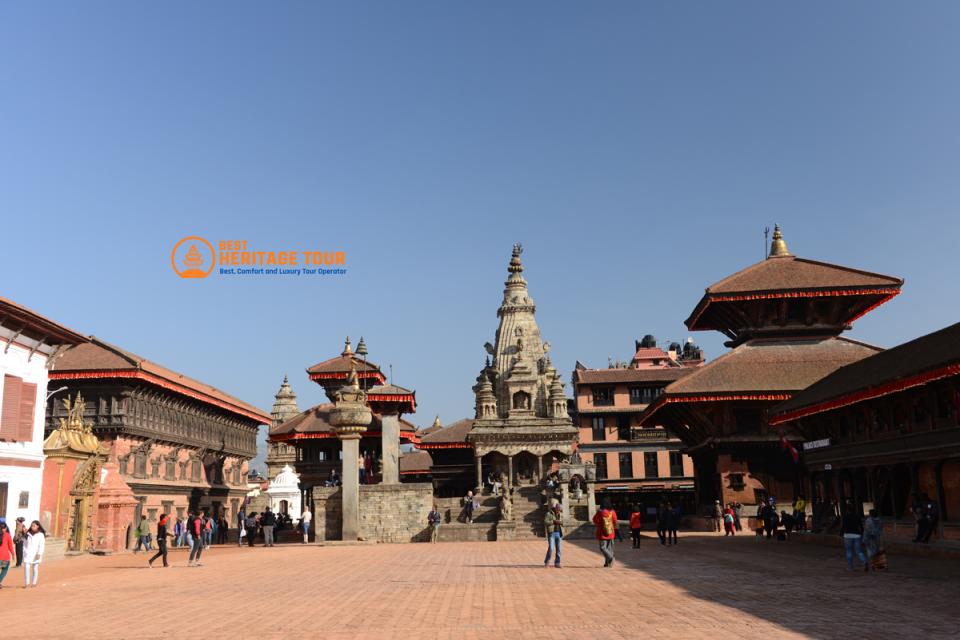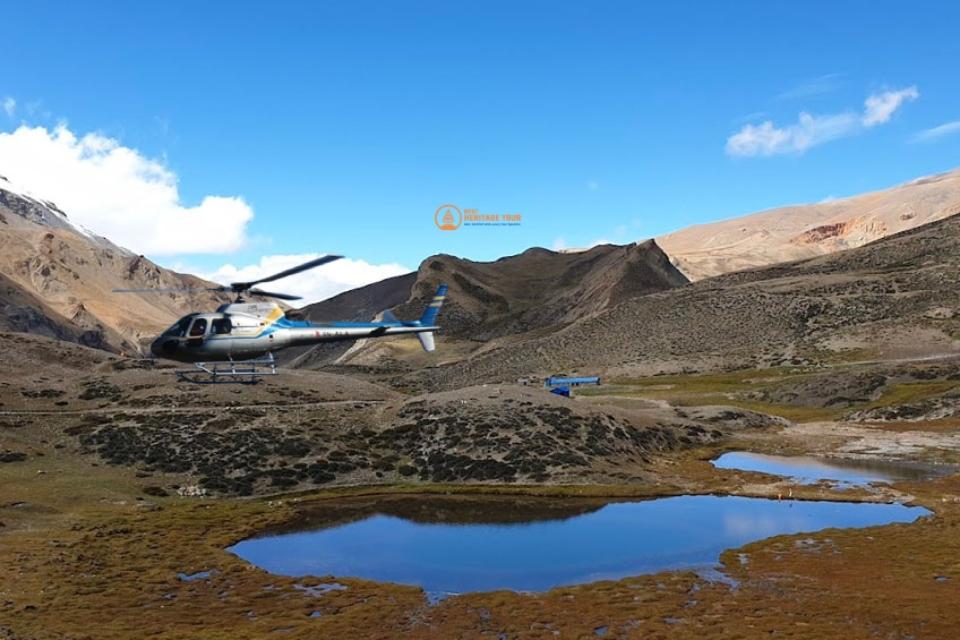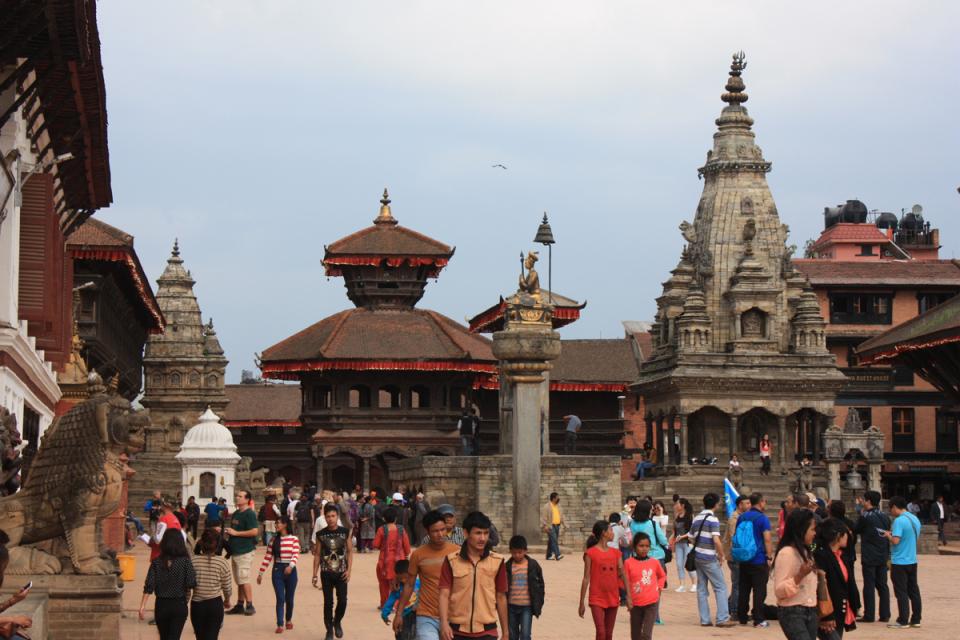
Nepal is not just a destination; it is a spiritual vibration. For centuries, this "Land of the Gods" has served as a sanctuary for those seeking something deeper than a typical vacation. Whether you are a trekker crossing high-altitude passes or a traveler seeking inner peace, Nepal’s religious landscape offers a profound connection to the divine.
At Best Heritage Tour, we believe that traveling through Nepal is a form of pilgrimage in itself. As we move into 2026, the energy of these sacred sites feels more vibrant than ever. From the birthplace of the "Light of Asia" to the clanging bells of ancient Hindu temples, here are the 15 must-visit religious places in Nepal for your 2026 itinerary.
1. Pashupatinath Temple, Kathmandu
The Holiest Abode of Lord Shiva
Standing on the banks of the sacred Bagmati River, Pashupatinath is the ultimate destination for Hindu devotees worldwide. This UNESCO World Heritage site is a sprawling complex of 518 temples and shrines. While the main golden-roofed pagoda is reserved for Hindus, the surrounding area offers a powerful glimpse into the cycle of life and death.
In 2026, if you visit during Maha Shivaratri (February 15), you will witness thousands of Sadhus (holy men) covered in ash, chanting ancient mantras in a spectacle of devotion that is nothing short of transformative.
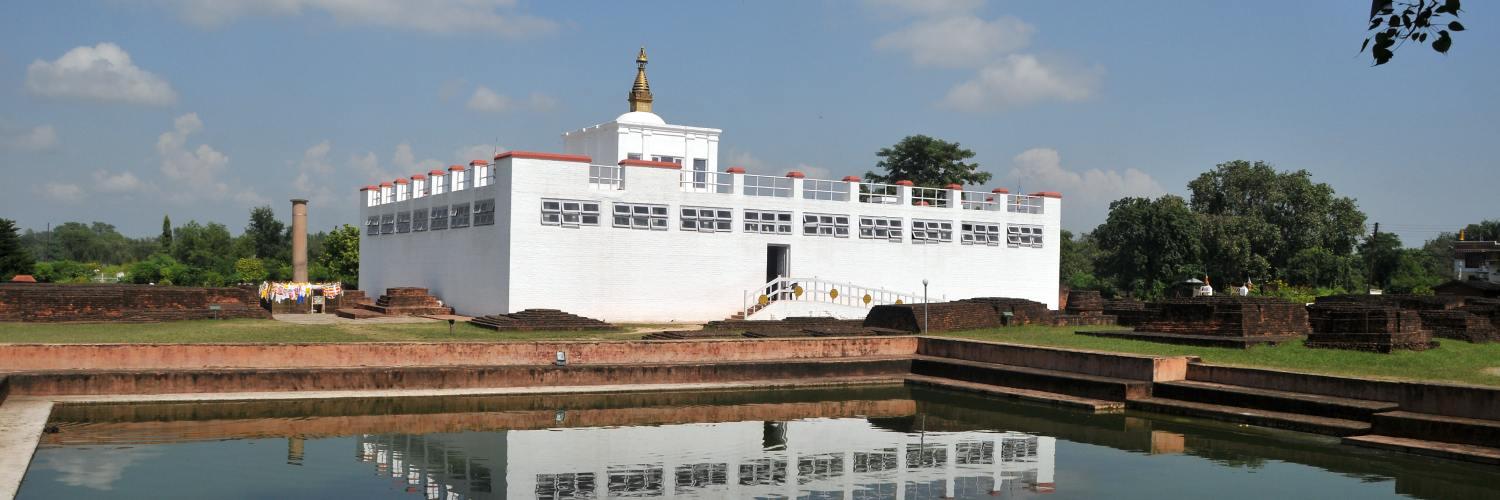
2. Lumbini, Rupandehi
The Birthplace of Lord Buddha
Lumbini is the spiritual heart of the Buddhist world. It was here, in the lush gardens of the Terai, that Queen Maya Devi gave birth to Siddhartha Gautama in 623 BCE. The Maya Devi Temple marks the exact spot of his birth, while the Ashoka Pillar, erected in 249 BCE, stands as historical proof of this sacred event.
Walking through the Monastic Zone - where countries like Thailand, Germany, and Cambodia have built stunning monasteries - feels like a global embrace of peace. It is the perfect place for meditation and reflection.
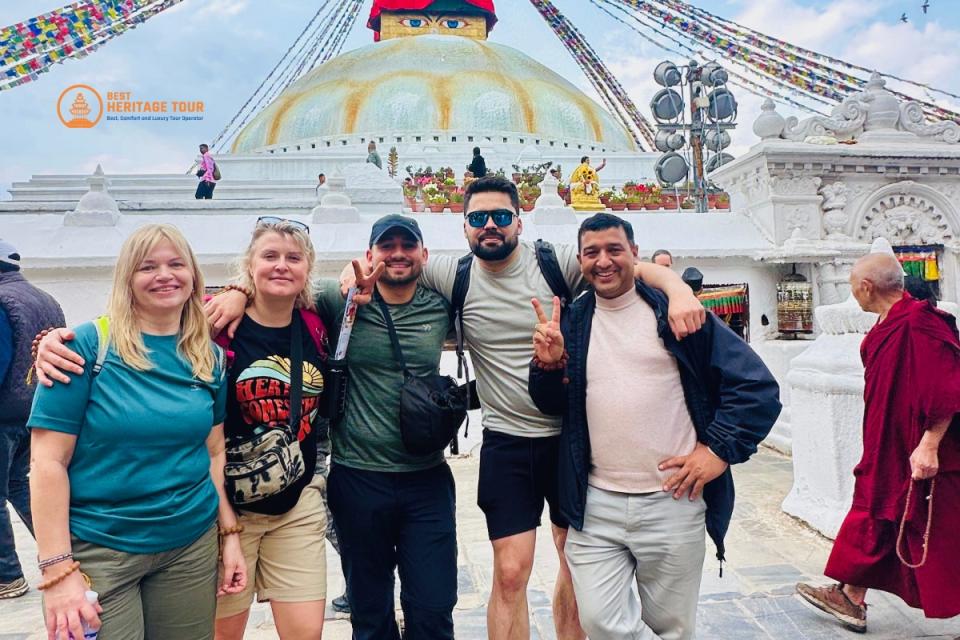
3. Boudhanath Stupa, Kathmandu
The Eye of Wisdom
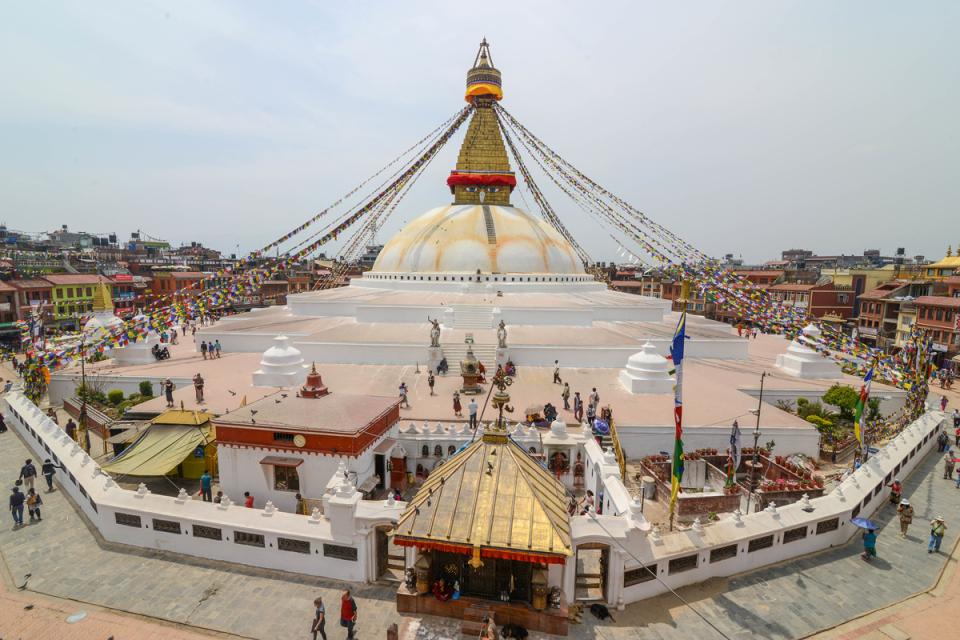
As one of the largest spherical stupas in the world, Boudhanath is the center of Tibetan Buddhism in Nepal. The giant "Buddha Eyes" gaze out in all four directions, symbolizing the all-seeing wisdom of the enlightened.
The best time to visit is during the evening Kora. Join the hundreds of pilgrims walking clockwise around the dome, spinning prayer wheels and chanting Om Mani Padme Hum. The scent of incense and the sound of butter lamps flickering in the wind create an atmosphere of pure serenity.
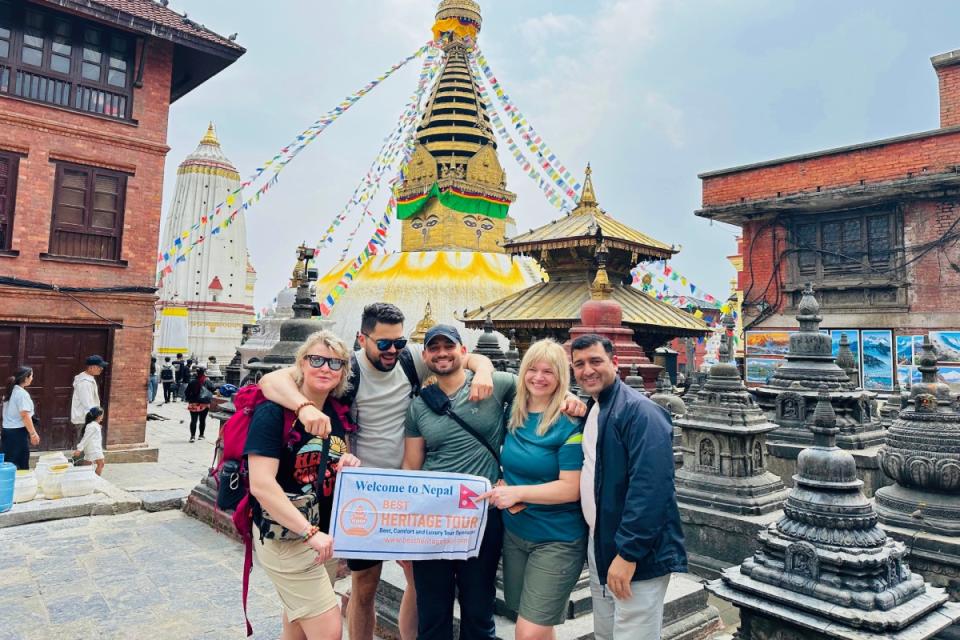
4. Swayambhunath (The Monkey Temple)
The Self-Existent Stupa
Perched atop a hill overlooking the Kathmandu Valley, Swayambhunath is a beautiful blend of Hindu and Buddhist harmony. Legend says the valley was once a lake, and a lotus blossomed here, giving birth to the "Self-Created" stupa.
The climb up the 365 ancient stone steps is a rite of passage for every traveler. Once at the top, you are rewarded with a panoramic view of the city and the playful antics of the resident monkeys, who are considered sacred guardians of the site.
5. Muktinath Temple, Mustang
The Place of Liberation
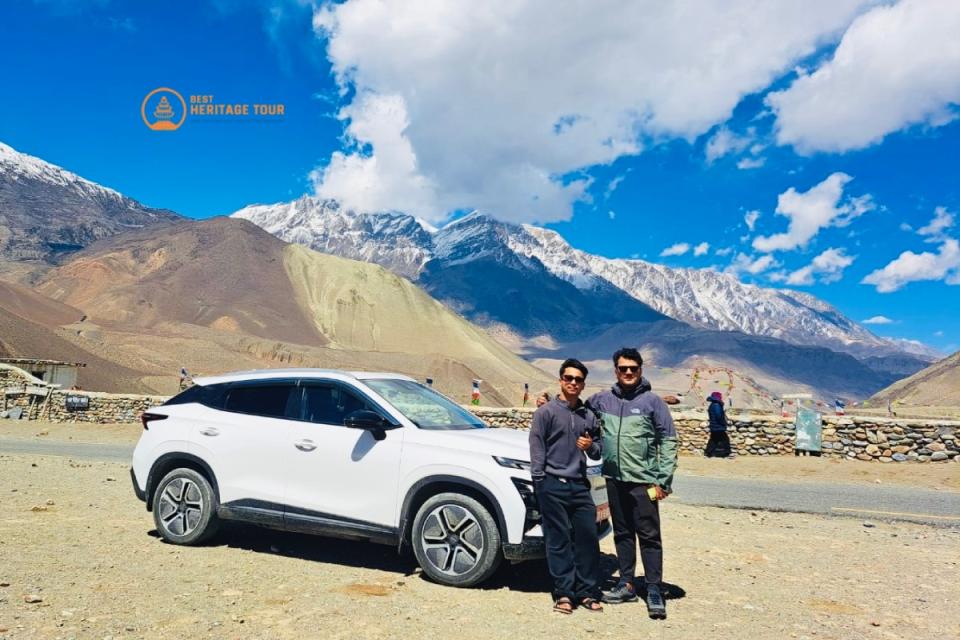
For trekkers on the Annapurna Circuit, Muktinath is the ultimate spiritual reward. Located at 3,710 meters, this is a rare "Mixed-Faith" site. Hindus call it Mukti Kshetra (The Place of Salvation), while Buddhists call it Chumig Gyatsa (Hundred Waters).
The site features 108 brass waterspouts shaped like cow heads. Braving the icy glacial water for a ritual bath is said to cleanse a lifetime of sins. It is a place where the elements of earth, air, fire (the eternal flame at Jwala Mai), and water meet in a high-altitude desert landscape.
6. Janaki Mandir, Janakpur
A Tribute to Goddess Sita
Further south, the Janaki Mandir is a masterpiece of "Nau Lakha" architecture, blending Rajput and Mughal styles. This is the birthplace of Goddess Sita and the setting for her wedding to Lord Ram.
The temple is particularly vibrant during Bibah Panchami (December 14, 2026), when thousands gather to reenact the divine wedding. The intricate white marble and colorful frescoes make it one of the most photogenic religious sites in the country.
7. Gosaikunda Lake, Rasuwa
The Sacred Alpine Waters
For the adventurous religious explorer, the trek to Gosaikunda is a must. Legend has it that Lord Shiva created this high-altitude lake by thrusting his trident into the mountain to obtain water to cool his throat after consuming poison.
At 4,380 meters, the turquoise waters are breathtaking. During the Janai Purnima festival in August, the lake becomes a hub for pilgrims who trek for days to take a holy dip in its freezing, sanctified waters.
8. Changunarayan Temple, Bhaktapur
Nepal’s Oldest Living Heritage
Often overlooked by the crowds of Kathmandu, Changunarayan is considered the oldest temple in Nepal, dating back to the 4th century. Dedicated to Lord Vishnu, the temple is a living museum of stone, wood, and metal carvings.
The inscriptions here are the oldest found in Nepal, providing a literal timeline of the country’s history. The peaceful hilltop location offers a quiet escape and a deep dive into the artistic brilliance of the Licchavi period.
9. Budhanilkantha Temple
The Sleeping Vishnu
Located at the base of the Shivapuri Hill, this temple houses a magnificent 5-meter-long stone statue of Lord Vishnu reclining on a bed of serpents (Sheshanaga) in the middle of a sacred pond.
The statue appears to float on the water, a phenomenon that has baffled scientists and devotees alike for centuries. It is a site of deep tranquility where you can watch the morning rituals performed by local priests.
10. Manakamana Temple, Gorkha
The Wish-Fulfilling Goddess
Perched on a ridge in Gorkha, the Manakamana Temple is dedicated to the Goddess Bhagwati. The name itself is derived from "Mana" (Heart) and "Kamana" (Wish). It is believed that the Goddess fulfills the heart's desires of those who make the pilgrimage.
Most travelers reach the temple via a scenic 10-minute cable car ride over the Trishuli River and lush hills, making it a perfect blend of modern convenience and ancient tradition.
11. Namo Buddha, Kavre
A Lesson in Compassion
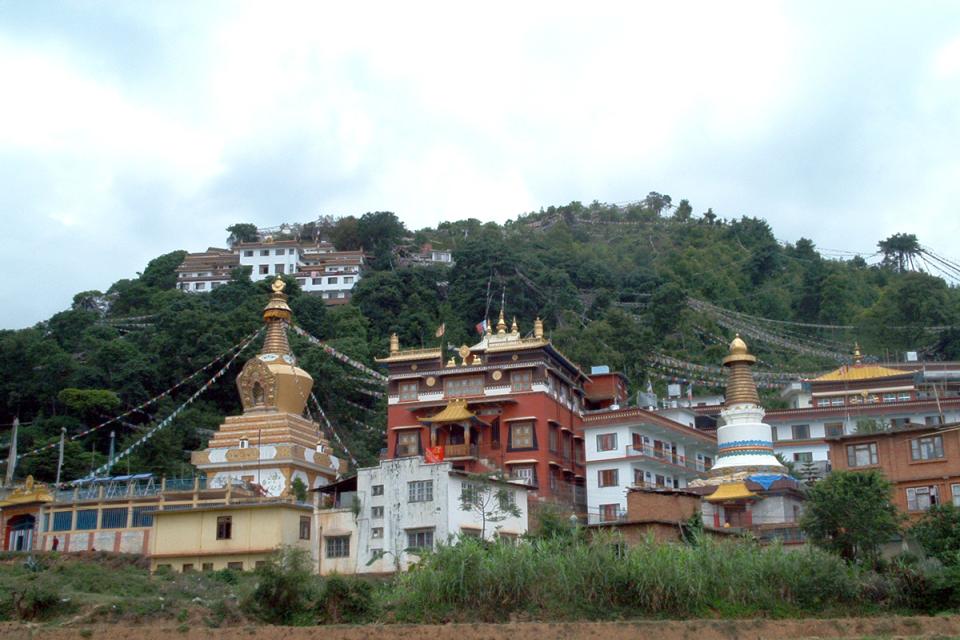
Namo Buddha is one of the most important Buddhist pilgrimage sites in the world. According to legend, a young prince (a previous incarnation of Buddha) encountered a starving tigress and her cubs. Moved by compassion, he offered his own flesh to save them.
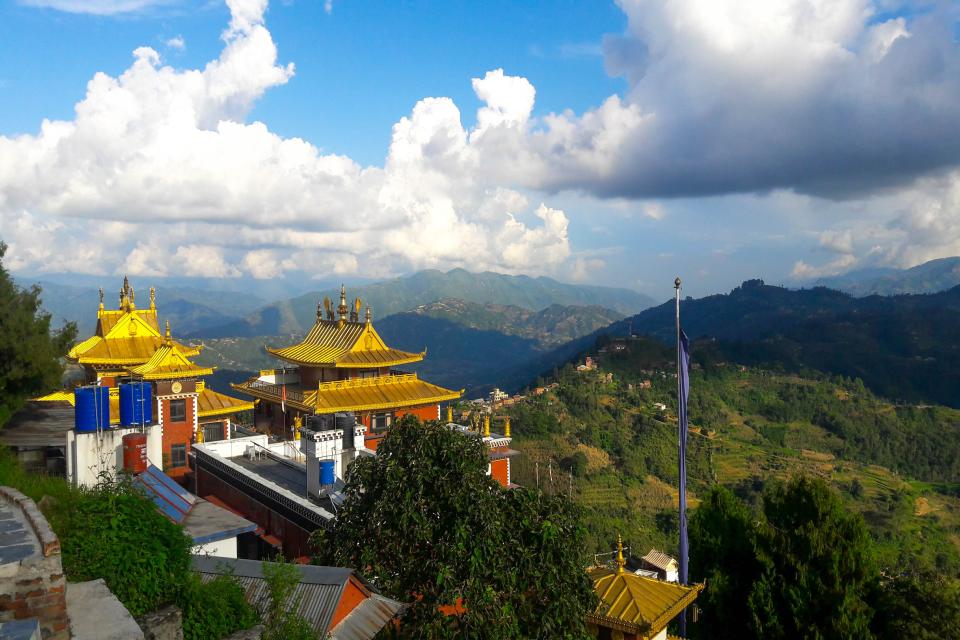
The Thrangu Tashi Yangtse Monastery now sits on this site, offering a peaceful retreat for those looking to practice mindfulness. The air here is thin, crisp, and filled with the fluttering of thousands of prayer flags.
12. Dakshinkali Temple
The Power of the Divine Mother
Situated in a dark, forested gorge south of Kathmandu, Dakshinkali is dedicated to the goddess Kali, the fierce manifestation of Shakti. This temple is famous (and sometimes controversial for westerners) for its animal sacrifices, which are performed to appease the goddess.
Regardless of your stance, the energy at Dakshinkali is undeniable. It provides a raw, unfiltered look at the tantric traditions that have shaped Nepali spirituality for millennia.
13. Tengboche Monastery, Everest Region
Spirituality at the Top of the World
For those trekking to Everest Base Camp, Tengboche Monastery is the spiritual gateway. Located at 3,867 meters, it is the largest gompa in the Khumbu region. The monastery is framed by the towering peaks of Ama Dablam and Everest.
Listening to the deep horns of the monks during the morning prayer session while the sun rises over the Himalayas is an experience that stays with you forever.
14. Pathivara Devi Temple, Taplejung
The Guardian of the East
Located in the remote far-eastern corner of Nepal, Pathivara is a "Shakti Peeth" that requires a dedicated journey. It is believed that the Goddess Pathivara has the power to grant any wish.
The trek to the temple offers stunning views of Mount Kanchenjunga, the world’s third-highest peak. It is a destination for those who want to get off the beaten path and experience the raw devotion of the mountain people.
15. Haleshi Mahadev, Khotang
The Pashupatinath of the East
Haleshi Mahadev is a unique cave temple often referred to as the "Pashupatinath of the East." It is sacred to both Hindus and Buddhists. Hindus believe Lord Shiva hid here from the demon Bhasmasur, while Buddhists venerate it as the place where Guru Rinpoche attained immortal life.
The natural limestone caves are filled with stalactites and stalagmites that are worshipped as divine symbols. It is a place of mystery and ancient power.
Planning Your Spiritual Journey in 2026
When visiting these sacred sites, remember that you are stepping into "living" history. Here are a few tips to ensure a respectful and rewarding experience:
-
Dress Modestly: Cover your shoulders and knees when entering temple or monastery grounds.
-
Clockwise is Key: Always walk around stupas and temples in a clockwise direction.
-
Photography: Always ask for permission before taking photos of people or inside the inner sanctums of temples.
-
Hire a Guide: To truly understand the myths and legends behind these stones, a knowledgeable guide is invaluable.
Why Choose Best Heritage Tour?
At Best Heritage Tour, we don’t just book trips; we curate experiences. We understand that your journey to Nepal is more than just checking off a list - it’s about the stories you’ll tell and the peace you’ll find. Our 2026 itineraries are designed to take you deep into the heart of these religious landmarks, ensuring you see the soul of Nepal, not just the sights.
Are you ready to find your own path in the Land of the Gods?
Contact us today to start planning your 2026 Nepal Heritage Tour!
Phone / WhatsApp / Viber: +977-9851149197 / +977-9810043046
Email: info@bestheritagetour.com / bestheritagetour@gmail.com
Website: www.bestheritagetour.com
Office: Thamel Marg, Kathmandu, Nepal
Author: Best Heritage Tour
Date: 8th January, 2026