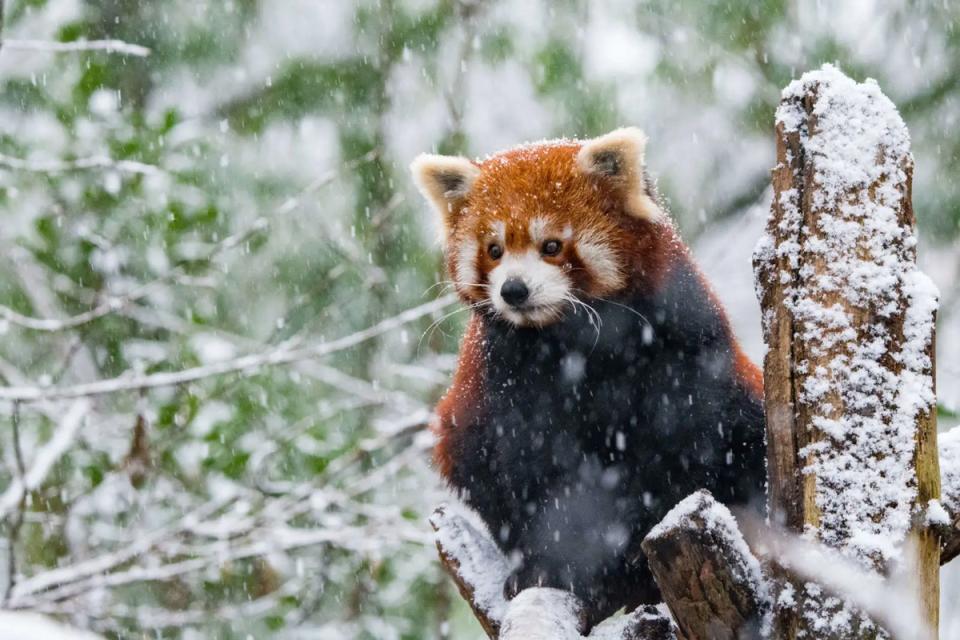
Namaste and welcome from the heart of Nepal! As a seasoned travel company - Best Heritage Tour, deeply connected to the Himalayas, we are thrilled to share an adventure that sits at the pinnacle of wildlife photography: tracking and capturing the elusive Red Panda (Ailurus fulgens).
At Best Heritage Tour, we don't just organize trips; we curate profound, ethical encounters. Our mission is to take photographers and nature lovers deep into the misty, high-altitude cloud forests - the genuine sanctuary of this "fire fox" - while actively supporting the critical conservation efforts that keep this rare mammal from vanishing.
The Red Panda is not just another creature; it is a cryptic jewel of the Himalayan biodiversity, listed as Endangered on the IUCN Red List. With fewer than 10,000 individuals remaining in the wild, an opportunity to photograph this creature is a privilege, a rewarding challenge, and a powerful act of environmental advocacy.
Nepal is arguably the world’s most crucial remaining stronghold for this species, hosting approximately 5% of the global population across its central and eastern highlands. For the dedicated wildlife photographer, we have pioneered the definitive Red Panda Photography Nepal itinerary, uniquely focusing on two distinct, yet equally spectacular, regions: the rugged, spectacular trails of Langtang National Park in the central Himalayas, and the soft, rolling tea hills of Ilam in the far-east.
This guide is your comprehensive blueprint. We will dive into the specific habitat requirements, the seasonal secrets, the essential gear, and the ethical practices that ensure your Himalayan Red Panda Safari is successful, sustainable, and utterly unforgettable. If your goal is to add a truly magnificent portrait of the Lesser Panda to your portfolio, read on. The adventure begins where the bamboo meets the mist.
Unveiling the Mystery: Why the Red Panda is the Photographer's ultimate choice?
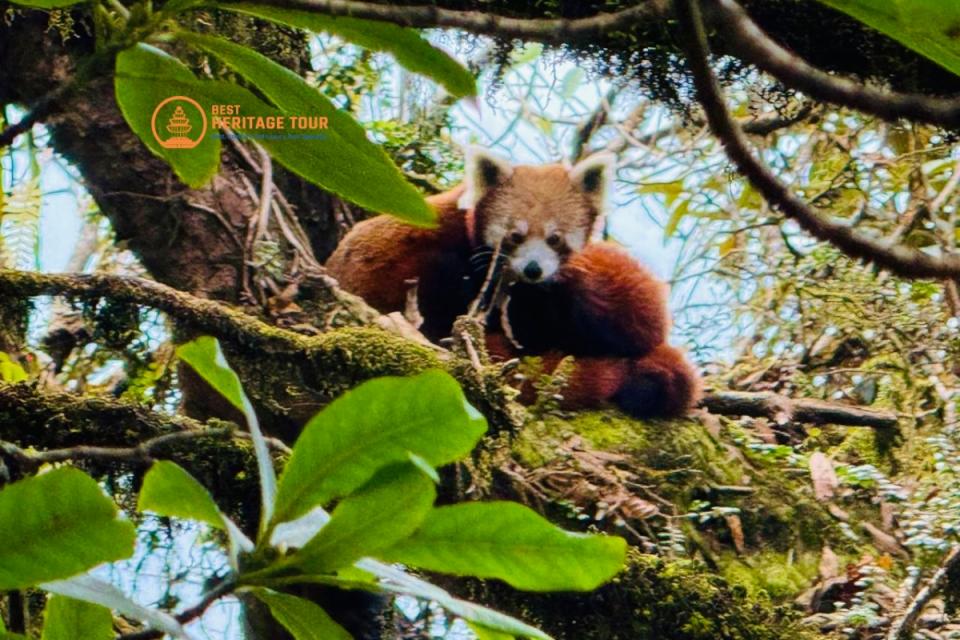
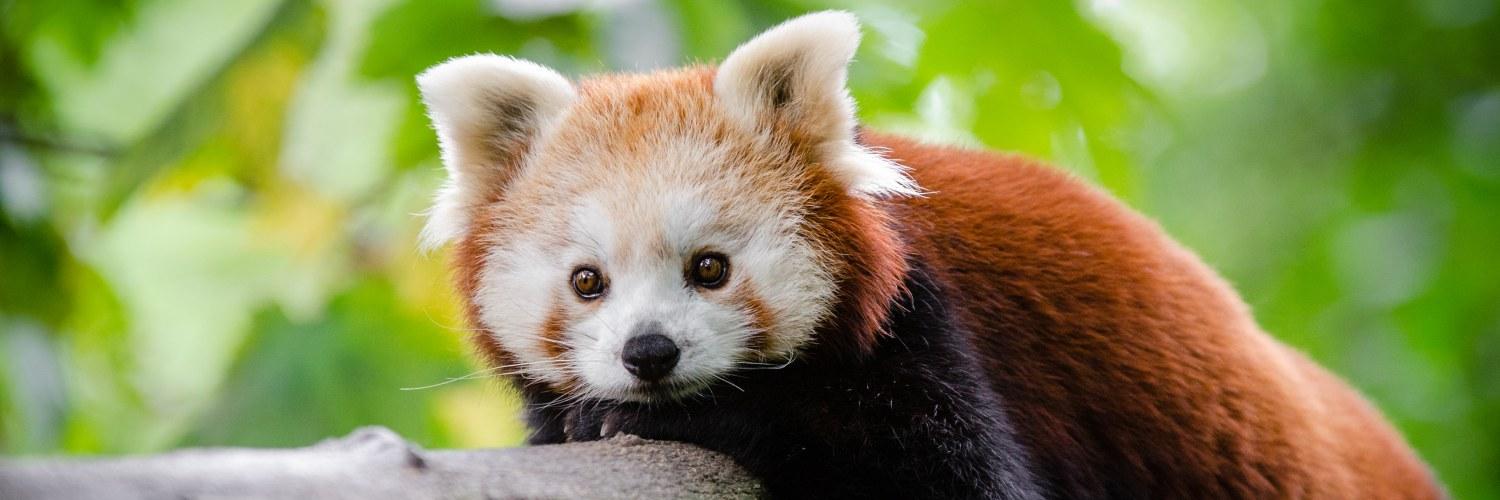
The Red Panda is scientifically unique, belonging to its own family, Ailuridae. It is a biological marvel, a living fossil, and a creature perfectly adapted to the cold, damp, high-altitude environment of the temperate forests. Its scientific name, Ailurus fulgens - meaning "fire-colored cat" - is a fitting descriptor for a mammal coated in thick, reddish-brown fur, marked by a bright white face mask and a long, banded, bushy tail that can measure up to 60 cm.
The Behavioral Challenge: Patience and Light
For photographers, the Red Panda presents a fascinating challenge rooted in its behavior.
-
Arboreal and Elusive: They are primarily tree-dwellers, spending most of their time (over 90%) resting on branches or nestled in tree hollows.
-
Crepuscular Activity: They are most active during the golden hours - dawn and dusk. This means the best photographic light often coincides with their most active feeding and movement periods, demanding quick camera reactions in challenging, low-light forest environments.
-
Specialist Diet: Their diet is overwhelmingly bamboo (up to 95%), which dictates their habitat choice: dense temperate forests with rich bamboo undergrowth, typically at altitudes between 2,500 and 4,000 meters.
This combination of factors means that successful Red Panda photography is less about luck and more about leveraging the expertise of local trackers who understand their specific sleeping and feeding trees, and how to approach them ethically.
Conservation in the Frame
Every image you capture and share is a tool for conservation. The Red Panda faces existential threats:
-
Habitat Loss and Fragmentation: Driven by deforestation, livestock grazing, and the collection of fuelwood.
-
Poaching and Illegal Trade: Sought after for their beautiful pelts and the illegal exotic pet trade.
By joining an organized, eco-conscious tour, such as those offered by Best Heritage Tour, your presence directly funds local community-based conservation programs. You support the community trackers, who are the true guardians of the forest, turning conservation from an abstract idea into a tangible, income-generating priority for the local populace. This is the essence of Sustainable Red Panda tourism.
Part I: The Misty Majesty of Eastern Nepal - Ilam's Red Panda Empire
Ilam, located in the far eastern corner of Nepal, is famous globally as the country’s "Tea Capital." But beyond the perfectly manicured terraces lies a rugged, lesser-known landscape of pristine cloud forest that is one of the most vital habitats for the Red Panda meta-population in the entire Himalayan arc.
The Ilam Experience: Culture Meets Wildlife
The Ilam itinerary focuses on the Panchthar-Ilam-Taplejung (PIT) corridor, often referred to as the Red Panda Trail. Unlike the pure trekking experience of Langtang, Ilam offers a rich blend of cultural immersion and highly focused tracking.
Key Photography Locations in Ilam:
-
Dobato and Gorkhe: These remote villages are the heart of the Red Panda community zone. The forests here - dense with rhododendron, oak, and especially Arundinaria (mountain bamboo) - are managed by local conservation committees. Photographers often stay in cozy, community-run homestays, which significantly enhances the cultural richness of the trip.
-
The Shot: The dense, often mist-laden forests of Dobato are perfect for capturing environmental portraits of the Red Panda. The soft, diffused light filtering through the canopy creates a magical, ethereal quality, making the panda's rust-colored fur glow against the deep green background.
-
-
Sandakpur (3,636m): While a great area for tracking, Sandakpur is indispensable for its breathtaking panoramic views. It’s a point where you can witness a spectacular sunrise over the world’s highest peaks, including Mount Kanchenjunga (the world's third highest).
-
The Shot: Landscape photography opportunities here are unparalleled. You can capture the sheer scale of the eastern Himalayas, providing a stunning contrast to the intimate, low-canopy shots of the panda itself.
-
-
Mai Pokhari: A sacred wetland area that offers diverse photographic subjects, including unique flora and local culture, providing necessary variety to a wildlife-focused portfolio.
Ilam's Unique Photographic Advantage: The Tea and the Trails
What sets Ilam Red Panda Photography apart is the unique backdrop. Imagine a close-up shot of a panda with a subtle hint of the rolling tea gardens in the far distance - a perfect juxtaposition of nature and human livelihood. Furthermore, Ilam’s trails are generally less frequented than the main trekking routes, providing a quieter, more focused experience, which is essential when tracking shy wildlife.
The success of sightings in Ilam is greatly bolstered by the Community Forest User Groups (CFUGs). The local people, who are the best trackers in the region, are financially incentivized to protect the pandas and minimize disturbance, ensuring that your wildlife encounter is not just successful, but genuinely ethical.
Ilam Logistics Snapshot:
-
Access: Fly from Kathmandu to Bhadrapur, followed by a scenic drive to Ilam Bazaar and then onwards to Dobato.
-
Accommodation: Primarily community homestays and basic lodges, offering authentic cultural immersion.
-
Altitudinal Range: Tracking generally occurs between 2,500m and 3,300m.
Part II: High-Altitude Thrills in Central Nepal - The Langtang Journey
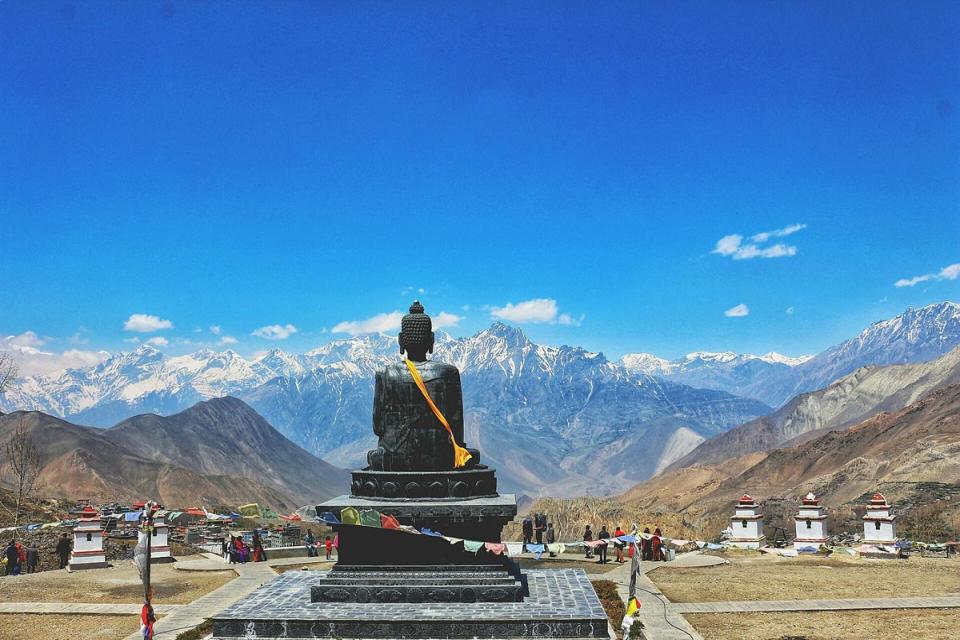
Moving west, we journey to Langtang National Park (LNP), Nepal's first mountainous national park and a cornerstone of Red Panda Conservation. Closer to Kathmandu and steeped in dramatic Himalayan scenery, Langtang offers a more classic, high-altitude trekking and wildlife experience.
Langtang: Where the Himalayas Meet the Habitat
Langtang National Park is a massive protected area, boasting staggering biodiversity. The Red Panda habitat here is often higher, colder, and more rugged than in Ilam, providing a distinctly different aesthetic for photography.
Key Photography Locations in Langtang:
-
Ghyangphedi and Cholangpati: These are the core Red Panda territories within the park's buffer zone and surrounding regions. The trails wind through ancient forests dominated by silver fir, hemlock, and dense thickets of bamboo and flowering rhododendron - especially vibrant during the spring season (March to May).
-
The Shot: The Langtang region provides the opportunity to capture the panda in a more rugged, high-Himalayan setting. The air is crisper, and the possibility of capturing a panda against a backdrop of snow-dusted foliage in late winter/early spring is a unique draw for the adventurous photographer. Local trackers, such as the famous Lhakpa and his family in the Nuwakot section of the park, have legendary sighting rates due to their deep-rooted knowledge of the forest.
-
-
Pake Viewpoint (approx. 3,500m): Similar to Sandakpur in Ilam, Pake Viewpoint offers awe-inspiring sunrise and sunset vistas, with unobstructed views of the Langtang Lirung, Gangchempo, and Ganesh Himal ranges.
-
The Shot: This is where you capture the scale. Wide-angle shots of the valley, the winding trails, and the traditional stone-built villages provide context to the high-altitude wildlife quest.
-
-
Lama Hotel and Sherpa Gaun: These traditional trekking stops offer glimpses into the unique Tamang and Sherpa cultures, enriching the overall travel documentary aspect of the photography tour.
Langtang’s Appeal: Dramatic Backdrops and Accessibility
One of the biggest advantages of the Langtang Red Panda Tour is its relative accessibility from Kathmandu. While Ilam requires a flight, Langtang is reachable via a scenic, albeit long, drive. This central location makes it logistically straightforward for those on a tighter schedule.
The success in Langtang is rooted in dedicated conservation work. Despite the pressures from traditional livestock grazing and tourism, the park authorities, in partnership with conservation NGOs, have implemented action plans focusing on habitat management and awareness. By choosing this park, your itinerary contributes to one of Nepal's most critical high-altitude conservation zones.
Langtang Logistics Snapshot:
-
Access: Scenic drive from Kathmandu to Maghu Village, followed by trekking.
-
Accommodation: Teahouses and lodges along the established trekking route.
-
Altitudinal Range: Tracking generally occurs between 2,700m and 3,500m, requiring moderate acclimatization.
The Technical Essentials: Gear, Timing, and Ethical Photography
A successful Red Panda Photography Nepal expedition requires meticulous preparation, especially concerning gear and timing. Wildlife photography in the high-altitude cloud forests demands adaptability and specialized equipment.
Essential Gear for the Red Panda Photographer
The habitat of the Red Panda - dense, low-light forest - means your gear must be optimized for reach and speed.
|
Gear Category |
Specification & Rationale |
Why It Matters for Red Pandas |
|---|---|---|
|
Camera Body |
DSLR or Mirrorless with excellent low-light performance (high ISO capability) and fast, reliable autofocus (AF). |
Pandas are often encountered at dawn or dusk, and AF speed is crucial for sharp shots of a shy, moving subject in dim light. |
|
Primary Lens (Telephoto) |
300mm to 500mm (or equivalent crop-sensor reach) with a wide aperture (f/4 or f/2.8 if possible). |
You must maintain an ethical distance (50-100 feet) to prevent disturbing the animal. Long focal length is non-negotiable for close-ups. |
|
Secondary Lens (Zoom) |
A versatile 70-200mm f/2.8 or similar. |
Excellent for capturing environmental shots, placing the panda in the context of its rhododendron and bamboo habitat. |
|
Stability |
Sturdy, lightweight tripod/monopod and a beanbag. |
Essential for tack-sharp images at slower shutter speeds in low-light forest conditions and at long focal lengths. |
|
Weather Protection |
Camera rain cover, moisture-absorbing silica packets, and plastic bags. |
The cloud forests are perpetually damp, foggy, and prone to sudden rain/snow. Protecting your gear is paramount. |
|
Field Tools |
High-quality binoculars (10x42) and a headlamp. |
Binoculars are crucial for initial spotting by the guide; headlamps are vital for navigating the early morning/late evening trails safely. |
|
Batteries & Storage |
Extra high-capacity batteries (2-3 spares) and multiple large-capacity SD/CF cards (64GB+). |
Cold temperatures drain batteries rapidly, and you won't find charging points readily available in remote Dobato or Langtang lodges. |
Timing is Everything: The Best Season for the Shot
The Red Panda is intolerant of heat, meaning successful sighting rates fluctuate dramatically with the weather. Best Heritage Tour exclusively recommends two primary seasons for your photography expedition:
-
Spring (March to Mid-May): The Colour Season
-
Conditions: The weather is warming but remains cool enough for the pandas to be active during the day.
-
The Shot: This is the most beautiful time for photography as the Rhododendrons (Lali Gurans), Nepal’s national flower, are in full, glorious bloom, adding vibrant splashes of red, pink, and white to the background.
-
-
Autumn (October to November): The Clarity Season
-
Conditions: The monsoon rains have cleared, leading to the clearest skies, stable weather, and superb mountain views. Daytime temperatures are ideal.
-
The Shot: The light is crisp and clear, perfect for capturing detail in the fur. Sighting success is often high, and in October/November, you may have the additional privilege of photographing a mother with her young cubs (born in the summer birthing season).
-
Seasons to Avoid (Tracking Restrictions):
-
Monsoon (June-September): Heavy rain makes trails dangerous and visibility poor. This overlaps with the birthing season, where disturbance is strictly prohibited by conservation guidelines.
-
Deep Winter (December-February): While pandas may descend to lower altitudes, heavy snow makes tracking difficult, and the January/February period is the mating season, during which tracking is generally restricted to minimize human interference.
Ethical Photography and Field Techniques
Remember, you are a visitor in their home. The Red Panda conservation tour Nepal ethos dictates respect and distance.
-
Maintain Distance: Never approach the animal closely. Use your telephoto lens to fill the frame. The goal is documentation, not interaction.
-
No Flash Photography: This is a firm rule. Flash can startle and stress nocturnal/crepuscular animals.
-
Follow the Tracker: Your local guide is your most valuable asset. They know how to move quietly, locate the animals without disturbance, and position you for the optimal, ethical shot.
-
Patience is the Aperture: Wildlife photography is often 99% waiting and 1% shooting. Bring warm layers, a flask of tea, and embrace the silence of the forest.
Conclusion: Capture the Spirit of the Himalayas
The quest for the Red Panda is the embodiment of Himalayan adventure: challenging, rewarding, and profoundly moving. To stare into the eyes of this gentle, fire-colored creature, nestled high in the temperate canopy, is to connect with the wild soul of Nepal. This is the ultimate goal of Red Panda Photography Nepal.
As a photographer, you are not merely taking pictures; you are actively participating in the global effort to save an endangered species. Your lens provides the vital link between these remote mountain forests and the global community, turning awareness into action, and turning a simple sighting into a powerful conservation message.
Best Heritage Tour invites you to embark on this extraordinary Himalayan Red Panda Safari. Allow us to be your trusted, expert guide through the misty trails of Ilam and the breathtaking altitudes of Langtang National Park. Our commitment is to ensure you have the best possible chance to capture the majestic Red Panda while preserving its fragile future.
Your adventure, and your contribution to conservation, starts now.
Contact Best Heritage Tour and Book Your Expedition Today!
Don't let this once-in-a-lifetime opportunity slip away. Contact our expert team directly to customize your Langtang Red Panda Tour or your Ilam Red Panda Photography experience.
Phone / WhatsApp / Viber: +977-9851149197 | +977-9810043046
Email: info@bestheritagetour.com | bestheritagetour@gmail.com
Info & Booking: www.bestheritagetour.com
Office: Thamel Marg, Kathmandu, Nepal
Author: Best Heritage Tour
Date: 27th November, 2025