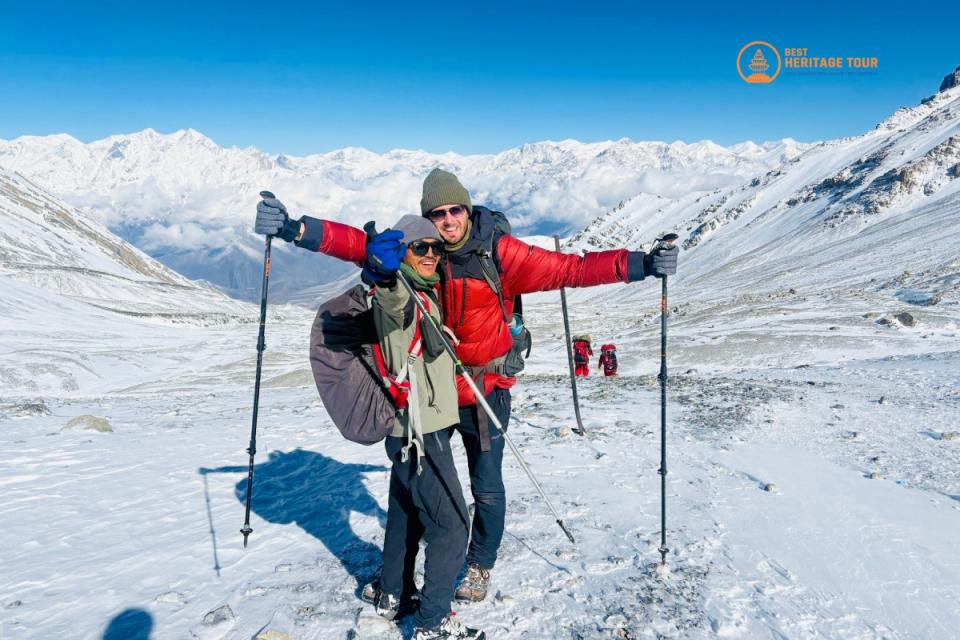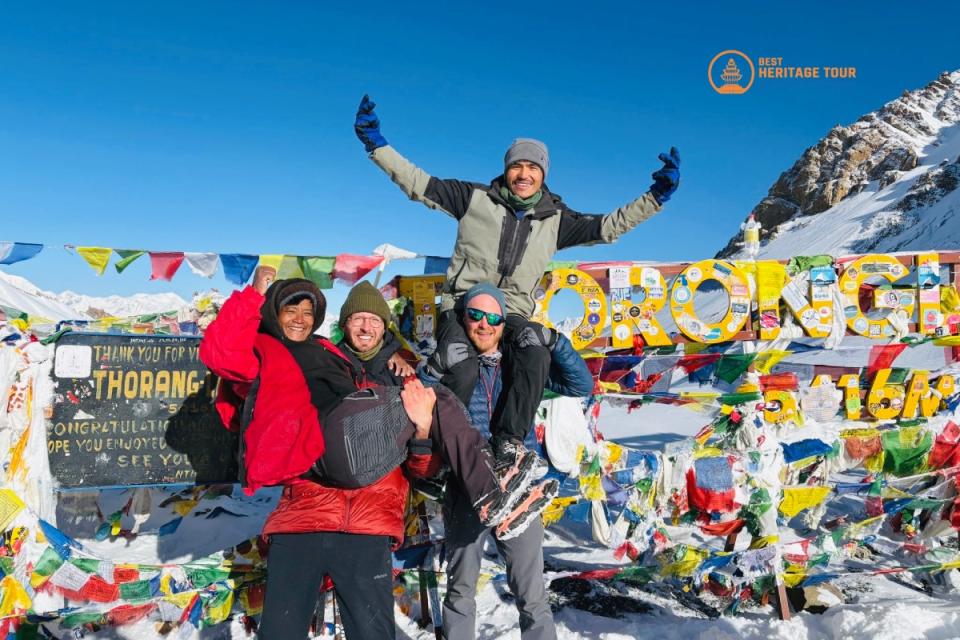
Congratulations! If you’re reading this, you’ve likely just conquered the Thorong La Pass, navigated the mystical landscapes of Manang, and perhaps even shared a celebratory apple brandy in Marpha.
The Annapurna Circuit isn't just a trek; it’s a physical and spiritual odyssey. But as you descend from the high-altitude silence into the vibrant bustle of Pokhara or Kathmandu, you might notice something: your body and mind are in a state of quiet shock. The adrenaline is fading, and in its place, your knees are throbbing, your energy is flagging, and your brain feels a bit like it’s still caught in a Himalayan cloud.
Knowing how to recover after the Annapurna Circuit Trek is just as important as the preparation you did before flying into Nepal. Proper recovery ensures that your "Himalayan High" lasts a lifetime, rather than being overshadowed by lingering fatigue or injury.
In this comprehensive guide, we’ll walk you through the professional steps to physical, nutritional, and mental restoration.
1. The Immediate Transition: The "Cool Down" Phase
Many trekkers make the mistake of stopping abruptly. After weeks of walking 6-8 hours a day, going to "zero" activity can actually lead to muscle stagnation and increased stiffness.
Gentle Movement is Key
When you arrive in Pokhara, resist the urge to stay in bed for 24 hours straight. Your muscles have accumulated significant lactic acid. Active recovery - which involves low-intensity movement - helps flush these toxins out.
-
The "Pokhara Stroll": Take a slow, flat walk around Phewa Lake. Avoid inclines.
-
Circulation: Gentle movement keeps the blood flowing to your damaged muscle tissues, delivering the oxygen and nutrients needed for repair.
Elevation Adjustment
You’ve spent days above 3,000m. Even though you’ve descended, your body is still recalibrating its red blood cell count and oxygen processing. If you feel slightly lightheaded or unusually tired in the first 48 hours, don't panic. It is simply your "internal barometer" adjusting to the thick, oxygen-rich air of the lowlands.
2. Nutritional Restoration: Refueling the Engine
On the trail, you likely lived on Dal Bhat, garlic soup, and energy bars. While these are great for fuel, your body is now screaming for specific micronutrients to repair the "wear and tear."
Prioritize Protein for Muscle Repair
Trekking at high altitudes often leads to a phenomenon called muscle wasting, where the body consumes its own muscle tissue for energy. To fix this:
-
Lean Proteins: Now is the time for eggs, grilled chicken, or tofu.
-
The 30-Minute Window: If you’re still doing light walks, try to consume 20-30g of protein within an hour of activity to jumpstart muscle protein synthesis.
Replace the "Micro" Essentials
-
Iron: High-altitude trekking depletes iron stores as your body works overtime to produce red blood cells. Incorporate spinach, lentils, or even a good steak to bounce back from that post-trek lethargy.
-
Potassium and Magnesium: Essential for stopping those middle-of-the-night leg cramps. Bananas, nuts, and seeds are your best friends here.
The Hydration "Plus"
Water alone isn't enough. You’ve lost essential salts through sweat and heavy breathing in the dry mountain air.
-
Electrolytes: Add oral rehydration salts (ORS) to your water for the first two days post-trek.
-
Avoid Dehydrators: We know that "Thorong La Victory Beer" is tempting, but alcohol is a major dehydrator. Limit it for the first 48 hours until your urine is consistently clear.
3. Physical Therapy: Treating the "Trekking Body"
Your body has been a pack animal for weeks. It’s time to give it the "Heritage Treatment."
The Power of the Nepali Massage
Nepal, and specifically Pokhara, is world-famous for post-trek massages. But don't just walk into any shop. Look for Trekkers' Deep Tissue or Ayurvedic Massage.
-
Why? It breaks down knots in the IT band and calves that can lead to long-term knee pain if left untreated.
-
Hot Springs: If your route didn't include the natural hot springs at Tatopani, consider a sauna or steam bath in the city. The heat increases blood vessel dilation, speeding up the healing of micro-tears in your muscles.
Foot Care: The Unsung Heroes
Your feet have carried you over 160km (100+ miles).
-
Soak: An Epsom salt soak is a miracle worker for reducing inflammation.
-
Blister Care: If you have lingering blisters, keep them clean and dry. Avoid "operating" on them yourself in a dusty environment; seek a clinic if you see signs of infection (redness spreading or pus).
4. Mental and Emotional Rejuvenation: The "Post-Trek Blues"
Many trekkers experience a "crash" after the Circuit. One day you are standing on top of the world, and the next, you are staring at a menu in a cafe, feeling strangely empty. This is the Post-Trek Blue period.
The "Dopamine Drop"
The constant achievement of reaching the next village provides a steady stream of dopamine. When the goal is gone, the "drop" can feel like sadness or irritability.
-
Reflection: Spend a morning journaling. Write down the hardest moment and the most beautiful moment. Processing these memories helps transition the experience from "survival mode" to "cherished memory."
-
Digital Detox Extension: Don't rush back to social media immediately. Spend a few days in "airplane mode" even if you have Wi-Fi. Let your brain stay in the mountains a little longer.
Yoga and Meditation
As a heritage-focused company, we highly recommend a 2-day yoga retreat in the hills of Pokhara or near the monasteries of Kathmandu. The stretching (Asanas) helps the body, but the breathing (Pranayama) helps settle the nervous system which has been in "high-alert" mode during the trek.
5. Logistics of Recovery: What to Do in Nepal Post-Trek
If you have a few days left on your visa, don't rush to the airport. Use Nepal’s diverse geography to your advantage.
Pokhara vs. Kathmandu
-
Pokhara (The Relaxing Hub): This is the "Trekker’s Paradise." The air is cleaner, the vibe is slower, and the lakeside cafes are designed for lounging. It is the best place for physical recovery.
-
Kathmandu (The Cultural Deep-Dive): If you are feeling more energized, head to the Kathmandu Valley. Visiting the UNESCO World Heritage sites like Pashupatinath or Bhaktapur Durbar Square offers a different kind of "mental recovery" through cultural immersion.
A Gentle Transition Home
When you finally board your flight, remember:
-
Compression Socks: Your legs are prone to swelling (edema) after a long trek, especially during long-haul flights.
-
Ease into the Gym: Do not return to your high-intensity CrossFit or marathon training for at least two weeks. Your joints need time to regain their "lubrication" and structural integrity.
6. The Long-Term Perspective: Integration
The Annapurna Circuit changes you. You might find you have less patience for "office drama" or a newfound appreciation for simple things like hot water and fresh fruit.
Best Heritage Tour believes that the trek doesn't end when you take off your boots; it ends when you’ve successfully integrated the lessons of the trail into your daily life.
Summary Checklist for Recovery:
|
Timeline |
Focus Area |
Action Step |
|---|---|---|
|
Days 1-2 |
Hydration & Inflammation |
Drink ORS; Epsom salt foot soaks; gentle walking. |
|
Days 3-5 |
Muscle Repair |
Deep tissue massage; high protein intake; extra sleep. |
|
Days 6-10 |
Mental Integration |
Journaling; yoga; visiting cultural heritage sites. |
|
Weeks 2+ |
Return to Routine |
Gradual return to exercise; focus on flexibility. |
Conclusion
Recovering after the Annapurna Circuit is a slow, beautiful process of honoring the body that just performed a miracle. You’ve walked through the rain shadows of the Himalayas and stood eye-to-eye with some of the highest peaks on Earth. Take this time to be kind to yourself.
At Best Heritage Tour, we don't just want to help you reach the pass; we want to ensure you return home feeling stronger, wiser, and fully rejuvenated. Nepal will always be here, and the mountains will always call you back - but for now, rest, eat, and breathe in the accomplishment.
Author: Best Heritage Tour
Date: 6th February, 2026