For most people, the name "Rainbow Valley" evokes images of colorful meadows, vibrant flora, or perhaps a mystical Himalayan glade. However, in the world of high-altitude mountaineering, Rainbow Valley Mount Everest refers to something far more somber. It is a place where the vibrant colors of high-performance down suits mark the final resting places of those who dared to summit the world's highest peak but never returned.
At Best Heritage Tour, we are often asked by curious travelers about the darker mysteries of Everest. Understanding Rainbow Valley is essential for anyone looking to comprehend the true stakes of "The Mother Goddess of the World" (Sagarmatha).
1. Defining the Location: Where is Rainbow Valley?
To understand what Rainbow Valley Mount Everest is, one must first understand the geography of the "Death Zone."
Rainbow Valley is situated at an elevation of approximately 8,000 meters (26,000 feet) and above. It is located on the North Face of Mount Everest (the Tibetan side), just below the final summit ridge. Specifically, it is a steep section of the mountain where many climbers have succumbed to exhaustion, frostbite, or oxygen deprivation over the decades.
Why is it called "Rainbow Valley"?
The name is a macabre irony. At this altitude, the extreme cold and lack of oxygen prevent bodies from decomposing. The "colors" of the valley do not come from nature; they come from the bright, synthetic gear - red, blue, orange, and neon green jackets and boots - worn by fallen climbers. Because it is nearly impossible to retrieve bodies from such heights, these individuals remain exactly where they fell, their colorful gear standing out vividly against the monochromatic white snow and grey rock.
2. The Science of the "Death Zone" (8,000m+)
At Best Heritage Tour, we emphasize safety above all else. To understand why Rainbow Valley exists, you must understand what happens to the human body at 8,000 meters.
Atmospheric Pressure and Oxygen
At the level of Rainbow Valley, the atmospheric pressure is only about one-third of what it is at sea level. This means that for every breath you take, you are receiving only 30% of the oxygen your body is used to.
Biological Shutdown
When the body is deprived of oxygen for extended periods, several things happen:
-
HACE (High Altitude Cerebral Edema): The brain begins to swell with fluid, leading to confusion, loss of coordination, and hallucinations.
-
HAPE (High Altitude Pulmonary Edema): The lungs fill with fluid, making it feel as though the climber is drowning on dry land.
-
Hypothermia: At temperatures that frequently drop below -40°C, the body’s core temperature plummets, leading to organ failure.
In Rainbow Valley, many climbers simply sat down to rest and, due to the physiological effects of the Death Zone, never found the strength to stand back up.
3. The Famous Landmarks of Rainbow Valley
Over the years, certain fallen climbers in this region became "landmarks" for other mountaineers. While many have since been moved or covered by snow, their stories remain a part of the mountain's lore.
"Green Boots"
Perhaps the most famous resident of the North Side (near Rainbow Valley) was "Green Boots." Believed to be Indian climber Tsewang Paljor, who perished in the 1996 Everest disaster, his body rested in a limestone cave at 8,500 meters for nearly two decades. His bright green Koflach boots became a grim distance marker for every climber heading toward the summit from the north.
"The Sleeping Beauty"
Francys Arsentiev, the first American woman to reach the Everest summit without bottled oxygen, became known as "The Sleeping Beauty." After a series of tragic events during her descent in 1998, she was left on the mountainside. Her presence in the "Rainbow" area haunted climbers for years until an expedition in 2007 finally moved her body to a lower, less visible location.
4. The Ethics of Body Recovery: Why Aren't They Brought Home?
A common question we receive at Best Heritage Tour is: "Why can't helicopters just pick them up?" The reality of high-altitude physics makes recovery nearly impossible for several reasons:
-
Weight: A frozen body can weigh over 100kg (220 lbs). At 8,000 meters, even carrying a small backpack is an Olympian feat. Moving a frozen body requires a team of 6 to 10 Sherpas, all of whom would be risking their lives.
-
Helicopter Limits: Standard helicopters cannot fly at 8,000 meters. The air is too thin for the rotors to generate lift. While specialized "long-line" rescues have occurred, they are incredibly dangerous and weather-dependent.
-
Cost: A body recovery mission from the Death Zone can cost upwards of $70,000 to $100,000 and carries a high probability of further fatalities.
Consequently, many families choose to let their loved ones remain on the mountain, seeing it as a "burial at sea" in the highest place on Earth.
5. The Psychological Toll on Climbers
Passing through Rainbow Valley Mount Everest is a psychological gauntlet. Imagine being at the limit of your physical endurance, gasping for every breath, and having to step over or walk past the bodies of those who shared your dream.
This reality forces a "survivalist" mindset. Mountaineers must often make the impossible choice to keep moving to save themselves rather than attempting to help someone who is already past the point of no return. This is the "moral gray area" of Everest that we discuss with our clients during trek briefings - the mountain demands a level of respect and preparation that is absolute.
6. Modern Management: Cleaning the Mountain
In recent years, the Nepal Mountaineering Association and the Chinese authorities have made efforts to "clean up" the high-altitude sections.
Moving Bodies
Many bodies that were once prominent landmarks in Rainbow Valley have been respectfully moved into crevasses or behind rocks to protect the dignity of the deceased and to lessen the psychological impact on passing climbers.
Waste Management
"Rainbow Valley" is also, unfortunately, a site for discarded oxygen bottles and torn tents. Modern expeditions are now under much stricter regulations to bring back everything they take up, ensuring that the only "colors" left on the mountain are the natural hues of the rock and sky.
7. How to See Everest Safely with Best Heritage Tour
While Rainbow Valley is a place reserved for the most elite (and often tragic) mountaineers, you can experience the awe of Everest without entering the Death Zone.
The Everest Base Camp (EBC) Trek
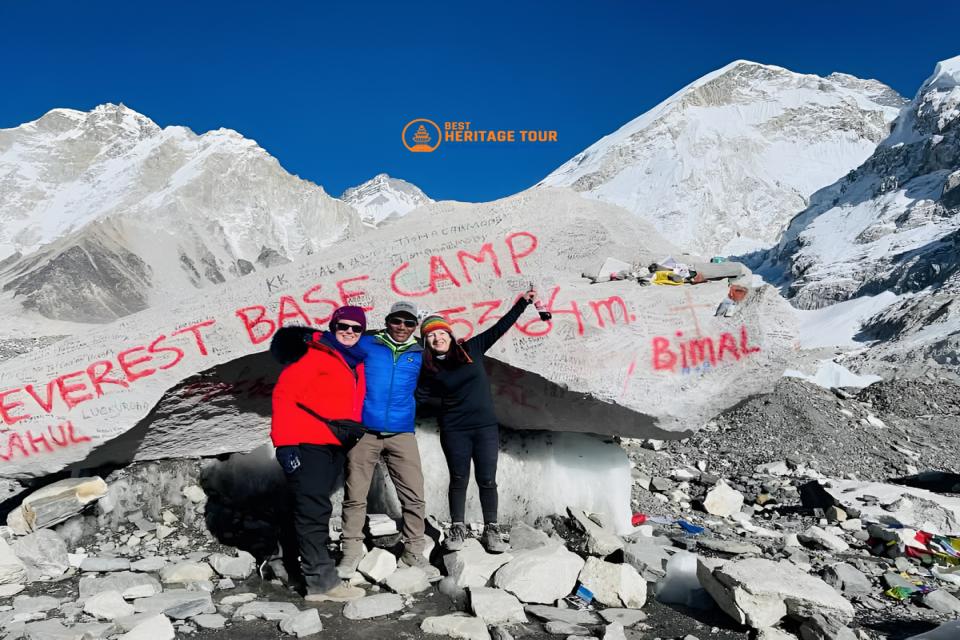
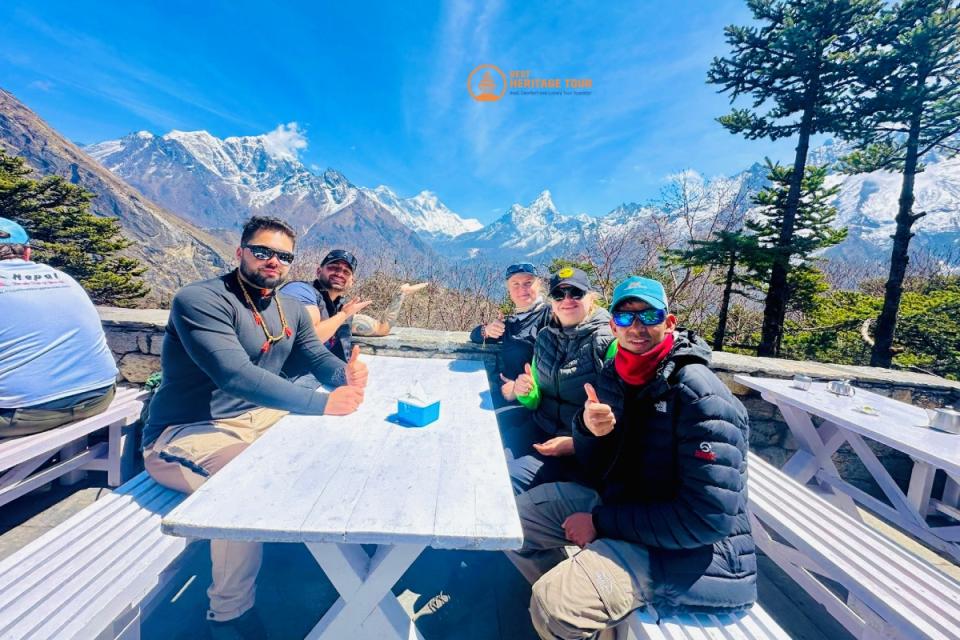
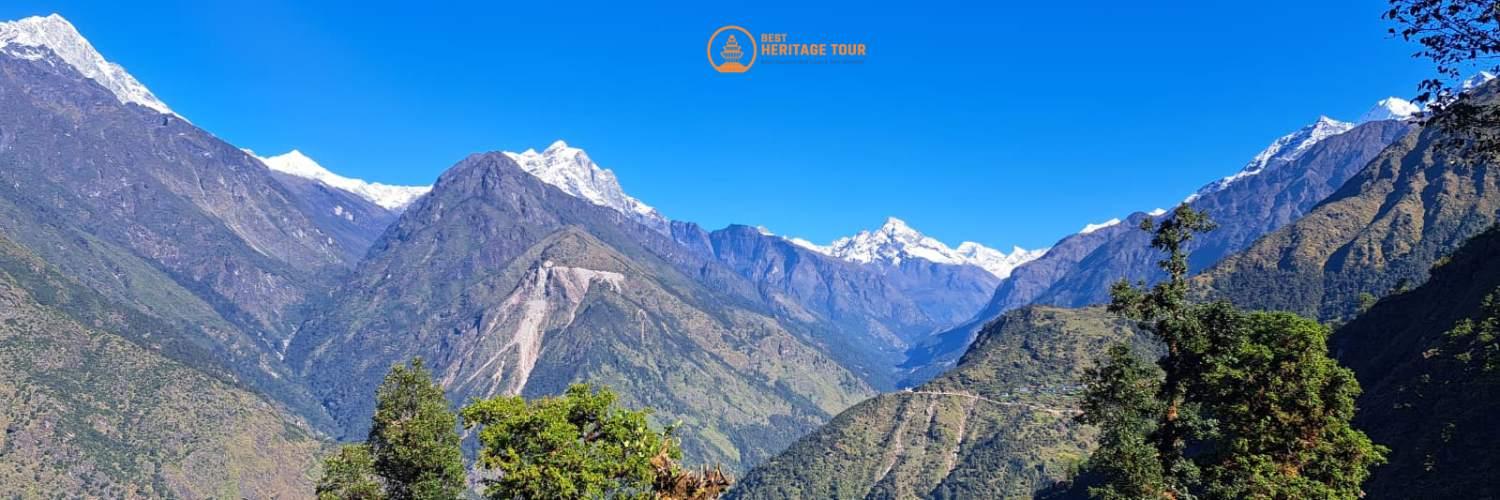
The EBC trek takes you to an altitude of 5,364 meters. Here, you are safely below the Death Zone, surrounded by the world's most incredible peaks. You can see the Khumbu Icefall and the summit of Everest from viewpoints like Kala Patthar.
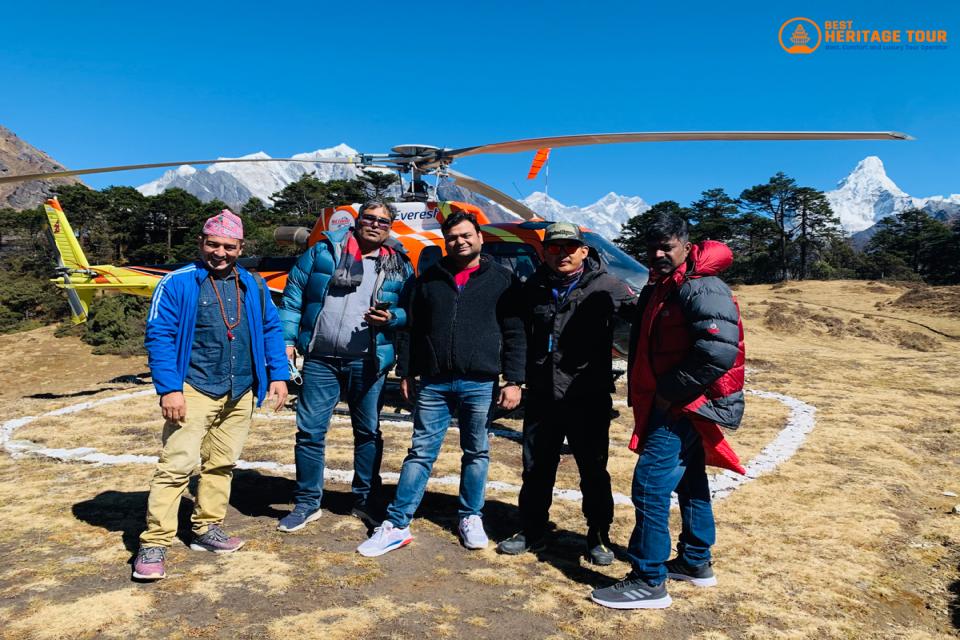
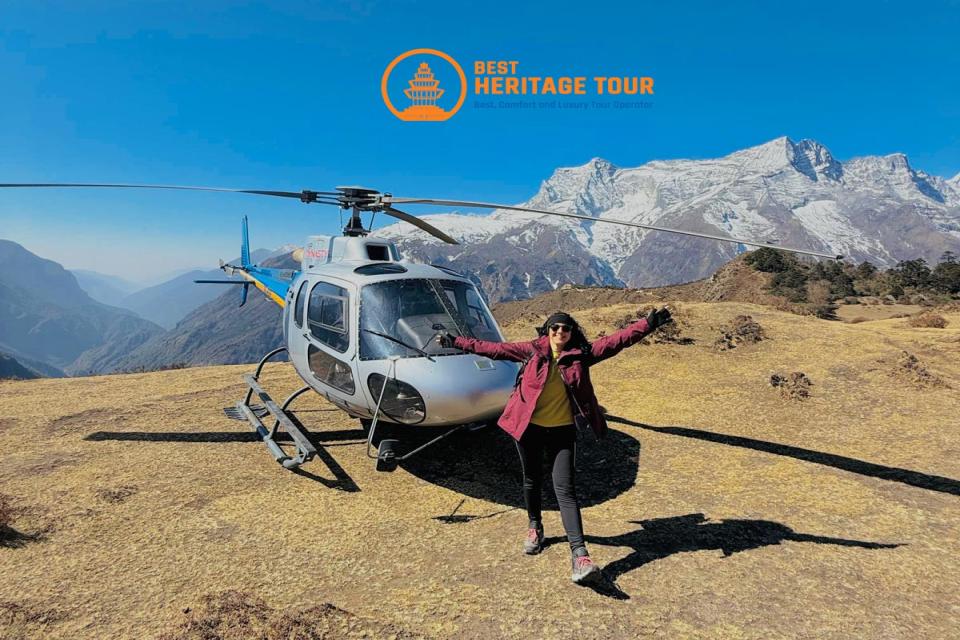
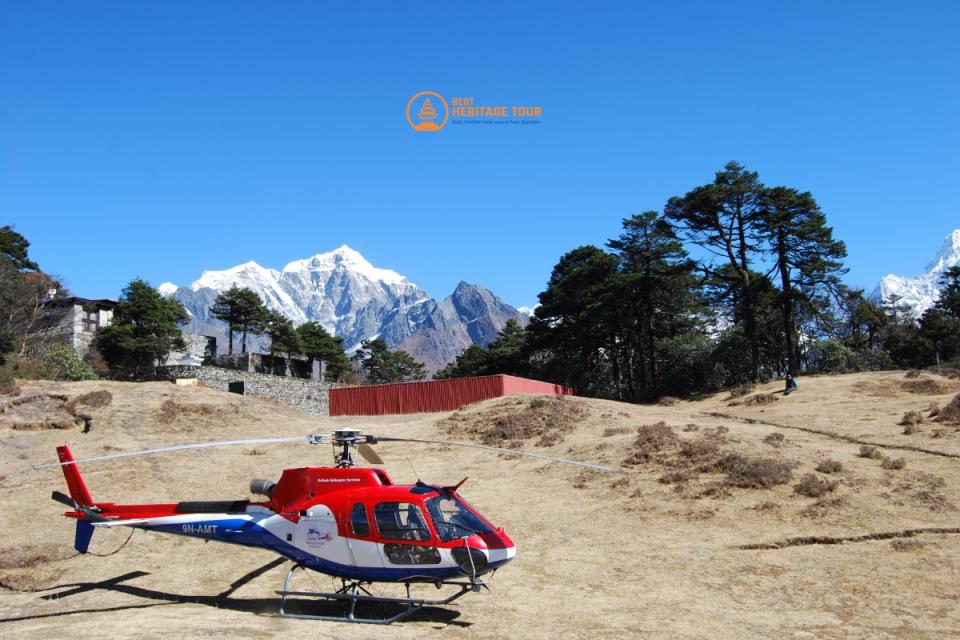
For those who want to see the "Rainbow" regions from a distance without the physical toll, our luxury helicopter tours provide a bird's-eye view of the entire massif. You can see the scale of the mountain and understand the geography that creates such a treacherous environment.
8. Lessons from the Valley: Preparation is Everything
The existence of Rainbow Valley serves as a permanent reminder that the Himalayas are not a playground. They are a powerful natural force. At Best Heritage Tour, we use the stories of Everest to educate our travelers on:
-
Acclimatization: Why rushing your trek is the biggest mistake you can make.
-
Physical Fitness: Preparing your heart and lungs for the thin air.
-
Expert Guidance: Why having a local Sherpa guide who knows the mountain's moods is the difference between a successful trip and a disaster.
9. The Spiritual Side of the Mountain
In the local Sherpa culture, Mount Everest is Chomolungma, the "Goddess Mother of the World." Before any expedition begins, a Puja ceremony is held to ask the goddess for permission to step on her slopes.
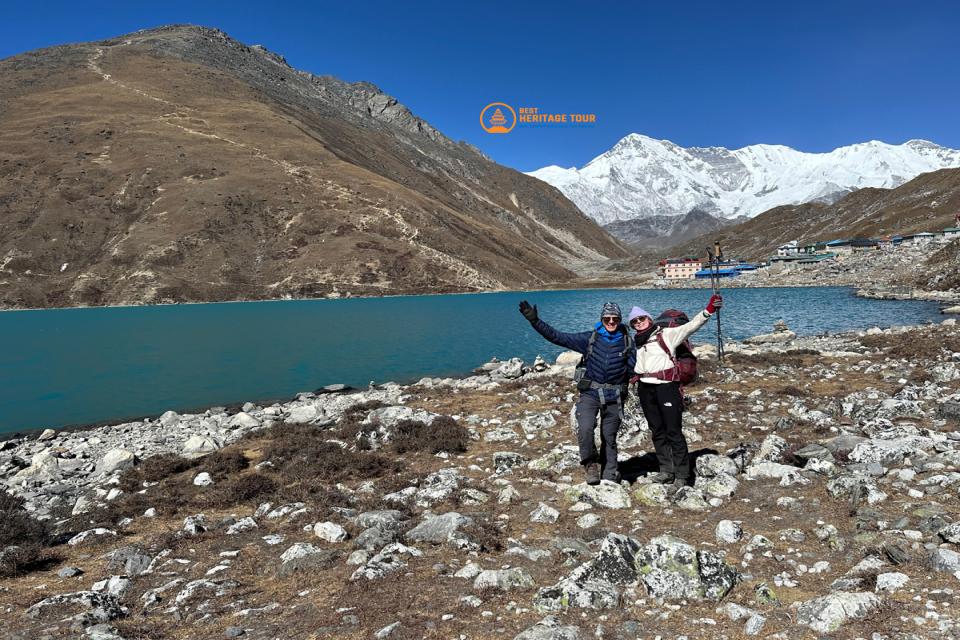
The fallen in Rainbow Valley are often viewed with a sense of spiritual reverence. They have become part of the mountain itself. When we lead tours through the Solu-Khumbu region, we make sure our guests understand this spiritual connection, ensuring that every step taken on the trail is one of respect.
Conclusion: Honoring the Spirit of Adventure
What is Rainbow Valley Mount Everest? It is a place of contrast. It represents the pinnacle of human ambition and the absolute limit of human biology. It is a graveyard, a landmark, and a cautionary tale all in one.
At Best Heritage Tour, we believe that knowing these stories makes your journey through Nepal more meaningful. It humbles us, reminds us of our mortality, and increases our wonder at the sheer scale of the Himalayas. Whether you are trekking to Base Camp or flying over the peaks, we are here to ensure your experience is safe, respectful, and unforgettable.
Experience the Himalayas with Best Heritage Tour
Ready to see the roof of the world for yourself? Whether you want to trek the historic trails of the Everest region or explore the cultural heritage of Kathmandu, we are your trusted local experts.
Contact Us Today:
Phone / WhatsApp / Viber: +977-9851149197 / +977-9810043046
Email: info@bestheritagetour.com / bestheritagetour@gmail.com
Website: www.bestheritagetour.com
Office: Thamel Marg, Kathmandu, Nepal
Author: Best Heritage Tour
Date: 25th December, 2025