For many, the trek to Everest Base Camp (EBC) is a "bucket list" item, a physical challenge, or a chance to see the world’s highest peak with their own eyes. But as we at Best Heritage Tour have witnessed over decades of guiding soul-searchers through the Khumbu Valley, the true journey doesn't happen on the trail. It happens between the ears and within the heart.
Why is it that people return from the Himalayas claiming they are "not the same person" who left? Why do successful CEOs, tired parents, and young adventurers all find a common sense of clarity at 5,364 meters?
To understand the EBC trek, we must look beyond the crampons and down jackets. We must explore the psychology of high-altitude trekking.
The Power of "Awe" and the Overview Effect
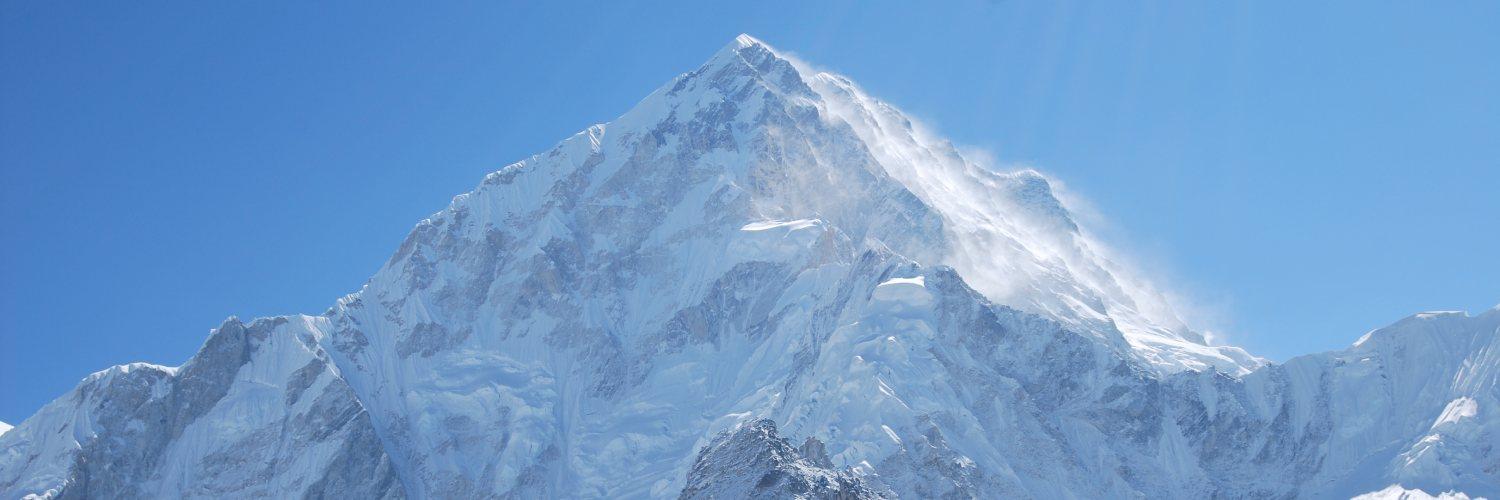
In psychology, "Awe" is defined as the feeling we get in the presence of something vast that challenges our understanding of the world. On the EBC trek, you are surrounded by giants. Standing at the foot of Ama Dablam or watching the sunset over Nuptse triggers a profound shift in perspective.
-
Shrinking the Ego: When you stand amidst peaks that have existed for millions of years, your daily "metropolitan" problems - deadlines, social media metrics, or minor stressors - suddenly feel microscopic.
-
The Overview Effect: Usually reserved for astronauts looking at Earth from space, trekkers experience a version of this. Looking down at the winding Dudh Koshi River from a high ridge provides a cognitive shift in how we perceive our place in the ecosystem.
Voluntary Hardship: Building Mental Resilience
In a world of instant gratification and climate-controlled offices, the EBC trek is an anomaly. It is cold. The air is thin. The hills are relentless.
Psychologically, this is known as "Voluntary Hardship." By choosing to endure discomfort, trekkers engage in a form of modern Stoicism.
-
The "One Step" Philosophy: When you are exhausted and the oxygen is low, you cannot think about the next three days. You can only think about the next step. This forces a state of extreme mindfulness that many spend years trying to achieve through meditation.
-
Neuroplasticity in Action: Overcoming the "wall" near Lobuche builds a permanent psychological pathway. Once you’ve hiked through a Himalayan snowstorm, that "difficult" board meeting back home doesn't seem so daunting.
The Digital Detox and the "Default Mode Network"
Our brains are currently over-stimulated. The constant "ping" of notifications keeps our brains in a state of high-beta brainwave activity.
On the trek to EBC, Wi-Fi is sparse and expensive. As you disconnect from the digital world, your brain's Default Mode Network (DMN) - associated with self-reflection and creativity - begins to hum.
-
Deep Thinking: Without the distraction of the internet, trekkers report "breakthrough" thoughts about their careers, relationships, and life goals.
-
Presence: You begin to notice the smell of juniper incense, the sound of yak bells, and the intricate patterns of Mani stones. You aren't just on a tour; you are in the moment.
The Social Psychology of the "Trekker’s Bond"
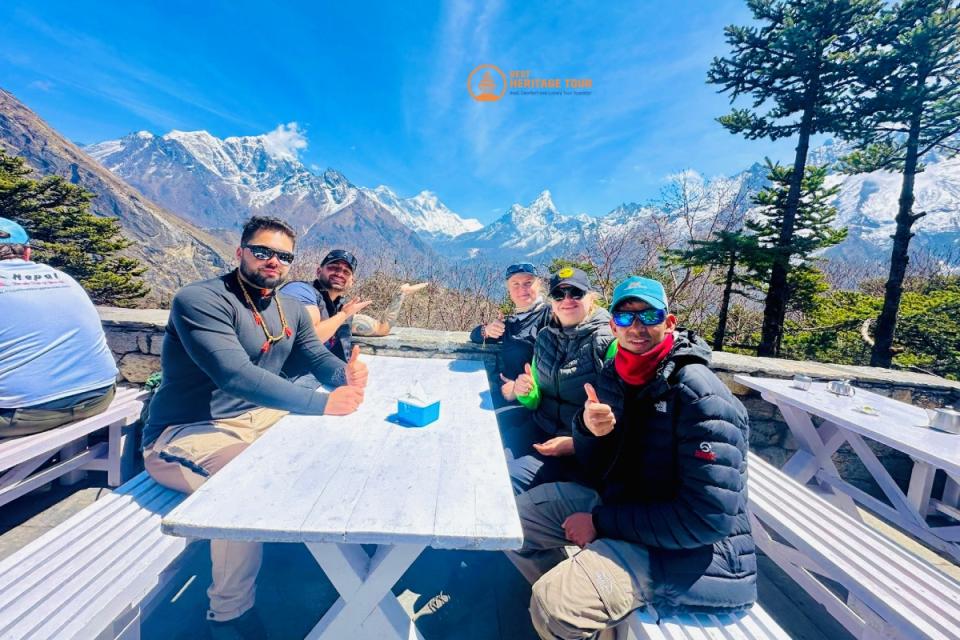
There is a unique social phenomenon that happens in the teahouses of Namche Bazaar and Dingboche. In the "real world," we often judge people by their titles or attire. In the Himalayas, everyone is wearing the same dusty boots and breathing the same thin air.
-
Vulnerability as a Bridge: When you are struggling with altitude or fatigue, you become vulnerable. Sharing that vulnerability with strangers creates a "liminal" bond that is often stronger than friendships made over years in the city.
-
Cultural Immersion with the Sherpa People: Engaging with the local Sherpa culture adds a layer of social intelligence. Witnessing their resilience, hospitality, and spiritual connection to the mountains (Sagarmatha) humbles the Western traveler.
Navigating the "Limal Space"
The EBC trek is what anthropologists call a liminal experience - the "in-between" state. You have left your old life behind, but you haven't yet reached the goal.
|
Phase of the Trek |
Psychological State |
Key Lesson |
|---|---|---|
|
Lukla to Namche |
Anticipation & Anxiety |
Learning to trust your preparation. |
|
The Acclimatization Days |
Patience & Stillness |
Understanding that progress requires rest. |
|
The Final Push (Gorak Shep) |
Grit & Survival |
Discovering your absolute physical limit. |
|
The Descent |
Integration |
Processing the lessons learned. |
The Altitude and the Altered State
Let’s be honest: Oxygen deprivation plays a role in the psychology of the trek. At Base Camp, you are breathing about 50% of the oxygen available at sea level. This physiological stress can lead to:
-
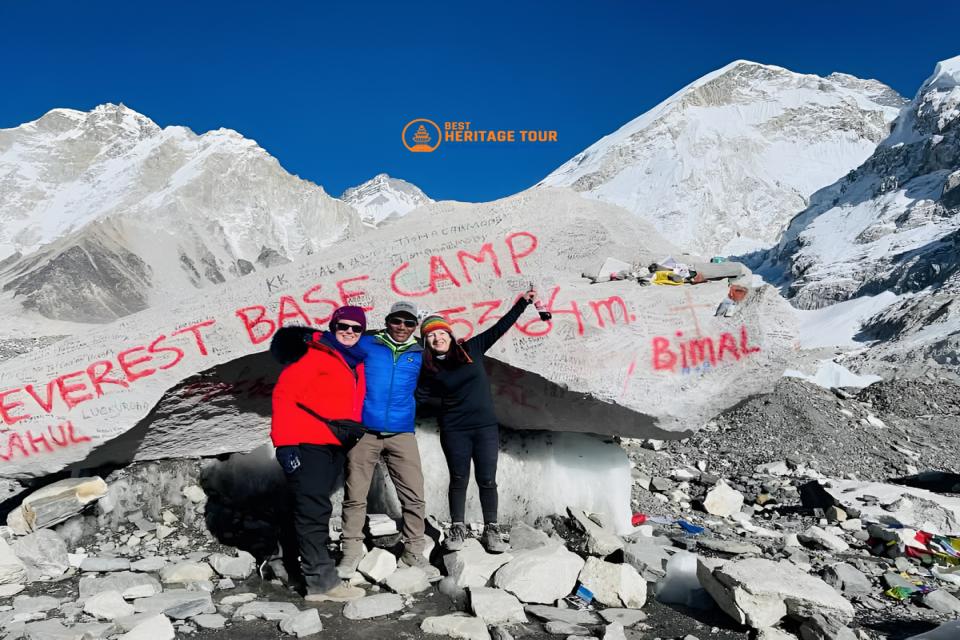
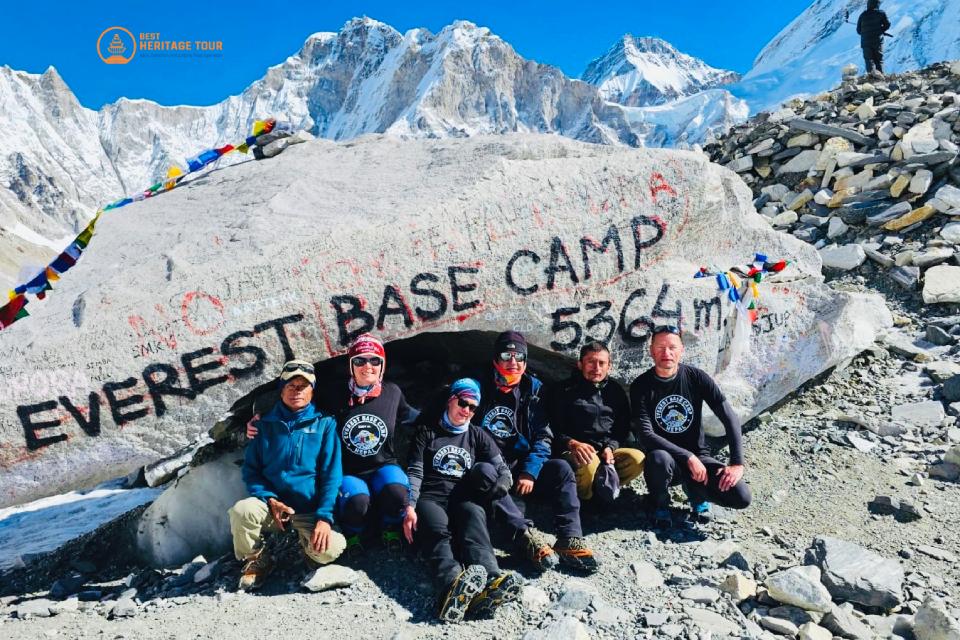
Heightened Emotions: It’s common for trekkers to weep with joy upon reaching the prayer-flag-strewn rock of Base Camp.
-
Clarity through Scarcity: When oxygen is scarce, the brain prioritizes essential thoughts. The "fluff" of life falls away, leaving you with the core truths of who you are.
The Return: Post-Trek Growth
The psychology of the trek doesn't end when you fly out of Lukla. Post-Traumatic Growth (PTG) - or more accurately, Post-Adventure Growth - is a real phenomenon.
Trekkers often return home and realize they need less "stuff" to be happy. They move slower. They breathe deeper. They realize that if they could conquer the Khumbu Cough and the climb to Kala Patthar, they can handle whatever life throws at them.
Conclusion
The Everest Base Camp trek is the ultimate laboratory for the human spirit. It strips you down to your essence and builds you back up, stronger and more self-aware. It is a journey that proves the old adage: "It is not the mountain we conquer, but ourselves."
Are you ready to see who you are at 5,000 meters? The mountains are calling, and your "new self" is waiting at the top.
Phone / WhatsApp / Viber: +977-9851149197 / +977-9810043046
Email: info@bestheritagetour.com / bestheritagetour@gmail.com
Website: www.bestheritagetour.com
Office: Thamel Marg, Kathmandu, Nepal
Author: Best Heritage Tour
Date: 3rd February, 2026