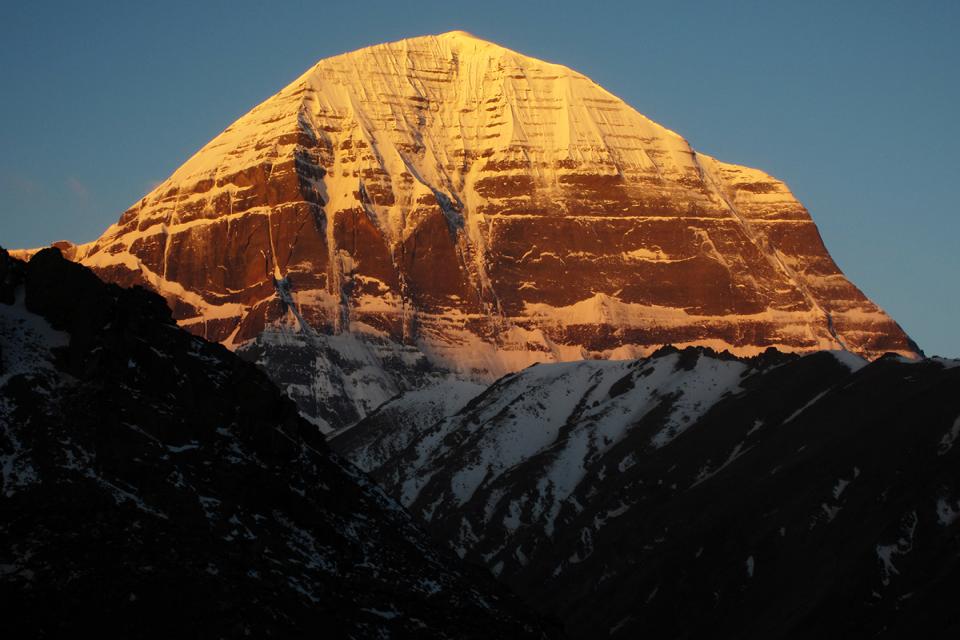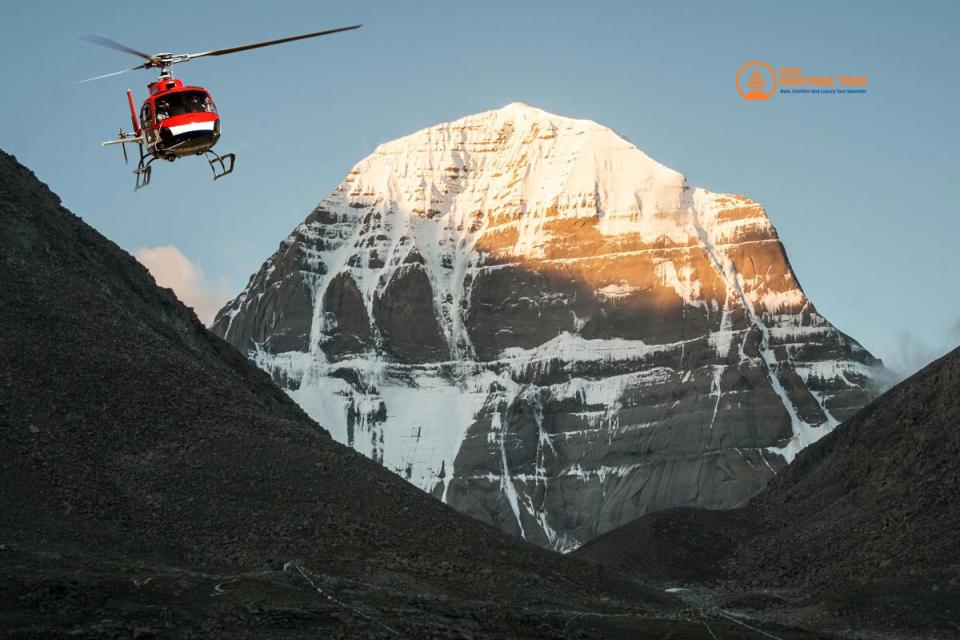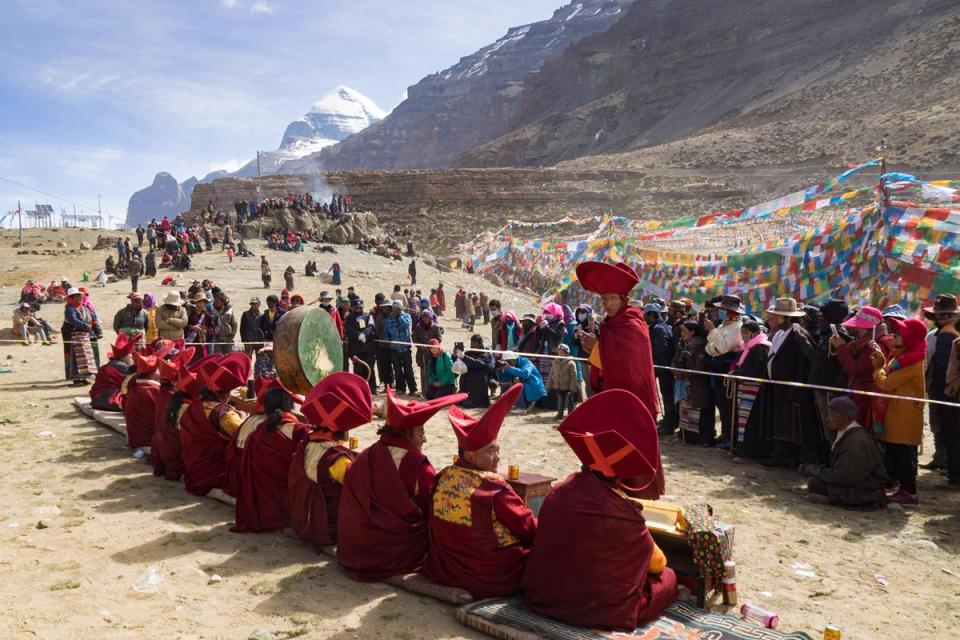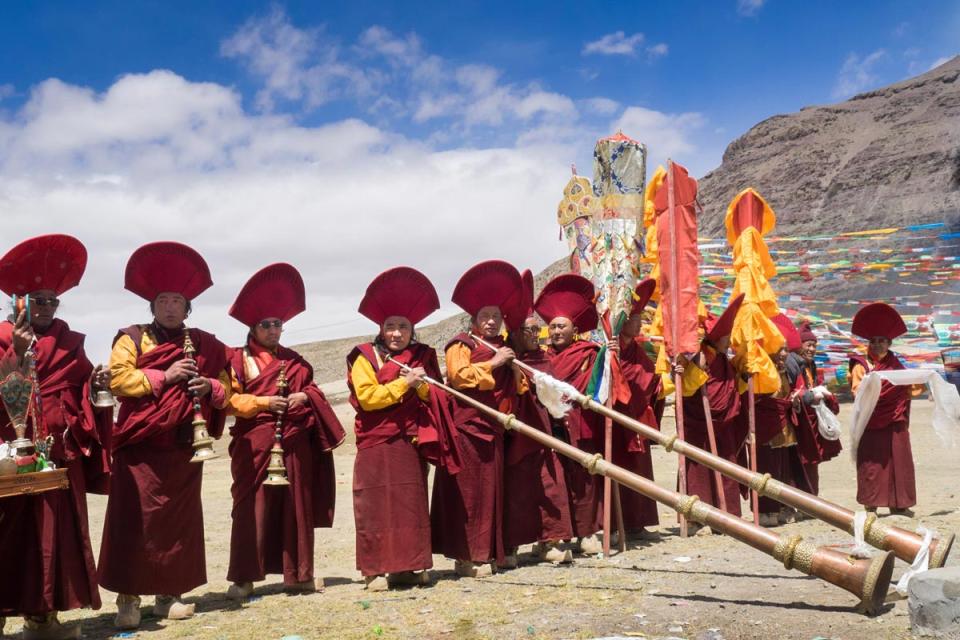
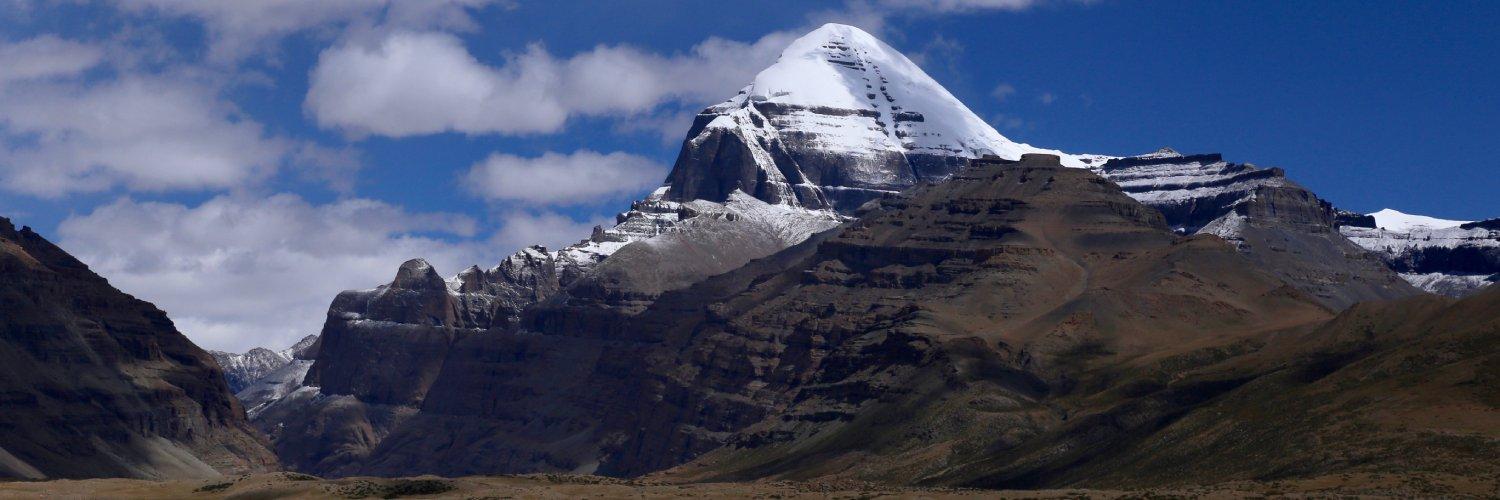
The Kailash Mansarovar Yatra is not merely a trek; it is a transformative pilgrimage that transcends the physical realm. For thousands of years, seekers, devotees, and adventurers have been drawn to the mystical allure of Mount Kailash - the spiritual center of the universe - and the serene, holy waters of Lake Mansarovar.
At Best Heritage Tour, we have guided countless pilgrims on this sacred journey. We know that while the call of Mahadev is spiritual, the path to His abode is physically demanding. Situated at an altitude of over 15,000 feet, with the Dolma La Pass reaching a staggering 18,471 feet (5,630m), the Yatra tests your endurance, lung capacity, and mental grit.
To help you complete your Parikrama (circumambulation) with grace and devotion, we have crafted this comprehensive guide on how to physically prepare for the Kailash Mansarovar Yatra.
Why Physical Preparation is Non-Negotiable?
The Tibetan Plateau is a "high-desert" environment. The air is thin, the oxygen levels are roughly 50% lower than at sea level, and the weather can flip from sun-drenched to a blizzard in minutes.
Physical fitness serves two purposes:
-
Safety: It minimizes the risk of Acute Mountain Sickness (AMS).
-
Devotion: When your body isn't struggling for every breath, your mind is free to focus on the spiritual significance of the Darshan.
1. Cardiovascular Endurance: Strengthening Your Heart and Lungs
Cardio is the foundation of your preparation. You need to train your heart to pump oxygen efficiently even when the air is sparse.
Recommended Training (Start 3-4 Months Before)
-
Brisk Walking & Jogging: Start with a 30-minute walk daily. Gradually increase this to 60 minutes of jogging or power-walking.
-
Stair Climbing: This is the best simulation for the steep ascents of the Dolma La Pass. Aim for 15-20 flights of stairs daily.
-
Cycling or Swimming: These are excellent low-impact ways to build lung capacity without straining your joints.
The Goal: You should be able to walk 10-12 km on flat ground without feeling exhausted before you depart for Kathmandu.
2. Strength Training: Building the "Trekker’s Legs"
During the 52 km Kora, your legs will carry not just your body weight, but also your daypack. Strengthening your lower body and core is essential to prevent muscle fatigue and injury.
Key Exercises
-
Squats and Lunges: These build the quadriceps and glutes, which act as your "brakes" during downhill descents.
-
Planks: A strong core helps you maintain balance on the rocky, uneven terrains of the Tibetan landscape.
-
Calf Raises: Your calves take the brunt of the pressure on steep inclines.
-
Back Exercises: Since you will be carrying a daypack with water and essentials, strengthen your upper and lower back with "Supermans" or light weightlifting.
3. Altitude Acclimatization and Breathing Techniques
You cannot "train" for low oxygen at sea level, but you can train your respiratory system to be more disciplined.
The Power of Pranayama
Incorporate Yoga and Pranayama into your morning routine. Techniques like Anulom Vilom (Alternate Nostril Breathing) and Bhastrika help increase your lung's vital capacity.
-
Practice Deep Diaphragmatic Breathing: Learn to breathe into your belly rather than shallow chest breaths. This is a lifesaver when you hit altitudes above 4,500m.
4. Flexibility and Mobility: Preventing Strains
Cold weather makes muscles stiff, increasing the risk of pulls and tears.
-
Daily Stretching: Focus on your hamstrings, hip flexors, and lower back.
-
Surya Namaskar: This ancient sequence is a complete body workout that improves both flexibility and strength.
5. The "Practice Hike" Strategy
One of the best ways to prepare is to "break in" your gear.
-
The Boot Rule: Never wear brand-new trekking boots on the Yatra. Wear them during your morning walks for at least a month to avoid blisters.
-
Weighted Walks: Once a week, go for a long walk (3-4 hours) while wearing your trekking shoes and carrying a 5-7 kg backpack. This prepares your shoulders and spine for the actual trek.
6. Nutrition and Dietary Preparation
What you put into your body months before the Yatra determines how it performs under stress.
|
Nutrient |
Why You Need It |
Food Sources |
|---|---|---|
|
Complex Carbs |
Sustained energy for long walks |
Oats, Brown Rice, Whole Wheat |
|
Proteins |
Muscle repair and recovery |
Dal (Lentils), Paneer, Sprouts, Soya |
|
Antioxidants |
Helps combat high-altitude stress |
Berries, Green Tea, Citrus Fruits |
|
Iron |
Improves oxygen carrying capacity |
Spinach, Beetroot, Jaggery |
Important Note: At least 2 months before the trip, avoid alcohol and smoking. These habits significantly reduce your blood’s ability to carry oxygen and increase the risk of AMS.
7. Medical Check-ups: The Safety Filter
The Kailash Mansarovar Yatra involves a significant health risk for those with underlying conditions. At Best Heritage Tour, we require a medical fitness certificate, but for your own peace of mind, ensure you check:
-
Blood Pressure & Heart Health (ECG)
-
Lung Function
-
Blood Sugar Levels
-
BMI (Body Mass Index): It is generally recommended to have a BMI below 27 for a smoother experience.
8. Mental Fortitude: The Spiritual Muscle
The Yatra is 60% mental and 40% physical. There will be moments when the wind is biting, the oxygen is low, and your legs feel like lead.
-
Meditation: Practice 10 minutes of silent meditation daily to build patience.
-
Positive Visualization: Visualize yourself standing on the banks of Lake Mansarovar, feeling the divine energy.
-
Chanting: Many pilgrims find that chanting "Om Namah Shivaya" provides a rhythmic breathing pattern that helps them keep a steady pace during the trek.
Essential Health Packing List
While we provide comprehensive support, carrying these "Physical Health Essentials" in your daypack is a must:
-
Hydration: A 2-liter insulated water bottle (hydration is the #1 defense against altitude sickness).
-
Electrolytes: ORS or Enerzal packets to maintain salt balance.
-
Sun Protection: High SPF sunscreen and UV-protected sunglasses (the Himalayan sun is harsh).
-
Trekking Poles: These reduce the impact on your knees by nearly 25%.
-
Personal First-Aid: Including Band-Aids for blisters and any prescribed altitude medication like Diamox (after consulting your doctor).
Conclusion: Preparation is the First Step of Your Pilgrimage
The journey to Mount Kailash is a rare blessing. By preparing your body, you are showing respect to the sacred land you are about to tread upon. Remember, the goal is not to "conquer" the mountain, but to surrender to the journey. When your body is fit, your soul can truly soar in the presence of the divine.
At Best Heritage Tour, we are committed to making your spiritual dream a reality. Our experienced Sherpas, high-quality medical support, and well-paced itineraries ensure that your physical preparation is matched by our expert care.
Are you ready to begin your transformation?
Phone / WhatsApp / Viber: +977-9851149197 / +977-9810043046
Email: info@bestheritagetour.com / bestheritagetour@gmail.com
Website: www.bestheritagetour.com
Office: Thamel Marg, Kathmandu, Nepal
Author: Best Heritage Tour
Date: 20th January, 2026