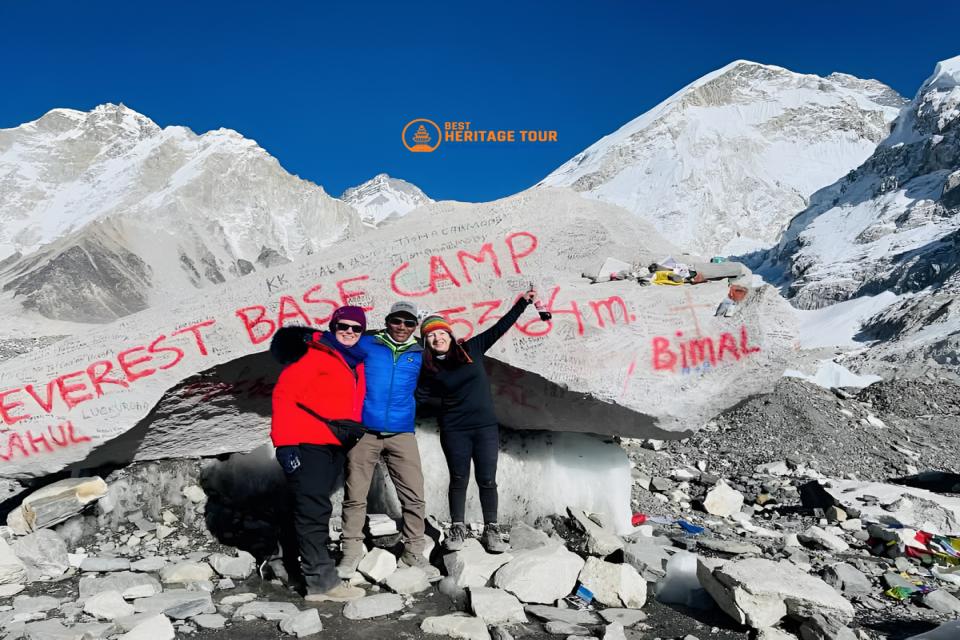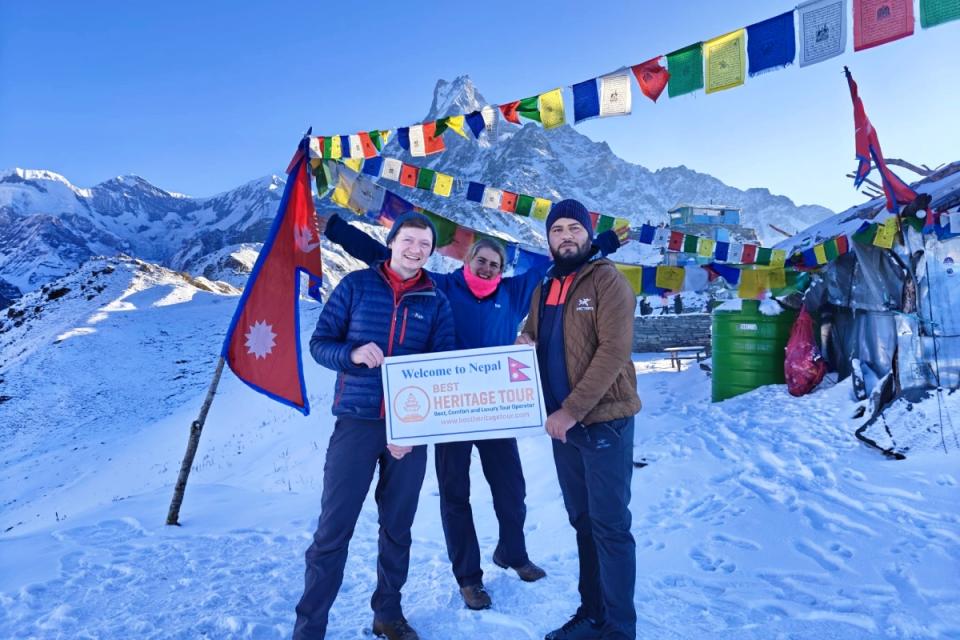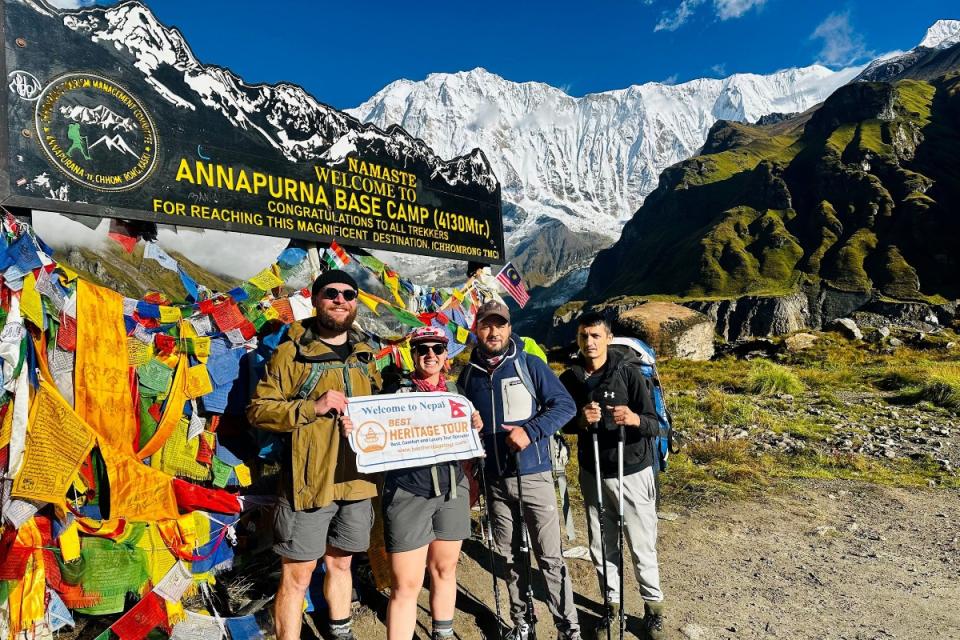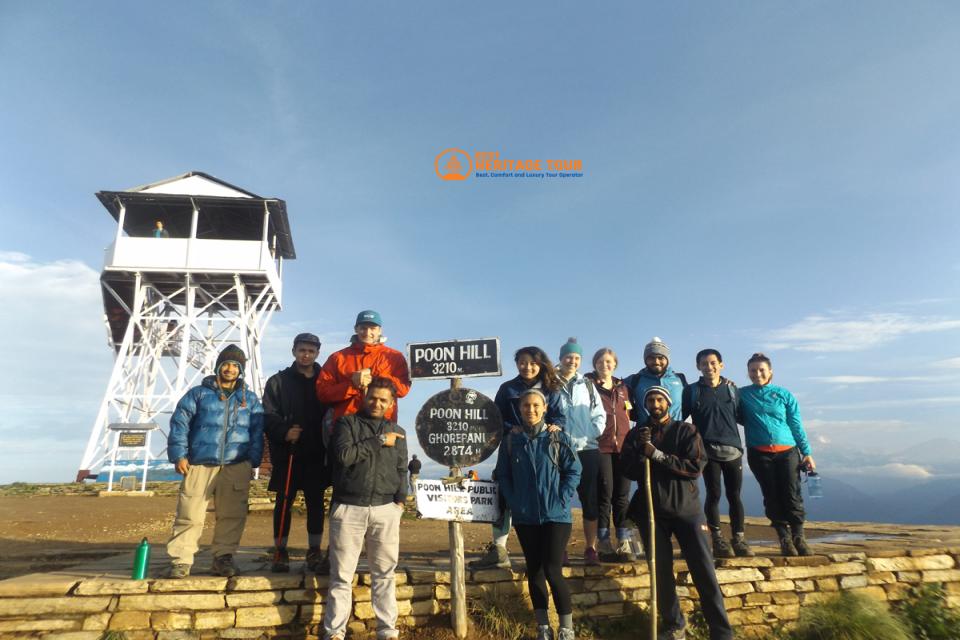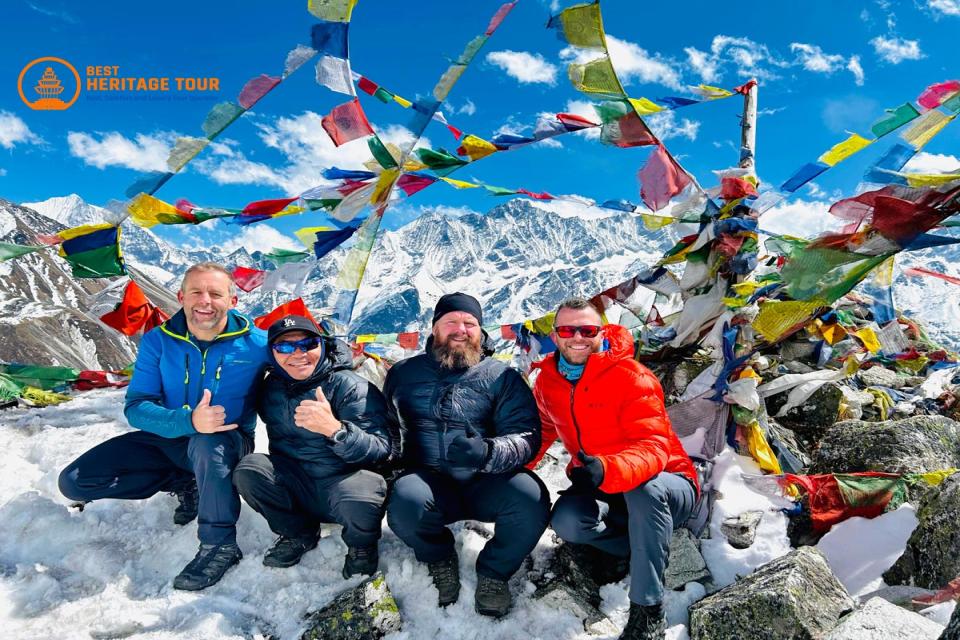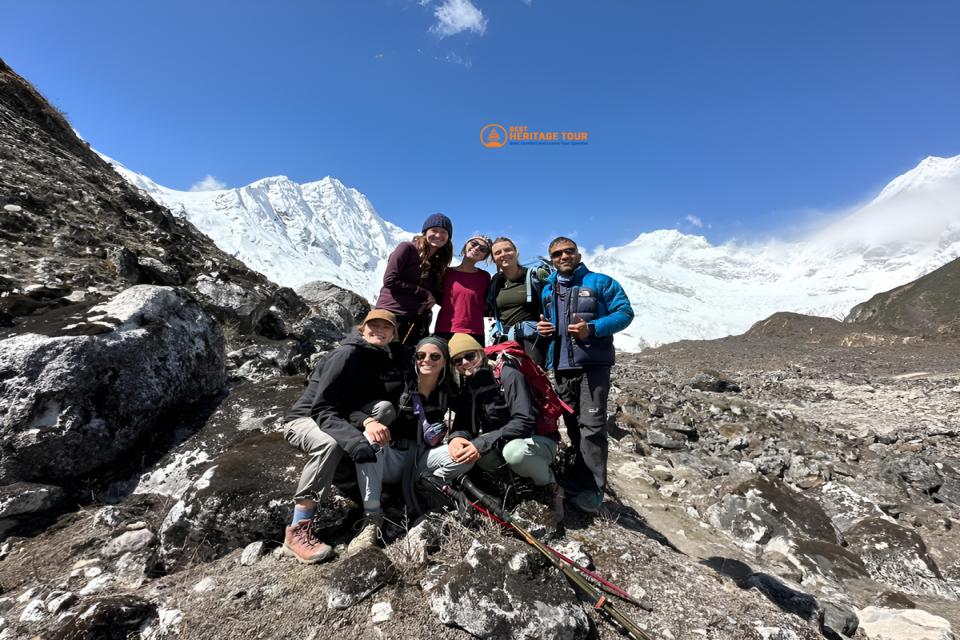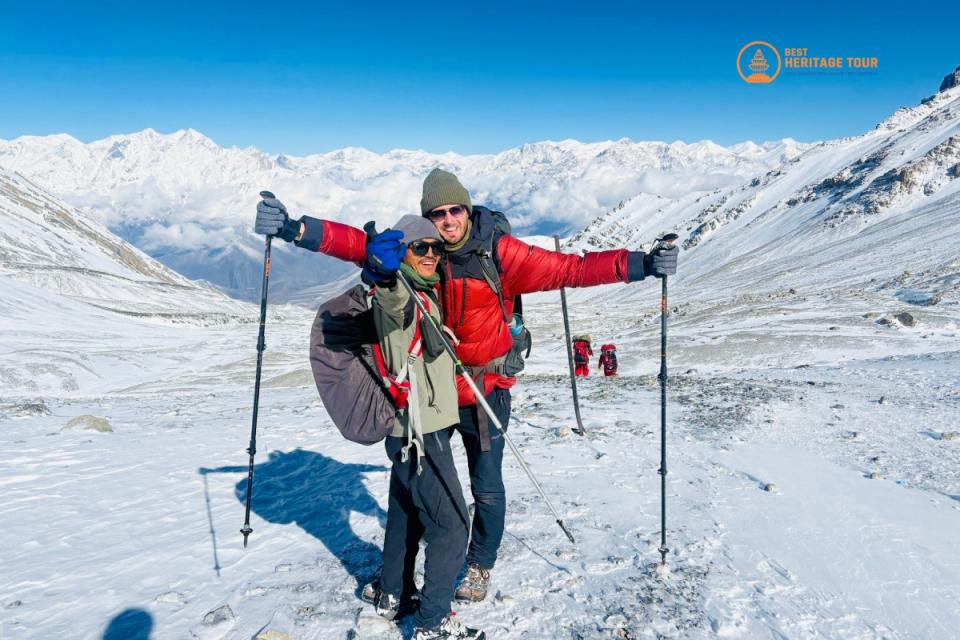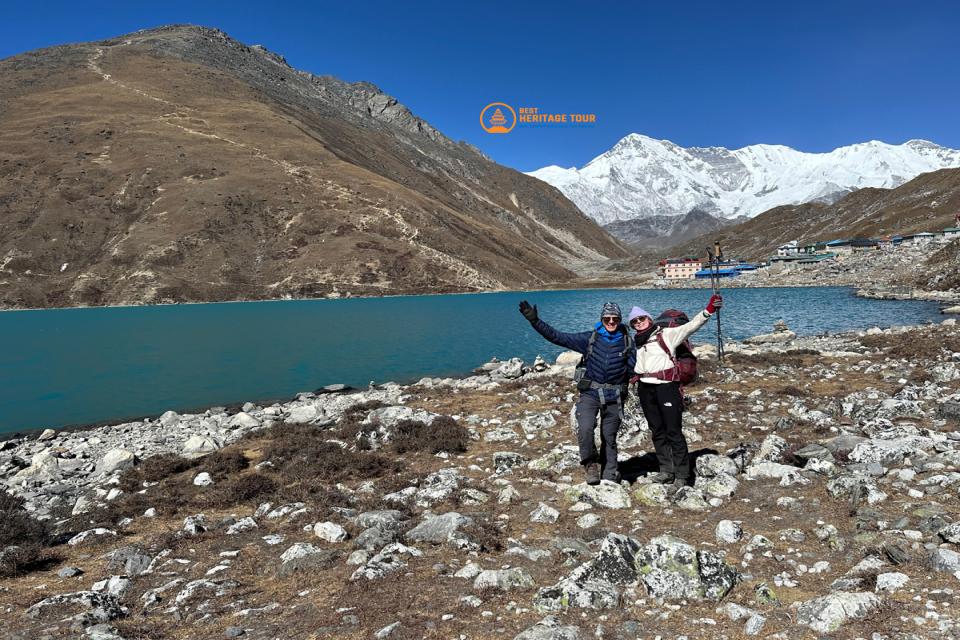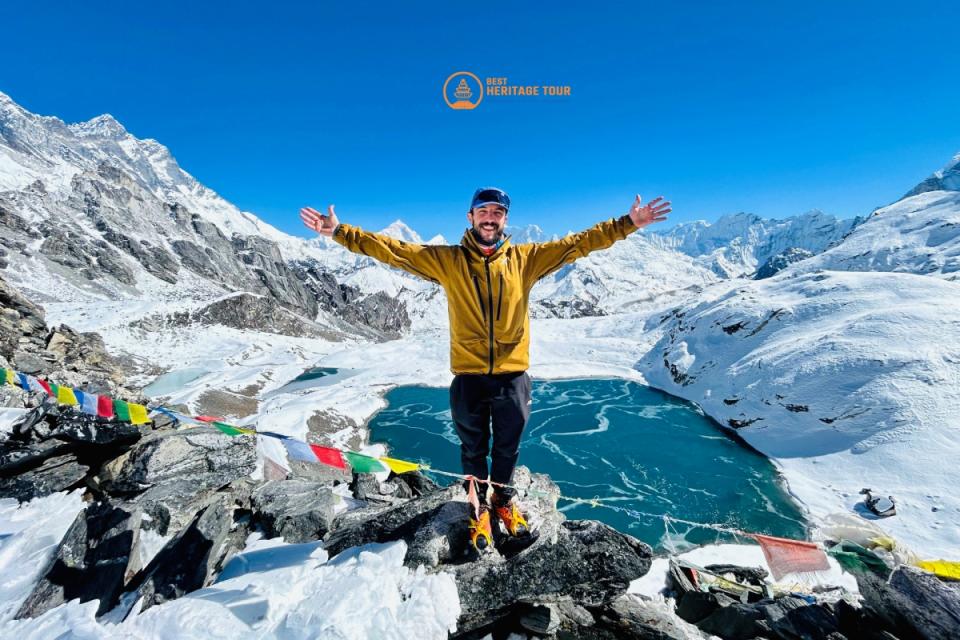
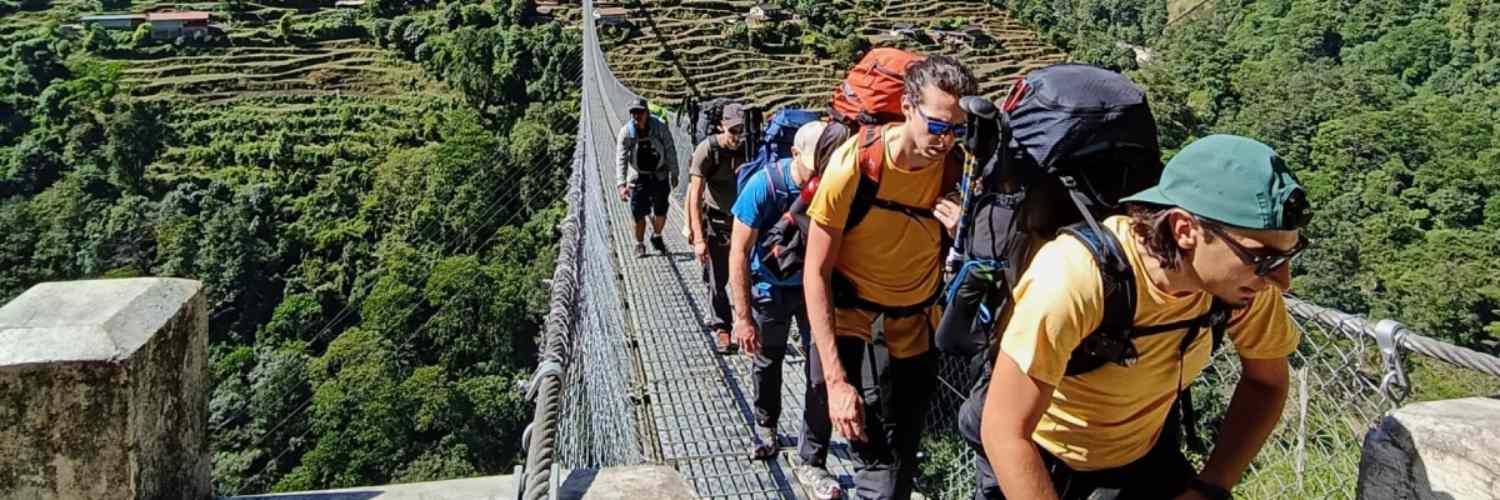
Trekking is one of the most rewarding travel experiences in the world. Whether you’ve just completed a multi-day Himalayan trek in Nepal, a scenic mountain walk in Bhutan, or a high-altitude journey in Tibet, the sense of achievement is unmatched. The fresh air, dramatic landscapes, and cultural encounters make every step worth it.
But once the trek ends, another important phase begins - post-trek recovery.
At Best Heritage Tour, we’ve guided trekkers from all over the world across challenging trails and breathtaking routes. One thing we always remind our guests is this: how you recover after a trek is just as important as how you prepare for it. Proper recovery helps your body heal, prevents injuries, restores energy, and ensures that your travel memories remain positive - not painful.
In this detailed guide, we share practical post-trek recovery tips based on real trekking experience, expert knowledge, and years of guiding travelers through high-altitude adventures. Whether you are a first-time trekker or an experienced hiker, these tips will help you recover faster, feel better, and get back to enjoying your journey.
Why Post-Trek Recovery Is So Important
Trekking puts intense stress on your body. Long walking hours, uneven trails, altitude changes, cold weather, and carrying a backpack all take a toll. Even if you feel fine immediately after finishing, muscle fatigue and soreness often appear a day or two later.
Ignoring recovery can lead to:
-
Prolonged muscle soreness
-
Joint pain and stiffness
-
Fatigue and low energy
-
Minor injuries becoming long-term problems
-
Reduced immunity and illness
Proper recovery, on the other hand, helps:
-
Repair muscles and tissues
-
Restore hydration and nutrients
-
Reduce inflammation
-
Improve circulation
-
Prepare your body for future activities
Post-trek recovery is not about doing nothing - it’s about smart rest and care.
1. Give Your Body Real Rest (But Don’t Stay Completely Inactive)
After completing a long trek, your body needs time to recover. This doesn’t mean staying in bed all day, but it does mean slowing down.
What Rest Really Means
-
Take at least 1-2 full days of low activity
-
Avoid intense physical exercise
-
Reduce walking distances
-
Focus on gentle movement instead of total inactivity
Light activities such as short walks, stretching, or relaxed sightseeing help improve blood flow and reduce stiffness.
Listen to Your Body
Everyone recovers differently. Some trekkers feel energetic quickly, while others need more time. Pain, deep fatigue, or tight muscles are signs that your body needs extra care.
At Best Heritage Tour, we always encourage trekkers to respect their limits, even after the trek is completed.
2. Rehydrate Properly (Water Is Not Enough)
Dehydration is very common after trekking, especially at higher altitudes. Cold weather reduces thirst, and physical exertion increases fluid loss through sweat and breathing.
Smart Hydration Tips
-
Drink plenty of water throughout the day
-
Add electrolytes to restore lost minerals
-
Avoid excessive caffeine and alcohol in the first few days
-
Sip fluids regularly instead of drinking large amounts at once
Best Hydration Options
-
Warm water with lemon
-
Herbal teas
-
Soups and broths
-
Electrolyte drinks (in moderation)
Good hydration improves muscle recovery, digestion, and energy levels.
3. Eat the Right Foods for Recovery
Food is fuel - and after trekking, your body needs quality fuel to repair itself.
Focus on Balanced Nutrition
A good post-trek meal should include:
-
Protein: for muscle repair
-
Carbohydrates: to restore energy
-
Healthy fats: for inflammation control
-
Vitamins and minerals: for overall healing
Best Foods After Trekking
-
Lean meats, eggs, lentils, tofu
-
Rice, potatoes, whole grains
-
Fresh vegetables and fruits
-
Yogurt and fermented foods
-
Nuts and seeds
In Nepal and the Himalayas, simple meals like dal bhat, vegetable soups, and rice dishes are excellent recovery foods.
Avoid Heavy Junk Food Immediately
While it’s tempting to celebrate with fast food, greasy meals can slow digestion and increase inflammation. Treat yourself - but balance it with nutritious food.
4. Gentle Stretching and Mobility Exercises
After days of repetitive movement, muscles can become tight and shortened. Stretching helps restore flexibility and reduces soreness.
When to Start Stretching
-
Begin 24 hours after the trek
-
Keep stretches gentle and controlled
-
Never stretch into sharp pain
Key Areas to Stretch
-
Calves and Achilles
-
Hamstrings
-
Quadriceps
-
Hips and glutes
-
Lower back
-
Shoulders and neck
Even 10-15 minutes a day can make a big difference.
Yoga and light mobility exercises are especially effective for trekkers.
5. Use Massage and Self-Care Techniques
Massage improves circulation, relaxes tight muscles, and speeds up recovery.
Professional Massage
If available, a professional massage can be very beneficial after a trek. Focus on:
-
Legs and feet
-
Lower back
-
Shoulders
Self-Massage at Home
-
Use a foam roller or massage ball
-
Apply gentle pressure to sore areas
-
Use warm oil or muscle recovery creams
In many Himalayan regions, traditional massage techniques are part of local culture and can be a wonderful recovery experience.
6. Take Care of Your Feet First
Your feet work the hardest during a trek and deserve special attention afterward.
Foot Recovery Tips
-
Wash and dry your feet properly
-
Treat blisters or hotspots immediately
-
Moisturize dry or cracked skin
-
Trim nails carefully
-
Wear comfortable footwear
Elevating your feet for short periods helps reduce swelling.
Healthy feet ensure that you can continue enjoying your travels without discomfort.
7. Sleep Well and Restore Your Energy
Sleep is one of the most powerful recovery tools.
Why Sleep Matters After Trekking
-
Repairs muscles and tissues
-
Balances hormones
-
Strengthens immunity
-
Improves mental clarity
Tips for Better Sleep
-
Aim for 7-9 hours of sleep
-
Create a calm sleeping environment
-
Avoid screens before bed
-
Stretch lightly before sleeping
-
Stay warm and comfortable
After high-altitude trekking, sleep quality may take a day or two to normalize - this is completely normal.
8. Support Your Immune System
Long treks can temporarily weaken your immune system due to physical stress.
Strengthen Immunity By:
-
Eating vitamin-rich foods
-
Staying hydrated
-
Getting enough sleep
-
Managing stress
-
Avoiding sudden exposure to cold
Simple habits like washing hands and avoiding crowded places when exhausted can prevent post-trek illness.
9. Recover Mentally and Emotionally
Trekking is not just a physical challenge - it’s a mental and emotional journey as well.
After finishing a long trek, many travelers experience:
-
Emotional highs or lows
-
A sense of emptiness after intense experiences
-
Mental fatigue
Mental Recovery Tips
-
Reflect on your journey
-
Write a travel journal
-
Share stories and photos
-
Spend time in nature
-
Practice mindfulness or meditation
Allow yourself time to emotionally process the experience. This helps transform the trek into a meaningful life memory.
10. Ease Back Into Normal Activities
Don’t rush back into intense workouts or heavy travel schedules.
Gradual Return Plan
-
Start with light walking or swimming
-
Avoid running or heavy lifting for a few days
-
Increase activity slowly over 1-2 weeks
This reduces the risk of injury and burnout.
11. Continue Caring for Your Body After You Return Home
Recovery doesn’t end when your holiday ends.
Long-Term Post-Trek Care
-
Maintain stretching routines
-
Stay active with low-impact exercise
-
Eat well and hydrate
-
Address any lingering pain early
If pain persists beyond a few weeks, consult a medical professional.
Common Post-Trek Mistakes to Avoid
Many trekkers unknowingly slow down recovery by making simple mistakes:
-
Ignoring pain and soreness
-
Drinking alcohol too soon
-
Skipping meals
-
Returning to intense activity immediately
-
Wearing poor footwear after the trek
Avoiding these mistakes helps your body recover smoothly.
Post-Trek Recovery at High Altitude vs Low Altitude
Recovery may feel different depending on where you trekked.
High-Altitude Recovery
-
Fatigue may last longer
-
Hydration and nutrition are extra important
-
Sleep patterns may take time to normalize
Descending to lower altitude usually improves recovery quickly.
Conclusion: Recover Well, Travel Better
Completing a trek is an incredible achievement - one that deserves proper care afterward. Post-trek recovery is not optional; it’s essential. By resting smartly, eating well, hydrating properly, stretching gently, and listening to your body, you allow yourself to fully enjoy the rewards of trekking.
Whether you’ve just finished a Himalayan adventure or are planning your next journey, remember that recovery is part of the experience. Take care of your body, respect its signals, and give yourself time to heal.
At Best Heritage Tour, we are proud to support trekkers at every stage of their journey - from planning and preparation to trekking and recovery. When your body feels good, your travel memories last a lifetime.
If you’re dreaming of your next trekking adventure in Nepal, Bhutan, or Tibet, we’re always here to guide you - responsibly, safely, and professionally.
Phone / WhatsApp / Viber: +977-9851149197 / +977-9810043046
Email: info@bestheritagetour.com / bestheritagetour@gmail.com
Website: www.bestheritagetour.com
Office: Thamel Marg, Kathmandu, Nepal
Author: Best Heritage Tour
Date: 6th February, 2026