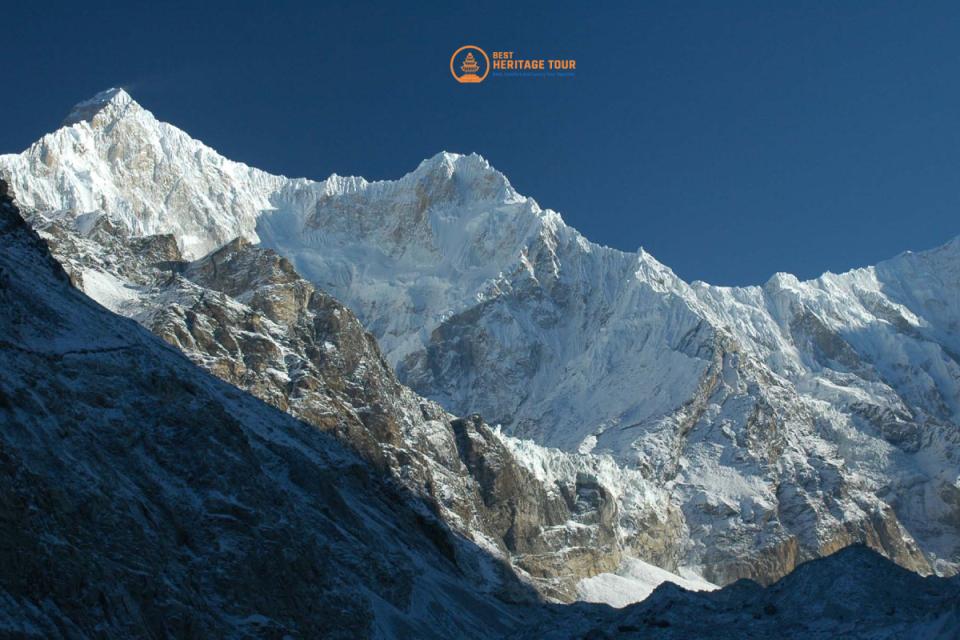
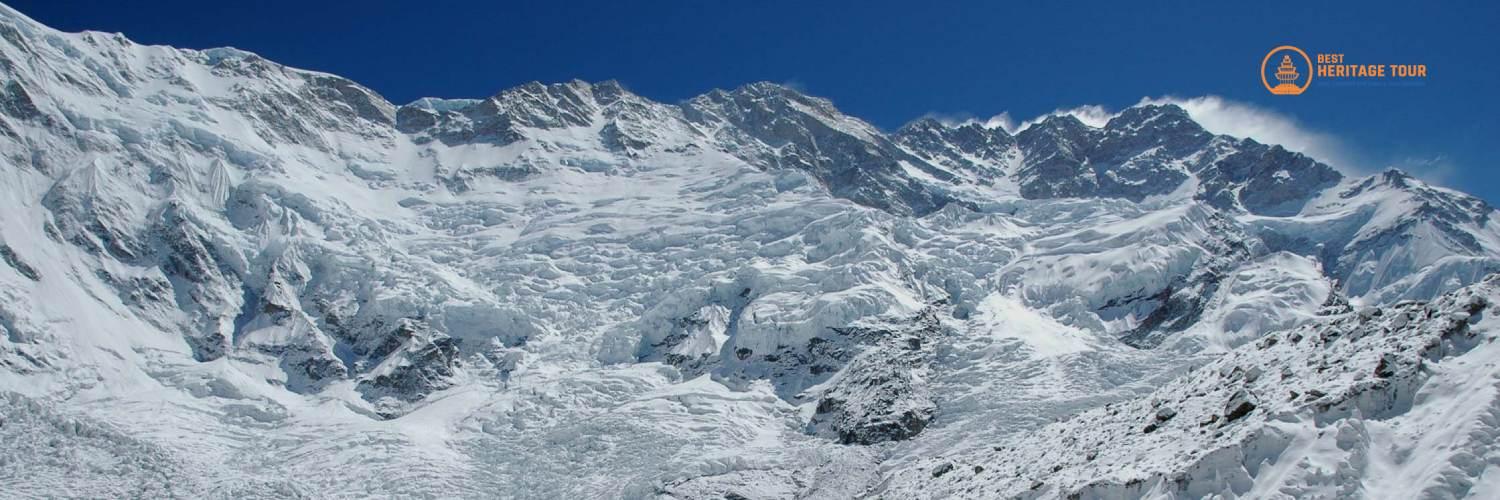
The Kanchenjunga region, home to the world's third-highest peak, is an unparalleled trekking destination - but its untouched wilderness comes with unique entry requirements. Unlike the popular, open trails of the Everest and Annapurna regions, Kanchenjunga falls into a special category of Himalayan travel: a Restricted Area that borders Tibet and India.
For trekkers, this means the entry process is highly regulated by the Government of Nepal. Ignoring these rules is not an option; proper permits are the keys that unlock this magnificent and remote corner of the Eastern Himalayas.
As your experienced partner in Nepal trekking, we at Best Heritage Tour have crafted this comprehensive guide to ensure you understand every requirement for your adventure, focusing on the mandatory documents, costs, and the special conditions of the Kanchenjunga Circuit Trek Permits.
The Two Mandatory Permits for the Kanchenjunga Circuit Trek
To legally and safely undertake the Kanchenjunga Circuit Trek, every foreign national must secure two distinct permits. These documents serve different purposes - one for security and regulation, and one for conservation.
1. The Restricted Area Permit (RAP)
The Restricted Area Permit Kanchenjunga is the most crucial and regulated permit you will need. The core trekking areas along the Kanchenjunga border are designated as restricted zones by the Department of Immigration of Nepal. This status is enforced to manage border security, preserve the pristine environment, and protect the unique culture of the indigenous communities.
RAP Key Requirements and Rules:
|
Requirement |
Detail & Implication |
|---|---|
|
Group Requirement |
Mandatory. You cannot trek solo. The permit is only issued to a group of a minimum of two foreign trekkers (excluding the guide/porter team). |
|
Agency Requirement |
Mandatory. The RAP can only be applied for and collected by a Government-registered and licensed Nepali trekking agency like Best Heritage Tour on the trekkers' behalf. Individual trekkers cannot apply directly. |
|
Guide Requirement |
Mandatory. You must be accompanied by an officially licensed, government-certified trekking guide for the entire duration of the trek in the restricted zone. |
|
Issuing Authority |
Department of Immigration, Kathmandu (The permit is not issued by the Nepal Tourism Board or TAAN). |
RAP Cost Structure (The Time-Based Fee):
The cost for the Restricted Area Permit is calculated based on the number of days you spend inside the designated restricted zone:
-
For the first four weeks (28 days): US$20 per person, per week (or any portion thereof).
-
Beyond the first four weeks: US$25 per person, per week (or any portion thereof).
Best Heritage Tour Insight: For a typical Kanchenjunga Full Circuit Trek, the restricted zone time usually dictates a fee of approximately USD 80 to USD 100 per person, depending on the exact itinerary length chosen.
2. Kanchenjunga Conservation Area Project (KCAP) Permit
The second required document is the entry permit for the Kanchenjunga Conservation Area Project (KCAP). This sprawling protected area covers over 2,000 square kilometers and is home to stunning biodiversity, including the endangered Red Panda and Snow Leopard.
The fees collected from this permit are directly channeled into local conservation efforts, community development projects, and maintaining the trekking infrastructure within the region.
KCAP Key Requirements and Rules:
-
Validity: This is a one-time entry fee and remains valid for the entire duration of your trek within the conservation area. There is no time restriction.
-
Issuing Authority: National Trust for Nature Conservation (NTNC) or can be obtained at the conservation area entry points.
-
Process: While an agency can arrange this for you, it is technically possible for individual trekkers to acquire this permit at the Nepal Tourism Board office in Kathmandu. However, since the RAP requires an agency anyway, we handle both together for seamless travel.
KCAP Cost Structure (The Flat Fee):
|
Nationality |
Fee (in Nepali Rupees) |
Approximate Fee (in USD) |
|---|---|---|
|
Foreign Nationals (Non-SAARC) |
NPR 2,000 |
approx. USD 15 - USD 20 |
|
SAARC Nationals |
NPR 500 |
approx. USD 5 |
|
Nepali Citizens |
NPR 100 |
approx. USD 1 |
Kanchenjunga Trekking Rules: The Compulsory Non-Negotiables
Beyond the permits themselves, the Restricted Area designation imposes a set of strict Kanchenjunga Trekking Rules that are essential for every trekker's safety and legal compliance.
1. The Ban on Kanchenjunga Solo Trek
The most important rule to grasp is the prohibition on Free Individual Trekkers (FITs), meaning solo trekking in the Kanchenjunga region is strictly forbidden.
-
Why? The remote nature of the terrain, complex logistics, proximity to international borders, and limited communication infrastructure make solo travel exceptionally risky. The government mandates a guide to ensure safety, minimize environmental impact, and uphold regional security.
-
The Solution: You must travel in a group of at least two trekkers, led by a licensed Nepali guide. If you are traveling solo, Best Heritage Tour will assist you in forming a small group with other trekkers or officially arranging a partner for the duration of the permit period.
2. TIMS Card Kanchenjunga: Not Required
A common question is whether a TIMS (Trekkers’ Information Management System) card is required.
-
The Answer: No. Because you are traveling on the highly regulated Restricted Area Permit (RAP), the government waives the requirement for the TIMS card. The information collected for the RAP and the guide requirement fulfill the safety monitoring objectives of the TIMS system.
3. Strict Document Compliance on the Trail
Throughout your trek, you will pass through various checkpoints - managed by police, army, or conservation officials - who will demand to see your original permits.
-
Carry Originals: Always carry the original hard copies of both your RAP and KCAP permit, along with copies of your passport and visa.
-
Failure to Comply: Trekking without the correct, valid permits is a severe legal offense in Nepal and will result in immediate fines, deportation, or the termination of your trek. This underscores the necessity of relying on a reputable agency.
The Process: How Best Heritage Tour Secures Your Permits
Since the Restricted Area Permit Kanchenjunga must be processed through a registered agency and requires your presence in Kathmandu, we manage the entire complex process efficiently.
Required Documents from You (The Trekkers):
To initiate the permit application, you will need to provide your trekking agency with the following:
-
Valid Passport Copy: The passport must be valid for at least six more months.
-
Nepal Tourist Visa Copy: Your visa must cover the entire trekking period.
-
Digital Passport-Sized Photographs: Required for both the RAP and KCAP applications.
-
Proof of Travel Insurance: Documentation confirming comprehensive insurance coverage, specifically including helicopter rescue/emergency evacuation coverage up to 6,000 meters. This is non-negotiable for high-altitude restricted treks.
Conclusion: Planning Your Kanchenjunga Logistics
Navigating the rules and securing the necessary Kanchenjunga Circuit Trek Permits is a significant part of the logistics, but it is a necessary step to ensuring a safe, legal, and enriching adventure in one of the world's last great trekking frontiers.
By understanding the rules - particularly the mandatory group and guide requirements for the Restricted Area Permit Kanchenjunga - you set the stage for a seamless journey. Allow the local expertise of a trusted Nepali outfitter to manage this vital process for you.
Best Heritage Tour takes pride in its meticulous attention to detail, ensuring all your documentation is flawless and ready before you even step onto the trail. We handle the paperwork so you can focus on the mountains.
Ready to Begin the Permit Process? Contact Us Today!
Phone / WhatsApp / Viber: +977-9851149197 / +977-9810043046
Email: info@bestheritagetour.com / bestheritagetour@gmail.com
Website: www.bestheritagetour.com
Office: Thamel Marg, Kathmandu, Nepal
Author: Best Heritage Tour
Date: 16th December, 2025