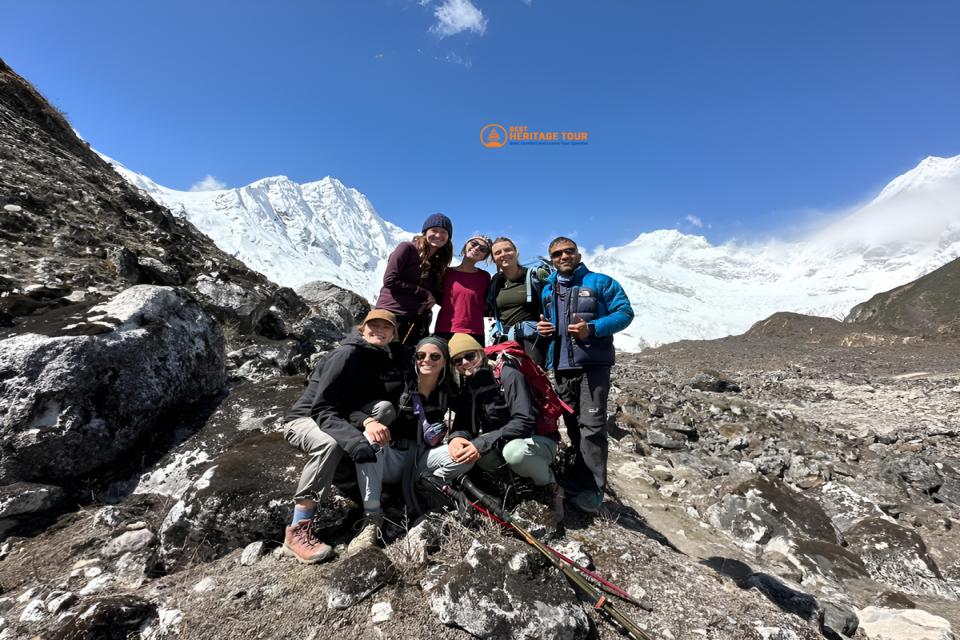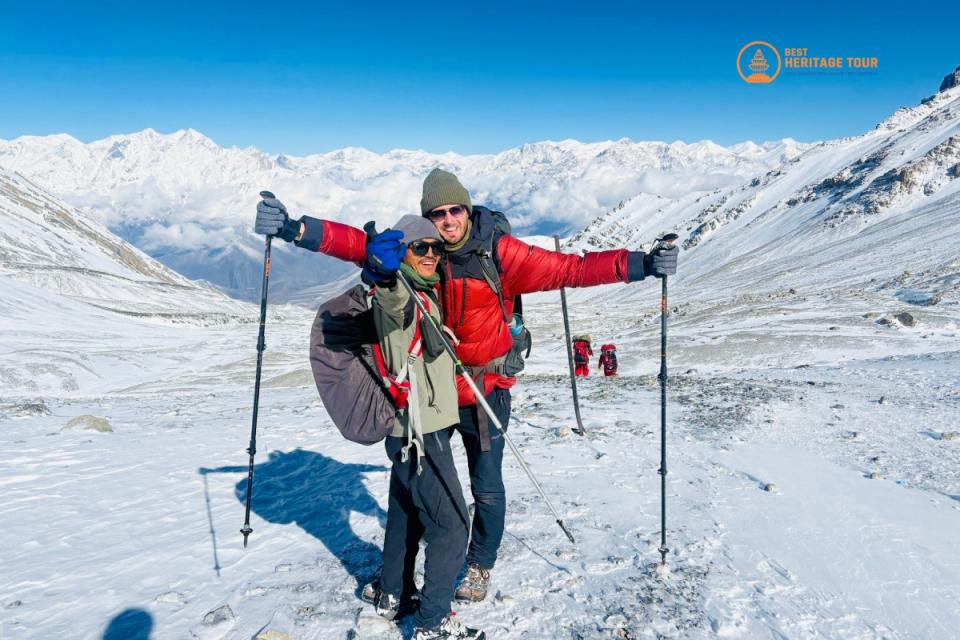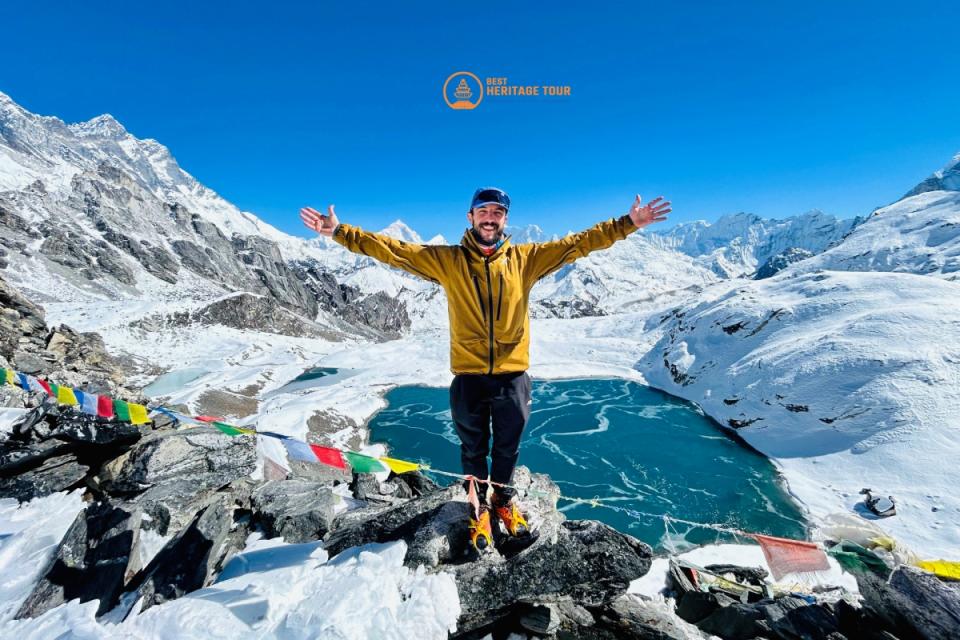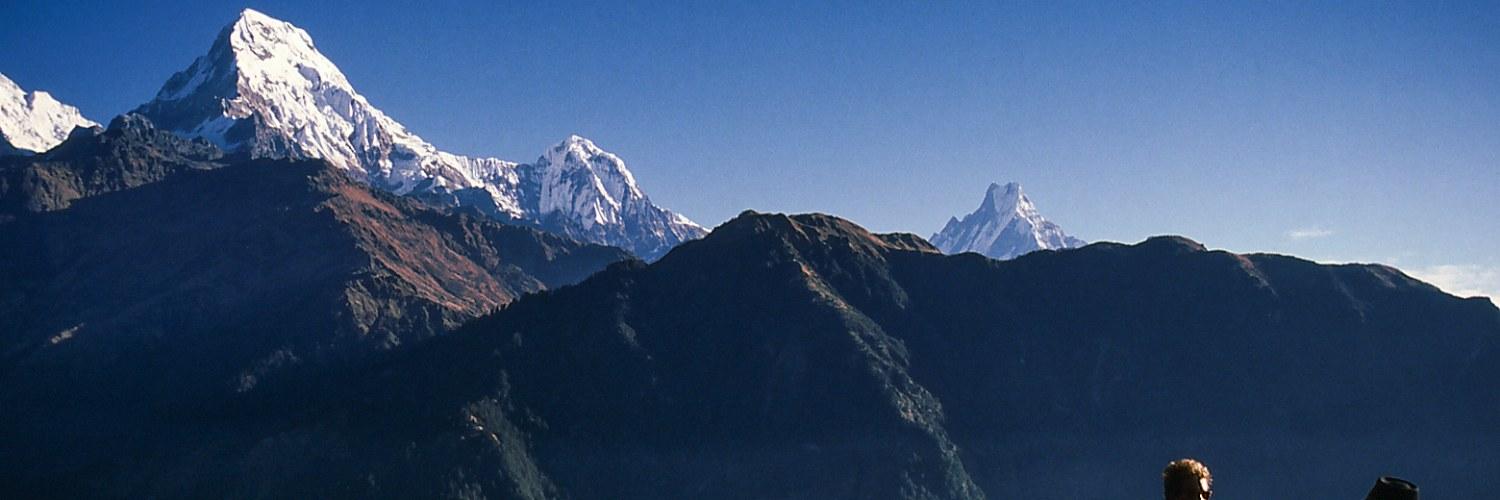
At Best Heritage Tour, we believe that trekking in Nepal is more than just a physical challenge; it is a soulful journey through the heart of the Himalayas. For decades, the "Tea House Trek" has been the backbone of Nepalese mountain tourism, offering a unique blend of adventure, culture, and rugged hospitality.
If you are planning your first (or fifth) trek in the land of the peaks, you likely have questions. What is a tea house? What should I eat to stay energized? How do I handle the altitude? As a premier travel partner based in the heart of Kathmandu, we have guided thousands of explorers through the winding trails of Everest, Annapurna, and Langtang. In this comprehensive guide, we are sharing our professional insights to help you prepare for the ultimate Nepal tea house trekking experience.
What Exactly is a Tea House?
In the context of the Himalayas, a tea house is a mountain lodge that provides both meals and accommodation. Gone are the days when trekking in Nepal required a massive caravan of tents and porters carrying heavy kitchen equipment (though camping treks still exist for truly remote regions).
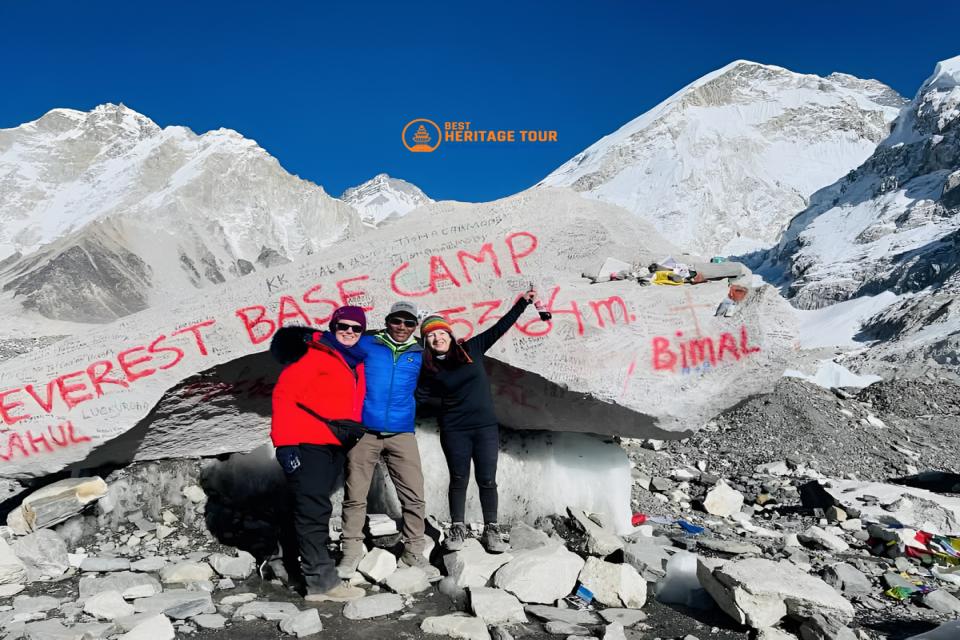
Today, on popular routes like the Everest Base Camp Trek or the Annapurna Circuit, these lodges act as your home away from home. They range from basic, rustic stone huts in high-altitude areas to surprisingly comfortable lodges with hot showers and Wi-Fi in the lower valleys.
What to expect inside:
-
Twin-sharing rooms: Usually two small wooden beds with a mattress, a pillow, and a blanket.
-
The Dining Hall: The heart of the tea house. This is where everyone gathers around a central wood or yak-dung-burning stove to stay warm, swap stories, and eat.
-
Common Bathrooms: Most toilets are shared. While lower elevations may have Western-style toilets, expect traditional "squat" toilets as you go higher.
Top Tea House Trekking Destinations for 2026
At Best Heritage Tour, we often categorize treks by their "tea house infrastructure." Here are the best regions to explore:
1. The Everest (Khumbu) Region
The most famous trekking destination in the world. The tea houses here are highly developed. In places like Namche Bazaar, you can even find luxury lodges with heated blankets and en-suite bathrooms.
-
Best for: Iconic views, Sherpa culture, and high-altitude challenges.
-
Key Trek: Everest Base Camp (12-14 days).
2. The Annapurna Region
Known for its incredible diversity, the Annapurna region offers some of the most accessible tea house treks. The lodges here are famous for their extensive menus (sometimes even including apple pie!).
-
Best for: Varied landscapes (rhododendron forests to arid rain shadows).
-
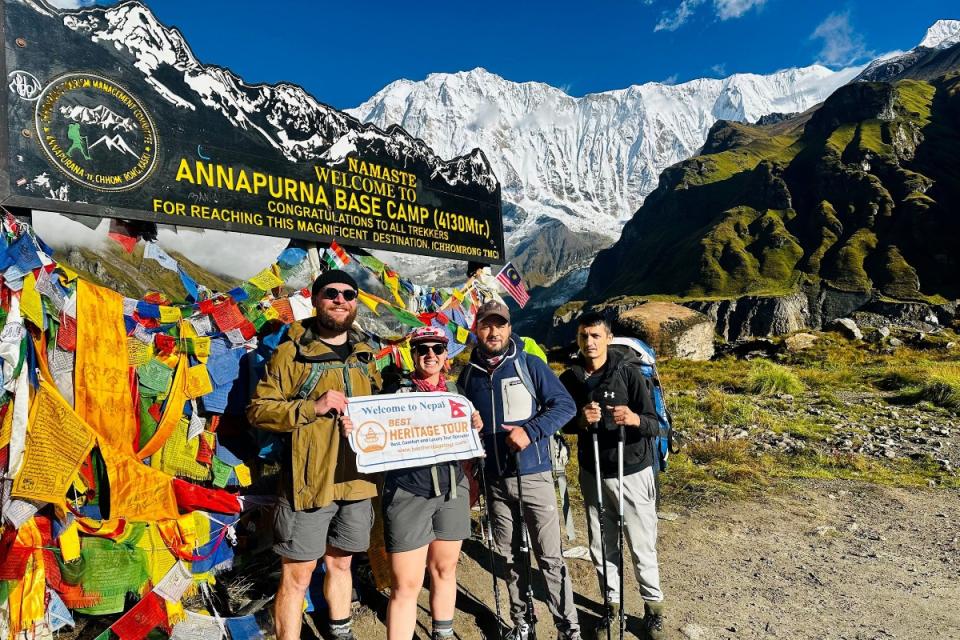
Key Trek: Annapurna Base Camp or the Ghorepani Poon Hill Trek (perfect for beginners).
3. The Langtang Valley
Located closest to Kathmandu, Langtang offers a more intimate, "off-the-beaten-path" feel despite having a solid tea house network. It is a wonderful way to experience Tamang culture.
-
Best for: Short durations and cultural immersion.
-
Key Trek: Langtang Valley Trek (7-9 days).
4. The Manaslu Circuit
For those seeking a more rugged experience, Manaslu is the "new classic." It requires a special permit and a mandatory guide, but the tea houses have improved significantly over the last few years.
-
Best for: Solitude and dramatic mountain passes.
Life on the Trail: Food and Hydration
When you trek with Best Heritage Tour, we always emphasize the "Fuel for the Mountain" philosophy.
The King of Foods: Dal Bhat
There is a common saying in Nepal: "Dal Bhat Power, 24 Hour." This traditional meal consists of steamed rice (Bhat), lentil soup (Dal), vegetable curry, and pickles.
-
Why it’s best: It is fresh, organic, and provides a perfect balance of carbs and protein. Best of all? Refills are free!
Most tea houses offer a surprisingly wide menu, including:
-
Breakfast: Porridge, eggs, pancakes, and Tibetan bread.
-
Lunch/Dinner: Pasta, momos (dumplings), noodles, and even pizza.
Expert Tip: As you go higher, we recommend sticking to vegetarian meals. Meat is often carried up the mountain by porters or yaks without refrigeration, so "going green" is the safest way to avoid stomach issues.
Hydration and Water
Staying hydrated is the #1 way to prevent Acute Mountain Sickness (AMS). You should aim to drink 3-4 liters of water a day.
-
Avoid Plastic: To protect our beautiful heritage, please do not buy plastic bottled water.
-
Our Solution: Bring a reusable Nalgene bottle and use water purification tablets or a LifeStraw filter. Most tea houses also sell "boiled water" for a small fee.
Essential Packing List for a Tea House Trek
Packing for the Himalayas is about layers. It might be 20°C (68°F) during a sunny hiking day and -10°C (14°F) once the sun drops behind the peaks.
|
Category |
Must-Have Items |
|---|---|
|
Clothing |
Moisture-wicking base layers, fleece mid-layer, down jacket, waterproof shell, trekking trousers. |
|
Footwear |
Broken-in trekking boots, moisture-wicking socks, and sandals for the tea house. |
|
Gear |
30-40L Daypack, 4-season sleeping bag (even if the tea house provides blankets), trekking poles. |
|
Health |
Sunscreen (the UV is intense!), lip balm, hand sanitizer, and a basic first aid kit with Diamox. |
|
Personal |
Headlamp (for early starts or late-night bathroom trips), power bank, and wet wipes. |
The 2026 Logistics: Permits and Regulations
Navigating the legalities of trekking in Nepal can be tricky, but that’s where we come in. As of 2026, there are several key requirements:
-
TIMS Card (Trekkers' Information Management System): A mandatory tracking card for safety.
-
Permits: Depending on the region, you will need either a National Park Permit (like Sagarmatha) or a Conservation Area Permit (ACAP/MCAP).
-
Mandatory Guides: In many regions, the Nepal Tourism Board now requires trekkers to be accompanied by a licensed guide. This isn't just a rule - it’s a safety measure that supports the local economy and ensures you don’t get lost on shifting trails.
Tips for a Successful Journey
1. Master the Art of Acclimatization
The mountain does not care how fit you are; it only cares how well you adapt. Follow the "walk high, sleep low" rule. Take your rest days seriously, and never rush your ascent.
2. Carry Cash (Nepali Rupees)
Once you leave Kathmandu or Pokhara, ATMs are non-existent (except for a lone, often-broken machine in Namche). Tea houses, charging fees, and hot showers must be paid for in cash. Budget roughly $30-$50 USD per day for personal expenses if you are on a guided tour.
3. Respect the Local Culture
You are walking through living heritage. Always walk to the left of Mani stones (prayer walls) and Chortens. Ask for permission before taking photos of people, and learn a few words of Nepali - a simple "Namaste" goes a long way!
4. The "Luxury" of the Mountains
In 2026, many tea houses offer Wi-Fi and electricity for charging. However, these are often powered by solar energy. If it’s been cloudy, don’t expect a full charge. Bring a power bank and treat "disconnection" as part of the adventure.
Conclusion
Nepal tea house trekking is a rare opportunity to strip away the complexities of modern life and reconnect with nature. It is a world of golden sunrises, rhythmic footsteps, and the warmest hospitality you will ever encounter. With the right preparation, a spirit of adventure, and a trusted partner like Best Heritage Tour, the mountains are waiting to tell you their stories.
Ready to lace up your boots?
Phone / WhatsApp / Viber: +977-9851149197 / +977-9810043046
Email: info@bestheritagetour.com / bestheritagetour@gmail.com
Website: www.bestheritagetour.com
Office: Thamel Marg, Kathmandu, Nepal
Author: Best Heritage Tour
Date: 7th January, 2026