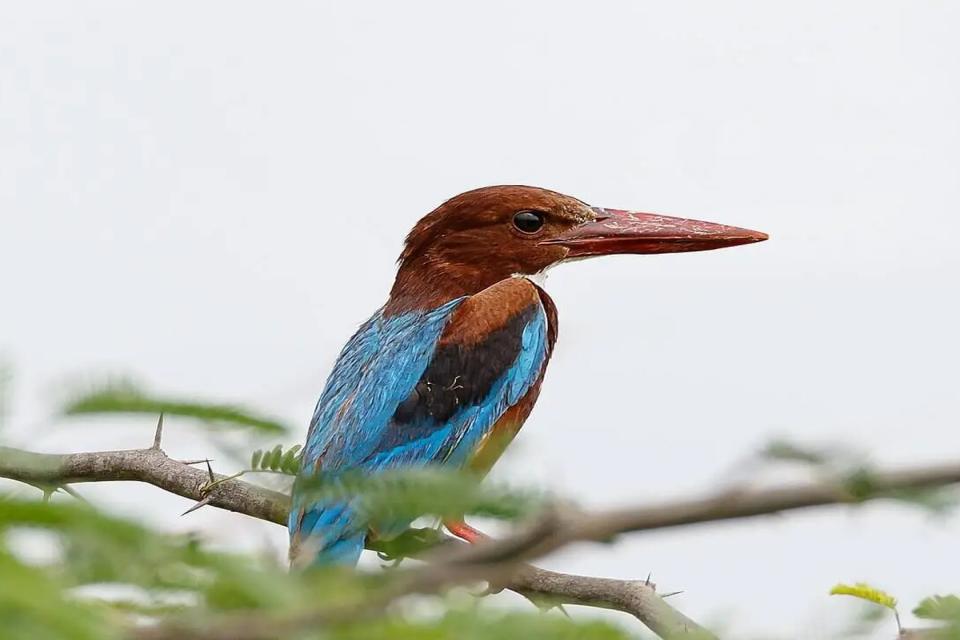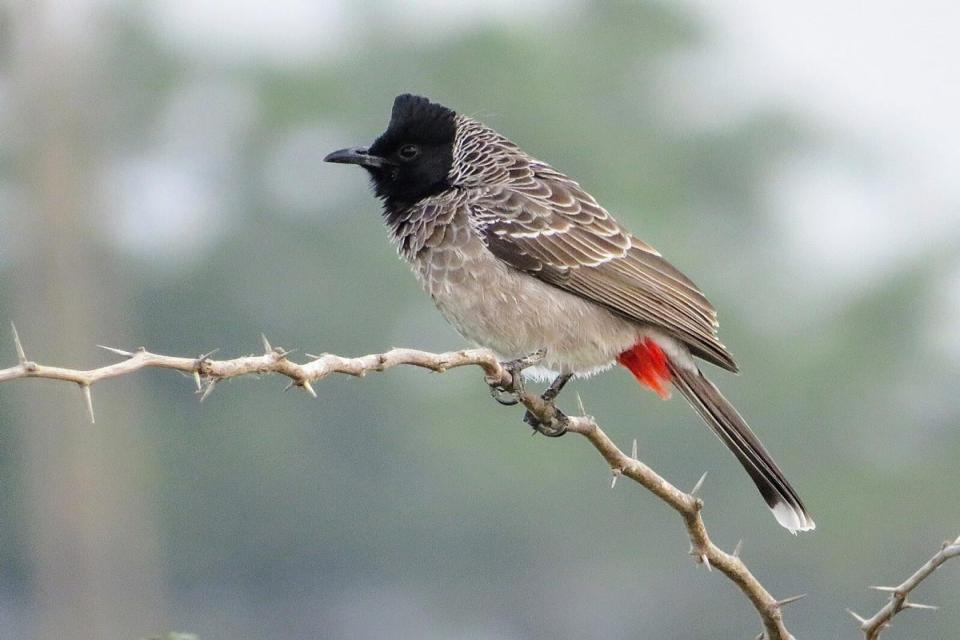
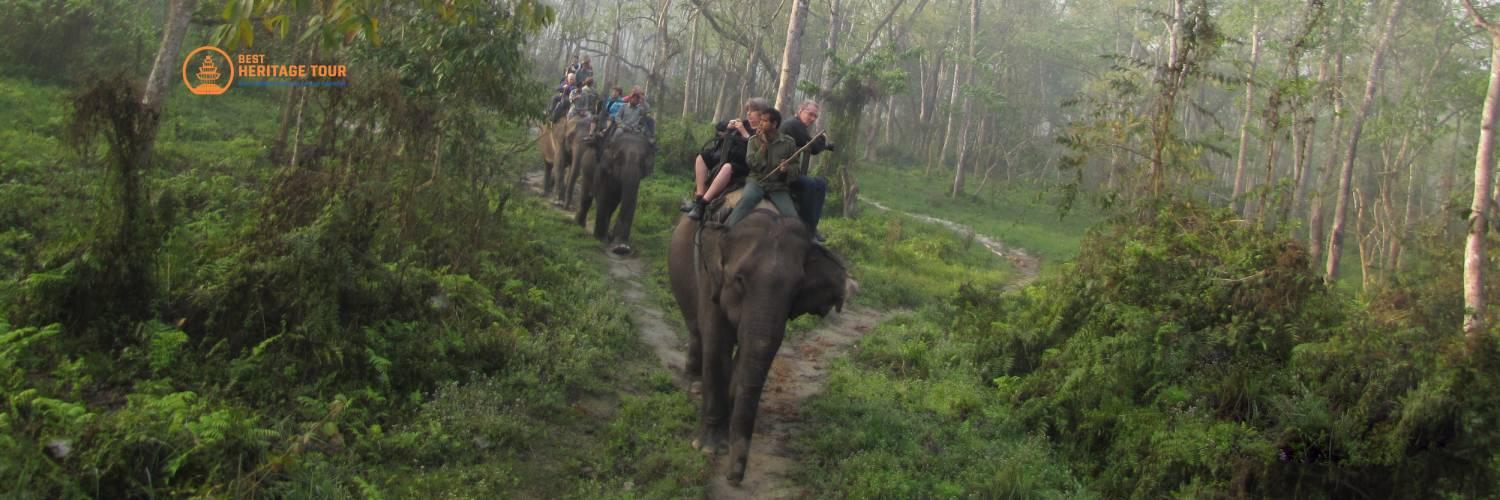
Nepal is a sanctuary for biodiversity, spanning from the humid subtropical jungles of the Terai to the frozen heights of the world’s tallest peaks. Nepal’s commitment to conservation is a global success story. In 2026, the country’s commitment to conservation has reached new heights, with increasing tiger populations and expanded protected corridors that offer some of the most authentic wildlife encounters on the planet.
As a traveler in 2026, you aren't just visiting a park; you are entering a thriving ecosystem where conservation and community coexist. Here is the guide to the 12 National Parks in Nepal for your nature and wildlife adventures this year.
1. Chitwan National Park: The Pioneer of Conservation
Established in 1973 as Nepal's first national park, Chitwan remains the crown jewel of wildlife tourism. A UNESCO World Heritage site, it is the best place in Asia to see the Greater One-Horned Rhinoceros.
-
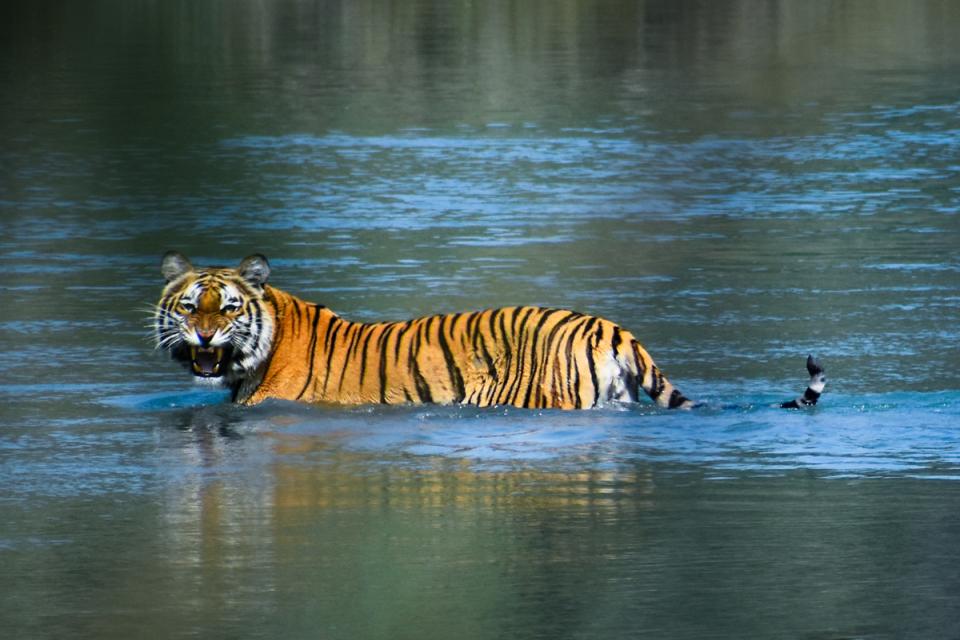
Wildlife Highlights: Bengal Tigers, Rhinos, Sloth Bears, and Gharial Crocodiles.
-
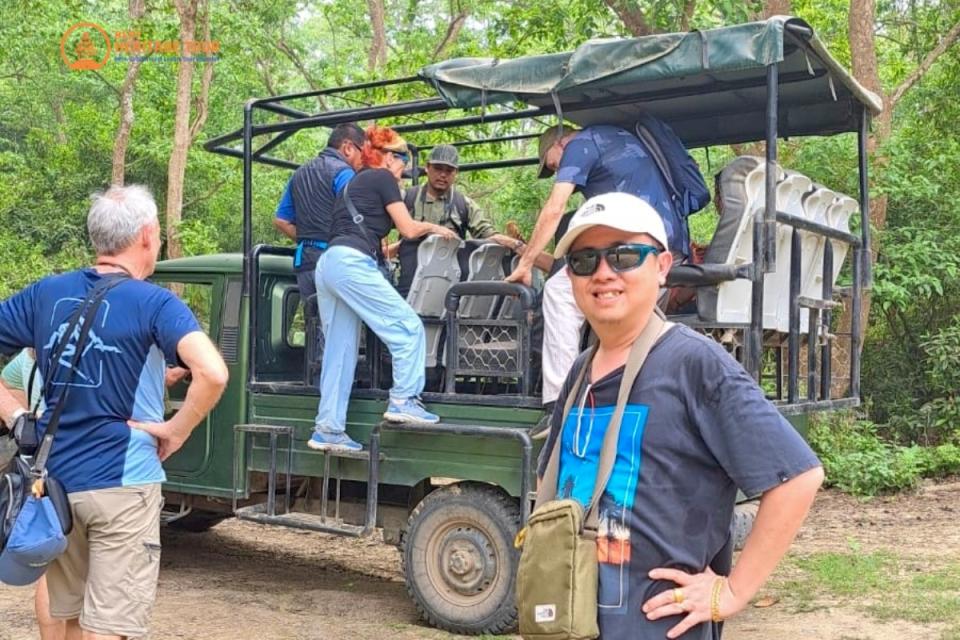
2026 Update: The park has shifted heavily toward electric jeep safaris to minimize noise pollution and carbon footprint.
-
Best Time: October to March for pleasant weather and high visibility.
2. Bardiya National Park: The Tiger’s Stronghold
For those seeking a more rugged and secluded experience, Bardiya in the far west is the ultimate destination. It is the largest undisturbed wilderness in the Terai.
-
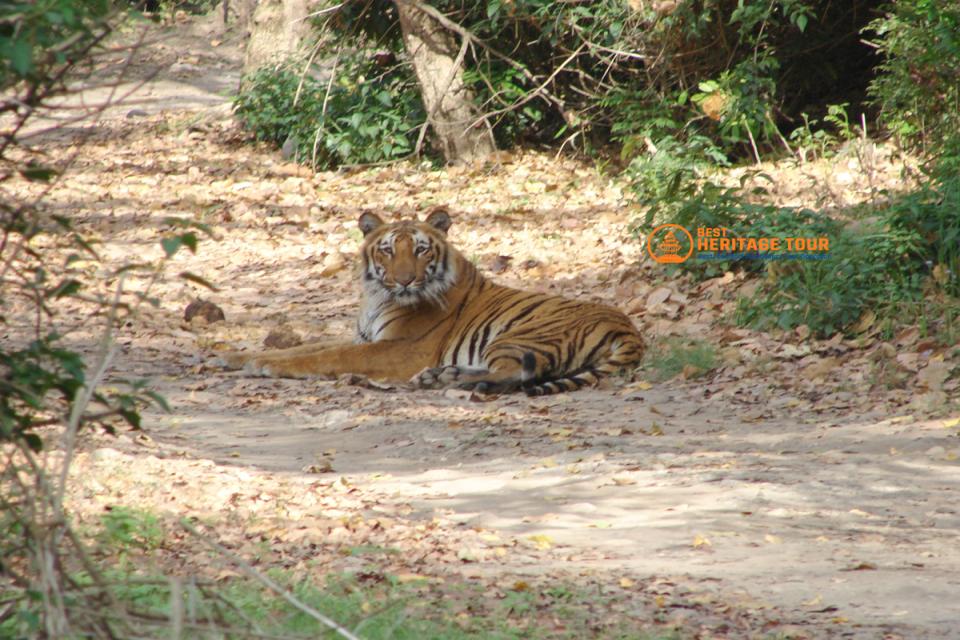
Wildlife Highlights: Highest density of Bengal Tigers in Nepal, wild Asian Elephants, and the rare Ganges River Dolphin in the Karnali River.
-
Why Visit in 2026: Tiger sightings are at an all-time high due to successful habitat management in the Babai Valley.
-
Experience: Opt for a walking safari with a certified guide for a pulse-pounding, immersive experience.
3. Sagarmatha National Park: Life at the Limit
Encompassing Mount Everest, this park is more than just a trekking destination; it is a high-altitude biosphere of global importance.
-
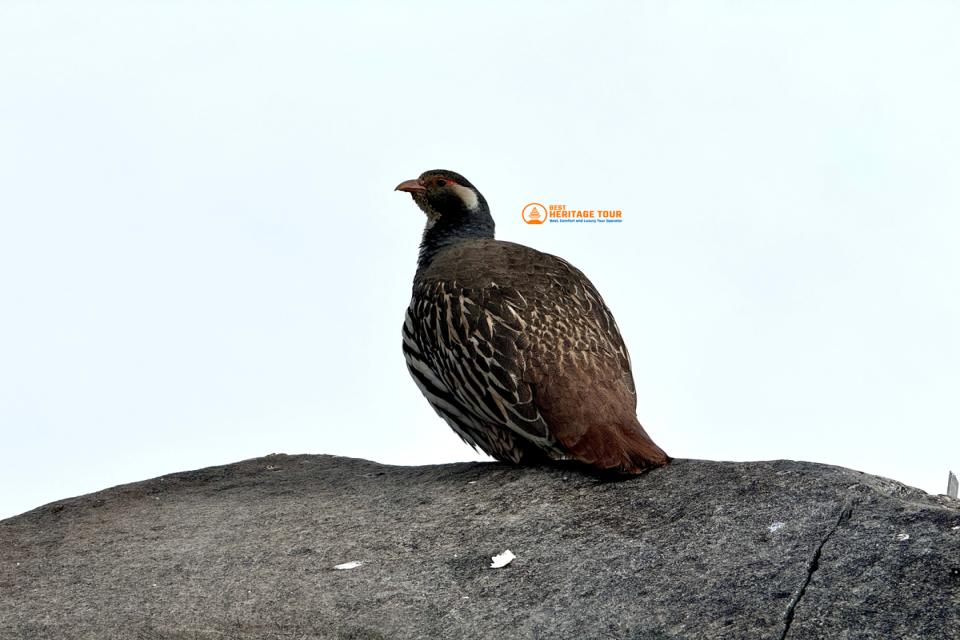
Wildlife Highlights: Snow Leopards, Red Pandas, Himalayan Tahr, and the colorful Danphe (Himalayan Monal).
-
The 2026 View: Climate awareness centers have been established along the EBC trail to educate trekkers on the shrinking glaciers and their impact on local fauna.
-
Altitude: Ranging from 2,845m to 8,848m.
4. Langtang National Park: The Valley of Glaciers
Located just north of Kathmandu, Langtang offers incredible biodiversity over a short distance, from subtropical forests to alpine tundra.
-
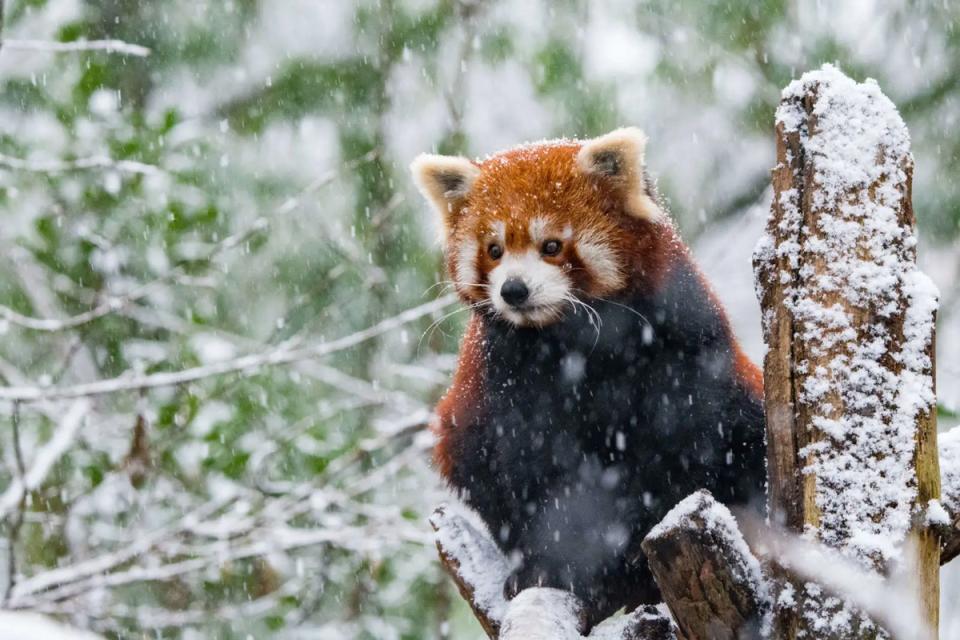
Wildlife Highlights: This is arguably the best place in Nepal to spot the elusive Red Panda.
-
2026 Update: Local communities in Kyanjin Gompa have pioneered "Eco-Lodge" standards that prioritize zero-waste and wildlife protection.
5. Shey Phoksundo National Park: The Trans-Himalayan Treasure
Nepal’s largest national park covers the Dolpa district. It is famous for the deep blue Phoksundo Lake and its ancient Tibetan Buddhist culture.
-
Wildlife Highlights: A vital habitat for the Snow Leopard and Blue Sheep (Nayaur).
-
Note: This is a restricted area; you will need a special permit and a licensed guide to explore its depths.
6. Rara National Park: The Hidden Gem
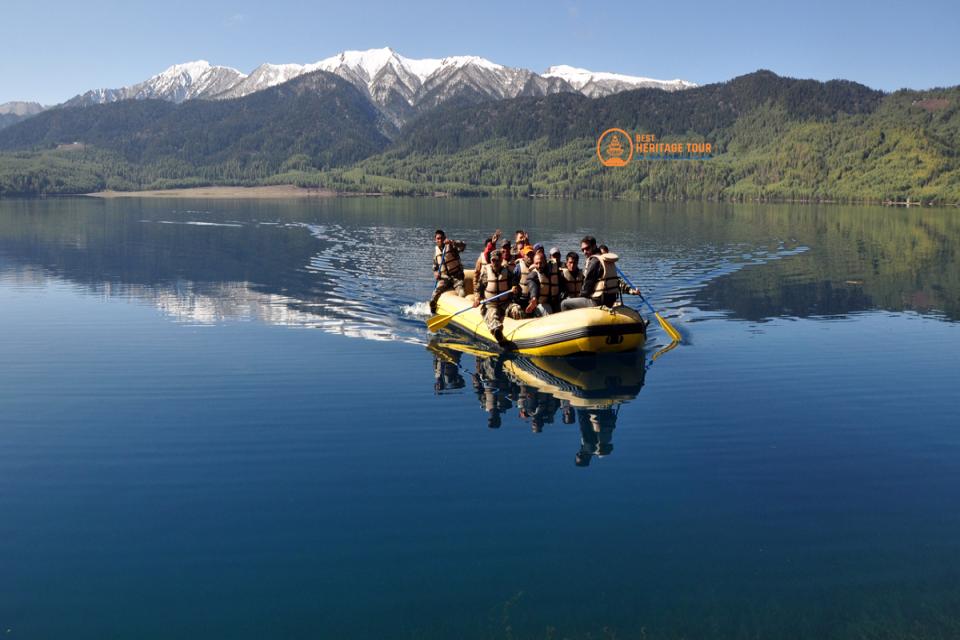
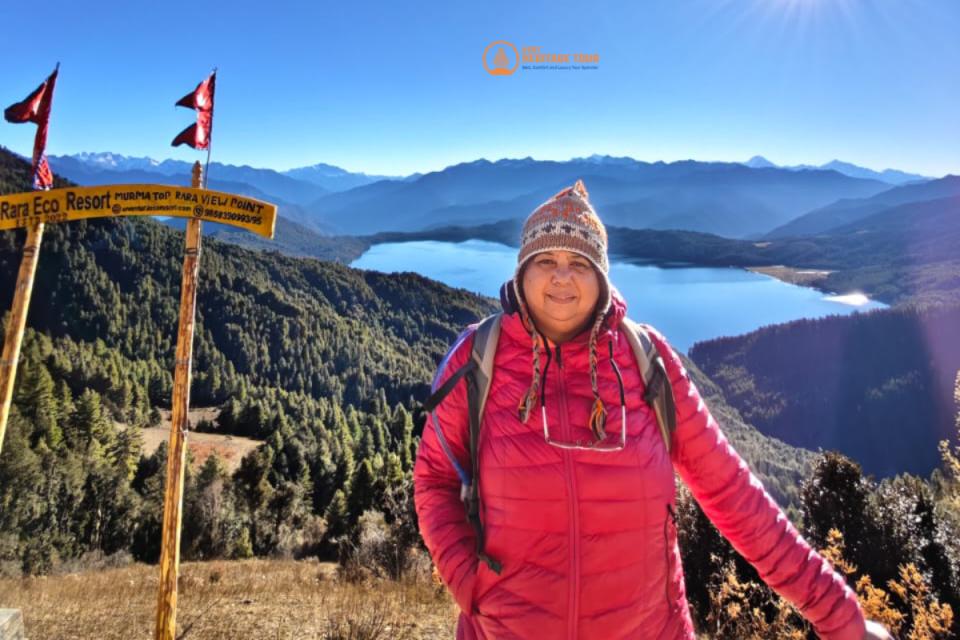
Home to the largest lake in Nepal, Rara is a tranquil paradise surrounded by coniferous forests.
-
Wildlife Highlights: Musk Deer, Himalayan Black Bears, and the endemic Rara Snow Trout.
-
2026 Travel: Improved flight connectivity to Talcha Airport makes this once-remote park more accessible for weekend nature retreats.
7. Makalu Barun National Park: The Vertical Wilderness
This park is unique for its "climatological staircase," containing some of the last remaining pristine forest and alpine meadows in the Himalayas.
-
Wildlife Highlights: Over 3,000 species of flowering plants and rare sightings of the Clouded Leopard.
-
The Draw: It is one of the few places on earth where you can find tropical forest and permanent ice within a 40km radius.
8. Shivapuri Nagarjun National Park: The Kathmandu Lung
For travelers with limited time, this park on the northern fringe of the Kathmandu Valley offers excellent birdwatching and hiking.
-
Wildlife Highlights: Jungle Cats, Rhesus Macaques, and over 300 species of birds.
-
Activity: The hike to Shivapuri Peak (2,732m) provides a panoramic view of the Langtang range.
9. Khaptad National Park: The Spiritual Plateau
Located in the far-western mid-hills, Khaptad is a rolling landscape of 22 moorlands (meadows) that feel like the Scottish Highlands in the heart of Nepal.
-
Wildlife Highlights: Barking Deer, Wild Boar, and a vibrant array of medicinal herbs.
-
Cultural Note: It was the home of the late Khaptad Baba, a renowned hermit and scholar.
10. Banke National Park: The "Gift to the Earth"
Established in 2010 to protect the tiger corridor connecting Bardiya to India’s Suhelwa Wildlife Sanctuary, Banke is a success story of modern conservation.
-
Wildlife Highlights: Strengthening populations of Tigers and Four-horned Antelope.
-
Pro Tip: Combine this with a visit to Bardiya for a comprehensive "Western Nepal Safari."
11. Shuklaphanta National Park: The Grassland Giant
Formerly a wildlife reserve, Shuklaphanta hosts the largest herd of Swamp Deer (Barasingha) in the world - often numbering over 2,000 in a single clearing.
-
Wildlife Highlights: Swamp Deer, Bengal Floricans (rare bird), and wild Elephants.
-
The View: The sunset over the vast open grasslands (Phantas) is one of the most underrated sights in Nepal.
12. Parsa National Park: The Elephant Corridor
Adjacent to Chitwan, Parsa is characterized by its dry Churia hills and tropical riverine forests.
-
Wildlife Highlights: It is a major migratory route for Wild Asian Elephants and has recently seen a significant spike in its resident Tiger population.
-
Experience: The "Rambhori Bhata" area offers a glimpse into the pristine jungles of the central Terai.
2026 Wildlife Travel Tips
-
Mandatory Guides: As of 2026, most national parks require travelers to be accompanied by a licensed guide for safety and conservation reasons.
-
Permits: Always ensure you have your ACAP, National Park Entry Permit, or TIMS card ready. These can be obtained in Kathmandu or at park entry points.
-
Silent Safaris: Respect the animals. Avoid bright clothing (stick to olive, tan, or grey) and keep noise to a minimum.
-
Support Local: Choose lodges that employ local naturalists and contribute to community anti-poaching units.
Ready to Explore Nepal’s Wild Heart?
At Best Heritage Tour, we specialize in crafting wildlife itineraries that go beyond the usual jeep tracks. Whether you want to track tigers in Bardiya or search for the Red Panda in Langtang, our local experts ensure a safe and ethical adventure.
Contact Best Heritage Tour
Phone / WhatsApp / Viber: +977-9851149197 / +977-9810043046
Email: info@bestheritagetour.com / bestheritagetour@gmail.com
Website: www.bestheritagetour.com
Office: Thamel Marg, Kathmandu, Nepal
Author: Best Heritage Tour
Date: 2nd January, 2026