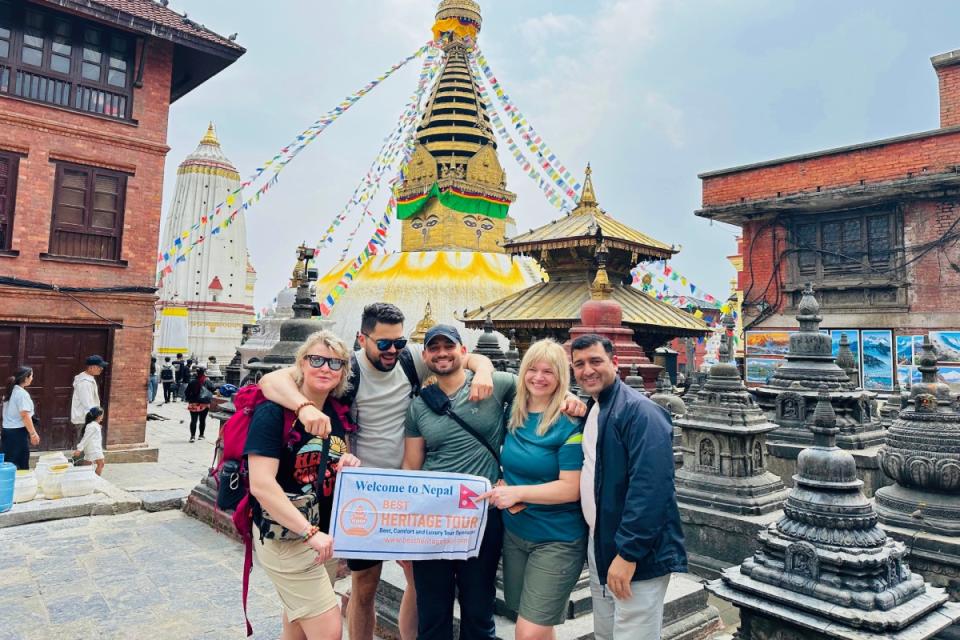
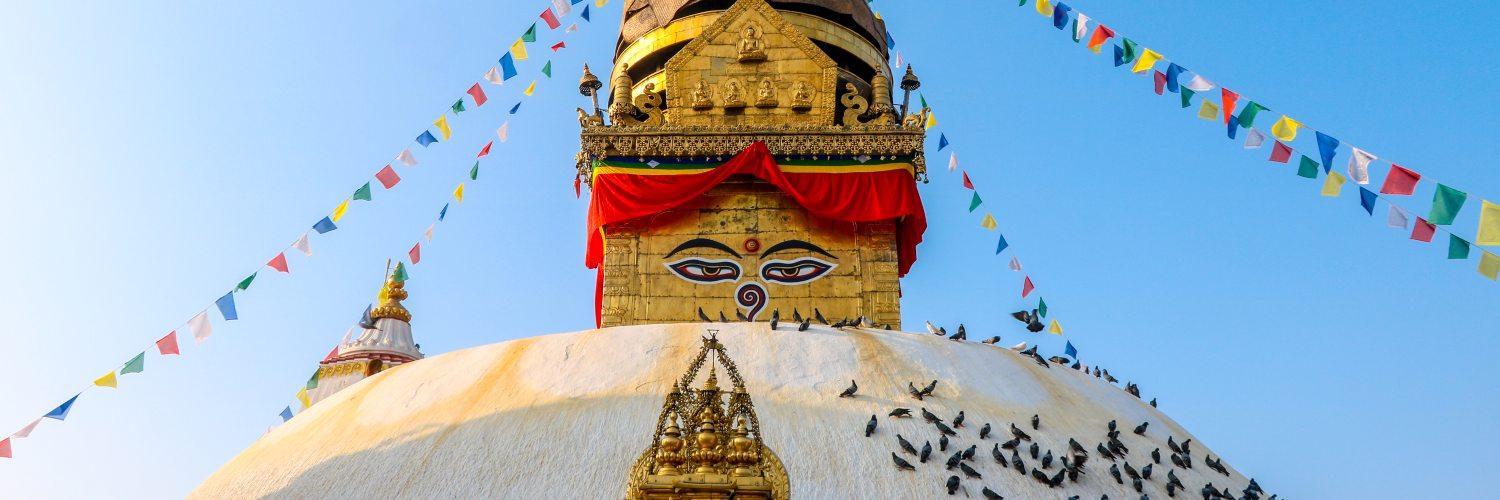
Swayambhunath Stupa, affectionately known as the Monkey Temple, is perhaps the most iconic symbol of Kathmandu. As the self-arisen holy site, its spiritual energy is ancient, drawing both Newar Buddhists and Tibetan practitioners for centuries.
However, many visitors only see the main stupa and the panoramic view, missing the rich tapestry of spiritual institutions - the monasteries (Gompas) and Newar Vihars - that cling to the hill's slopes. These sanctuaries represent the powerful, harmonious coexistence of Tibetan and indigenous Nepalese Newar Buddhism (Vajrayana).
A true pilgrimage to the Swayambhunath Temple Complex requires descending into these monastic courtyards. They are the living schools and centers of practice that sustain the hill's spiritual vitality.
Join Best Heritage Tour (BHT) as we guide you through the essential monasteries and vihara that complete the sacred journey around this historic UNESCO World Heritage Site.
The Essential Monasteries on the Hilltop
These monasteries are located directly within the main complex, making them highly accessible during your kora (clockwise circumambulation). They primarily represent the Tibetan Buddhist lineages that pay homage to the ancient Swayambhu Stupa.
1. Shri Karma Raja Mahavihar (Karma Kagyu Lineage)
-
Significance: This is the most prominent Tibetan monastery located on the northern side of the main stupa platform. It is historically significant as the main seat in Nepal for the Karma Kagyu lineage and was closely associated with H.H. the 16th Gyalwa Karmapa.
-
The Experience: It is a vibrant center for the Karma Kagyu tradition, and you can often witness monks engaged in daily rituals (Pujas). The monastery has undergone continuous development and restoration, maintaining a strong focus on traditional monastic education.
-
What to See: Look for the monastery's architecture and the rich inner shrine hall, which reflects the deep, devotional practices of the Karma Kagyu school.
2. Dharmachakra Mahavihar (Drukpa Kagyu Lineage)
-
Significance: Also known as the Bhutanese Gumba, this monastery is a key center for the Drukpa Kagyu lineage. It was established in the 19th century and has a long history of involvement in the maintenance and restoration of the Swayambhunath Stupa itself.
-
The Experience: Located near the Harati Temple (Ajima Temple) on the northwest side, it offers a distinct architectural feel and a welcoming atmosphere.
-
Historical Note: The late Bhutanese master Lopön Tsechu Rinpoche, who was instrumental in the 2010 restoration of the Swayambhu Stupa, was affiliated with this lineage, underscoring its historical importance to the site.
3. Dewa Dharma Monastery
-
Significance: Located on the western side of the stupa, this is one of the oldest monasteries in the immediate complex, dating back to the late 18th century. It is revered for housing an important bronze icon of the Buddha.
-
The Experience: Often overlooked, this monastery provides a quieter, more historical atmosphere. It showcases beautiful traditional Tibetan paintings (Thangkas and murals), offering a visual connection to the artistic traditions preserved by the local Buddhist communities.
-
What to See: Seek out the monastery for its bronze icon and to admire the fine details of its traditional Tibetan artistic style.
The Newar Buddhist Vihara on the Slopes
Swayambhunath is the ultimate synthesis of Hinduism and Buddhism, but it is fundamentally the most sacred site for Nepal’s indigenous Newar Buddhists (the Vajrayana tradition). The Viharas (traditional Newar monastery courtyards) surrounding the base of the hill are where this ancient lineage thrives.
1. Shree Karma Raj Mahavihar (Swayambhu Vihara)
-
Significance: Not to be confused with the Karma Raja Mahavihar on the hilltop, the Vihar structure at the base represents the strong presence of Newar Buddhism. For Newar Buddhists, the stupa is the focus of their daily worship and complex ceremonial calendar.
-
The Experience: The Newar Viharas are built around large courtyards and often feature exquisite Newar wood carving and metalwork, reflecting a different, more localized architectural style than the Tibetan Gompas.
-
Cultural Connection: Observing the Newar traditions here, such as the Bahal festivals and the worship of specific Newar deities alongside the Buddha, highlights the unique, syncretic nature of Nepalese spirituality.
2. The Buddha Amideva Park (Ring Road Entrance)
-
Significance: Located at the foot of the hill near the main Ring Road, this newer compound is an important site for Tibetan pilgrims and general visitors. It houses three enormous, glistening golden statues of:
-
Shakyamuni Buddha
-
Guru Rinpoche (Padmasambhava)
-
Chenresig (Avalokitesvara)
-
-
The Experience: While modern, the sheer scale of the statues makes for an awe-inspiring sight and is an important devotional stop. It serves as a visual reminder of the three core figures in Vajrayana Buddhism.
Beyond the Stupa - The Harmony and History
Exploring the monasteries at Swayambhunath is about understanding the enduring history of the site itself, which far predates the arrival of Tibetan Buddhism.
1. The Ancient Origin and Manjushri’s Legend
Swayambhu's unique power comes from the legend that the Stupa was "Self-Existent" - arising from a primordial lotus in the lake that once filled the Kathmandu Valley.
-
Manjushri: It was the Bodhisattva Manjushri who, upon seeing the radiant lotus, cut the gorge at Chobar to drain the lake, allowing pilgrims to access the site. This mythology makes the Swayambhu hill the mythical birthplace of the Kathmandu Valley, attracting masters and pilgrims across all traditions for over 2,500 years.
2. The Spiritual Harmony
Swayambhunath is arguably the best place in Nepal to observe religious harmony:
-
Harati Temple (Ajima Temple): Immediately behind the main stupa is a two-tiered Newari temple dedicated to Harati Ajima, the Hindu-Buddhist Goddess who is the protector of children. Devotees line up to pray for their children’s health, embodying the intertwined nature of the two faiths.
-
Hindu Shrines: The hill is dotted with other Hindu shrines and temples, including the Pratappur and Anantapur Temples (built by King Pratap Malla), creating a seamless blend of iconography.
3. Swayambhunath Museum and Library
-
The Educational Stop: Near the monastic quarter on the western side is a small Buddhist Museum and Library. It is a valuable stop to learn about the history of the site, the restoration efforts, and the intricacies of Newar and Tibetan Buddhist iconography.
Conclusion: A Living Spiritual Landmark
The Swayambhunath Temple Complex is more than just the iconic stupa or the entertaining monkeys; it is a profound historical and spiritual convergence point. The monasteries - the stately Tibetan Gompas and the intimate Newar Viharas - are the living schools that sustain this ancient heritage.
A visit guided by Best Heritage Tour ensures you not only witness the physical beauty of the site but understand the deep, unique cultural history preserved in every prayer wheel and monastic courtyard on the hill.
Ready to climb the steps to ancient enlightenment and explore the secrets of the Monkey Temple's monasteries? Contact BHT to organize your guided spiritual tour of Swayambhunath.
Phone / WhatsApp / Viber: +977-9851149197 / +977-9810043046
Email: info@bestheritagetour.com / bestheritagetour@gmail.com
Website: www.bestheritagetour.com
Office: Thamel Marg, Kathmandu, Nepal
Author: Best Heritage Tour
Date: 24th December, 2025