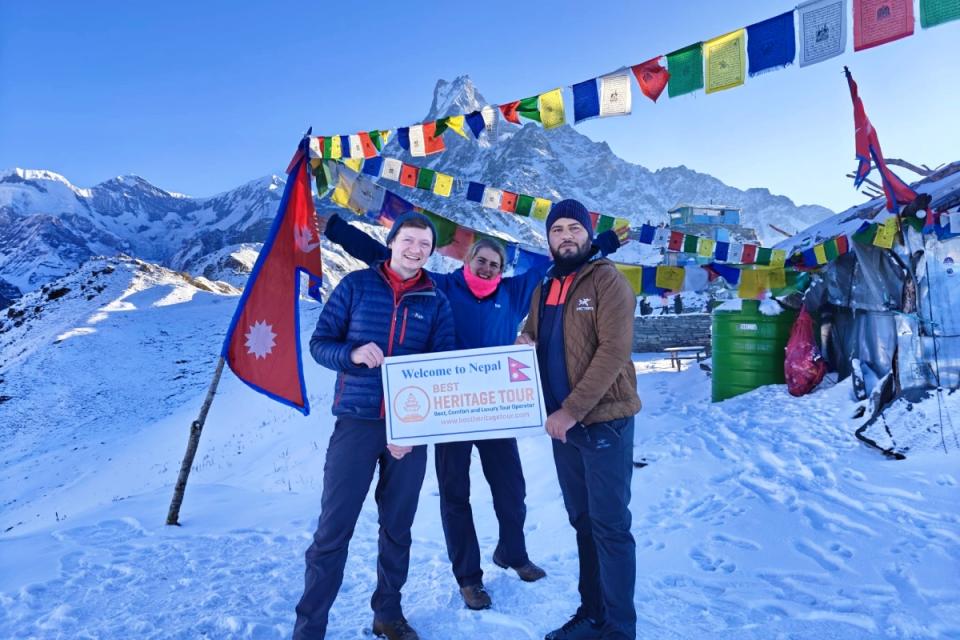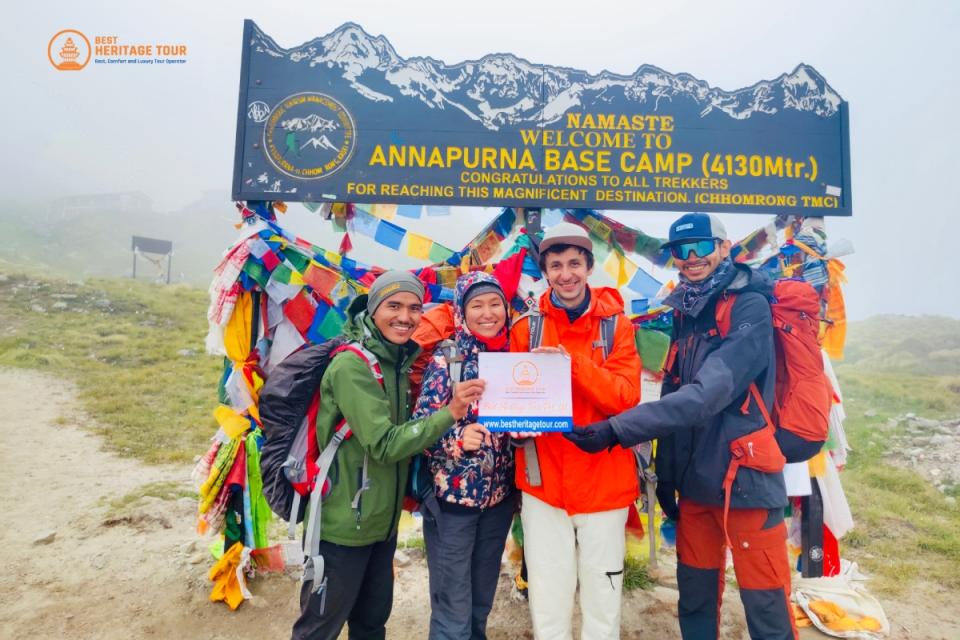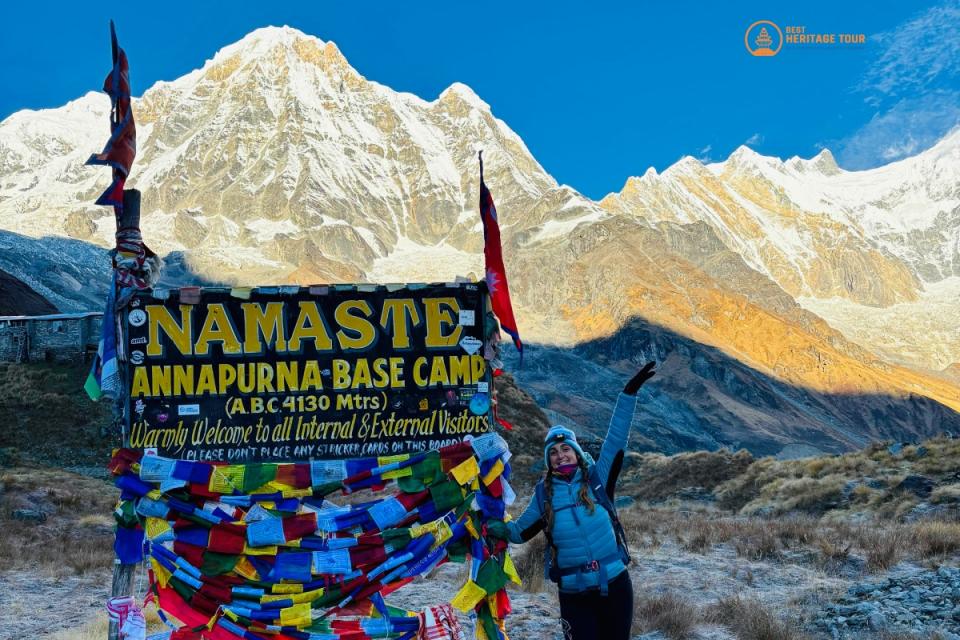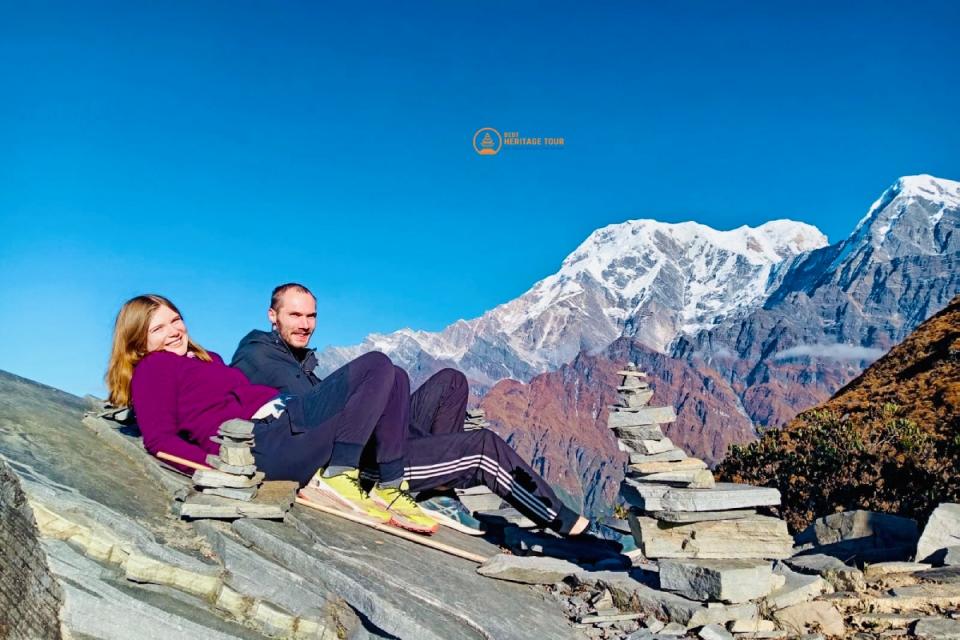
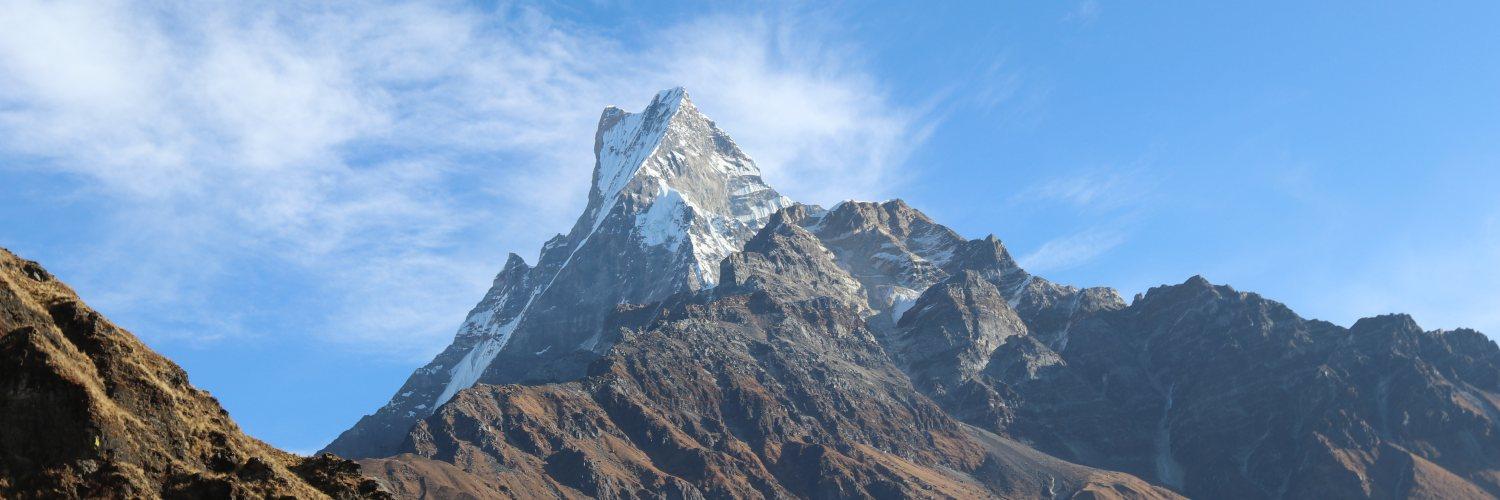
The Mardi Himal Trek is the "hidden jewel" of the Annapurna region. While thousands of travelers flock to the classic Annapurna Base Camp or Everest trails, those seeking a more intimate, quiet, and visually stunning experience are turning their eyes toward the Mardi Himal ridge.
In 2026, this trek remains a top recommendation for travelers who want to stand face-to-face with the iconic Machhapuchhre (Fishtail) and Annapurna South without the high-altitude technicality of other routes. This blog provides a comprehensive breakdown of everything you need to know: the detailed 7-day itinerary (including the Jhinu Danda hot springs), current costs for 2026, and the best times to embark on this journey.
Why Trek Mardi Himal in 2026?
The Mardi Himal trail was only officially opened for teahouse trekking in 2012. Before then, it was a path used only by local shepherds. Today, it offers a unique "ridge-walking" experience. Unlike most treks that follow river valleys (where your views are often blocked by hills), Mardi Himal follows a high mountain spine. This means you get 360-degree views of the Himalayas for almost the entire second half of the trek.
Highlights of the Journey:
-
The Cloud Walk: Much of the trail between Low Camp and High Camp is above the clouds.
-
Proximity to Machhapuchhre: You get closer to the "Holy Mountain" (Fishtail) than on almost any other trek in Nepal.
-
The Hot Springs: Our specific 2026 itinerary includes a visit to the natural hot springs at Jhinu Danda to soothe your muscles.
-
Eco-Tourism: You’ll stay in local teahouses, supporting the mountain communities directly.
Best Time to Go: 2026 Seasonal Guide
The weather in the Himalayas is the most important factor for your safety and enjoyment. Here is what to expect for the 2026 seasons:
Spring (March - May) - The Floral Paradise
This is the most popular time for nature lovers. The lower hills are covered in Rhododendron forests (the national flower of Nepal), which bloom in shades of red, pink, and white.
-
Weather: Warm days (15°C to 20°C) and cool nights (0°C to 5°C).
-
Visibility: Excellent morning views, though afternoon clouds are common.
Autumn (September - November) - The Gold Standard
Post-monsoon air is the cleanest in the world. This is the prime season for photographers who want sharp, crisp views of the peaks.
-
Weather: Stable and dry. Daytime temperatures are perfect for hiking (12°C to 18°C).
-
Visibility: Crystal clear skies nearly all day.
Winter (December - February) - The Silent Trek
If you don't mind the cold, winter offers empty trails and deep blue skies. You will need a heavy down jacket and a -20°C sleeping bag.
-
Weather: Very cold at night (down to -15°C at High Camp).
-
Visibility: Extremely high visibility, often better than spring.
Mardi Himal Trek Cost Breakdown for 2026
Budgeting for a trek in Nepal involves several moving parts. For 2026, the Nepal government has maintained strict regulations regarding mandatory guides for foreign trekkers to ensure safety.
Permit Fees
You require two main permits for the Mardi Himal region:
-
ACAP (Annapurna Conservation Area Permit): NPR 3,000 (approx. 30 USD).
-
TIMS (Trekkers' Information Management System): NPR 2,000 (approx. 20 USD).
Daily Expenses (Food & Lodging)
-
Meals: Expect to spend $25 - $35 per day for three meals. Dal Bhat (lentils and rice) is the most sustainable and affordable option.
-
Accommodation: Basic teahouses cost $5 - $10 per night. Prices increase slightly as you gain altitude.
-
Extras: Hot showers, Wi-Fi, and electronic charging usually cost $2 - $5 each.
Staff & Logistics
-
Licensed Guide: $25 - $35 per day (Highly recommended for navigation and cultural insight).
-
Porter: $20 - $25 per day (One porter can carry the bags for two trekkers).
Best Heritage Tour offers the all inclusive Mardi Himal Trek package at just USD 490*.
The Mardi Himal 7-Day Itinerary
This is the optimized route used by Best Heritage Tour for 2026. It balances rapid altitude gain with a relaxing finish.
Day 1: Drive from Kathmandu to Pokhara
The journey begins with a scenic 6-7 hour drive along the Prithvi Highway. You will pass through lush green valleys and winding rivers before reaching Pokhara, the "City of Lakes." Spend your evening enjoying the atmosphere of Lakeside.
Day 2: Drive to Dhampus (1,640m) & Hike to Deurali (2,100m)
A short 1.5-hour drive brings us to Dhampus, a beautiful Gurung village. From here, we begin our hike. The trail is a gentle uphill climb through forests and small settlements. Deurali offers the first grand views of the Annapurna Massif.
Day 3: Deurali (2,100m) to Forest Camp (2,600m)
Today, the trail enters a deep, quiet forest of oak, maple, and rhododendron. This section is peaceful and full of birdlife. The ascent is gradual, allowing your body to adjust to the higher elevation.
Day 4: Forest Camp (2,600m) to High Camp (3,600m)
The landscape shifts dramatically today. We leave the dense forest and enter the "shrubland" as we climb toward Low Camp and then Badal Danda. By the time we reach High Camp, you are walking on a narrow ridge with huge drops on either side and the Himalayas right in front of you.
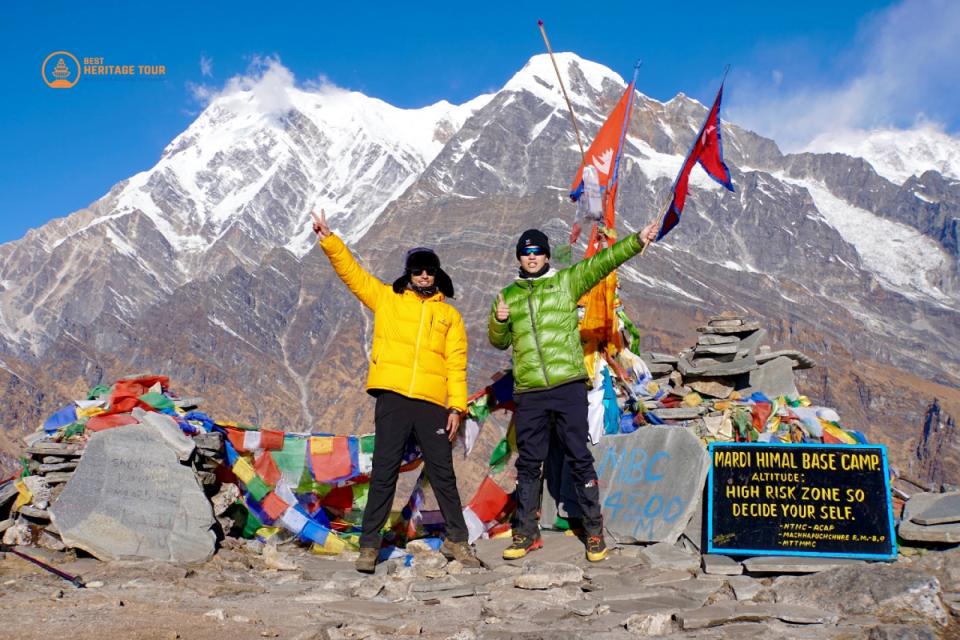
Day 5: High Camp to Mardi Himal Base Camp (4,500m) & Return to Low Camp (3,050m)
This is the highlight of the trek. We start at 4:00 AM to reach the viewpoint for sunrise. At 4,500 meters, you are standing directly under the majestic face of Machhapuchhre. After soaking in the views, we descend back to Low Camp for the night.
Day 6: Low Camp (3,050m) to Jhinu Danda (1,780m)
Instead of returning the same way, we head toward the Modi Khola valley. This descent takes us through traditional villages like Landruk. We finish the day at Jhinu Danda, where you can soak in the natural riverside hot springs—the perfect remedy for tired legs!
Day 7: Jhinu Danda to Siwa/Ghandruk Phedi & Drive to Pokhara
A final short walk through the foothills brings us to the road head at Siwa. A private jeep will be waiting to drive us back to Pokhara (2-3 hours), where you can celebrate the completion of your trek with a hot shower and a lakeside dinner.
Preparation and Training
The Mardi Himal Trek is classified as Moderate. You don't need technical climbing skills, but you should be prepared for:
-
Stairs: Nepal is the land of stone steps. Practice climbing stairs with a 5kg backpack.
-
Knee Health: The descent from 4,500m to 1,780m is steep. Use trekking poles and take it slow.
-
Cardio: 3-4 days of cardio (running or cycling) per week for a month before your trip will make the hike much more enjoyable.
Conclusion: Start Your Adventure with Best Heritage Tour
The Mardi Himal Trek is a journey of a lifetime. It offers a rare perspective of the Himalayas that most travelers never see. However, navigating the new 2026 guide regulations and securing the best teahouses requires local expertise.
At Best Heritage Tour, we handle all the logistics - permits, transport, and safety - so you can focus on the mountains. Our guides are experts in the Annapurna region and are committed to your safety and satisfaction.
Contact Us to Book Your 2026 Mardi Himal Trek
Ready to walk above the clouds? Reach out to our team today to get a personalized quote or to join one of our fixed departure groups.
Phone / WhatsApp / Viber: +977-9851149197 / +977-9810043046
Email: info@bestheritagetour.com / bestheritagetour@gmail.com
Website: www.bestheritagetour.com
Office: Thamel Marg, Kathmandu, Nepal
Author: Best Heritage Tour
Date: 18th December, 2025