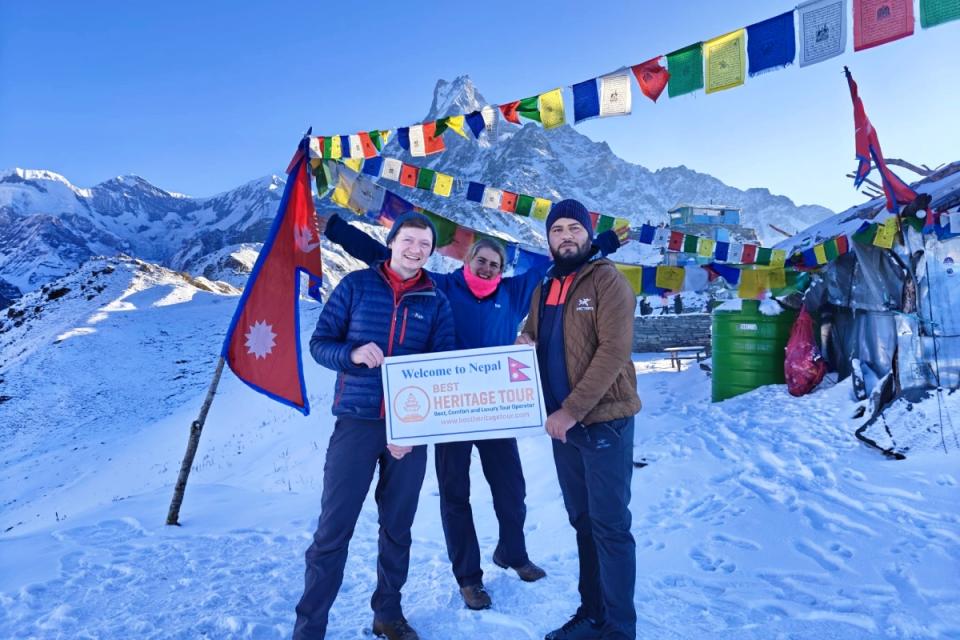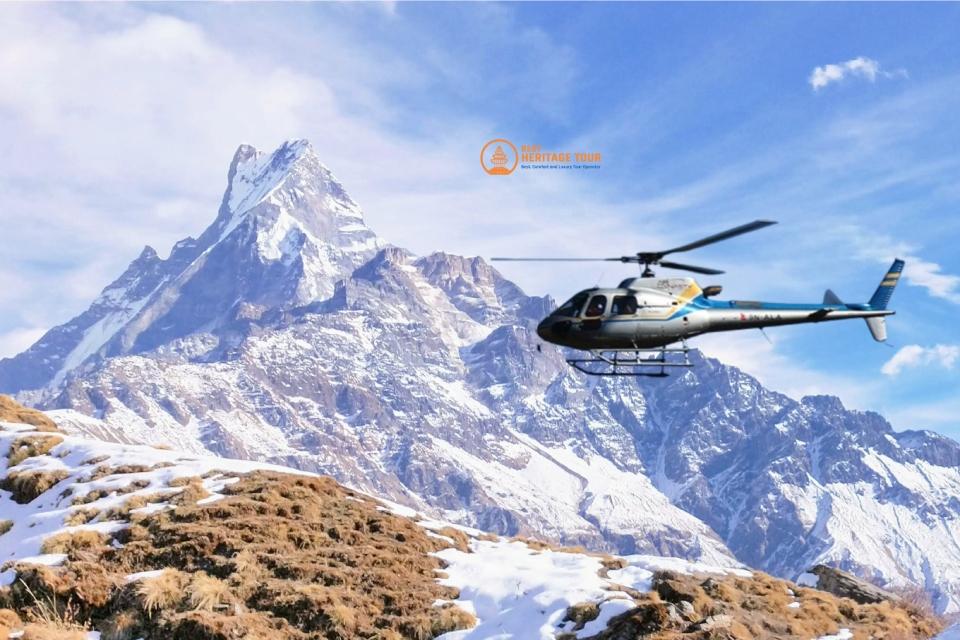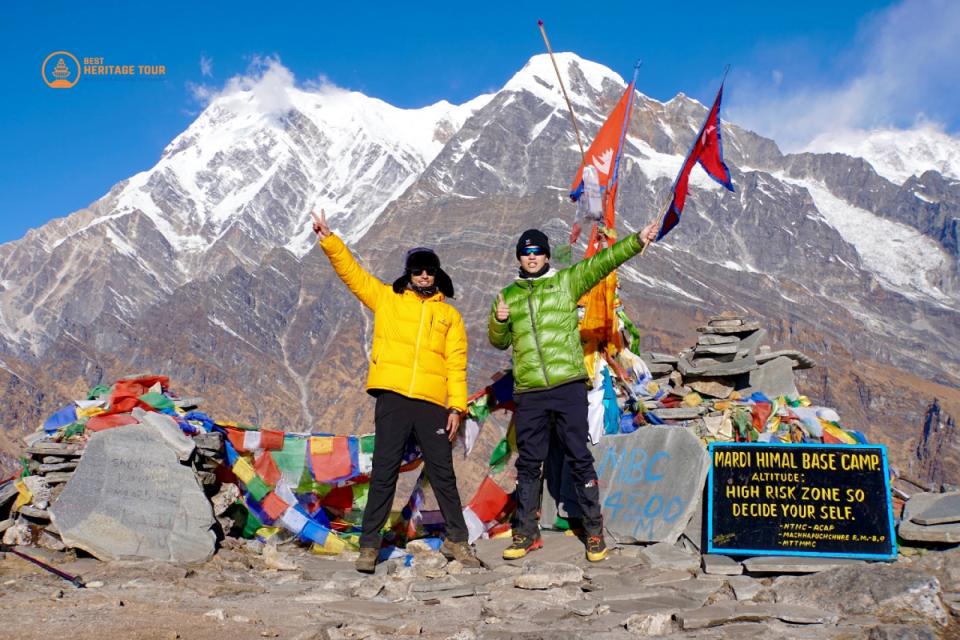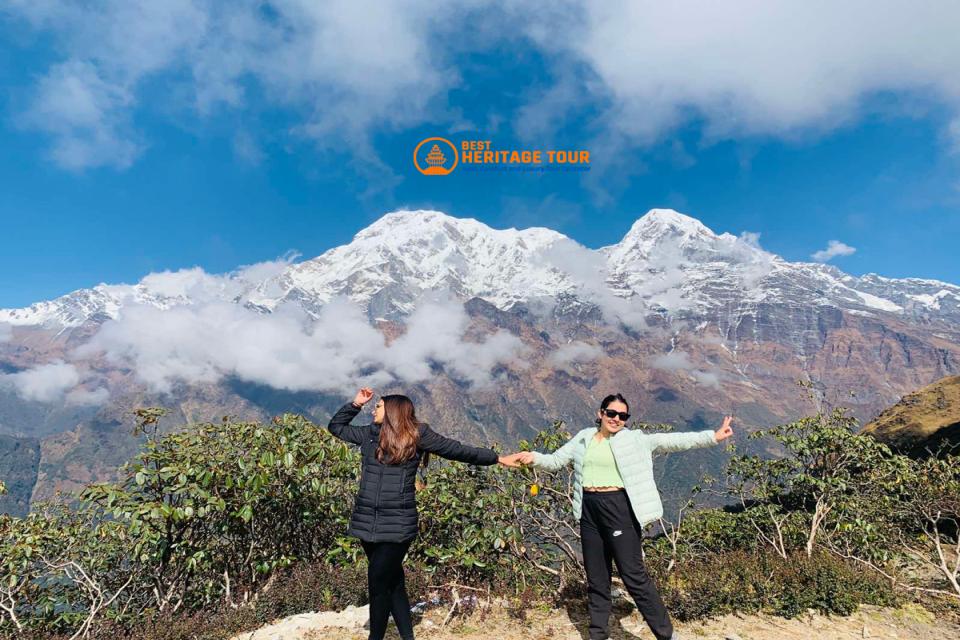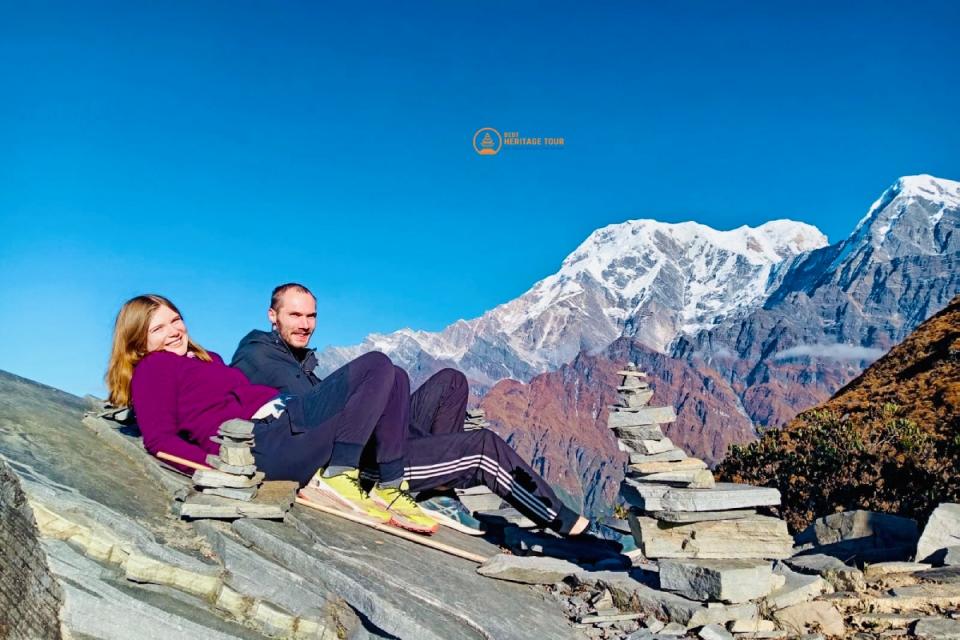
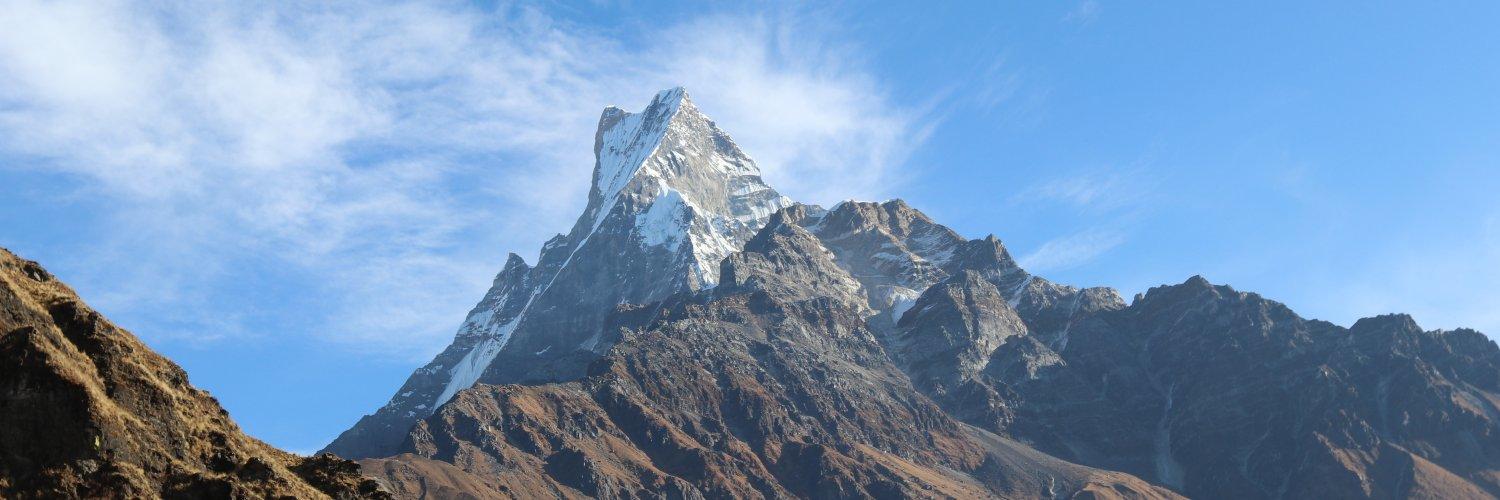
The Mardi Himal Trek has rapidly become one of Nepal’s most sought-after adventures. As a local guide with deep experience on the Annapurna trails, I've seen its popularity explode. Why? Because it promises something truly magical: close-up, spectacular Himalayan views - especially of Machhapuchhre (Fishtail) - without the long commitment or the crushing crowds of the traditional routes.
But with its quick ascent and a peak elevation of 4,500 meters (14,764 feet) at the Base Camp, a critical question arises for every potential trekker: How hard is the Mardi Himal Trek, really?
Is it a gentle walk through the rhododendron forests, or a brutal, high-altitude sprint?
The simple answer is that the Mardi Himal Trek falls squarely in the Easy-to-Moderate category. It is highly accessible to beginners who are reasonably fit. However, this definition is too simple. The challenge is nuanced, lying not just in the distance, but in the steep, ridge-line ascent and the rapid gain in Mardi Himal altitude.
This comprehensive, guide from Best Heritage Tour will dissect the true difficulty of the Mardi Himal trail. We will break down the trek by distance, elevation, terrain, and acclimatization risk, giving you the unfiltered, human-centric details you need to prepare for a successful and unforgettable journey.
I. The Core Difficulty Metrics: Mardi Himal in Numbers
To properly evaluate the Mardi Himal Trek difficulty, we must look beyond vague descriptions and examine the cold, hard data. We compare the Mardi Himal Base Camp (MHBC) trail to two of the region's most famous treks to put its difficulty into perspective.
|
Metric |
Mardi Himal Trek (MHBC) |
Annapurna Base Camp (ABC) Trek |
Everest Base Camp (EBC) Trek |
|---|---|---|---|
|
Duration (Typical Itinerary) |
4 to 7 Days (Pokhara to Pokhara) |
7 to 12 Days |
12 to 14 Days |
|
Maximum Altitude (MHC/MHBC) |
4,500m (14,764ft) |
4,130m (13,550ft) |
5,364m (17,598ft) |
|
Daily Walking Hours |
4 to 7 Hours (Shorter, steeper days) |
5 to 8 Hours (Longer, more consistent) |
5 to 7 Hours |
|
Daily Distance |
4-10 km (Shorter days) |
10-15 km (Longer days) |
10-15 km |
|
Trail Classification |
Easy to Moderate (Accessible to fit beginners) |
Moderate (Requires higher stamina) |
Strenuous (High altitude, long duration) |
|
Primary Challenge |
Steep ascent & fast altitude gain to High Camp. |
Long stone steps & overall duration/endurance. |
Extreme altitude & risk of severe AMS. |
The Altitude Factor: 4,500 Meters is High Altitude
The highest point you will reach is Mardi Himal Base Camp at 4,500m. This is a true high-altitude zone.
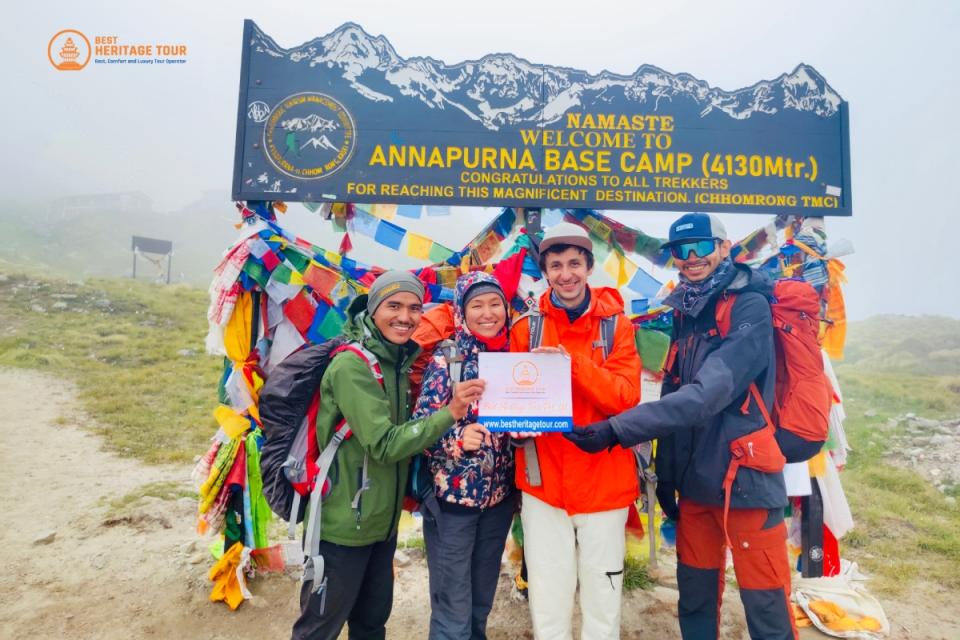
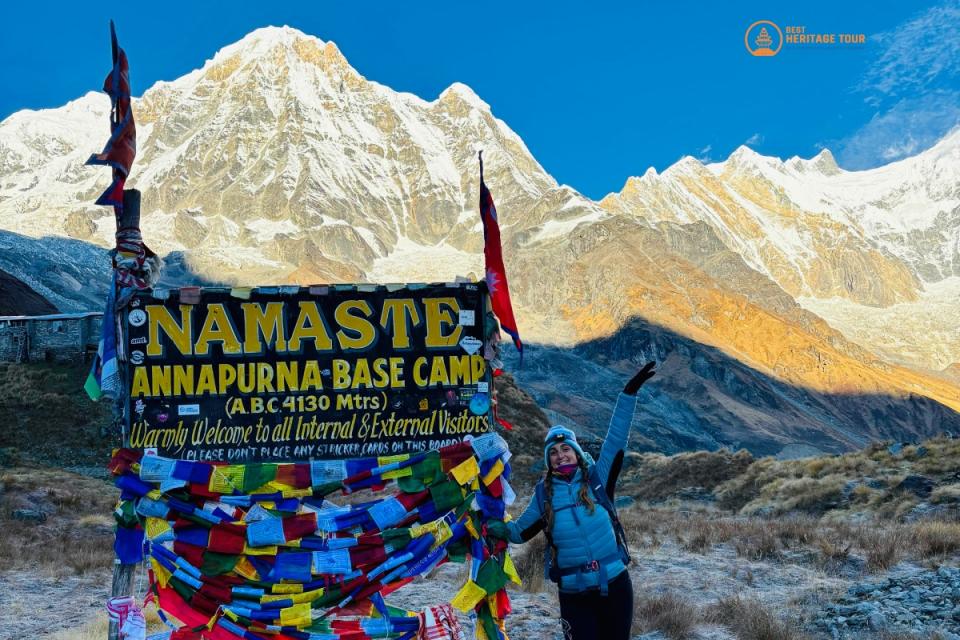
The Reality Check: While Mardi Himal is often chosen for its shorter duration, the trail climbs faster than the Annapurna Base Camp (ABC) trail, which only reaches 4,130m. The speed of ascent is the single biggest contributor to the Mardi Himal difficulty for many trekkers. Above 3,000m, the air starts to thin, and your body must work harder. This makes acclimatization crucial - a detail we address thoroughly below.
II. Trail Breakdown: The Day-by-Day Challenge
The Mardi Himal trekking route is essentially divided into three distinct phases. Understanding the terrain in each phase is key to proper physical and mental preparation.
Phase 1: The Forest Trek (Deurali to Low Camp)
-
Altitude Range: approx 2,100m to approx 3,000m
-
Terrain: This is the beautiful, quiet part of the trek. You walk mostly on natural earthen and stone paths through dense, enchanting rhododendron and oak forests. The trail is narrow, damp, and rugged, but offers excellent shade.
-
Difficulty: Moderate. The main challenge here is the steep, relentless uphill climb. There are no long, flat sections to recover; it is a constant, stair-like ascent. This is where your leg muscles and stamina are truly tested. It's physically demanding, but safe and non-technical.
Phase 2: The Ridge Walk (Low Camp to High Camp)
-
Altitude Range: approx 3,000m to approx 3,600m
-
Terrain: The forest thins, and you emerge onto a high, exposed alpine ridge. The terrain is rockier and grassier, with the Machhapuchhre massif dominating your view. You’ll walk primarily on a high, narrow path.
-
Difficulty: Moderate-to-Challenging. The trail is often rocky and can be icy or snowy in the winter and early spring months. The main challenge here is the exposure and the wind, coupled with the start of true altitude effects. The views are utterly distracting, but careful footing is essential. This is the part of the trek that feels truly Himalayan and more remote.
Phase 3: The Summit Day Sprint (High Camp to Mardi Himal Base Camp)
-
Altitude Range: approx 3,600m to approx 4,500m
-
Terrain: This is an early morning start (often before dawn) and the most physically demanding segment. The trail is rough, rocky, and can be snowy/slippery. It’s a steep, focused climb along the crest of the ridge.
-
Difficulty: Challenging. This is a 6-7 hour round trip on a single day, involving climbing 900 meters and then immediately descending it. The combination of early morning cold, the significant altitude gain in a short time, and the fatigue from previous days makes this the crux of the Mardi Himal difficulty. However, the sheer proximity to Machhapuchhre, Annapurna South, and Hiunchuli is the reward that fuels every step.
III. The Greatest Hurdle: Altitude Sickness Risk
For most trekkers, the biggest factor influencing the Mardi Himal Trek difficulty is the risk of Acute Mountain Sickness (AMS), primarily due to the relatively fast ascent schedule of the standard 5-day itinerary.
Understanding the Danger Zone
-
The Threshold: Altitude sickness can affect anyone above 3,000 meters (9,842 feet).
-
Mardi Himal’s Risk: The standard itinerary often has you sleeping at Low Camp (approx 3,000m) and then High Camp (approx 3,600m) on consecutive nights, followed by the climb to 4,500m. This rapid vertical gain, particularly from Low Camp upwards, presents a real risk, especially for those who rush.
|
Elevation |
Key Concern |
Prevention Strategy |
|---|---|---|
|
Forest Camp (approx 2,550m) |
Early fatigue from steep climbing. |
Pacing: Walk at a slow, steady pace ("Nepali flat"). |
|
Low Camp (approx 3,000m) |
AMS threshold crossed. Mild headaches possible. |
Hydration: Drink 3-4 liters of water/liquids daily. Avoid alcohol/caffeine. |
|
High Camp (approx 3,600m) |
Higher risk of moderate AMS symptoms. |
Acclimatization: Consider an extra night here, or hike high during the day and sleep low. |
|
Base Camp (4,500m) |
Highest risk point. Immediate descent is mandatory. |
Listen to your guide: Report any headache, nausea, or dizziness immediately. Descend if symptoms worsen. |
Experienced Guide Tip: "The key to conquering the Mardi Himal altitude is not fitness, but patience. Walk slow. Drink lots of water. And if you feel unwell, do not ascend - descend. A good guide will prioritize a safe descent over reaching the Base Camp."
IV. Who Can Trek Mardi Himal? Fitness and Preparation
The beauty of the Mardi Himal Trek is that it is highly rewarding for beginners, but it is not a walk in the park. Here is the profile of a successful Mardi Himal trekker:
Fitness Level Required
The trek is categorized as Easy to Moderate because it requires a moderate level of physical fitness but no technical skills (no ropes or climbing gear).
-
Cardiovascular Endurance: You must be comfortable walking for 5 to 7 hours a day for several consecutive days. This involves steep inclines.
-
Leg Strength: The first few days of the ascent through the forest are largely uphill steps. Your quadriceps, calves, and knees will bear the load.
-
Preparation: Start training 1-2 months before your trip. Focus on:
-
Stair Climbing or Hill Repeats: Mimic the steep, relentless uphill of the trail.
-
Long Walks: Take 3-4 hour walks with a light backpack to build endurance and break in your boots.
-
Mardi Himal vs. Annapurna Base Camp (ABC) - A Final Comparison
|
Factor |
Choose Mardi Himal If... |
Choose Annapurna Base Camp If... |
|---|---|---|
|
Time Constraint |
You have limited time (5-8 days) but want a high-altitude view. |
You have 10-14 days for a longer, more immersive trek. |
|
Crowd Level |
You seek a less crowded, more serene, and wilder experience. |
You enjoy a busy, social trail with more trekkers and teahouses. |
|
Scenery |
You prioritize close-up ridge views of Machhapuchhre and Annapurna South. |
You want a wider variety of landscapes (terraced fields, glacial basin). |
|
Physical Style |
You prefer shorter, steeper daily climbs (intensity). |
You prefer longer daily walks and a more gradual, natural acclimatization (endurance). |
The Verdict: If you are a beginner who is physically fit but time-constrained, the Mardi Himal Trek offers the maximum reward for a moderate effort.
V. Trekking Success: Logistics and The Best Time to Go
Even a moderate trek can be made significantly harder by poor weather or bad planning.
Best Seasons for Mardi Himal Trekking
Choosing the right season dramatically reduces the trail difficulty and enhances the experience:
-
Autumn (September to November): The absolute best time. Stable weather, moderate temperatures, and crystal-clear skies offer the best views, making the high ridge walk safer and more enjoyable.
-
Spring (March to May): The second-best season. Trails are still clear, and the rhododendron forests are in full, spectacular bloom, turning the hillsides into a riot of color - a major highlight of the trek.
-
Winter (December to February): Possible, but more difficult. Trails above Low Camp are likely to be snowy and icy, making the ridge walk slippery and exposed. Requires more specialized gear and cold-weather clothing.
-
Monsoon (June to August): Not recommended due to heavy rain, slippery trails, leeches, and poor visibility.
Accommodation and Essentials
The teahouses along the Mardi Himal trail, while adequate, are more basic than those on the main ABC route, particularly at High Camp.
-
Accommodation: Basic, simple teahouse lodging. Expect shared rooms at the highest camps.
-
Hot Water/WiFi: Available at lower camps (Low Camp and below), but less reliable and often costly at High Camp.
-
Packing Tip: Pack smart and light! Given the steep terrain, a lighter pack significantly reduces the effort required. Bring excellent waterproof hiking boots, layers of thermal clothing, and trekking poles - your best friends on the steep descents!
Conclusion: Your Mardi Himal Adventure Awaits
The Mardi Himal Trek difficulty is a manageable, rewarding challenge. It is not Everest, but it is also far from a gentle stroll. It’s a steep climb through the forest, a breathtaking walk on an exposed alpine ridge, and a high-altitude push to a stunning viewpoint.
With the right preparation, proper pacing, and the expert guidance of Best Heritage Tour, this trek is a perfectly achievable goal for nearly anyone seeking a truly wild, spectacular, and immersive Himalayan experience.
Stop dreaming about the mountains and start walking toward them!
Book Your Mardi Himal Adventure with Best Heritage Tour Today!
Phone / WhatsApp / Viber: +977-9851149197 / +977-9810043046
Email: info@bestheritagetour.com / bestheritagetour@gmail.com
Website: www.bestheritagetour.com
Office: Thamel Marg, Kathmandu, Nepal
Author: Best Heritage Tour
Date: 4th December, 2025