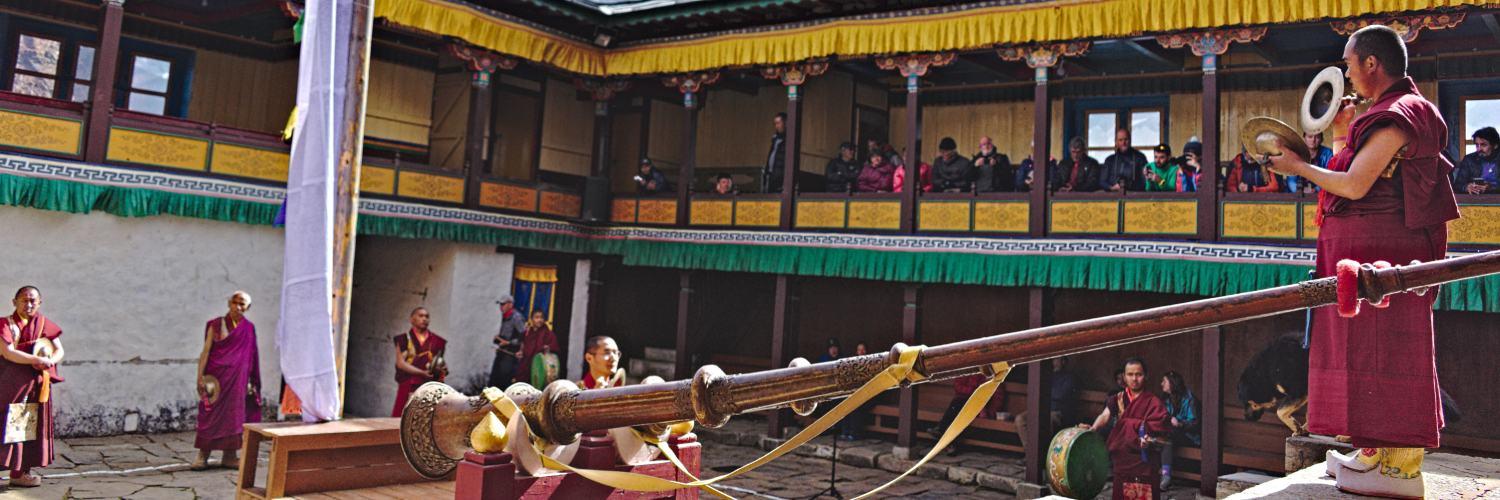
The Himalayas are the physical crown of the earth, but their true heart lies in the deep spiritual and cultural traditions preserved in their highest valleys. For the Sherpa people of Nepal's Everest region (Khumbu), no event captures this spirit quite like the Mani Rimdu Festival.
Far more than a simple celebration, Mani Rimdu is a profoundly sacred, three-day public ceremony of empowerment, masked drama, and spiritual cleansing that has been the anchor of the Sherpa Buddhist community for nearly a century. This festival offers an unparalleled window into the vibrant soul of the Himalayas, inviting trekkers and cultural explorers to pause their pursuit of the physical summit and connect with the spiritual altitude of the Khumbu.
For those planning an unforgettable journey to Nepal in 2026, timing your trek to the Everest region to coincide with this powerful event is perhaps the most enriching decision you can make. The team at Best Heritage Tour understands that true travel is about connecting with heritage, and there is no better heritage showcase than Mani Rimdu.
This comprehensive guide serves to educate and inform, detailing the significance, rituals, logistics, and most crucially, the confirmed dates for the Mani Rimdu Festival 2026 at its most celebrated location: the majestic Tengboche Monastery.
Mani Rimdu Festival 2026: Confirmed Dates and Key Locations
The date of the Mani Rimdu Festival is determined by the intricate calculations of the Tibetan lunar calendar. It traditionally falls during the ninth Tibetan month, often aligning with the full moon of October or November in the Gregorian calendar.
Based on the most current and reliable calculations for the main pilgrimage site, the Tengboche Monastery, the 2026 public celebration will take place in late autumn, perfectly complementing the peak trekking season.
The Sacred Schedule for 2026
The main public ceremonies of the Mani Rimdu Festival span three consecutive days, though the entire ritual cycle extends over a rigorous nineteen-day period of monastic preparation.
|
Event Location |
Primary Public Dates |
Tibetan Calendar |
|---|---|---|
|
Tengboche Monastery |
October 26th, 27th, 28th & 29th 2026 |
Full Moon of the 9th Month |
|
Thame Monastery |
Date to be confirmed |
(Another Important Site) |
|
Chiwong Monastery |
Date to be confirmed |
(Another Important Site) |
Note: While the festival is held in three monasteries in the Solu-Khumbu region (Tengboche, Thame, and Chiwong), the celebration at Tengboche Monastery (3,870m) is the largest and most famous, drawing the highest number of pilgrims and international visitors. Travelers aiming for the Mani Rimdu Festival 2026 should focus their itinerary planning around the mid-October dates for the Tengboche location.
Strategic Planning for Trekkers
The key takeaway for trekkers and cultural explorers is the need for meticulous planning. Reaching Tengboche requires a minimum of 4-5 days of trekking from Lukla Airport (the gateway to the Everest region). To arrive before October 26th, 2026, and allow for a mandatory acclimatization day in Namche Bazaar, travelers should aim to depart from Kathmandu for Lukla no later than October 20th or 21th, 2026.
This timeframe ensures a comfortable, safe, and fully immersive experience, rather than a rushed and potentially dangerous ascent.
The Deep Cultural and Historical Significance of Mani Rimdu
To truly appreciate the visual spectacle of Mani Rimdu, one must first understand its profound meaning within the Sherpa cultural heritage and Tibetan Buddhist traditions. The festival is a public reaffirmation of the teachings of Guru Rinpoche (Padmasambhava), the revered tantric master who introduced Buddhism to Tibet in the 8th century, overcoming negative spiritual forces in the process.
The Meaning in the Name
The name Mani Rimdu itself holds immense spiritual weight:
-
Mani: A shortened version of the revered six-syllable mantra of compassion, "Om Mani Padme Hum." This mantra is chanted incessantly by Buddhists worldwide and is central to the festival’s spiritual energy.
-
Rimdu (or Rilbu): Refers to the small, sacred red pills or Mani Rilwu (blessed pills for long life) distributed by the Rinpoche to the devotees during the Empowerment ceremony. It signifies the spiritual accomplishment or reception of blessings.
In essence, Mani Rimdu is a spiritual transmission, a ceremony performed to transform negative energies, ensure cosmic balance, and invoke the blessings of the divine for the benefit of all sentient beings.
The Victory of Dharma Over Chaos
At its historical core, the festival reenacts the legendary triumph of the forces of good (represented by Buddhist deities) over the forces of chaos and ignorance (represented by demons and anti-Buddhist spirits). The captivating mask dances, or Chham, are not mere entertainment; they are a living, moving illustration of this philosophical and spiritual victory.
By celebrating this event, the Sherpa community collectively seeks to:
-
Gain Spiritual Empowerment: Receiving blessings for longevity, peace, and prosperity from the Rinpoche.
-
Purify the Environment: Cleansing the Khumbu Valley and its inhabitants from spiritual and material obstacles.
-
Preserve Cultural Identity: Strengthening community bonds and passing on ancient Nyingma lineage traditions to the next generation.
-
Express Devotion: Showing gratitude to Guru Rinpoche and the Dharma Protectors who watch over the Himalayan land.
The Three Sacred Days: An In-Depth Look at Mani Rimdu Rituals
The public celebration is a captivating blend of solemn religious rites, intricate artistic expressions, and joyous communal gathering. It is an experience that resonates long after the trek is complete.
The 19-day monastic preparation culminates in the final three days of public spectacle:
Day 1: The Empowerment (Wong) - 26th & 27th October 2026
The first public day is dedicated to the Empowerment ceremony, or Wong. This is a profoundly moving experience where the Tengboche Rinpoche (the head lama) presides over the blessing of the sacred Mani Rilwu (long-life pills) and Tshereel (pills for protection).
-
The Ritual: Pilgrims and visitors gather in the monastery courtyard to receive the blessings. The Rinpoche, often assisted by senior monks, performs the consecration.
-
Significance: Receiving these sacred items is believed to confer protection from obstacles, promote long life, and spiritually fortify the recipient for the coming year. It marks the spiritual opening of the festival, drawing immense positive energy into the Khumbu region.
-
The Sand Mandala: This day also features the intricate, ongoing construction of the Sand Mandala inside the monastery. The mandala, created from millions of grains of colored sand over several days, is a symbolic cosmic palace of the deity - a pure universe. It serves as the focal point for all meditations and prayers during the festival.
Day 2: The Sacred Mask Dances (Chham) - 28th October 2026
The second day is the pinnacle of the visual celebration, featuring the famous Sacred Mask Dances (Chham). This dramatic performance is the spiritual heart of Mani Rimdu. Monks, having spent days in deep meditation to embody the deities, emerge in spectacular, elaborate costumes and fierce-looking masks to enact ancient morality plays.
The dances are performed in the Tengboche courtyard against the stunning backdrop of Ama Dablam, Everest, and Lhotse - a theatre unlike any other on earth.
Key Dances and Their Meaning:
-
The Dance of the Black Hat Sorcerer (Shanak): Represents the subjugation of negative forces. The dancers wear broad-brimmed black hats and sweep the courtyard, ritually cleansing the space of malevolent spirits.
-
The Dance of the Protectors (Mahakala, Mahakali): Monks wear frightening, multi-colored masks of the Dharma Protectors. These deities are fierce not out of malice, but out of their compassion to destroy ignorance, delusion, and the obstacles to enlightenment.
-
The Dance of the Skeletons (Dur-Dahk): Perhaps the most visually striking, two monks in skeleton costumes (Dur-Dahk) represent the Lord of the Dead. Their often-humorous, macabre antics remind the audience of the ultimate truth: the impermanence of life - a central theme in Buddhist philosophy.
-
The Comic Interludes: Throughout the dances, monks often perform brief, humorous dances with colorful, smiling masks (like the Ghing). These lighthearted interludes offer comic relief and often playfully mock the seriousness of worldly life, reinforcing the teachings in a relatable way.
Note for Visitors: The Chham dances are deeply religious rituals, not folklore performances. Respectful silence and reverence are expected. Visitors should consider themselves privileged guests witnessing a sacred rite.
Day 3: The Fire Puja (Jinsak) - 29th October 2026
The final public day culminates with the Fire Puja, or Jinsak, performed in a sacred enclosure outside the monastery. This powerful closing ceremony signifies the purification and the ritual scattering of residual negative energy.
-
The Ritual: Offerings of grain, butter, and other blessed substances are cast into a large fire, which is consecrated to Agni, the Hindu fire deity, and the Gods of the Mandala. The smoke carries the offerings to the spiritual world.
-
Significance: The Jinsak ritual is an act of purification, where all the harm, obstacles, and negativity that have been gathered and transformed throughout the festival are symbolically incinerated and dispelled, renewing the community and the environment for the year ahead.
-
The Mandala’s Dissolution: After the Fire Puja, the meticulously crafted Sand Mandala inside the monastery is ritually dismantled, often by sweeping the sand into a pile. This final, poignant act serves as a final, powerful lesson on the impermanent nature of life and all earthly existence. The sand is then ceremonially carried and poured into a nearby river, dispersing the blessings throughout the world.
Trekking Logistics: Planning Your Mani Rimdu 2026 Adventure
Attending the Mani Rimdu Festival transforms a challenging Himalayan trek into a profound cultural pilgrimage. The journey to Tengboche is itself an integral part of the experience, offering breathtaking views and warm Sherpa hospitality.
The Classic Itinerary for Cultural Trekkers
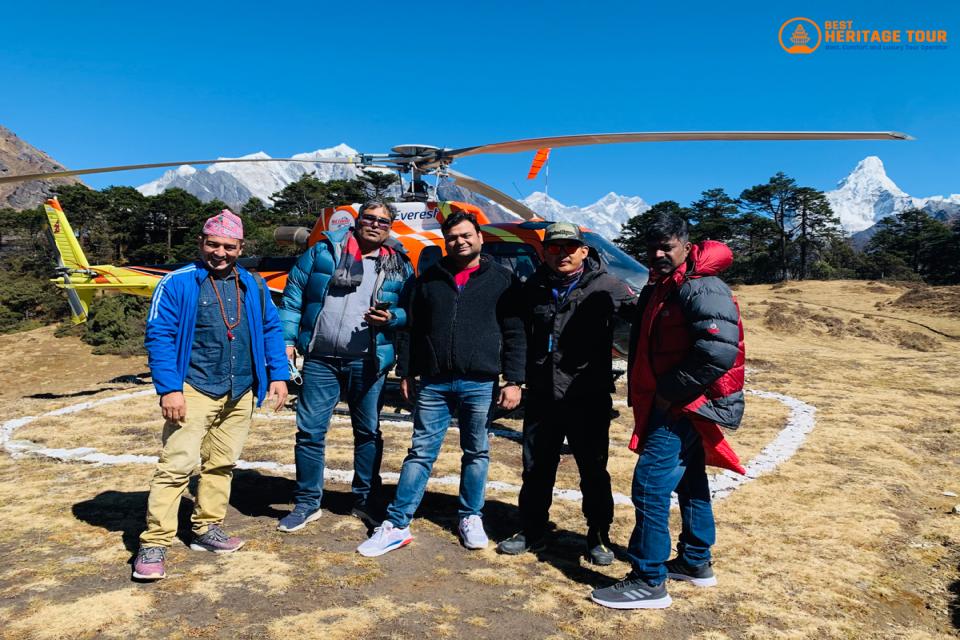
Most travelers will follow a focused itinerary designed to maximize cultural immersion while ensuring safe altitude acclimatization. A typical 10-12 day itinerary for the Mani Rimdu Festival Trek looks like this:
|
Day |
Destination |
Elevation (approx.) |
Activity / Significance |
|---|---|---|---|
|
Day 1 |
Arrive in Kathmandu |
1,400m / 4,593ft |
Final preparations, heritage sightseeing in Thamel/Kathmandu |
|
Day 2 |
Fly to Lukla, Trek to Phakding |
2,610m / 8,563ft |
Scenic mountain flight, first steps on the Khumbu trail |
|
Day 3 |
Trek to Namche Bazaar |
3,440m / 11,286ft |
Gateway to Everest, challenging climb, first views of Mt. Everest |
|
Day 4 |
Acclimatization Day in Namche |
3,440m / 11,286ft |
Essential rest, optional hike to Everest View Hotel (3,880m) |
|
Day 5 |
Trek to Tengboche |
3,870m / 12,697ft |
Trek past Dudh Koshi, steep final climb to the spiritual center |
|
Day 6 |
Festival Day 1: Empowerment (Wong) |
3,870m / 12,697ft |
Receiving blessings, witnessing the Sand Mandala creation |
|
Day 7 |
Festival Day 2: Mask Dances (Chham) |
3,870m / 12,697ft |
Main event - watching the sacred dramas and dance rituals |
|
Day 8 |
Festival Day 3: Fire Puja (Jinsak) |
3,870m / 12,697ft |
Final purification ceremony, preparation for descent |
|
Day 9 |
Trek back to Namche |
3,440m / 11,286ft |
Scenic descent, a final night in the Sherpa capital |
|
Day 10 |
Trek to Lukla |
2,800m / 9,186ft |
Long, rewarding day, celebration with the trekking team |
|
Day 11 |
Fly back to Kathmandu |
1,400m / 4,593ft |
Return flight, connecting back to the modern world |
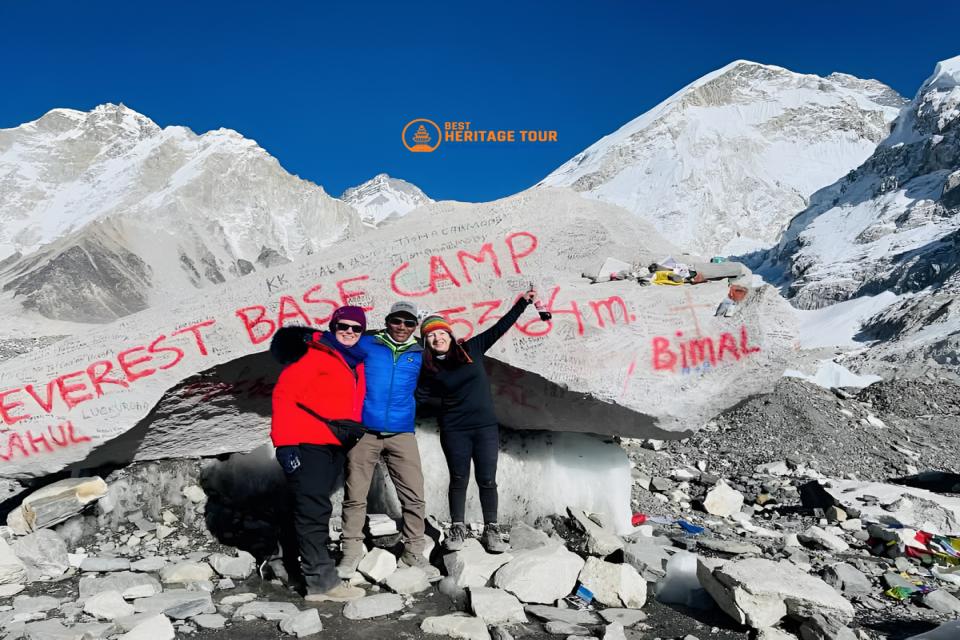
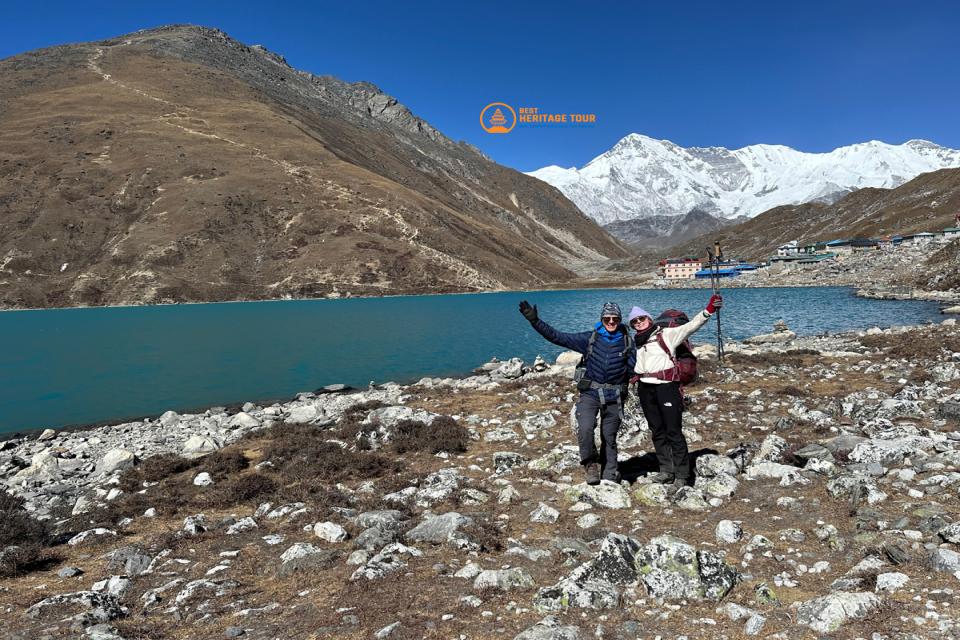
This itinerary can be easily tailored by Best Heritage Tour to combine the festival with an extension to Everest Base Camp (EBC) or the Gokyo Lakes Trek for a longer, more adventurous journey.
The Sherpa Spirit: What to Expect Beyond the Dances
The Mani Rimdu Festival is not just about the monks and their performances; it is a profound community event that defines the Sherpa culture in the Khumbu. As a visitor, you will be observing the Sherpa people at their most unified, devout, and joyful.
Sherpa Hospitality and Community Unity
Locals from Pangboche, Phortse, Khumjung, and Namche Bazaar trek for hours, often in their finest traditional dress, to attend.
-
Communal Feasts: The atmosphere is festive. Community elders exchange blessings and traditional gifts, and communal meals often take place in the courtyards or nearby lodges.
-
A Unique Social Gathering: For many Sherpas, especially those whose family members work as guides or porters for trekkers, this is one of the few times of the year the entire extended community gathers. The festival reaffirms their spiritual identity and commitment to the Dharma.
-
A Welcome to Guests: Despite the deep spiritual nature of the event, the Sherpa people are famously welcoming. Visitors are seen as guests and are included in the overall positive energy of the celebration, often receiving the same blessings and Mani Rilwu as the locals.
The Backdrop: Tengboche Monastery
The location of the main festival, Tengboche Monastery, is a destination in itself. Perched on a ridge at 3,870 meters, it offers arguably the most majestic panoramic view of the Everest region's giants:
-
Mt. Everest (8,848.86m): The roof of the world.
-
Lhotse (8,516m): The fourth highest peak.
-
Nuptse (7,861m): Part of the Everest massif.
-
Ama Dablam (6,812m): Often called the 'Matterhorn of the Himalayas' - its iconic peak dominates the view from Tengboche.
The monastery, which belongs to the Nyingma order of Tibetan Buddhism, has been rebuilt twice - once after an earthquake in 1934 and again after a devastating fire in 1989. Its resilience perfectly mirrors the indomitable spirit of the Sherpa people. Attending the festival here is an experience of culture, history, and natural grandeur merged into a single, breathtaking moment.
Final Preparations: Securing Your Spot in 2026
The Mani Rimdu Festival 2026 is a true once-a-year opportunity to weave a sacred cultural thread into the fabric of a world-class Himalayan adventure. This is the difference between simply seeing the Himalayas and truly experiencing their soul.
As a high-demand, high-altitude cultural event, securing your logistics with an experienced, locally-rooted partner is not just recommended - it is essential for a safe, respectful, and fulfilling journey.
Best Heritage Tour specializes in crafting customized heritage journeys and high-altitude treks, ensuring every detail, from Lukla flight bookings and Namche acclimatization to securing the best available lodging in Tengboche, is handled with local expertise. Our commitment is to provide a culturally immersive, educational, and professionally guided experience that respects the sanctity of this profound Sherpa tradition.
Do not miss this chance to witness the victory of compassion over ignorance against the highest mountains on earth.
Plan Your Mani Rimdu Festival Trek for October 2026 Today.
Book your custom Mani Rimdu Festival Trek with Best Heritage Tour.
Phone / WhatsApp / Viber: +977-9851149197 / +977-9810043046
Email: info@bestheritagetour.com / bestheritagetour@gmail.com
Website: www.bestheritagetour.com
Office: Thamel Marg, Kathmandu, Nepal
Author: Best Heritage Tour
Date: 9th December, 2025