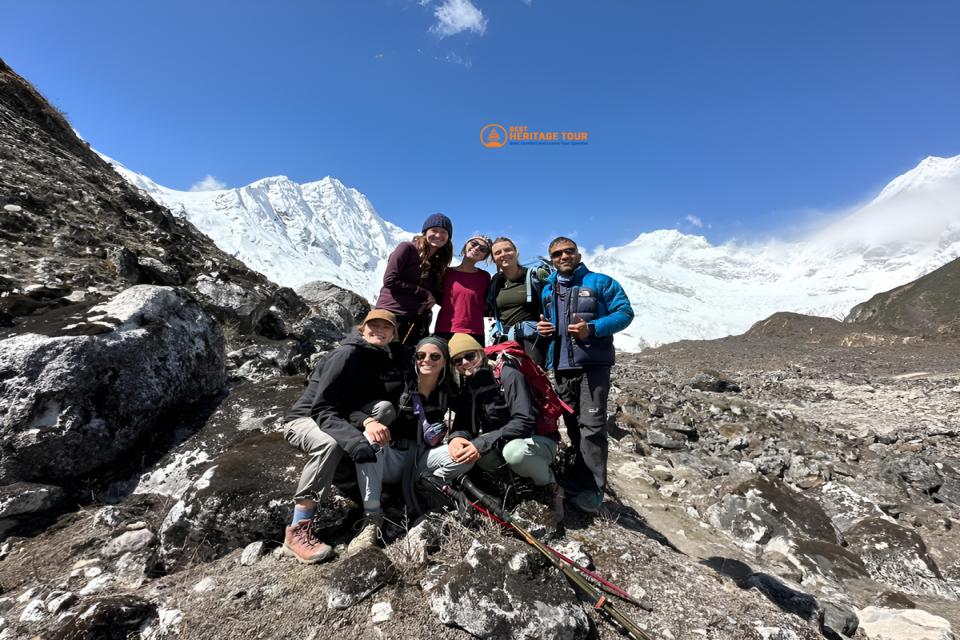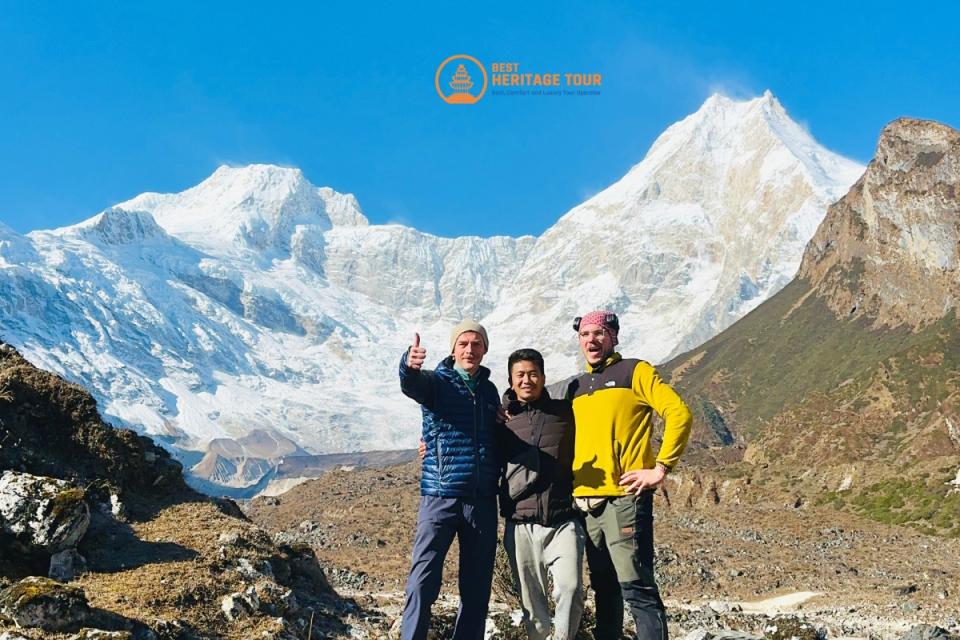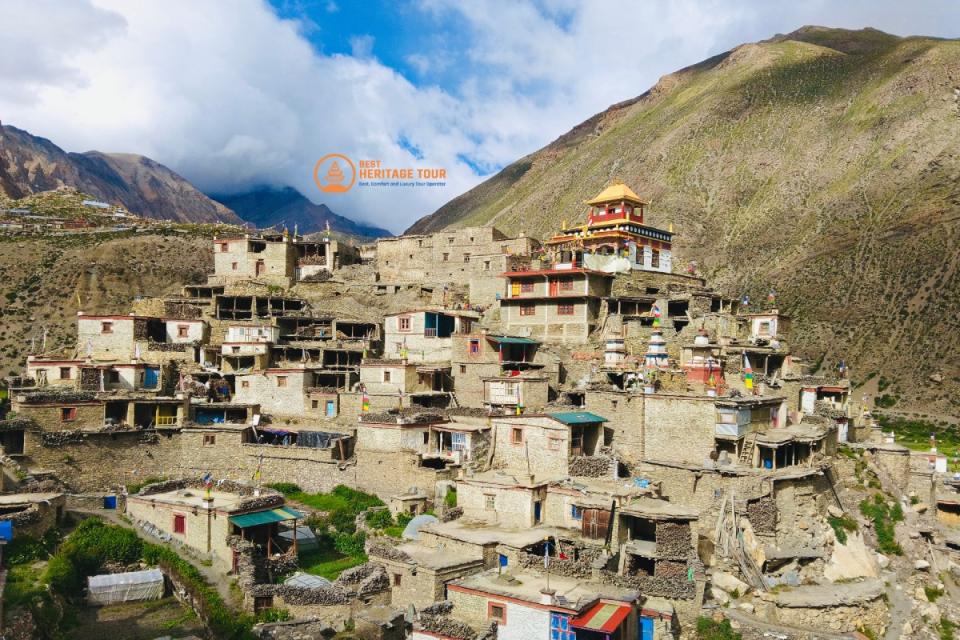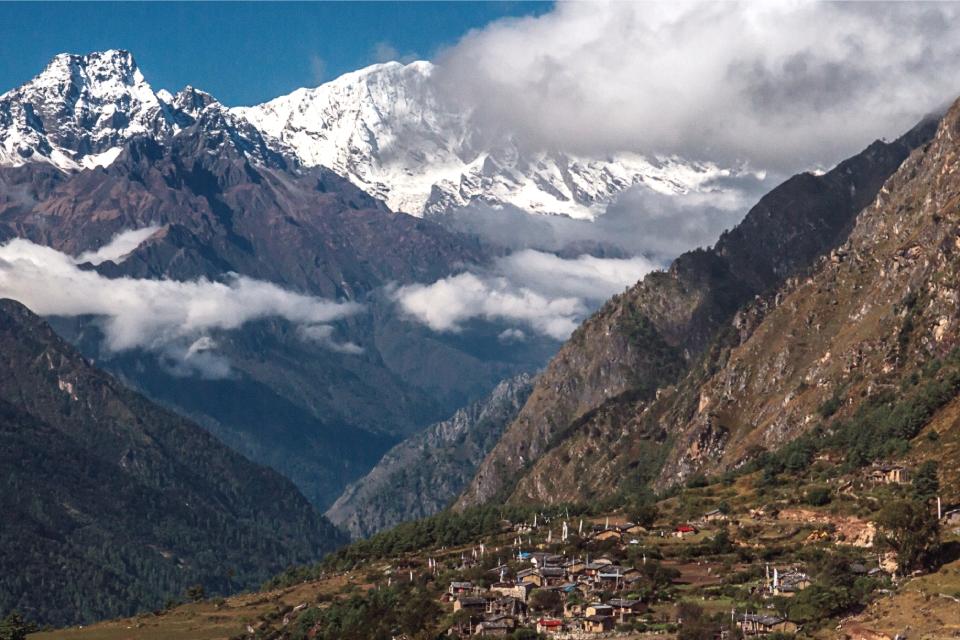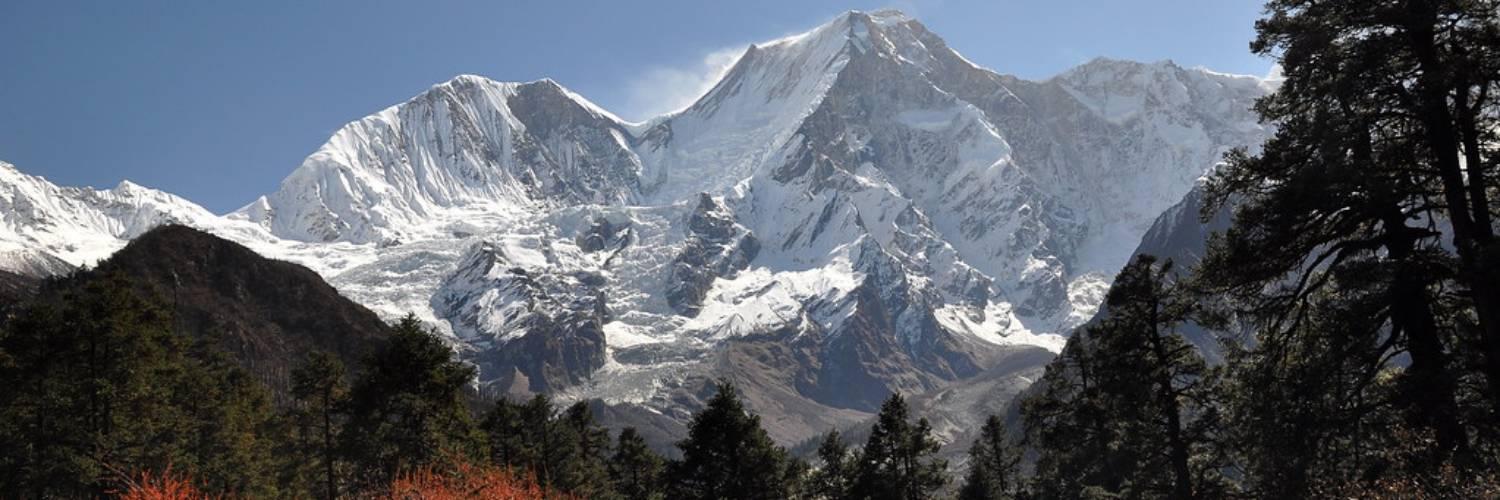
The Manaslu Circuit Trek (MCT) is globally celebrated for its raw, unspoiled beauty, sweeping views of Mount Manaslu (8,163m), and deep immersion into Tibetan-influenced Gurung and Nubri culture. While the crowds flock during the popular autumn months, a small, highly determined cohort of trekkers seeks out this magnificent trail during the depths of winter.
Trekking the Manaslu Circuit in Winter - from late December through February - is not for the faint of heart. It transforms an already strenuous trek into a formidable high-altitude expedition. The challenges are real, dominated by sub-zero temperatures, heavy snow, and the inherent risks of crossing the high-altitude Larke La Pass (5,106m).
However, those who prepare meticulously and embrace the demands are rewarded with an experience few others witness: crystalline clear skies, the Himalayas blanketed in pristine snow, and a profound solitude on the trail.
At Best Heritage Tour, we believe in providing honest, detailed guidance for every season. This comprehensive guide is dedicated to satisfying the curiosity of the most adventurous trekkers, detailing the real conditions, the required preparation, and the unparalleled beauty of tackling the Manaslu Circuit Trek Winter.
The Winter Reality: Conditions on the Manaslu Circuit (December - February)
The winter months in the Manaslu region present a climate of extremes. The Manaslu region is defined by six climatic zones, and once you ascend above the mid-hills (around 3,000m), the conditions become genuinely Arctic.
1. Temperature Extremes
The most significant challenge is the cold. While the valleys in the lower section (below 2,000m) may still be chilly but manageable in the daytime, the higher you go, the more dramatic the temperature drop becomes.
|
Altitude Zone |
Location Examples |
Daytime Temperature |
Nighttime/Morning Lows |
Conditions |
|---|---|---|---|---|
|
Lower Valleys (700m - 2,500m) |
Soti Khola, Jagat, Deng |
4°C to 12°C |
-2°C to 5°C |
Manageable, sunny days, cold mornings. |
|
Mid-Hills (2,500m - 3,500m) |
Namrung, Lho, Samagaun |
-2°C to 5°C |
-10°C to -5°C |
Crisp air, frequent frost, snow possible. |
|
High Altitude (3,500m - 5,106m) |
Samdo, Dharmasala, Larke La |
-8°C to 0°C |
-20°C or Lower |
Sub-zero all day, strong winds, deep snow, risk of frostbite. |
Critical Temperature Note: The cold is most intense at night and in the early mornings (when you will be starting your trek), especially at high-altitude villages like Samdo and the high camp at Dharmasala (Larke Phedi). Your sleeping bag rating must reflect these extreme lows.
2. Weather and Trail Conditions
-
Sky and Views (The Pro): This is the single greatest reward. Winter offers the clearest skies of the entire year. The dry, cold air eliminates clouds and haze, providing unbelievably crisp, unobstructed views of Manaslu, Himlung, Cheo Himal, and the entire Annapurna range. Star-gazing at night is phenomenal.
-
Snowfall (The Challenge): Moderate to heavy snowfall is common in January and February, especially above 3,500m. This means the trails will be covered in deep snow and ice. The biggest risk is the potential for the Larke La Pass to be temporarily closed or deemed too dangerous to cross due to excessive snow or high winds.
-
Daylight Hours: Days are shorter. Trekkers must start early (often before sunrise) to maximize daylight hours and reach the next teahouse before the extreme night cold sets in. This is especially vital for the long day over the pass.
Navigating the Crux: Larke La Pass (5,106m) in Winter
The crossing of the Larke La Pass is the centerpiece and the primary safety concern of a Manaslu Circuit Trek in Winter. The pass crossing is always strenuous, but winter conditions elevate it to an extreme physical and technical challenge.
Difficulty and Safety Considerations
-
Snow and Ice: The trail from Dharmasala up to the pass, and the long descent into Bimthang, will be covered in hard-packed snow and treacherous ice. This requires specialized gear like microspikes (or sometimes crampons) and a disciplined, slow pace.
-
Timing the Crossing: To avoid strong afternoon winds, rapidly changing weather, and soft snow, the pass crossing must begin extremely early - often between 3:00 AM and 5:00 AM. This means trekking for several hours in the dark, using a headlamp, in temperatures that can plummet below -20°C.
-
Teahouse Closures at High Camp: A major logistical hurdle is the frequent closure of the teahouses at the high camp, Dharmasala (Larke Phedi) (4,460m), particularly during January and February.
-
If Dharmasala is closed, trekkers may have to ascend from Samdo (3,875m) and cross the pass in a single, grueling, and potentially dangerous 12-14 hour day. This demands exceptional fitness, expert guidance, and an additional level of risk.
-
Best Heritage Tour always works ahead to confirm the operational status of Dharmasala, as it is a critical resting point before the pass.
-
-
Avalanche Risk: Following heavy snowfall, certain sections on the approach to the pass may present an increased, though localized, risk of avalanche. Only an experienced, local guide can accurately assess this risk and determine the safest route.
Mandatory Requirements for the Pass
Due to the restricted area status of Manaslu, you are legally required to trek with a licensed guide and travel with a minimum of two trekkers (not including the guide/porter). In winter, this professional guidance becomes a matter of survival, not just compliance.
The Rewards: Why Brave the Winter Cold?
The challenge of the Manaslu Circuit Trek Winter is justified by the profound rewards that are simply unavailable in any other season.
Unparalleled Solitude and Tranquility
-
Zero Crowds: Autumn trails are busy, often seeing large queues at teahouses and on the trail. In winter, the crowds virtually disappear. You can expect to share the entire trail - and perhaps your teahouse - with only a handful of other dedicated trekkers.
-
Intimate Experience: The silence is profound. With the crowds gone, the trek feels truly expeditionary and allows for deep introspection and a genuine connection with the mountain environment and your small trekking team.
Crystalline Scenery
-
"Diamond" Views: The cold, dry air delivers visibility that is unmatched. The views of the eight-thousanders and seven-thousanders (Manaslu, Himalchuli, Himlung, Cheo) are stark, clear, and perfectly outlined against a deep sapphire sky.
-
Snowy Wonderland: The higher elevations transform into a pristine white landscape. The lower valleys are quieter, with the low sun casting dramatic shadows and illuminating the freshly dusted forests. The entire circuit feels like a forgotten winter kingdom.
Authentic Cultural Connection
Because of the lack of tourists, the few teahouses that remain open (mostly in the lower and mid-altitudes) offer an incredibly warm and authentic experience. Owners and local residents have more time to interact, share stories around the central bukhari (heating stove), and offer a deeper glimpse into their daily lives in the face of the extreme Himalayan winter.
Trekking Logistics: Teahouses, Permits, and Itinerary Adjustments
Tackling the Manaslu Circuit in winter requires significant logistical adjustments to the standard autumn itinerary.
1. Accommodation and Teahouse Availability
This is a critical planning point. Many teahouses, especially at the highest and coldest villages like Samdo and Dharmasala, close completely in January and early February as the residents migrate to lower elevations.
-
Strategy: You cannot simply arrive and expect lodging. Advance booking is non-negotiable. Your guiding company must contact teahouse owners ahead of time to confirm their specific opening dates and ensure rooms are prepared.
-
High Altitude: Be prepared for very basic, minimalist accommodation at the highest open teahouses. Rooms will be unheated, and you will rely entirely on your sleeping bag and the warmth of the communal dining hall fire.
-
Bargaining: Due to the low volume of trekkers, rates for accommodation and food may be slightly negotiable in the lower and mid-villages, offering a budget advantage. However, support the local economy by eating where you sleep.
2. Permits and Restricted Area Rules
The Manaslu Circuit is a Restricted Area and requires three permits, which remain mandatory year-round, regardless of season:
-
Manaslu Conservation Area Project (MCAP) Permit
-
Annapurna Conservation Area Project (ACAP) Permit (for the exit section)
-
Restricted Area Permit (RAP): This is the most complex. It requires a minimum of two trekkers, a registered guide, and processing through a registered Nepali trekking agency like Best Heritage Tour. The minimum fee covers the first seven days, plus an additional daily fee thereafter.
3. Winter Itinerary Adjustments
The standard 14-day itinerary needs adjustment for winter due to the shorter daylight hours and the risk of snow delays.
-
Longer Schedule: An ideal winter itinerary is 16 to 18 days. This incorporates crucial buffer days (extra days built in) in villages like Samagaun (3,530m) and Samdo (3,875m) not just for acclimatization, but to wait out potential heavy snowstorms or high winds on the pass.
-
Mandatory Acclimatization: Acclimatization is even more important in winter, as cold stresses the body. Spend at least two nights at Samagaun, with day hikes to Pungyen Gompa or Manaslu Base Camp Viewpoint.
-
Early Starts: Daily trekking will often begin at 6:30 AM or 7:00 AM, with the high-pass day starting as early as 3:00 AM.
The Winter Gear Checklist: Preparing for Sub-Zero
Improper gear on the Manaslu Circuit Trek in Winter is not just uncomfortable; it is dangerous. Your packing list must be meticulous, focusing on a layered system designed for sustained sub-zero temperatures.
|
Category |
Essential Winter Gear (Beyond Standard Trekking) |
Why it Matters |
|---|---|---|
|
Sleeping Bag |
Down sleeping bag rated to -15°C or -20°C |
Teahouse rooms are unheated; this is your lifeline at night. |
|
Outerwear |
Heavy-duty 800-fill down jacket; Windproof/Waterproof Hardshell Jacket and Pants |
Essential for warmth and protection against strong winds on the high pass. |
|
Base Layers |
3-4 sets of Merino wool or high-quality synthetic thermal tops/bottoms |
Wicks sweat (to prevent chilling) and provides primary insulation. |
|
Hands/Feet |
Waterproof, insulated outer gloves (mittens are best); Liner gloves; Heavy-duty thermal wool socks |
Prevents frostbite, especially during the early-morning pass crossing. |
|
Pass Gear |
Microspikes (traction aids); Gaiters (waterproof leggings); Balaclava or face mask |
Microspikes are crucial for safe passage over ice and packed snow; Gaiters keep snow out of your boots. |
|
Health/Safety |
High SPF (50+) Sunscreen and Lip Balm; UV-Protecting Glacier Sunglasses |
Protection from intense UV rays and reflection off the snow. |
|
Electronics |
Power Bank / Solar Charger; Insulated water bottle (Nalgene) or a thermos |
Batteries drain quickly in the cold; thermos prevents water from freezing. |
Expert Tip: Always carry your own water purification method (tablets or filter). Running water can be frozen at the teahouses, and bottled water can be unreliable or environmentally damaging.
The Verdict: Is the Manaslu Circuit in Winter Right for You?
The Manaslu Circuit Trek in Winter is not recommended for first-time trekkers or those without experience in sub-zero alpine environments. It is a commitment to enduring physical challenge for the sake of exceptional beauty.
|
The Winter Trekkers |
The Non-Winter Trekkers |
|---|---|
|
You seek: Deep solitude and a truly 'expeditionary' feel. |
You seek: Moderate temperatures and comfortable lodging. |
|
You are: Experienced in high-altitude/winter camping or trekking. |
You are: A beginner or intermediate trekker. |
|
You can: Afford the extra days for snow/weather delays. |
You have: A fixed, limited holiday schedule. |
|
You have: Invested in high-quality, sub-zero rated gear. |
You suffer from: Extreme intolerance to cold. |
For the adventurous trekker who views adversity as part of the reward, the Manaslu Circuit in winter is perhaps the most glorious expression of the raw, untouched Himalayas. With proper preparation, an experienced guide, and a realistic expectation of the cold, the winter Manaslu Circuit will be the trek of a lifetime.
The Manaslu Circuit in Winter Demands Expertise and Trust.
Your safety and success on a winter high-altitude trek rely entirely on the professional expertise of your guiding team. Best Heritage Tour provides highly-trained, local Sherpa guides who possess the necessary winter navigation skills, knowledge of teahouse operations, and equipment (like microspikes/ropes for the pass) to handle the Larke La crossing safely.
Do not attempt the Manaslu Circuit in Winter without professional guidance.
Begin planning your ultimate winter Himalayan adventure today.
Phone / WhatsApp / Viber: +977-9851149197 / +977-9810043046
Email: info@bestheritagetour.com / bestheritagetour@gmail.com
Website: www.bestheritagetour.com
Office: Thamel Marg, Kathmandu, Nepal
Let us navigate the cold, so you can focus on the magnificence.
Author: Best Heritage Tour
Date: 9th December, 2025