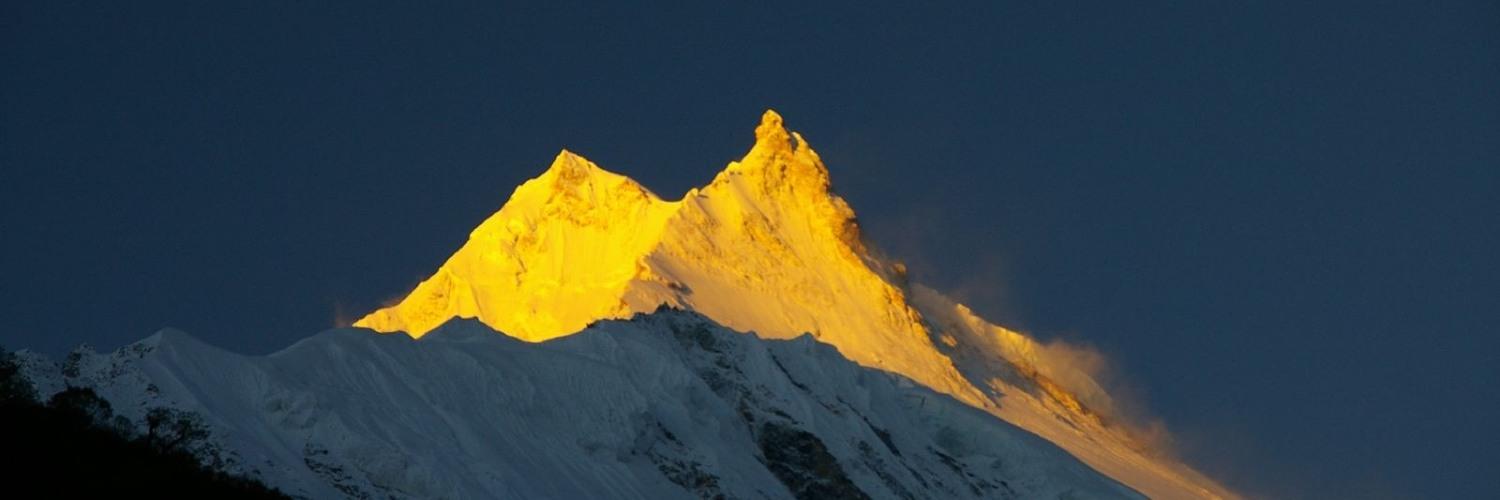
The Manaslu Circuit Trek (MCT) is famed for its classic autumn and spring seasons, when stable weather provides crisp mountain views. But for the discerning, adventurous trekker - one who values solitude over crowds and lush, vibrant landscapes over guaranteed clear summits - the Manaslu Circuit Trek in Summer, during the monsoon season (typically June to August), offers an expeditionary experience unlike any other.
This is the season of renewal, the "Green Season," where the Himalayan foothills burst into life, rivers thunder with glacial melt, and the trails are washed clean, revealing a serene, quiet path traveled by few. However, trekking the Manaslu Circuit in Monsoon demands respect, meticulous planning, and the right gear. It presents a unique set of challenges - slippery trails, low visibility, and the legendary leeches - but offers an equally unique reward: a profound, intimate connection with the uncrowded Himalayas.
The Best Heritage Tour team has deep local expertise in guiding treks year-round. This detailed guide addresses every curiosity about the Manaslu Circuit Trek Monsoon, offering practical advice, safety protocols, and a breakdown of why this off-season challenge might just be your most unforgettable journey.
The Monsoon Reality: What to Expect from June to August
The monsoon season brings a significant shift in climate, especially across the lower, sub-tropical regions of the Manaslu Circuit. The trek is roughly divided into three zones, and the conditions vary dramatically between them.
A. Rain, Humidity, and Temperatures
-
Rainfall: The most defining feature. Expect rain almost daily, often intensifying in the afternoons and nights. Starting your trek early (before 7:00 AM) is essential to cover ground during the drier, cooler mornings.
-
Lower Elevations (Below 2,500m): This includes the sections from Soti Khola up to Deng.
-
Temperature: Hot and very humid. Daytime highs can reach 20°C to 5°C or more, making the exertion feel greater. Nights are warm but wet.
-
Conditions: Lush, dense vegetation, muddy/slippery trails, and the highest concentration of leeches. Visibility is often poor due to low-hanging clouds and fog.
-
-
Mid-to-High Elevations (Above 2,500m): This includes Namrung, Lho, Samagaun, and the approach to Larke La Pass.
-
Rain-Shadow Effect: The biggest secret of the MCT in monsoon! Much of the Manaslu region, particularly the upper Nubri Valley, lies in a rain shadow cast by the mighty Manaslu range. The mountains block the majority of the rain-laden clouds.
-
Conditions: While high-altitude areas still see some rain and fog, the volume is significantly less than the lower valleys. The trails are less muddy, and while mountain views are frequently obscured during the day, the air often clears dramatically after a heavy rain shower or early in the morning.
-
Temperature: Much cooler. Daytime highs hover around 10°C to 15°C dropping close to freezing (around 0°C to 5°C at night at the highest camps like Samdo and Dharmasala.
-
B. Visibility: Trading Peaks for Greenery
If your primary goal is crisp, guaranteed, panoramic photos of Mount Manaslu, the monsoon is not the season for you.
-
The Cloud Curtain: Peaks are frequently shrouded by clouds and mist, especially after mid-morning.
-
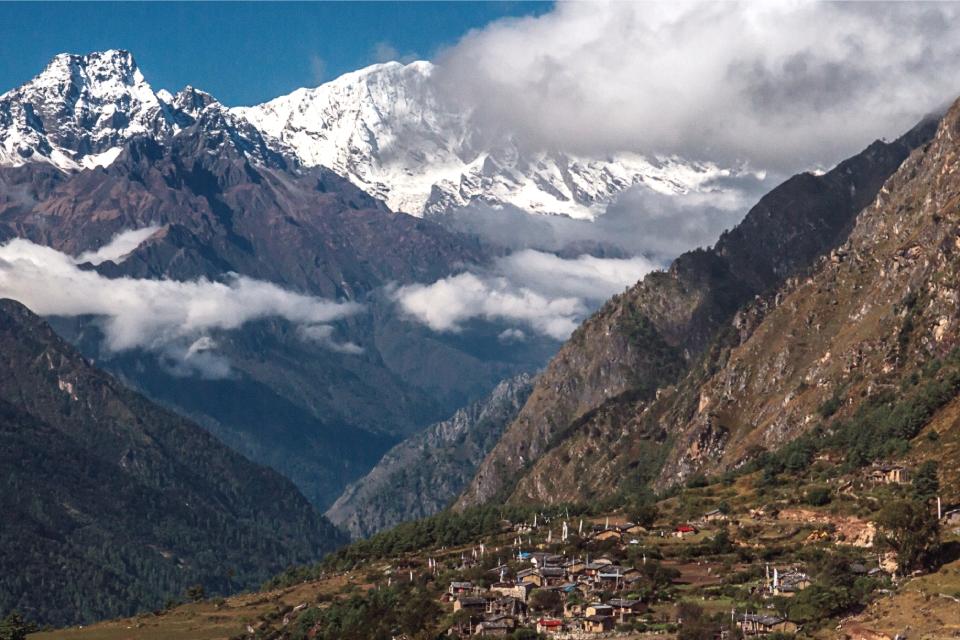
The Fleeting View: The reward lies in the fleeting views. The clouds often part dramatically after a downpour, offering rare, majestic glimpses of the snow-capped giants against a backdrop of deep blue sky and rich green valleys. These momentary vistas are often considered more artistic and rewarding than a static clear-sky view.
Navigating the Monsoon's Major Challenges
Monsoon trekking requires a shift in mindset and gear, focusing primarily on safety and personal comfort.
A. The Trail: Mud, Slips, and Landslides
-
Slippery Terrain: The clay-rich mud in the lower valleys, combined with wet rocks and mossy patches, makes the trail dangerously slippery. This is where most slips and sprains occur.
-
Solution: Trekking poles are absolutely mandatory for stability, and high-quality waterproof hiking boots with excellent ankle support and deep tread are essential.
-
-
Landslide Risk: The most serious safety concern. Heavy, prolonged rainfall can destabilize sections of the trail, causing minor rockfalls or major landslides (washouts), particularly between Soti Khola and Philim.
-
Mitigation: This risk makes a local, experienced guide indispensable. A guide knows the high-risk zones, understands the warning signs, and can assess alternative or safer paths. Best Heritage Tour guides continuously monitor local conditions.
-
-
River Crossings: Rivers and streams swell rapidly. While the large suspension bridges are safe, smaller side streams may require careful negotiation.
B. The Pests: Leeches and Mosquitoes
-
Leeches: The most infamous pest below 2,500m. Leeches thrive in damp, forested conditions.
-
Defense Strategy: Wear anti-leech socks (tucking your trekking pants into them), use salt or specialized leech spray, and avoid lingering in damp, shadowed areas. The leeches disappear once you climb to the drier, colder altitudes above Namrung.
-
-
Mosquitoes: Present in the warmer, lower-altitude villages.
-
Defense Strategy: Use insect repellent (DEET), wear long sleeves/trousers, and utilize the mosquito nets often provided by teahouses.
-
C. Logistical Hurdles
-
Transportation Delays: The long jeep ride from Kathmandu to Soti Khola (or Machha Khola) is prone to delays due to monsoon damage on the connecting roads. Factor in buffer days at the beginning and end of your itinerary.
-
Teahouse Conditions: Rooms in the lower regions can feel damp and cool overnight. Always utilize your sleeping bag and dry your clothes by the dining hall bukhari (stove) when possible.
The Monsoon Rewards: Solitude and Green Gold
For the right kind of trekker, the monsoon season offers exceptional natural and logistical advantages that simply do not exist in the crowded peak seasons.
A. Vibrant Landscape and Flora
-
Green Gold: The entire lower and mid-valley explodes in rich, vibrant green. Terraced fields are at their most saturated, and the forests are lush and alive. The Manaslu region transforms into an emerald paradise.
-
Waterfalls and Rivers: The rivers swell into roaring, turquoise torrents, and temporary waterfalls cascade down the sheer cliffs, creating a spectacular, dynamic soundscape that defines the monsoon trek.
-
Unique Photography: The soft, overcast light of the monsoon is a photographer's dream for close-ups of nature, capturing the textures of wet prayer flags, mossy stones, and deep green foliage.
B. Profound Solitude and Connection
-
The Quiet Trail: The biggest reward. You will encounter only a handful of other dedicated trekkers. The trail becomes your own, allowing for a much deeper, reflective experience without the pressure of crowds or the rush to secure the next teahouse.
-
Authentic Cultural Interaction: Teahouse hosts and villagers have more time for guests, leading to richer conversations, shared meals, and a more intimate look at local Gurung and Nubri life.
C. Cost and Logistics Advantage
-
Lower Costs: With lower demand, teahouse accommodation prices can be slightly lower or more easily negotiated, and single rooms are far easier to secure than in the busy autumn.
-
Permit Advantage: The Restricted Area Permit (RAP) and other permits remain mandatory, but there is no rush or competition for the required booking through an agency.
Monsoon Trekking Gear: Staying Dry is the Key
Staying dry is the single most important factor for comfort and safety on the Manaslu Circuit Trek in Summer.
|
Category |
Essential Monsoon Gear |
Why it Matters |
|---|---|---|
|
Footwear |
Waterproof Boots (high-ankle); Gaiters; Waterproof sandals/Crocs for lodge |
Gaiters prevent water and leeches from entering the top of your boots. Waterproof boots prevent blisters. |
|
Outerwear |
High-Quality Rain Jacket and Pants (Waterproof/Breathable) |
Essential to stay dry during downpours, especially in the chilling altitude. |
|
Layers |
Quick-Drying Synthetic/Wool Layers (Avoid Cotton!) |
Cotton holds moisture, making you cold. Quick-dry materials are vital. |
|
Pest Control |
Anti-Leech Socks (optional but recommended); Salt or Leech Spray; Insect Repellent (high DEET) |
Protection from the lower-altitude residents. |
|
Waterproofing |
Backpack Rain Cover; Dry Sacks/Plastic Bags (for electronics, sleeping bag, and spare clothes) |
Redundant waterproofing for all critical items is a must. |
|
Equipment |
Trekking Poles (with rubber tips) |
Non-negotiable for balance on slick, muddy trails. |
|
Sleeping |
Sleeping bag rated to 0°C to 5°C |
Provides comfort and warmth on cool, damp nights at altitude. |
Expert Tip: Pack two large garbage bags. Use one as a liner inside your backpack for supreme waterproofing, and the other to separate your wet, muddy clothes from your dry gear.
Planning and Safety: Mandatory Requirements
The rules of the Manaslu Restricted Area are in effect year-round. Given the higher risks associated with landslides and river conditions, professional guidance is not just a legal requirement - it's a critical safety measure.
-
Mandatory Guide and Permits: You must trek with a licensed Nepali guide and a minimum of two trekkers (plus the guide) and secure the three required permits: RAP, MCAP, and ACAP. Solo trekking is prohibited.
-
Increased Buffer Days: We strongly recommend a 16 to 18-day itinerary for a monsoon trek. This allows 2-3 extra days to wait out heavy, localized rain or navigate trail closures due to landslides without compromising your Larke La Pass crossing schedule.
-
Larke La Pass Crossing: Even in monsoon, the pass (5,106m) is the coldest and most exposed section. Early starts are crucial to avoid late-day fog and wind. While snow is unlikely in mid-summer, the trail can be slick with rain and ice from rapid temperature changes.
The Manaslu Circuit Trek in Summer is a testament to the idea that the greatest rewards often lie on the paths less traveled. It is a challenging, but uniquely beautiful way to experience the Manaslu conservation area, witnessing the mountains not in a postcard snapshot, but in a living, breathing, and vibrant state of existence.
Ready to Brave the Green Season? Trek the Manaslu Circuit with Expert Guidance.
Don't let the monsoon intimidate you. With the right preparation, equipment, and an experienced, local guide who knows how to navigate the terrain and weather, the Manaslu Circuit Trek in Summer becomes an unparalleled adventure.
Best Heritage Tour specializes in safely guiding off-season treks, managing the logistics of weather delays, teahouse coordination, and route adjustments to ensure a successful and rewarding journey.
Contact today to receive your customized, monsoon-ready itinerary and comprehensive packing list.
Phone / WhatsApp / Viber: +977-9851149197 / +977-9810043046
Email: info@bestheritagetour.com / bestheritagetour@gmail.com
Website: www.bestheritagetour.com
Office: Thamel Marg, Kathmandu, Nepal
Focus on the solitude and the spectacular greenery; we will handle the logistics of the rain.
Author: Best Heritage Tour
Date: 10th December, 2025