Major Attractions in the Manaslu Region
For those who have walked the popular trails of Everest and Annapurna, there often comes a point of longing - a desire for something more raw, more silent, and profoundly authentic. At Best Heritage Tour, we have seen many regions of Nepal change over the years, but the Manaslu region remains one of the few places where time feels as though it has been suspended.
Known as the "Mountain of the Spirit," Mount Manaslu (8,163m) anchors a region that is as culturally rich as it is geographically dramatic. From the deep gorges of the Budhi Gandaki River to the high, icy reaches of the Larkya La Pass, the Manaslu Circuit is more than just a trek; it is a pilgrimage through the heart of Himalayan heritage.
In this guide, we’ll dive deep into the major attractions of the Manaslu region, exploring the natural wonders and cultural gems that make this "off-the-beaten-path" sanctuary a must-visit for every serious traveler.
1. Mount Manaslu: The Eighth Wonder
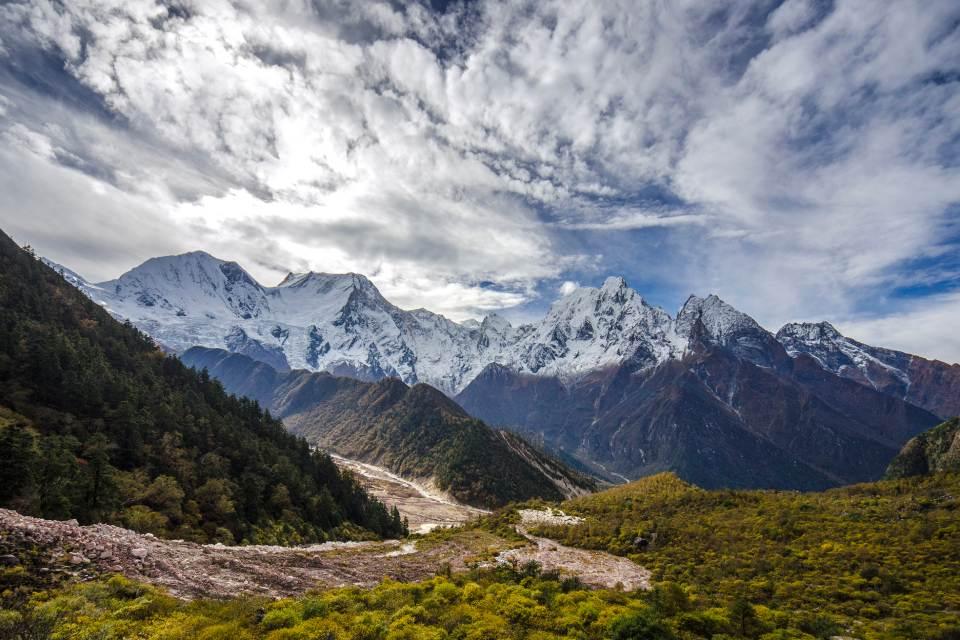
The undisputed star of the region is, of course, Mount Manaslu. As the eighth-highest peak in the world, its serrated ridges and towering presence dominate the skyline for most of the journey. For the locals, Manaslu is not just a mountain; it is a spiritual protector.
The name is derived from the Sanskrit word Manasa, meaning "intellect" or "soul." Unlike the crowds you might find at Everest Base Camp, the views of Manaslu from villages like Lho and Shyala offer a solitary, almost meditative experience. Watching the first light of dawn hit the "Spirit Mountain" is a moment that stays with you long after you’ve returned home.
2. The Iconic Larkya La Pass (5,106m)
If Mount Manaslu is the heart of the region, the Larkya La Pass is its ultimate test and triumph. Crossing this pass is the climax of the Manaslu Circuit Trek. Sitting at an elevation of 5,106 meters (16,752 ft), it is one of the longest and most spectacular high-altitude passes in Nepal.
The ascent is physically demanding, often requiring a pre-dawn start from Dharmasala. However, the reward is a 360-degree panoramic masterpiece. From the summit, you are greeted by an amphitheater of giants: Himlung Himal, Cheo Himal, Kang Guru, and the mighty Annapurna II. The descent toward Bimthang provides equally stunning views of massive glaciers and moraines.
3. Tsum Valley: The Hidden "Beyul"
Often referred to as the "Hidden Valley of Happiness," the Tsum Valley is a sacred Himalayan pilgrimage valley that was only opened to tourists in 2008. If you are looking for the "authentic" Nepal, this is it.
-
Sacred Non-Violence: The Tsumba people follow a strict code of non-violence (Shagya), meaning no animals are slaughtered in the valley. This creates an atmosphere of incredible peace.
-
Mu Gompa: Perched at 3,700m, this is the largest monastery in the valley and home to ancient religious texts and statues.
-
Rachen Gompa: A nunnery nestled in the Shiar Khola Valley, famous for its intricate murals depicting the life of the Buddha.
4. Samagaun: The Cultural Heartbeat
Samagaun (3,530m) is arguably the most important cultural stop in the region. Most trekkers spend at least two nights here for acclimatization, but the village offers far more than just "thin air training."
The village is a labyrinth of stone-built houses, mani walls (prayer-inscribed stones), and ancient monasteries. It is the center of the Nubri culture, where the people still dress in traditional Tibetan-style robes and maintain a lifestyle centered around yak herding and high-altitude farming.
5. Birendra Tal (Birendra Lake)
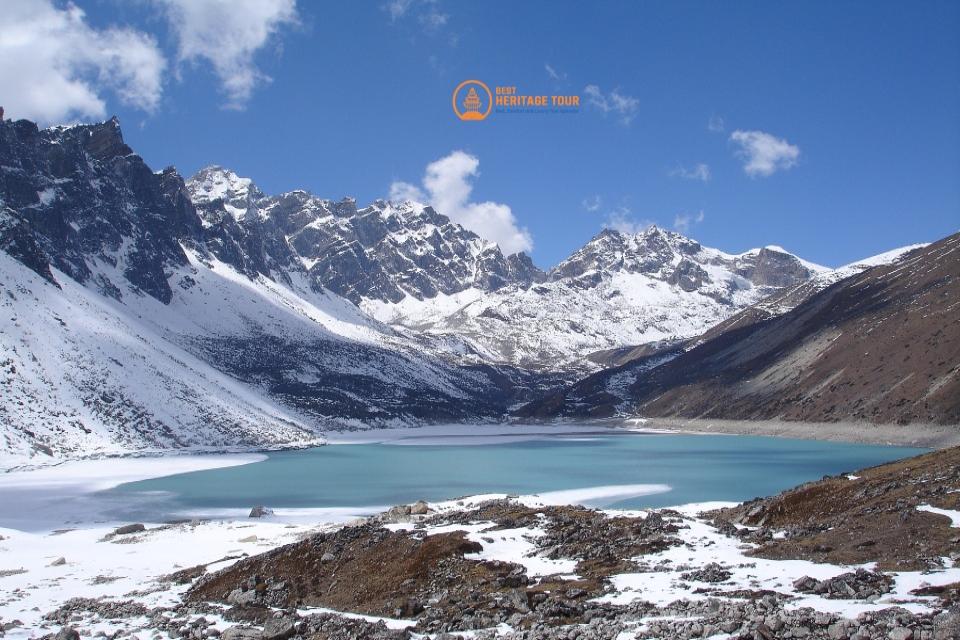
A short, 45-minute hike from Samagaun leads you to the turquoise waters of Birendra Tal. This glacial lake sits at the foot of the Manaslu Glacier. The water is a striking shade of emerald or sapphire, depending on the light, and it reflects the surrounding peaks with mirror-like clarity. It’s an ideal spot for photography and a peaceful place to reflect on the journey thus far.
6. Pungyen Gompa: A Spiritual Sanctuary
For those looking for a side trip that combines physical challenge with spiritual reward, the hike to Pungyen Gompa is essential. Located on a hidden plateau at approximately 4,000 meters, this ancient monastery offers what many consider the best head-on view of the Manaslu Massif.
The original monastery was destroyed by an avalanche in the 1950s (which locals famously attributed to the gods' displeasure at early mountaineering attempts), but the rebuilt structure remains a vital center for local faith.
The Natural Diversity: From Jungle to Ice
One of the most surprising attractions of the Manaslu region is the sheer diversity of its landscapes. Because the trek starts at a relatively low altitude (around 700m-900m) and climbs to over 5,000m, you experience a "vertical world" of ecosystems.
|
Zone |
Landscape Highlights |
Notable Wildlife |
|---|---|---|
|
Subtropical |
Lush bamboo forests, rhododendrons & waterfalls. |
Langur monkeys, diverse bird species. |
|
Temperate |
Oak, pine, and maple forests. |
Himalayan Tahr, Musk Deer. |
|
Alpine |
Scrublands, meadows, and glacial moraines. |
Snow Leopard (elusive), Blue Sheep. |
|
Nival (Ice) |
Glaciers, frozen lakes, and high peaks. |
Golden Eagles. |
7. The Monasteries of Lho and Namrung
As you ascend, the influence of Tibetan Buddhism becomes unmistakable.
-
Namrung: Known for its stone gate (Kane Chorten) and the best views of Ganesh Himal.
-
Lho Village: Home to the spectacular Ribung Gompa. This monastery, with its golden roof, sits on a hill overlooking the village. The sight of monks in crimson robes against the backdrop of a snow-capped Manaslu is the quintessential Himalayan image.
8. The Budhi Gandaki River Gorge
The first half of the Manaslu journey follows the Budhi Gandaki River. The trail is carved into steep cliffside walls, crossing the roaring river over swaying suspension bridges. These bridges are an attraction in themselves - festooned with colorful prayer flags, they offer a thrill for adventure seekers and provide a bird’s-eye view of the churning turquoise waters below.
9. Samdo: The Last Frontier
Samdo is the last village before the final push over the pass. It is a tiny, high-altitude settlement populated by people who originally migrated from Tibet. Life here is tough, yet the hospitality is warm. A hike to the Samdo Ri (a ridge overlooking the village) offers views of the Tibetan border and a unique perspective on how humans have adapted to survive in such an extreme environment.
Why Manaslu is the "Best Kept Secret"
At Best Heritage Tour, we often compare Manaslu to the Annapurna of thirty years ago. It offers:
-
Lower Crowd Density: You won't find the "traffic jams" common on the Everest trail.
-
Teahouse Authenticity: While modern comforts are arriving, the lodges are still largely family-run and intimate.
-
Restricted Area Status: Because a special permit is required and solo trekking is prohibited, the region has maintained its cultural integrity.
Travel Tips for the Manaslu Region
-
Best Time to Visit: Spring (March to May) for blooming rhododendrons or Autumn (September to November) for the clearest mountain views.
-
Permit Requirements: You will need the Manaslu Restricted Area Permit, Manaslu Conservation Area Project (MCAP), and Annapurna Conservation Area Project (ACAP) permits.
-
Physical Preparation: This is a strenuous trek. We recommend at least 3 months of cardio and strength training prior to arrival.
Conclusion: A Journey of the Soul
The Manaslu region isn't just a destination for your bucket list; it's a place that demands you slow down and listen to the whispers of the mountains. Whether it’s the fluttering of a thousand prayer flags at Larkya La, the ancient chants inside Mu Gompa, or the simple joy of sharing butter tea with a local herder in Samagaun, the attractions here are as much about the feeling of the place as they are about the sights.
At Best Heritage Tour, we specialize in crafting journeys that respect the traditions and the environment of this sacred land. We don't just show you the mountains; we help you connect with the heritage that makes them stand so tall.
Are you ready to walk the trail less traveled?
Phone / WhatsApp / Viber: +977-9851149197 / +977-9810043046
Email: [email protected] / [email protected]
Website: www.bestheritagetour.com
Office: Thamel Marg, Kathmandu, Nepal