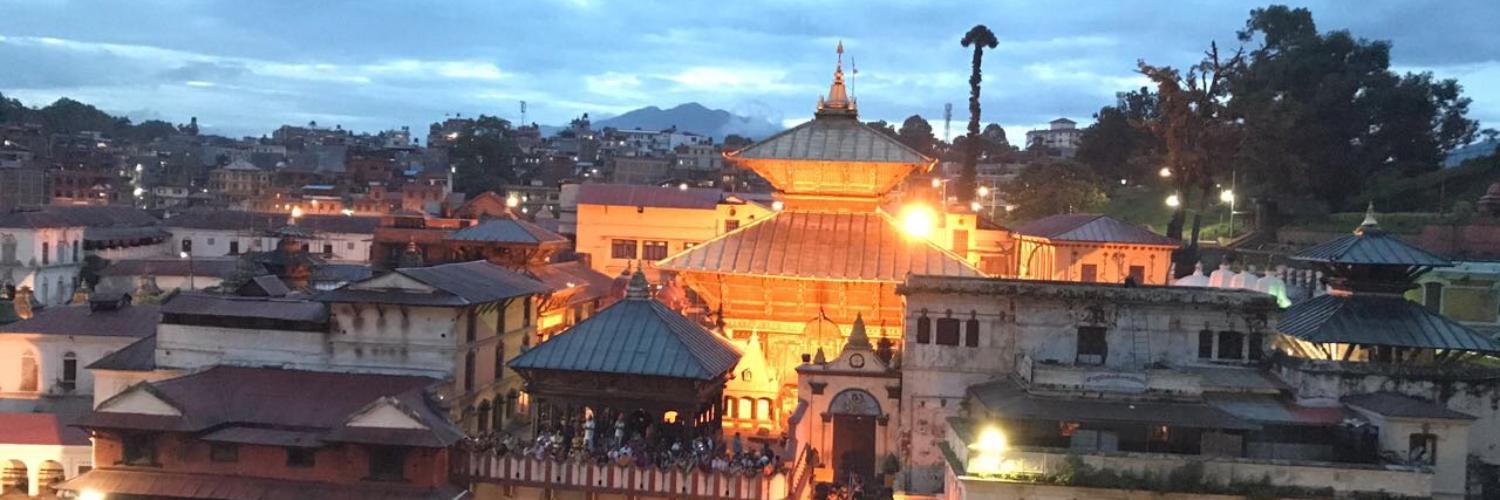
At Best Heritage Tour, we believe that travel isn’t just about seeing new places; it’s about feeling the pulse of ancient traditions that have shaped the human story for millennia. If there is one event that captures the raw, spiritual essence of the Himalayas, it is Maha Shivaratri.
Known as the "Great Night of Shiva," this festival transforms the Kathmandu Valley into a sprawling stage of devotion, mysticism, and celebration. For travelers, cultural explorers, and pilgrims alike, experiencing Maha Shivaratri 2026 in Nepal is a soul-stirring journey that stays with you long after you’ve returned home.
In this comprehensive guide, we’ll walk you through everything you need to know about the upcoming celebrations - from the sacred rituals at Pashupatinath to the hidden stories that make this night so powerful.
When is Maha Shivaratri in 2026?
The lunar calendar dictates the timing of this sacred festival, falling on the 14th day of the waning moon (Krishna Paksha) in the month of Falgun.
Maha Shivaratri Date in 2026: Sunday, February 15, 2026.
Mark your calendars! The festivities begin at dawn on Sunday and reach their spiritual peak during the Nishita Kaal (the midnight hour), continuing until the sun rises on Monday. For international travelers and Indian pilgrims, we recommend arriving in Kathmandu at least two days early to witness the arrival of the thousands of Sadhus who travel from across the subcontinent.
The Legend and Significance: Why We Celebrate
Why is this night considered "Great"? According to ancient Vedic scriptures and local Nepali legends, Maha Shivaratri marks several pivotal moments in the life of Lord Shiva:
-
The Divine Union: Most famously, it is the night Shiva married Goddess Parvati. This union represents the perfect balance of Purusha (consciousness) and Prakriti (nature).
-
The Cosmic Dance: It is believed that on this night, Shiva performs the Tandava - the cosmic dance of creation, preservation, and destruction.
-
The Neelkanth Sacrifice: Another legend tells of the Samudra Manthan (churning of the ocean). When a pot of deadly poison emerged, threatening to destroy the world, Shiva consumed it. His throat turned blue, earning him the name Neelkantha, and devotees stay awake to honor his sacrifice.
For the people of Nepal, Shiva isn’t just a deity; he is the protector of the Himalayas. Visiting his home during this time is considered the ultimate act of devotion.
Where to Experience Maha Shivaratri in Nepal
While every street-corner shrine in Nepal will be lit with oil lamps, certain locations offer an unparalleled experience.
1. Pashupatinath Temple, Kathmandu: The Epicenter
If you are looking for the heart of the festival, there is only one answer: Maha Shivaratri in Pashupatinath Temple, Nepal. As a UNESCO World Heritage site and one of the holiest Shiva shrines on Earth, Pashupatinath becomes a sea of humanity on this day.
-
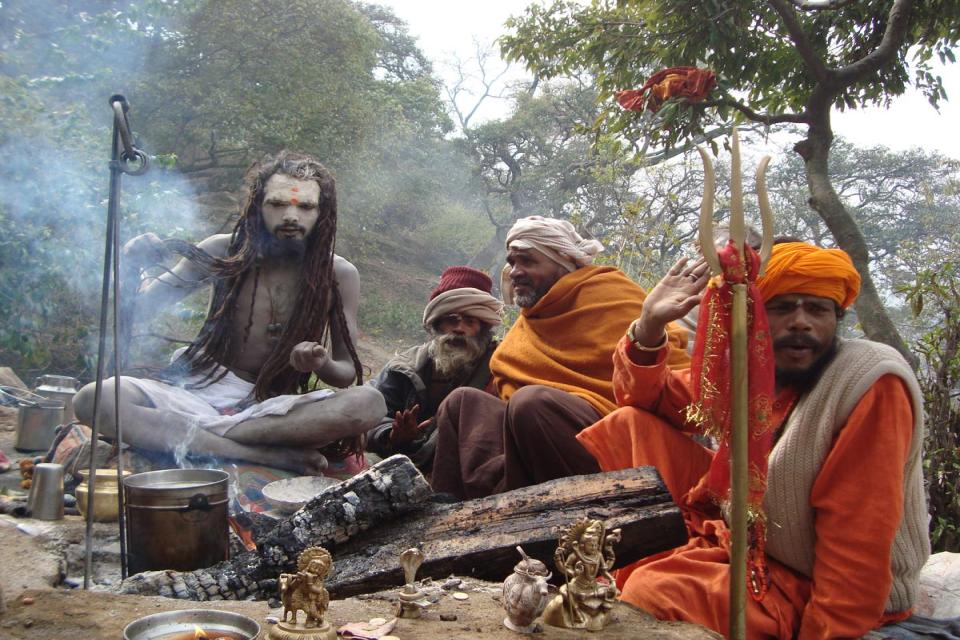
The Sadhus: One of the most striking sights is the gathering of thousands of Sadhus (holy men). From the Naga Babas (covered in ash and unclothed) to the Aghoris, these ascetics travel from far-reaching corners of India and Nepal to meditate and bless devotees.
-
The Bagmati Arati: As dusk falls, the evening Arati on the banks of the sacred Bagmati River becomes an electric experience, with rhythmic chants, massive fire lamps, and thousands of voices joined in "Om Namah Shivaya."
-
The Night Vigil: Unlike other festivals, the real magic happens at night. The temple complex is illuminated by millions of sparks from ritual bonfires (Dhuni), where devotees stay awake (Jagaran) to overcome darkness and ignorance.
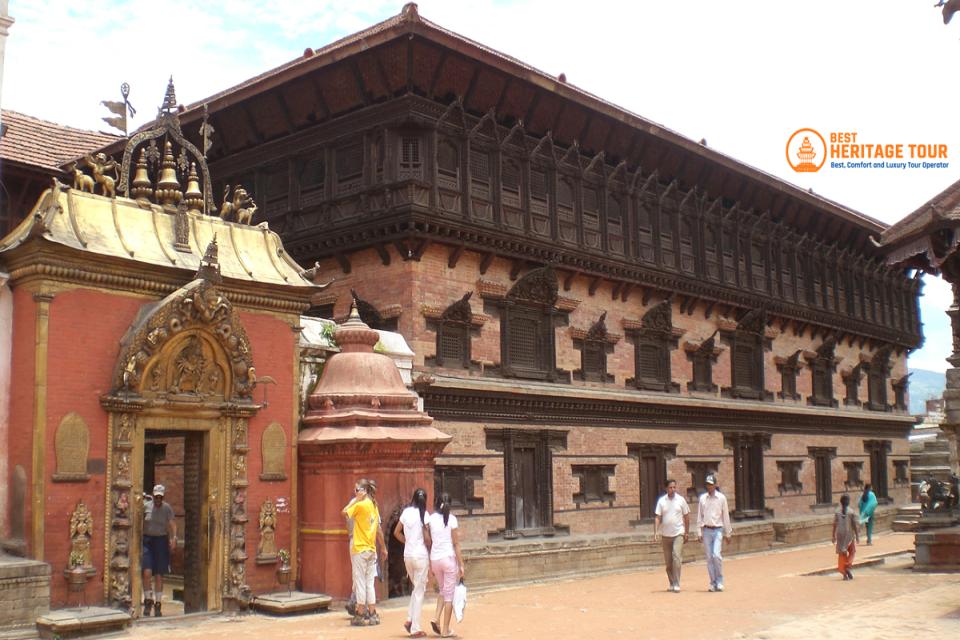
2. Doleshwar Mahadev, Bhaktapur
For those who find the crowds of Pashupatinath overwhelming, Doleshwar Mahadev offers a more serene but equally potent experience. It is believed that this temple is the "head" part of the Kedarnath deity in India. The connection between Kedarnath and Doleshwar makes it a must-visit for serious spiritual seekers.
3. Halesi Mahadev, Khotang
Often called the "Pashupatinath of the East," this temple is located inside a mysterious cave. It is a place of pilgrimage for both Hindus and Buddhists. Celebrating Shivaratri here, surrounded by the echoes of ancient caves, is a hauntingly beautiful experience.
4. Gupteshwar Mahadev Cave, Pokhara
If your 2026 travels take you to the lakeside city of Pokhara, the Gupteshwar Cave is the place to be. The stalagmite Shivalinga inside the cave receives thousands of devotees who descend the spiral stairs to offer milk and water in the underground silence.
What to Expect: A Day in the Life of a Pilgrim
Attending Maha Shivaratri is a sensory experience. Here is a glimpse of what your day might look like with Best Heritage Tour:
-
The Holy Dip: Many devotees begin their day with a ritual bath in the Bagmati River or other sacred waters to purify the body before entering the temple.
-
The Long Queue: Patience is a virtue on this day. You will see lines of devotees stretching for kilometers, all carrying offerings of Bel leaves, vermillion, and milk.
-
The Atmosphere: The air is thick with the scent of incense, marigolds, and - uniquely for this day - the smell of ceremonial cannabis. In honor of Shiva’s ascetic nature, the government traditionally permits Sadhus to use marijuana, creating a mystical, "otherworldly" vibe around the temple.
-
The Fasting: Many locals observe a Vrat (fast), consuming only water or fruit, dedicating their physical hunger to spiritual focus.
Expert Travel Tips for Maha Shivaratri 2026
Since this is one of the busiest times in Nepal, a little bit of planning goes a long way.
|
Category |
Advice for 2026 Travelers |
|---|---|
|
Accommodation |
Hotels in Kathmandu (especially near Gaushala/Pashupati) fill up months in advance. Book by January 2026. |
|
Clothing |
February in Nepal is chilly, especially at night. Wear layers. Respectful dress (covering shoulders and knees) is mandatory. |
|
Photography |
Most Sadhus are happy to be photographed, but always ask permission first. Some may request a small donation (Dakshina). |
|
Health & Safety |
The crowds can be intense. Keep your valuables in a front-facing bag and stay hydrated. |
|
Permits |
While Hindu devotees have free entry, international tourists usually pay a small fee to enter the Pashupatinath heritage area. |
Why Choose Best Heritage Tour for Your 2026 Journey?
Navigating Nepal during a major festival can be daunting. At Best Heritage Tour, we specialize in bridge-building - connecting you with the local culture while ensuring your comfort and safety.
We don't just "show" you the temple; we explain the philosophy. Our guides are experts in Vedic history and can take you to the best vantage points for the Arati, help you navigate the crowds, and even arrange for a private Rudra Abhishek puja at smaller, significant shrines.
Conclusion: A Night of Transformation
Maha Shivaratri 2026 in Nepal is more than just a date on a calendar; it is a portal into the ancient soul of the Himalayas. Whether you are coming to seek the blessings of Lord Shiva at Pashupatinath, to photograph the enigmatic Sadhus, or simply to witness the power of faith, this festival promises a profound shift in perspective.
As the fires burn bright along the Bagmati and the mantra Om Namah Shivaya echoes through the night, you’ll realize that you aren't just watching a festival - you are becoming a part of a tradition that has no beginning and no end.
Ready to plan your spiritual awakening?
Contact Best Heritage Tour to Plan your Tour
Phone / WhatsApp / Viber: +977-9851149197 / +977-9810043046
Email: info@bestheritagetour.com / bestheritagetour@gmail.com
Website: www.bestheritagetour.com
Office: Thamel Marg, Kathmandu, Nepal
Author: Best Heritage Tour
Date: 9th January, 2026