Nepal, the birthplace of Siddhartha Gautama, the historical Buddha, remains the pulsating heart of Himalayan Buddhism. While the world remembers the serene figure under the Bodhi tree, few truly understand the profound significance of the moments that shaped his spiritual journey - and the vibrant festivals that honor them.
Of the four most important holy days in the Tibetan Buddhist calendar, the Lhabab Duchen Festival stands out as an unparalleled day of devotion, merit, and celebration. Translating as "The Great Occasion of the Descent," this sacred day commemorates one of the most compelling narratives in Buddhist scripture: the Buddha's return to Earth from the celestial realms.
For the cultural explorer, the discerning pilgrim, or the conscious traveler, experiencing Lhabab Duchen in Nepal offers a powerful, transformative immersion into the vibrant faith that colors the valleys and mountain trails. The sights of thousands of flickering butter lamps, the sound of monks chanting, and the feeling of heightened spiritual devotion at Nepal’s great stupas make this festival the pinnacle of a Nepal Cultural Tour.
The team at Best Heritage Tour invites you to plan your journey to coincide with this auspicious occasion. This comprehensive guide provides the confirmed date for Lhabab Duchen 2026, explains its profound significance, and details exactly where and how you can witness this spectacular display of faith in the heart of the Himalayas.
Lhabab Duchen 2026: The Confirmed Date and Season
The date of Lhabab Duchen is calculated according to the Tibetan Lunar Calendar, always falling on the 22nd day of the 9th lunar month. This generally places the festival in the late autumn of the Gregorian calendar, a beautiful time to visit Nepal with clear skies and moderate temperatures, perfectly suited for cultural sightseeing and light trekking.
|
Event |
Date |
Day |
Tibetan Calendar |
|---|---|---|---|
|
Lhabab Duchen Festival 2026 |
November 1st, 2026 |
Sunday |
22nd Day of the 9th Month |
This November date is ideal for travelers, as it follows the peak trekking season, offering a more tranquil experience at pilgrimage sites while retaining the spectacular mountain views. Planning your Nepal Cultural Tour around November 1st, 2026, will guarantee a front-row seat to one of the most spiritually charged days of the year.
The Celestial Journey: The Profound Significance of Lhabab Duchen
To appreciate the rituals of Lhabab Duchen, one must first delve into the powerful story it commemorates - an event of boundless compassion that transcends earthly bounds.
The Buddha’s Gratitude: Repaying His Mother’s Kindness
According to Buddhist cosmology, Queen Mayadevi, the Buddha's mother, passed away just seven days after his birth. She was reborn in the Heaven of the Thirty-Three (Trayastrimsa Deva Realm). Years later, after achieving full enlightenment, the Buddha realized that to fully repay his mother's immense kindness - a debt considered incalculable in Buddhism - he needed to teach her the Dharma, the path to liberation.
At the age of 41, the Buddha ascended to the celestial realm. For three full months during the rainy season retreat, he taught the gods and his mother the profound doctrines of the Dharma. This act highlights a core Buddhist tenet: filial devotion and gratitude are pathways to spiritual merit.
The Great Descent: A Cosmic Event
Upon his disciples' earnest pleas for his return, the Buddha agreed to descend back to the human realm. This return journey, Lhabab Duchen, was no ordinary event. The gods Indra and Brahma miraculously manifested three luminous, ornate ladders that stretched from the heavens down to the Earth at the ancient city of Sankassa (in modern-day India):
-
The Central Ladder (Jeweled): For the Buddha.
-
The Right Ladder (Golden): For the god Brahma.
-
The Left Ladder (Silver/Beryl): For the god Indra.
As the Buddha descended, he revealed the vast interconnectedness of all realms - allowing beings in the lower realms to glimpse the heavens and beings in the heavens to glimpse the suffering of the lower realms. This universal revelation served as a profound reminder of the urgency of practicing the Dharma.
One of the Four Great Days (Duchen)
Lhabab Duchen is recognized as one of the four Duchen (Great Occasions) that mark significant milestones in the Buddha's life. These four days include:
-
Chotrul Duchen: Commemorating the Buddha’s display of miracles.
-
Saga Dawa Duchen: Celebrating the Buddha's birth, enlightenment, and parinirvana.
-
Chokhor Duchen: Celebrating the Buddha's first turning of the Wheel of Dharma (first teaching).
-
Lhabab Duchen: Celebrating the Buddha's descent from the god realms.
The Karmic Multiplier: Buddha Multiplying Day
The single most powerful aspect of Lhabab Duchen for practitioners is the belief in its incredible spiritual potency. This day is commonly known as a "Buddha Multiplying Day."
According to this sacred tradition, any action - be it positive or negative, physical, verbal, or mental - is multiplied ten million times (or even 100 million times in some lineages).
This belief serves as an immense catalyst for virtuous conduct:
-
Encourages Virtuous Deeds: Devotees are motivated to maximize their positive karma by engaging in acts of generosity, compassion, and spiritual practice.
-
A Time for Purification: The multiplier effect also applies to negative actions, making it an extremely potent day to confess past misdeeds, repent, and dedicate one's life to purity.
-
Spiritual Focus: This heightened karmic potential shifts the entire atmosphere, creating a palpable sense of spiritual urgency and dedication in every monastery and stupa across Nepal.
For the traveler, simply being present at a sacred site like Bouddhanath or Swayambhunath on November 1st, 2026, and engaging in respectful observation or even quiet meditation, is believed to generate immense positive merit.
Lhabab Duchen in Nepal: Where to Witness the Devotion
Nepal, with its large Buddhist population spanning Tibetan, Sherpa, and Newari traditions, observes Lhabab Duchen with breathtaking devotion, particularly in the Kathmandu Valley. The atmosphere in the days leading up to and on November 1st, 2026, will be thick with reverence, incense smoke, and the hypnotic rhythm of chanting.
1. Bouddhanath Stupa: The Epicenter of Celebration
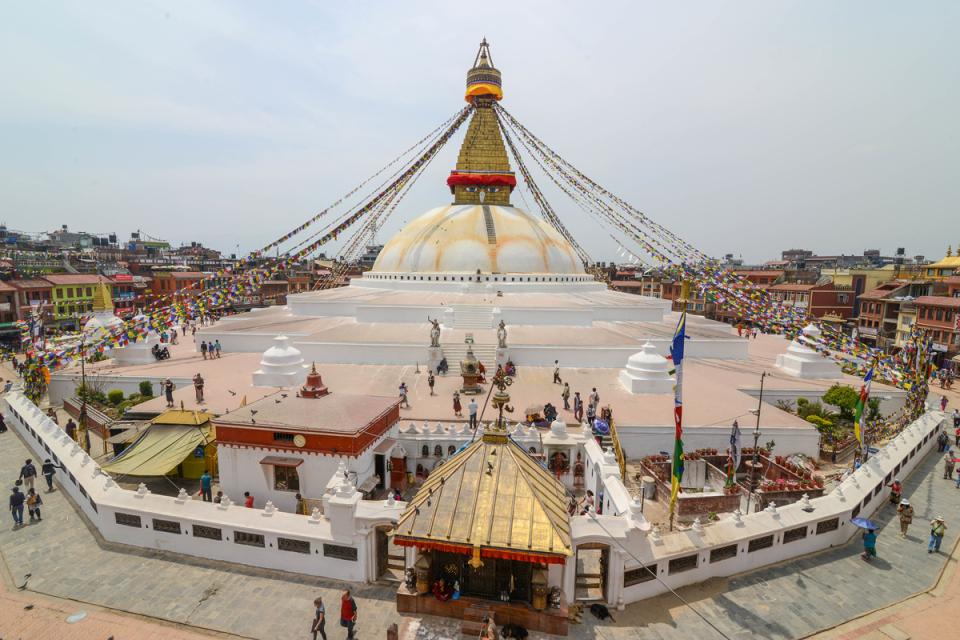
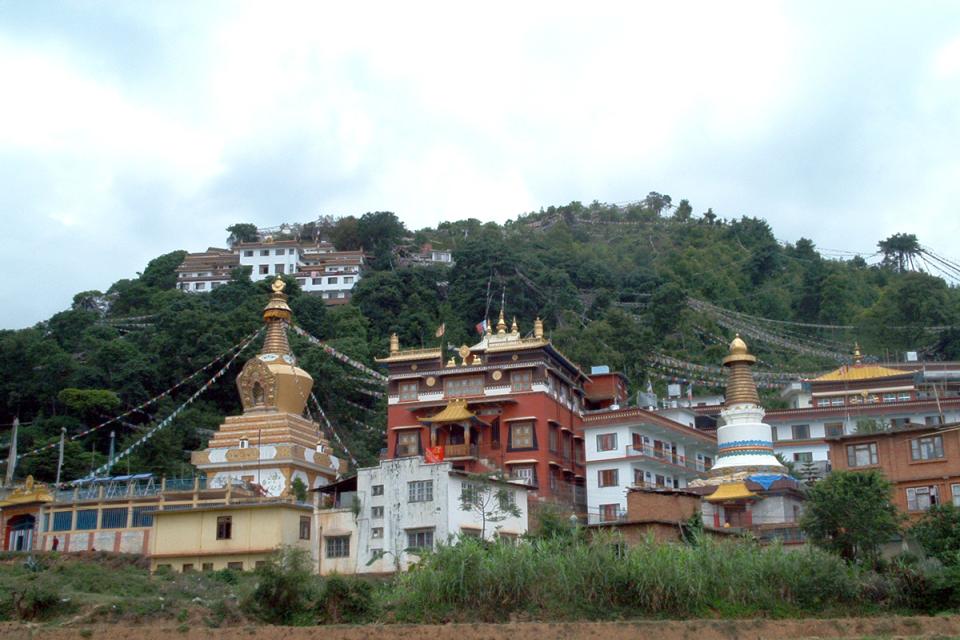
The magnificent Bouddhanath Stupa, a UNESCO World Heritage Site and one of the largest spherical stupas in the world, is the undisputed epicenter of Lhabab Duchen in Nepal.
-
The Butter Lamps: The main feature of the celebration here is the lighting of butter lamps. Thousands upon thousands of small wicks, fueled by clarified butter (ghee), are placed around the Stupa's base and platforms, illuminating the entire structure in a warm, ethereal glow. The light symbolizes the eradication of ignorance and the dawning of wisdom.
-
The Circumambulation (Kora): Pilgrims stream into the kora (ritual circuit) around the stupa, often beginning their circumambulations before dawn and continuing throughout the day. They spin the prayer wheels, recite the Om Mani Padme Hum mantra, and prostrate themselves, accumulating merit with every step.
-
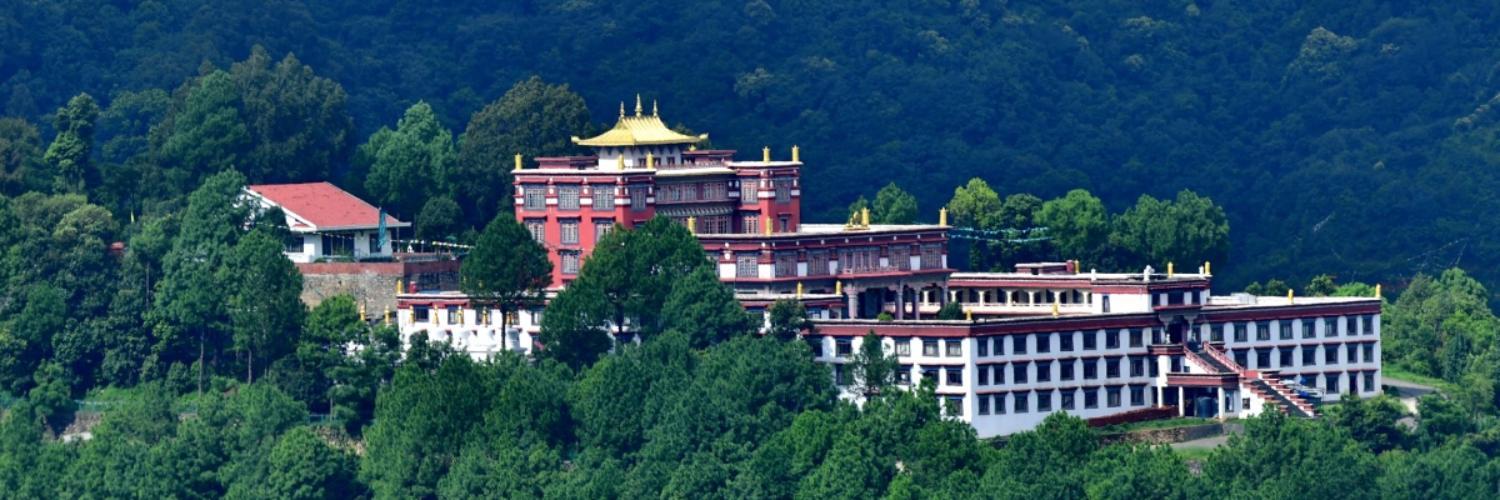
Monastic Activity: The numerous monasteries surrounding Bouddhanath, such as the famous Ka-Nying Shedrub Ling Monastery, will hold extensive pujas (prayer ceremonies) and special teachings throughout the day, often open to respectful observers.
2. Swayambhunath Stupa: The Monkey Temple
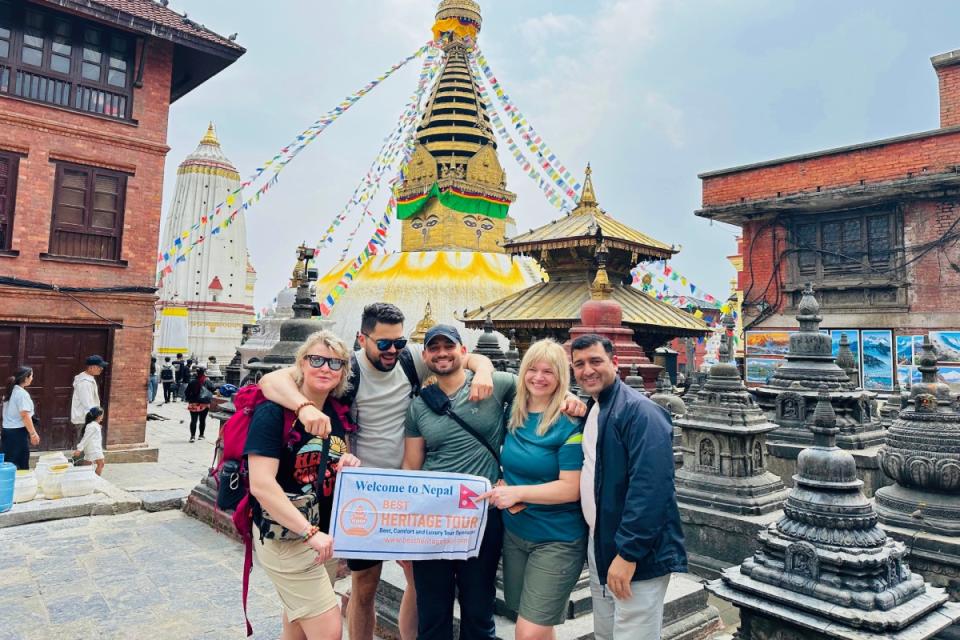
Perched atop a hill overlooking Kathmandu, the ancient Swayambhunath Stupa (often called the Monkey Temple) is another crucial site for Lhabab Duchen.
-
Symbolic Offerings: Pilgrims bring special offerings of flowers, incense, tsampa (roasted barley flour), and water to the shrine. The environment, where Hindu and Buddhist symbols merge, is a beautiful reflection of Nepal's syncretic religious culture.
-
The View and the Vows: The uphill climb to Swayambhunath is often seen as a physical representation of the spiritual ascent. Devotees take this opportunity to renew their vows of ethical conduct and compassion amidst the sweeping views of the valley.
3. Pharping and Namo Buddha
For a more secluded, intense spiritual experience, the monasteries and sacred sites outside the main city hubs are highly recommended:
-
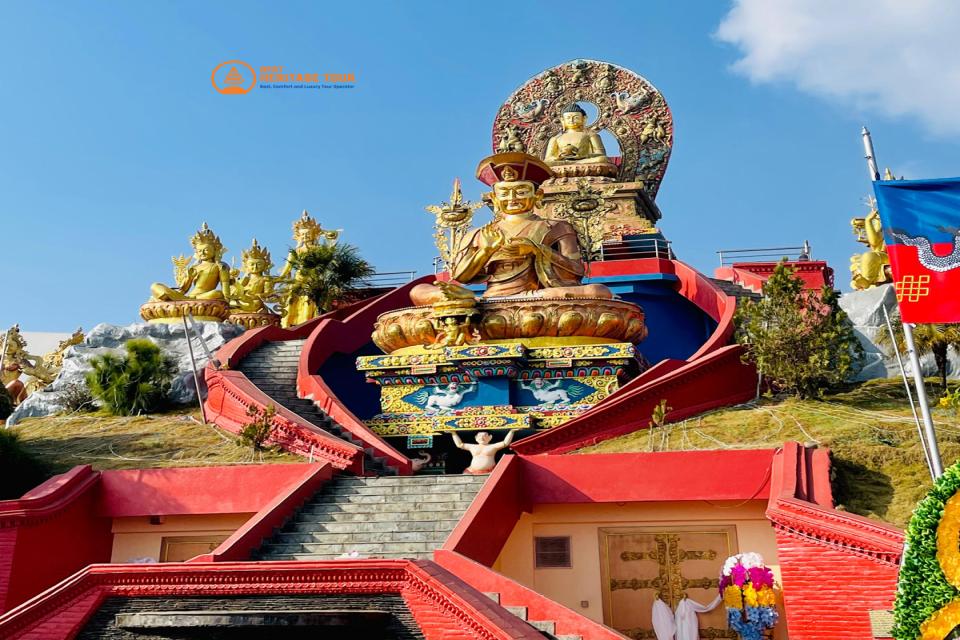
Pharping: Located southwest of Kathmandu, Pharping is a site revered for its connection to Guru Rinpoche (Padmasambhava). The numerous caves and monasteries here will host long, intricate pujas and meditation sessions.
-
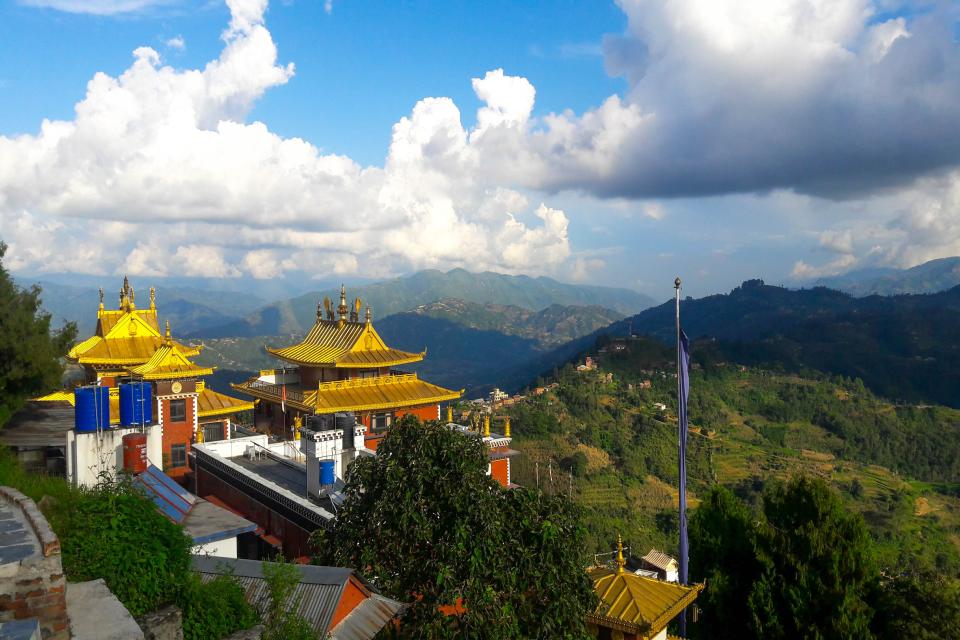
Namo Buddha: One of the three main Stupas in the Kathmandu Valley, this site is sacred for the story of the Buddha (in a previous life) sacrificing his body to feed a starving tigress and her cubs. Monks and pilgrims will gather here to emphasize the virtue of boundless compassion and generosity, directly aligning with the karmic goals of Lhabab Duchen.
4. Everest Region Monasteries
If your Nepal Cultural Tour includes trekking in the Solu-Khumbu (Everest region), the monasteries of Thame, Khumjung, and Tengboche will also observe Lhabab Duchen with special prayers and communal gatherings, offering a profound cultural experience against a spectacular Himalayan backdrop.
How the Traveler Can Participate and Show Respect
The Lhabab Duchen Festival 2026 is a public festival, and visitors are not only welcome but are often seen as part of the overall merit-making activity. Participation, however, requires deep cultural sensitivity and respect.
A Traveler's Guide to Respectful Participation
-
Modest Dress is Mandatory: When visiting stupas and monasteries, shoulders and knees must be covered. Avoid sleeveless tops, shorts, or tight-fitting attire out of respect for the sacred environment.
-
The Clockwise Direction (Kora): Always walk around a stupa, chorten, or mani wall in a clockwise direction. This is known as kora or pradakshina. Walking counter-clockwise is highly disrespectful.
-
The Art of the Offering: If you wish to participate, lighting a butter lamp or making a small donation (dakshina) to the monastery is a wonderful and meaningful gesture. These offerings are used to sustain the monastic community and fund their charitable work.
-
Photography Etiquette: The atmosphere is highly ritualistic. While the Stupas and crowds are incredible to photograph, be mindful:
-
Ask Permission: Always request permission before photographing monks, nuns, or pilgrims, especially during prayer or private ritual.
-
Do Not Use Flash: Never use flash inside the temples or during the butter lamp lighting as it can be disruptive.
-
Be Discreet: Avoid standing directly in front of worshipers or blocking pathways to take pictures.
-
-
Cultivate Mindful Silence: On a day when every action is multiplied, the most potent practice is mindfulness. Observe the silence, listen to the chants, and refrain from loud conversations or disruptive behavior.
Planning Your Cultural Pilgrimage in 2026
Timing your Nepal Cultural Tour to include Lhabab Duchen on November 1st, 2026, requires expert local coordination. The festival draws large crowds, and the Kathmandu Valley's hotels and pilgrimage sites become intensely active.
Best Heritage Tour excels in curating bespoke cultural experiences that ensure you are positioned not merely as a tourist, but as a respectful observer of Nepal's living spiritual heritage.
Our Expert Planning Focuses On:
-
Strategic Lodging: Securing comfortable, quality accommodation with easy access to the major sites (Bouddhanath and Swayambhunath) while providing a peaceful retreat from the day's intensity.
-
Guided Insight: Providing experienced, local Buddhist guides who can interpret the complex rituals, history, and profound philosophy behind Lhabab Duchen, transforming observation into deep understanding.
-
Logistical Excellence: Managing transportation within the bustling Kathmandu Valley on this high-traffic holy day, ensuring timely and safe access to all key sites for the ceremonies.
-
Custom Itineraries: Designing a tour that blends the Lhabab Duchen experience with other must-see heritage sites, such as the ancient Newari cities of Patan and Bhaktapur, the birthplace of the Buddha at Lumbini, or a trek into the Himalayan monasteries.
The Buddha’s descent is a timeless tale of compassion and dedication. Witnessing this reverence in Nepal is an invitation to engage with one of the world's most enduring spiritual traditions. On Lhabab Duchen 2026, bring your heart and mind to Nepal and experience the million-fold blessing of this unique day.
Secure Your Spot for the Lhabab Duchen Festival 2026!
Phone / WhatsApp / Viber: +977-9851149197 / +977-9810043046
Email: info@bestheritagetour.com / bestheritagetour@gmail.com
Website: www.bestheritagetour.com
Office: Thamel Marg, Kathmandu, Nepal
Let us be your trusted guide to the spiritual heart of Nepal. We look forward to creating your profound heritage experience.
Author: Best Heritage Tour
Date: 9th December, 2025