The sheer variety of trekking routes in the Nepali Himalayas is a blessing and, occasionally, a puzzle. For many travelers seeking a rewarding, non-Everest, non-Annapurna adventure, the choice often narrows down to two spectacular, yet distinctly different, experiences: the cultural charm of the Langtang Valley Trek and the soaring views of the Mardi Himal Trek.
Both treks offer incredible mountain scenery, intimate cultural encounters, and achievable distances for most motivated trekkers. However, their atmosphere, difficulty, altitude, and even the type of views they offer are vastly different.
At Best Heritage Tour, we understand that choosing the right trail defines your entire Himalayan journey. This comprehensive, expert-led comparison will guide you through the heart of both regions, dissecting the key differences in altitude, scenery, culture, and itinerary to help you decide which mountain adventure is calling your name.
Trek Overview: Quick Facts Comparison
Before diving into the detailed comparison, here is a quick look at the core statistics for both treks:
|
Feature |
Langtang Valley Trek |
Mardi Himal Trek |
|---|---|---|
|
Region |
Langtang National Park (North of Kathmandu) |
Annapurna Conservation Area (North of Pokhara) |
|
Duration (Typical) |
7-10 Days |
5-7 Days |
|
Highest Point |
Kyanjin Ri or Tserko Ri (4,984m to 5,033m) |
Mardi Himal Base Camp (4,500m) or High Camp ridge (4,200m) |
|
Difficulty Rating |
Moderate |
Easy to Moderate |
|
Altitude Risk |
Moderate (Reaches 5,000m at viewpoints) |
Low (Base Camp is 4,500m, often visited via a morning hike from High Camp) |
|
Scenery Focus |
Deep Valley, Glaciers, Tibetan/Tamang Culture |
Close-up Views of Machhapuchhre, Ridge-line Walking, Rhododendron Forests |
|
Crowd Level |
Low to Moderate (Quiet since the 2015 earthquake) |
Moderate (Gaining rapid popularity) |
1. The Route and Physical Challenge
The physical demands of a trek are often the first criteria trekkers consider. While both are accessible, they present distinct styles of hiking.
Langtang Valley: Deep, Gradual Ascent and Cultural Resilience
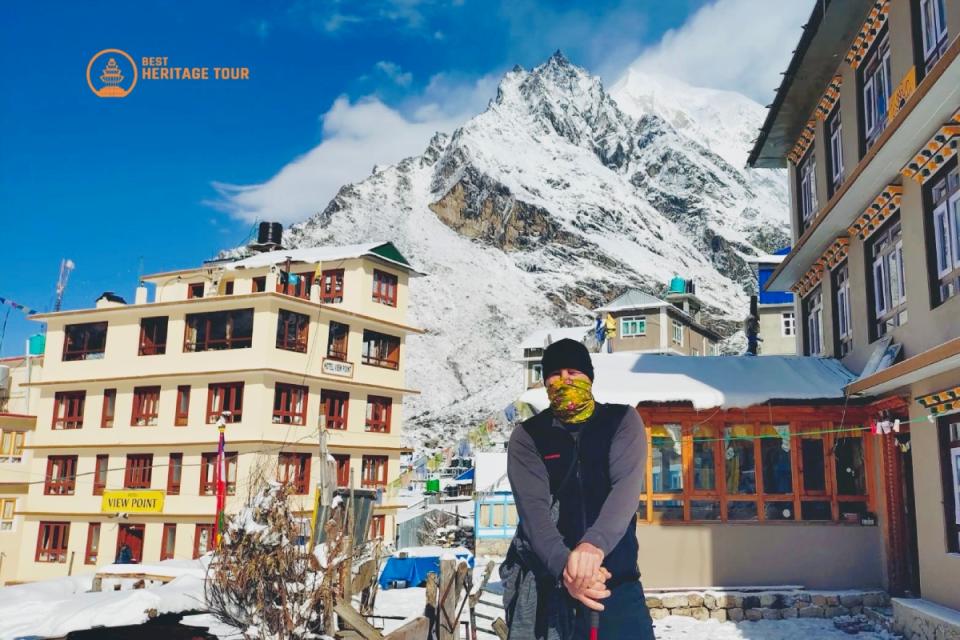
The Langtang trek involves penetrating deep into a glacial valley, following the Langtang River system. It is a journey that immerses you in the powerful narrative of the region’s rebirth after the 2015 earthquake.
-
Terrain: The trail is a classic, river-side valley walk, gradually ascending through forests and eventually opening into broad, high-alpine pasturelands (the Langtang Valley). The beauty lies in the surrounding rock faces and the sheer sense of entering the 'Kingdom of Glaciers'.
-
Altitude Profile: The ascent is relatively slow and steady, beginning around 1,500m and reaching the last settlement, Kyanjin Gompa (3,870m), over several days. The challenge lies in the optional day hikes to the viewpoints of Kyanjin Ri or Tserko Ri, which climb above 5,000m and are crucial for the best views. This makes proper acclimatization time a mandatory factor.
-
Difficulty: Moderate. Requires good stamina for the long, consistent valley walk and the steep final day-hikes. Acclimatization is key due to the 5,000m potential.
-
The Feel of the Trail: The wide-open valley floor above Langtang Village offers a unique sense of space and silence, a marked contrast to the enclosed trails of many other regions. Choosing this route directly supports the sustained recovery and livelihoods of the local communities.
Mardi Himal: Steep, Ridge-line Exposure and Fast Gains
The Mardi Himal trek is a newer, short-duration route celebrated for its dramatic ridge-line walk, offering views few other short treks can match. It is designed for maximum visual reward in minimum time.
-
Terrain: This is fundamentally a mountain climb, not a valley walk. The trail climbs rapidly through dense sub-alpine rhododendron forests and breaks out onto a spectacular, exposed ridge leading toward Mardi Himal Base Camp. The terrain is frequently steep, demanding constant upward effort.
-
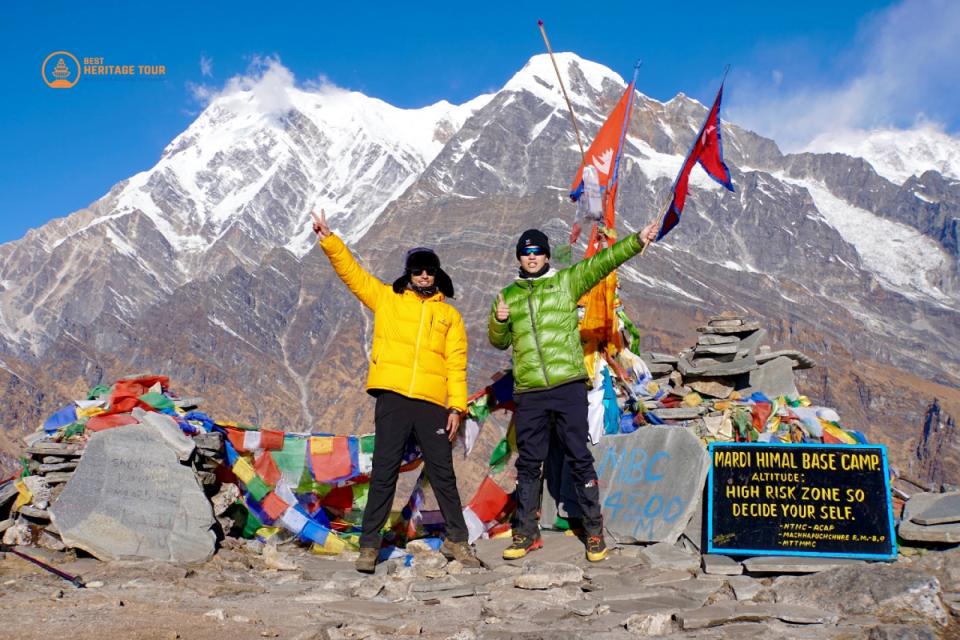
Altitude Profile: The trail climbs quickly from its starting point near Pokhara. The major overnight stops - Low Camp, Middle Camp, and High Camp - see rapid, significant elevation gain. The final push to Base Camp (4,500m) is a pre-dawn climb along the narrow, rocky ridge, offering incredible exposure and views.
-
Difficulty: Easy to Moderate. The altitude ceiling is lower, minimizing AMS risk compared to Langtang, but the daily climbs are often steeper and more relentless. The ridge walk requires steady footing but is not technically difficult.
-
The Feel of the Trail: You spend much of the trek above the tree line on the crest of a ridge, providing sweeping, unobstructed views for almost the entire duration - a visual feast for those who love high-altitude aesthetics.
2. Cultural Immersion and Atmosphere
The two regions differ widely in their resident populations, religious traditions, and overall atmosphere, dictating the cultural depth of your journey.
Langtang: Tamang and Tibetan Heritage
Langtang is the heartland of the Tamang people, an indigenous community with strong cultural and linguistic ties to Tibet, located close to the Tibetan border.
-
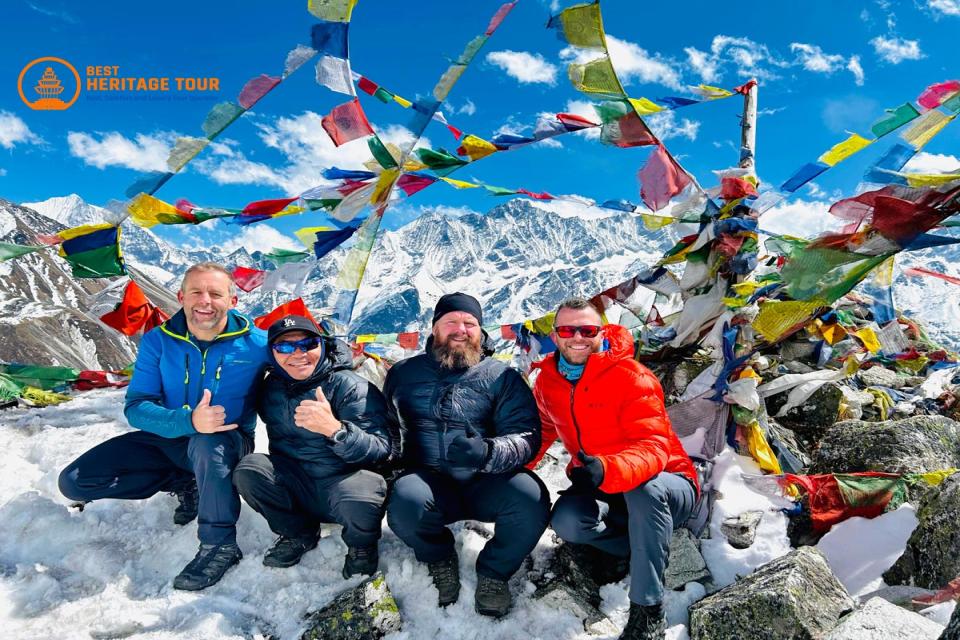
Culture: The culture here is distinctly Himalayan Buddhist. You will pass numerous colorful prayer wheels, intricate mani walls (stone inscriptions), and Gompas (monasteries). The architecture, characterized by small stone houses, food (yak dairy products, tsampa), and dress, all reflect this strong northern influence.
-
Kyanjin Gompa: This high-altitude settlement is the spiritual and trekking hub, centered around a significant Buddhist monastery and a traditional Yak cheese factory. The village itself feels remote and deeply rooted in tradition.
-
Atmosphere: The atmosphere is one of profound reflection and resilience. Langtang feels like a genuine expedition into a quiet wilderness. Trekkers often leave with a deep respect for the communities’ endurance and their efforts to preserve their heritage.
Mardi Himal: Gurung Villages and Fast-Paced Teahouse Culture
The Mardi Himal route skirts the Annapurna region, rooted in the heritage of the Gurung people.
-
Culture: The Gurung culture is distinct, known for its traditional villages, deep Hindu and Buddhist syncretism, and its famous role in military history (Gurkha soldiers).
-
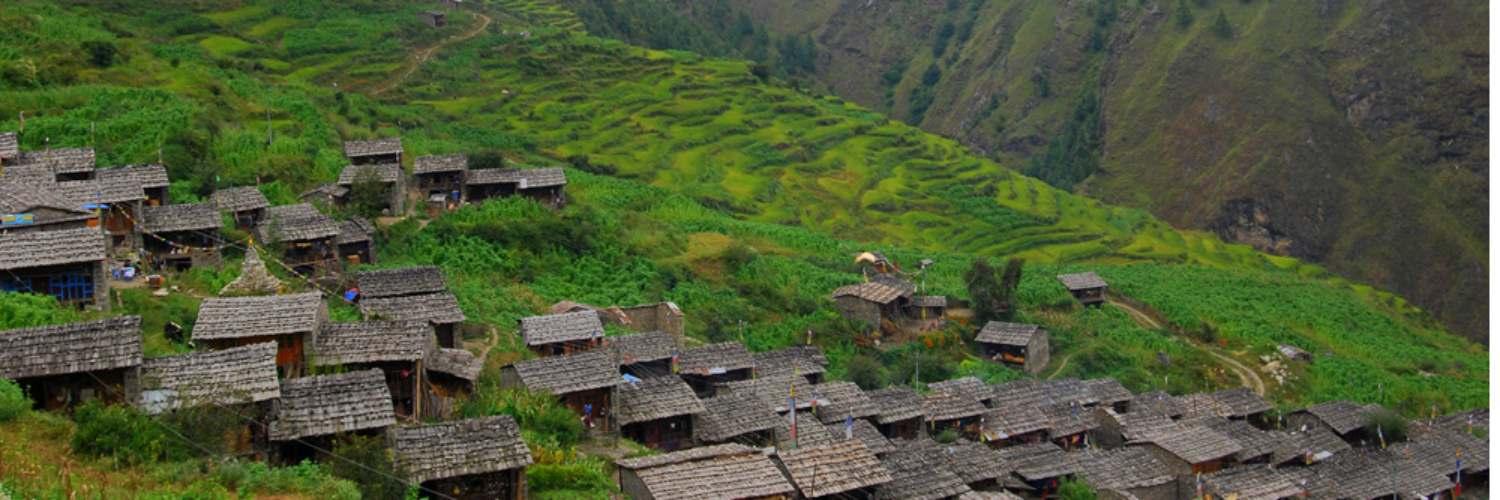
Teahouse Focus: The trail is newer, developed specifically for trekkers seeking rapid access to views. While you pass through beautiful, traditional Gurung villages like Landruk and Ghale Kharka at the beginning and end, the higher ridge camps are modern settlements designed primarily for accommodation.
-
Atmosphere: The vibe is more dynamic and communal. Because the trek is short and popular, you'll meet many fellow travelers, making for a friendly, bustling teahouse experience. It's the perfect social trek.
3. The Unrivaled Scenery and Viewpoints
The views are the primary motivator for any trekker, and this comparison is fascinating because the views are entirely different in style.
Langtang Valley: Panoramic Glacial Massifs and Deep Valley
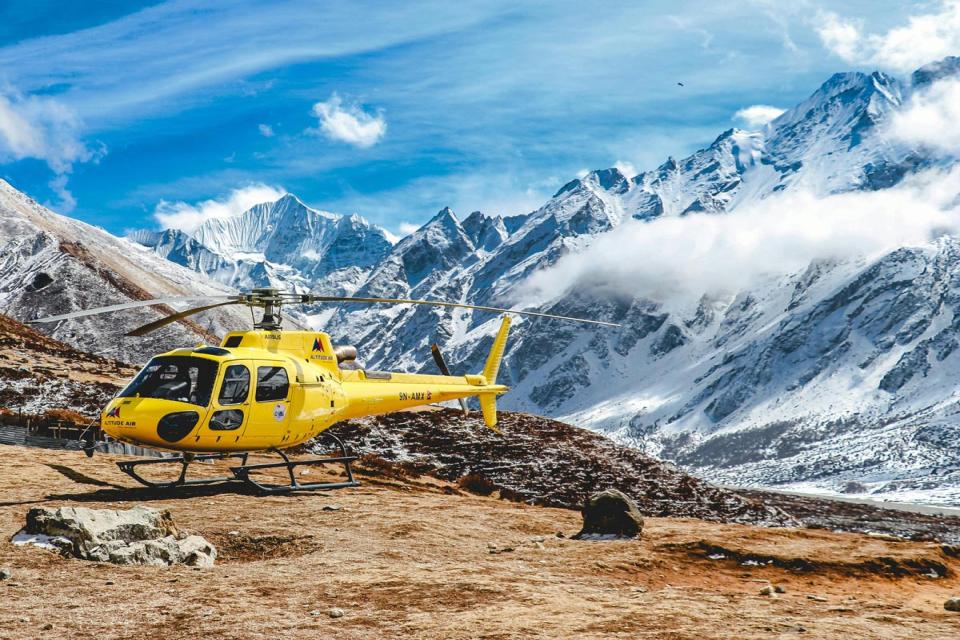
The views in Langtang are defined by massive, ice-clad peaks towering above the wide, U-shaped valley floor, offering a classic Himalayan sense of scale.
-
Langtang Lirung (7,234m): This huge peak dominates the valley, creating a constant, overwhelming sense of scale. You track this peak's presence for days as you move up the valley.
-
Glacial Views: The trek provides direct, close-up access to the Langtang Lirung Glacier and the surrounding icefalls, which you can explore on the optional Kyanjin Gompa day hikes. This geological proximity is a major draw.
-
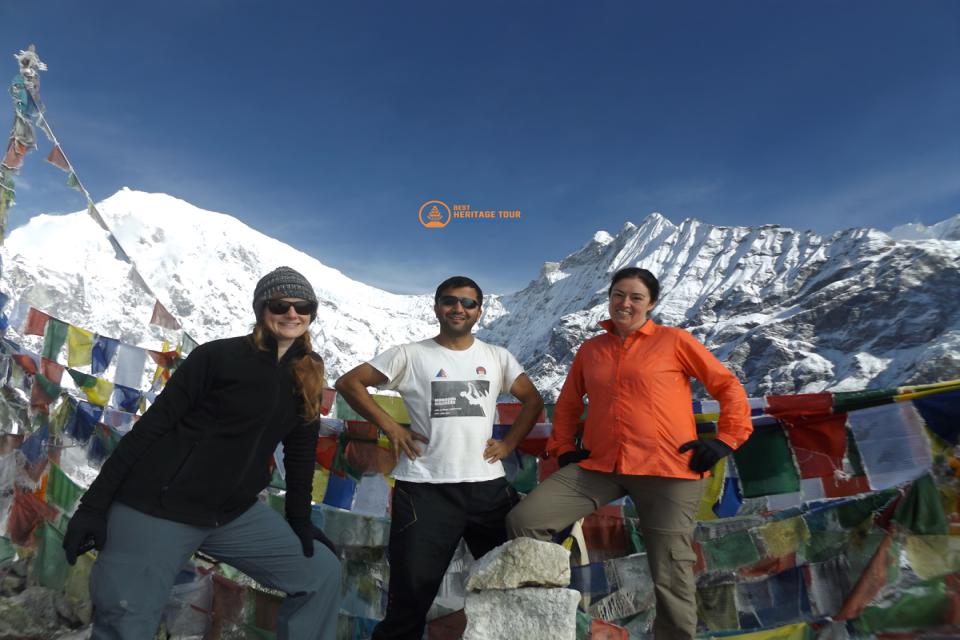
The Viewpoints: Climbing Tserko Ri (5,033m) is the visual climax. From this point, you achieve a sweeping, 360-degree vista of the entire region, stretching from the massive Langtang Himal to the peaks bordering Tibet. It is a true high-altitude panorama - a hard-earned summit.
Mardi Himal: Up-Close, Intimate Mountain Faces
Mardi Himal is famous for the intimate, dramatic proximity it offers to two of Nepal's most iconic mountains, giving the feeling of standing right beneath them.
-
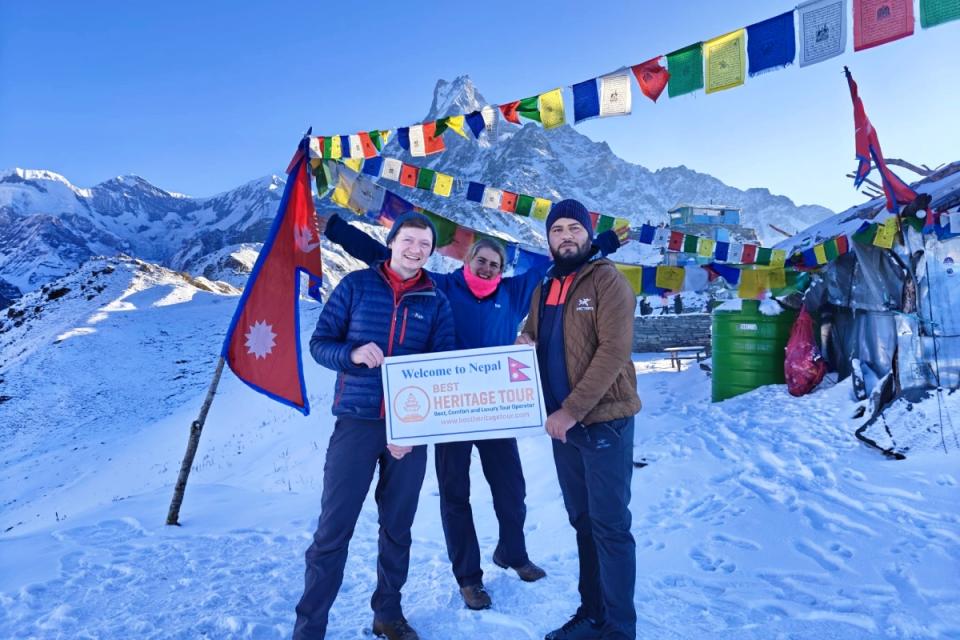
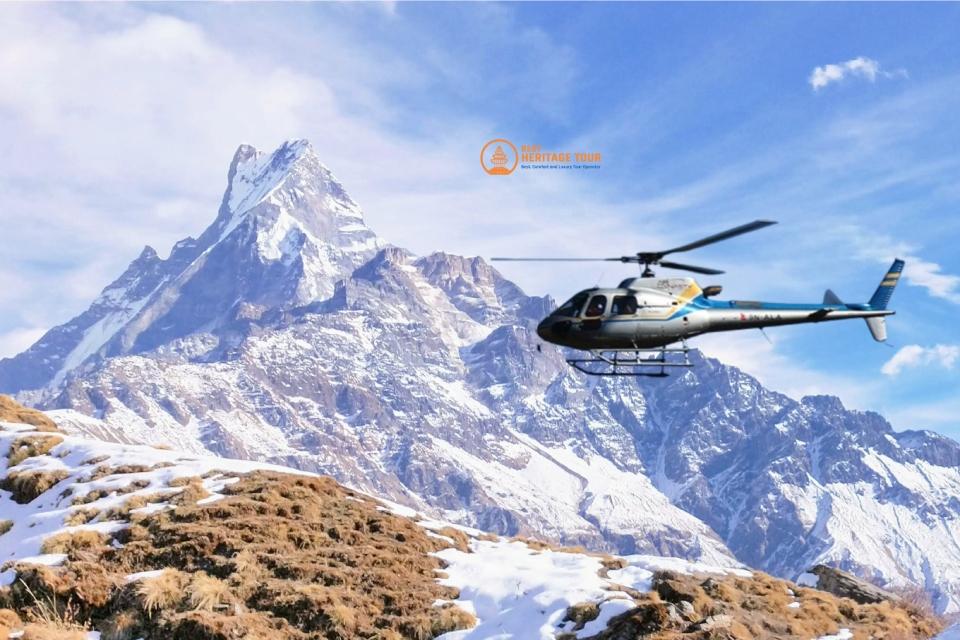
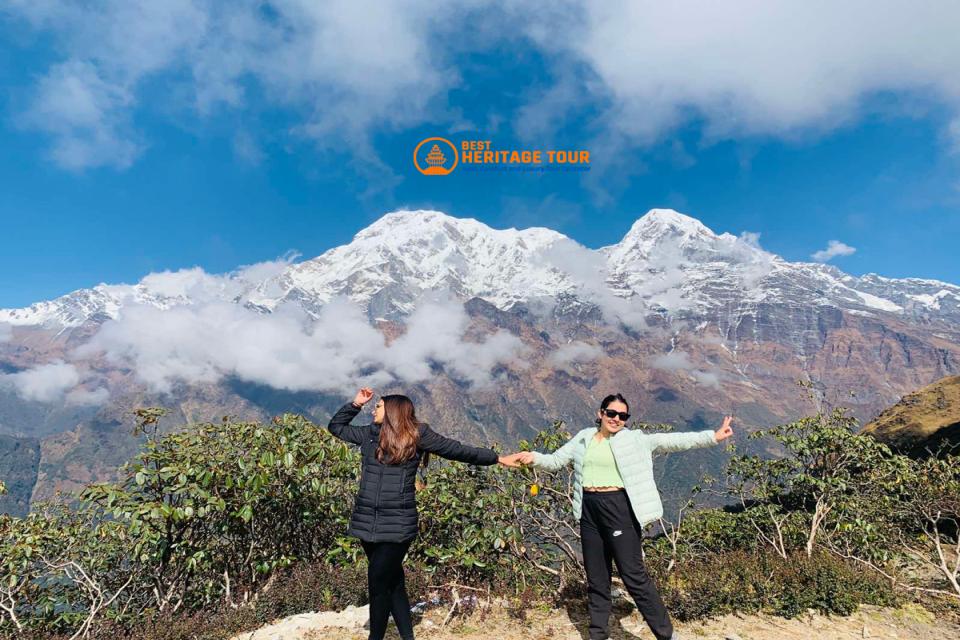
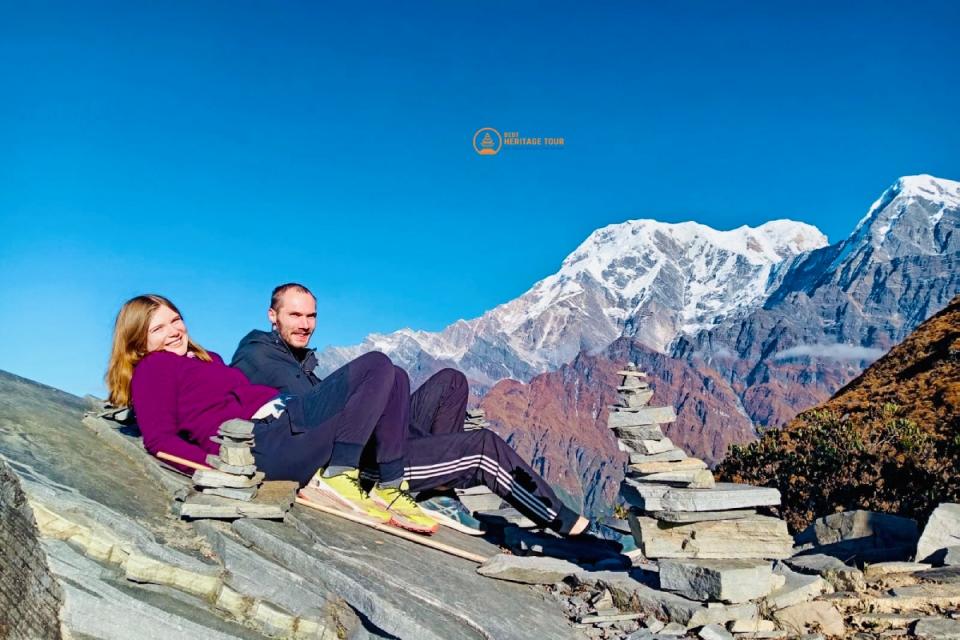
Machhapuchhre (Fishtail) (6,993m): This sacred, unclimbed peak is the star. As you walk the ridge, its spectacular, sharp double summit grows closer and closer, eventually looming directly overhead - an absolutely breathtaking view that dominates the entire trek. The sheer scale and perfection of the "Fishtail" is mesmerizing.
-
Annapurna South (7,219m): You get a spectacular, up-close view of the south face of Annapurna South, feeling as if you could reach out and touch its vast walls of rock and ice.
-
The High Camp Ridge: The entire trek is a masterclass in ridge walking, where every step offers an uninterrupted, jaw-dropping vista, often with clouds sweeping dramatically below you. It is a photographer's dream for dramatic light and cloud inversion effects.
4. Which Trek is Right for You? Expert Recommendations
Choosing between the Langtang Valley and Mardi Himal comes down to your available time, your tolerance for crowds, and your primary interest (culture vs. close-up views).
|
Criteria |
Choose Langtang Valley Trek |
Choose Mardi Himal Trek |
|---|---|---|
|
Time Constraint |
You have 10 days or more to dedicate. |
You have 7 days or less. |
|
Cultural Interest |
High interest in deep Tamang/Tibetan Buddhist culture and resilience. |
Interest in Gurung culture, but scenic views are the primary focus. |
|
View Preference |
You want a 5,000m panorama, deep valley views, and close-up glacial access. |
You want dramatic, close-up, intimate views of Machhapuchhre and Annapurna South. |
|
Trekking Experience |
Intermediate - you are comfortable with high altitude and long, sustained efforts. |
Beginner or Intermediate - you want a high reward for moderate, steep effort. |
|
Atmosphere |
You seek solitude, quiet reflection, and supporting a rebuilding community. |
You want a dynamic, communal trail experience with a fast-paced, view-centric itinerary. |
Our Expert Verdict:
-
For the Cultural Explorer & High Altitude Seeker: Choose Langtang. The deep penetration into the Tamang heartland, the quiet rhythm of the valley, and the challenge of Tserko Ri make this the richer cultural and altitude experience.
-
For the Time-Conscious Traveler & View Chaser: Choose Mardi Himal. It delivers arguably the best, most intimate mountain views (especially Machhapuchhre) for the least amount of time, making it the perfect 'mountain punch' package.
Preparing for Your Adventure
Whichever trail you choose, preparation is paramount.
The Langtang Preparation
Because the Langtang Valley Trek reaches a higher maximum altitude (5,000m), proper acclimatization and layering are crucial. You will need warmer, high-quality gear, especially for the pre-dawn hike to Tserko Ri. Transportation starts with a bus or jeep ride from Kathmandu, immersing you in the local landscape from the start.
The Mardi Himal Preparation
The Mardi Himal trail's steep nature means your focus should be on knee strength and ankle support. The weather changes quickly on the exposed ridge, requiring effective windproof layering. The trek is easily accessed via a short drive from Pokhara, making logistics simple and quick.
Best Heritage Tour Safety: Both treks are fully supported by our experienced, local Sherpa guides who are trained in first aid, altitude safety, and cultural history, ensuring a safe, rich, and unforgettable journey regardless of the route you choose. We handle all logistics, permits, and accommodation, allowing you to focus purely on the majesty of the Himalayas.
Conclusion: Your Adventure Awaits with Best Heritage Tour
The debate between the Langtang Valley and Mardi Himal Trek ultimately leads to an exciting choice: Do you dive deep into the cultural heart and massive scale of the Langtang Himal, or do you soar quickly onto the dramatic ridge-line for intimate views of the sacred Fishtail Mountain?
There is no wrong answer, only the right adventure for you. Both treks offer an escape from the ordinary and a profound connection to the unparalleled beauty of the Nepali Himalayas.
Plan Your Perfect Trekking Getaway Today with Best Heritage Tour!
Phone / WhatsApp / Viber: +977-9851149197 / +977-9810043046
Email: info@bestheritagetour.com / bestheritagetour@gmail.com
Website: www.bestheritagetour.com
Office: Thamel Marg, Kathmandu, Nepal
Author: Best Heritage Tour
Date: 2nd December, 2025