While the Himalayas beckon with challenges and high-altitude adventures, the vibrant valley nestled beneath them - the Kathmandu Valley - offers a journey just as profound, a deep dive into 2,000 years of history, art, and spirituality. This is the cultural heartbeat of Nepal, a place where ancient palaces still stand, where gods walk the earth in human form, and where the threads of Hinduism and Buddhism are interwoven into a single, seamless tapestry.
The valley is globally recognized for its density of architectural masterpieces, housing seven UNESCO World Heritage Sites within a small area. At Best Heritage Tour, we don't simply transport you between these sites; we unlock the stories, the rituals, and the artistic secrets held within the ancient bricks and intricate wooden carvings. Our Heritage Tour is your personal, expertly guided immersion into the living, breathing museum that is Kathmandu.
This comprehensive guide serves to educate and inform, detailing the significance of the "Seven Monument Zones" and revealing why a dedicated, expertly guided cultural tour is the only way to truly appreciate the soul of Nepal.
The Magnificent Seven: Unlocking Kathmandu's UNESCO Treasures
The Kathmandu Valley contains seven distinct monument zones that collectively form a single UNESCO World Heritage Site. These sites are categorized into two groups: the three royal Durbar Squares (historic urban centers) and the four major Religious Ensembles (spiritual centers).
A. The Three Royal Durbar Squares: Royal Seats of the Malla Kings
These squares were the royal and political hubs of the three independent Malla kingdoms that once ruled the valley, showcasing the pinnacle of Newari architecture, craftsmanship, and civic design.
1. Kathmandu Durbar Square (Hanuman Dhoka)
-
Significance: The historic heart of Kathmandu city, once the seat of the Malla and Shah kings.
-
Key Highlights: The nine-story Basantapur Tower, the colossal stone statue of Kal Bhairav, and the intricate Taleju Temple (viewable from outside).
-
The Living Goddess: The square is famously home to the Kumari Ghar, the traditional residence of the Living Goddess, Kumari. Witnessing a darshan (public appearance) of the Kumari is an unparalleled cultural experience that connects you directly to Nepal's unique spiritual traditions.
2. Patan Durbar Square (Lalitpur)
-
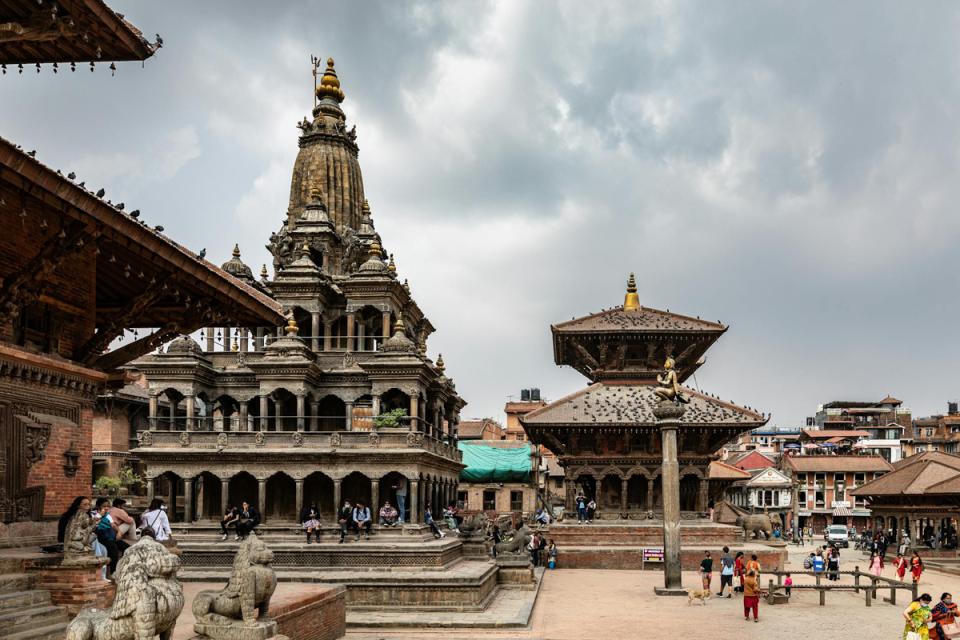
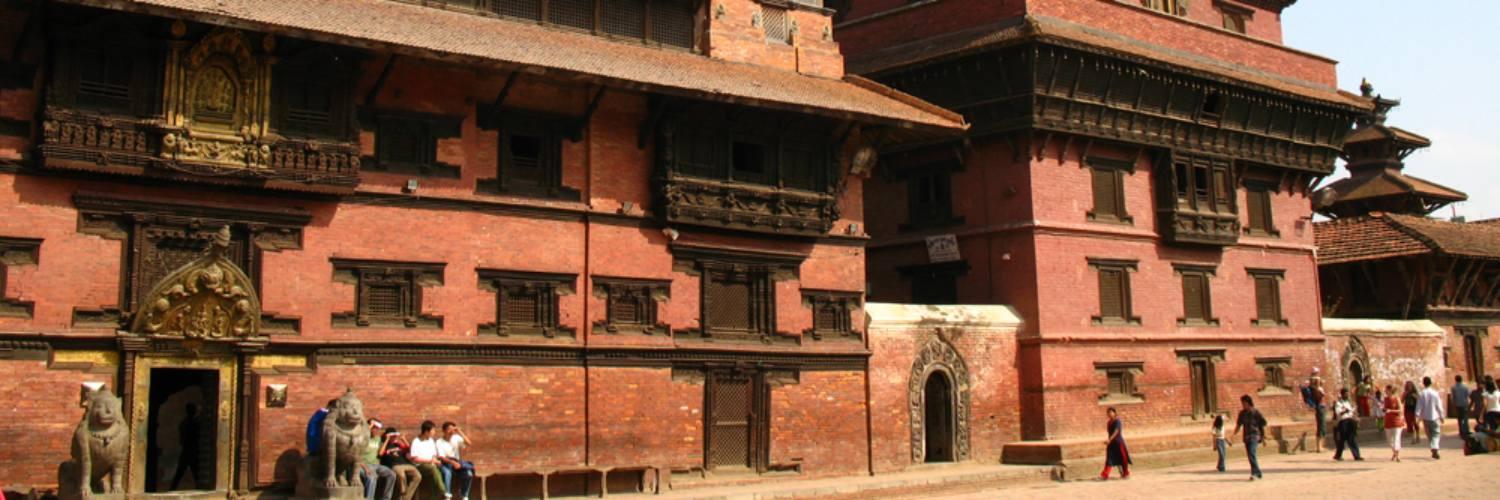
Architectural Focus: Patan is renowned for its dense concentration of metal and stone craftsmanship. The square is a stunning showcase of Shikhara (North Indian spire style) and Pagoda architecture existing side-by-side.
-
Key Highlights: The towering, tiered Krishna Mandir (Temple of Krishna), built entirely of stone in the Shikhara style, is a masterpiece. Also notable are the three main courtyards - Mul Chowk, Sundari Chowk, and Keshav Narayan Chowk - and the exceptional bronze art and sculptures housed in the Patan Museum. The stone carvings on the Krishna Mandir depict scenes from the Hindu epics, Ramayana and Mahabharata, making it a unique outdoor library of mythology.
3. Bhaktapur Durbar Square (Bhaktapur)
-
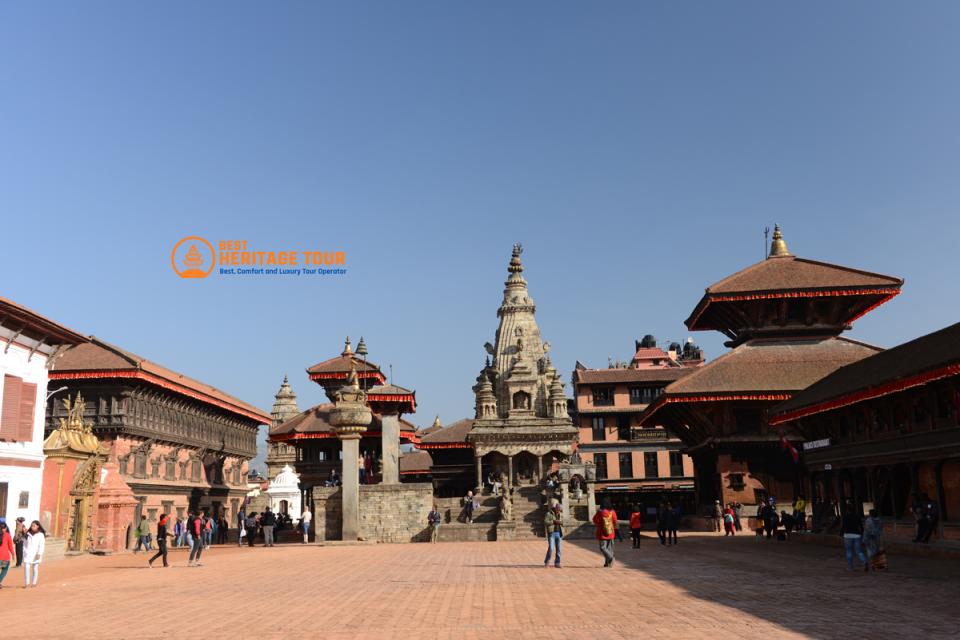
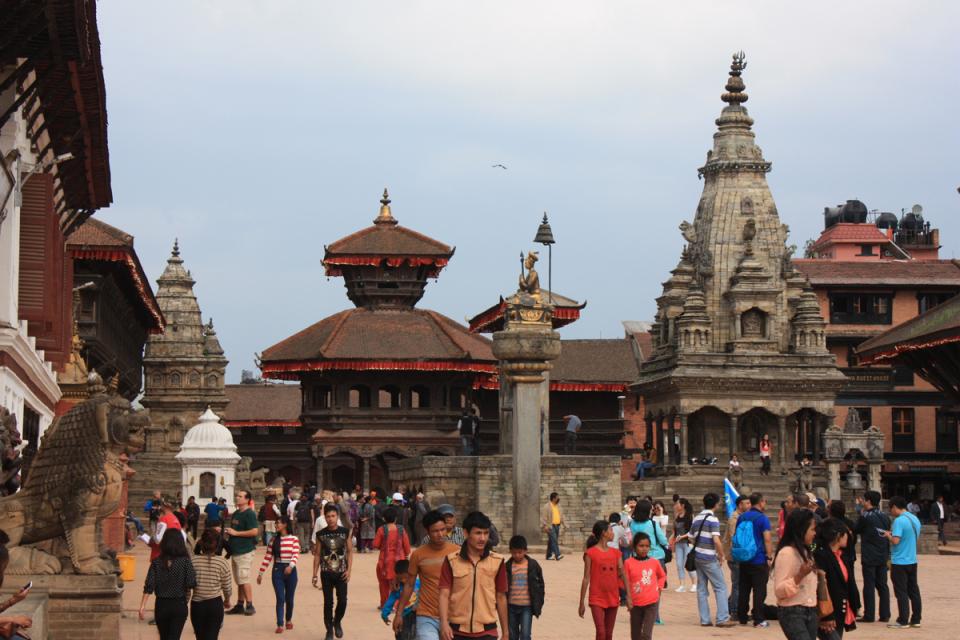
Significance: Known as 'Bhaktapur' (City of Devotees) or Khwopa, this site offers the most authentic glimpse into medieval Nepali life. It was the best-preserved of the three squares before the 2015 earthquake, and its restoration showcases the dedication to traditional Newari construction.
-
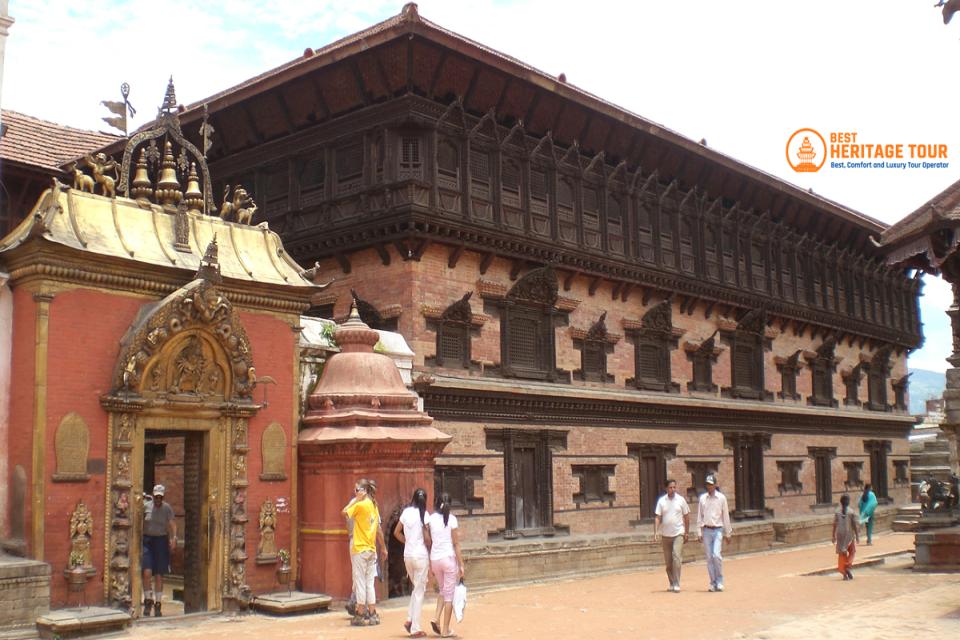
Key Highlights: The majestic 55-Window Palace, a 15th -century brick structure with 55 intricately carved wooden windows along its upper level - a testament to Newari woodwork. The magnificent Golden Gate (Luṁ Dhvākā), a repousse metalwork masterpiece leading to the inner courtyards.
-
Surrounding Areas: Unlike the others, Bhaktapur extends into multiple squares, including Taumadhi Square (home to the five-story Nyatapola Temple - Nepal's tallest temple) and Pottery Square, where traditional clay works are still made by hand, offering an active view of living heritage.
B. The Four Religious Ensembles: Centers of Faith and Amalgamation
These spiritual sites illustrate the remarkable synergy between Hinduism and Buddhism in Nepal, a defining feature of the valley's culture.
4. Pashupatinath Temple (Hinduism)
-
Significance: Nepal's most sacred Hindu shrine, dedicated to Lord Shiva in his incarnation as Pashupati (Lord of Creatures). It is one of the four most important sites in the Hindu world for devotees of Shiva.
-
Atmosphere: Located on the sacred Bagmati River, the complex is a vibrant, profound hub of life, death, and devotion. While the main temple is accessible only to Hindus, the surrounding complex allows visitors to witness funeral pyres on the ghats (cremation platforms), observe colourful sadhus (holy men), and experience the powerful, moving Evening Aarati (ritual of light) performed on the riverbanks.
-
Architecture: The main temple is a two-tiered golden-roofed pagoda with four silver-plated entrances, surrounded by hundreds of smaller shrines and temples.
5. Boudhanath Stupa (Buddhism)
-
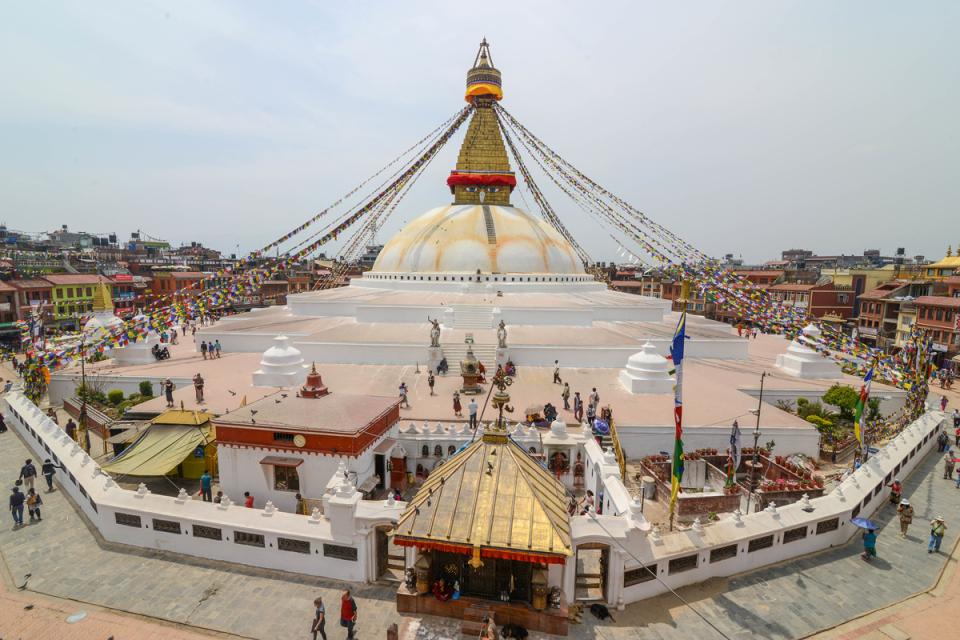
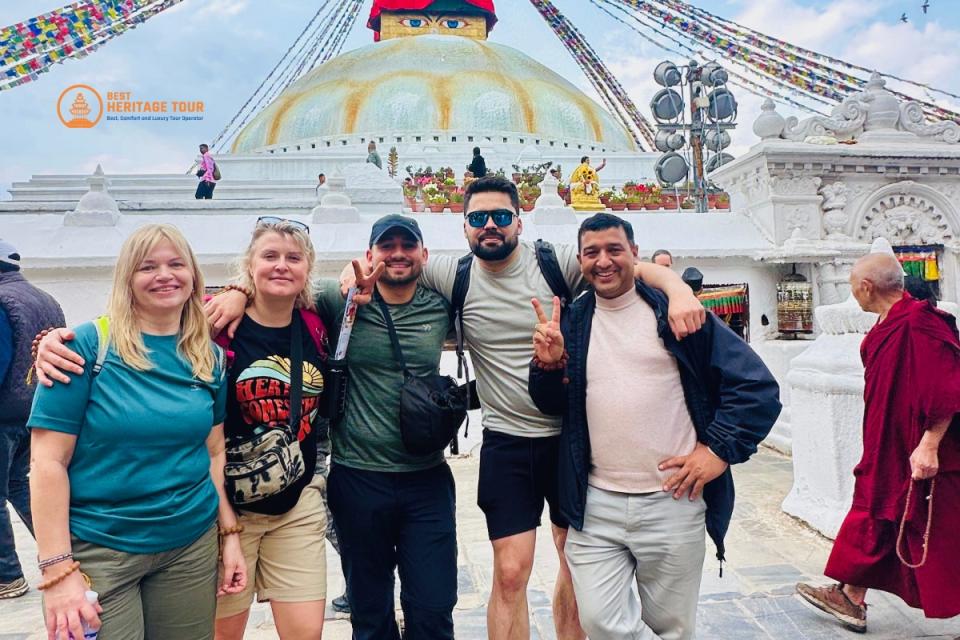
Significance: The largest spherical stupa in Nepal and one of the largest in South Asia. It is the primary centre of Tibetan Buddhism outside Tibet itself, making it a powerful spiritual nexus for Tibetan exiles and Himalayan Buddhists.
-
The Ritual: The atmosphere is characterized by the constant, meditative flow of pilgrims performing the kora (circumambulation) clockwise around the massive white dome, chanting mantras like Om Mani Padme Hum and spinning prayer wheels.
-
Visuals: The immense white hemisphere is topped by a square gilded tower featuring the iconic all-seeing eyes of the Buddha, watching over the valley in all four directions. The 108 niches at the base house various deities and ritual objects.
6. Swayambhunath Stupa (The Monkey Temple)
-
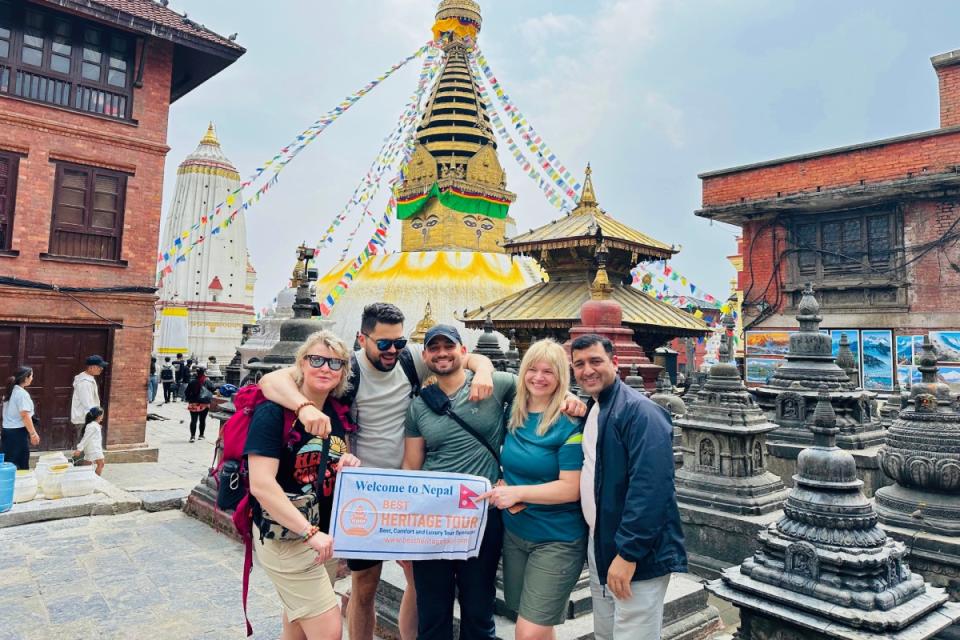
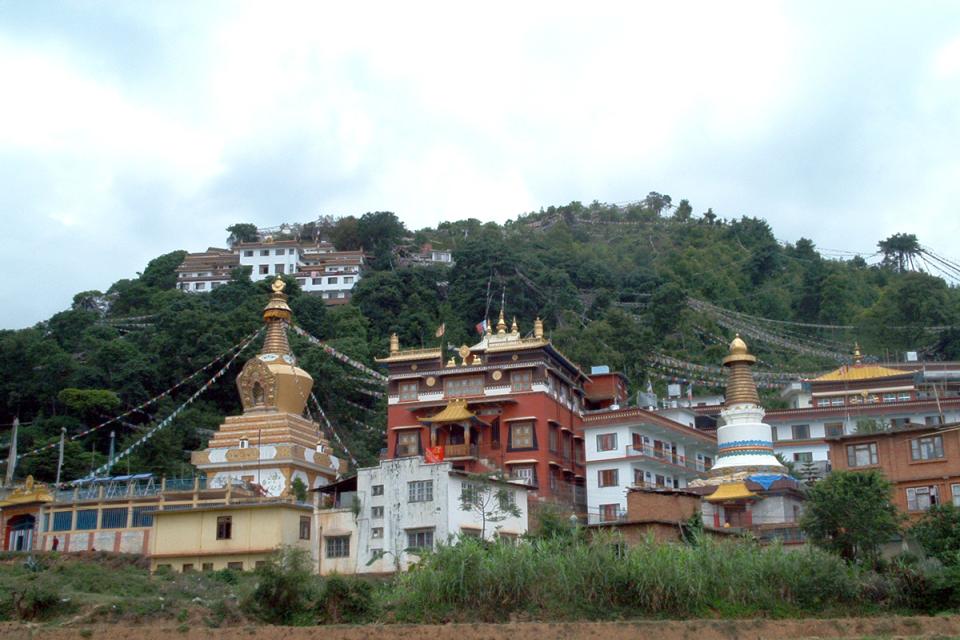
Significance: Believed to be over 2,000 years old and possibly the oldest Buddhist shrine in the valley. Perched atop a hill to the west of Kathmandu, it is often called the 'Monkey Temple' due to the resident population of holy monkeys.
-
Syncretism: Swayambhunath is a perfect example of the fusion of Hinduism and Buddhism, with temples and shrines dedicated to both traditions sharing the same sacred space. The view of the entire Kathmandu Valley from its elevation is spectacular, especially at sunset.
-
The Legend: Its origin is tied to the legend of the valley being drained by the Bodhisattva Manjushri, revealing the self-arisen, primordial flame (Swayambhu) that the stupa now enshrines.
7. Changu Narayan Temple (The Oldest)
-
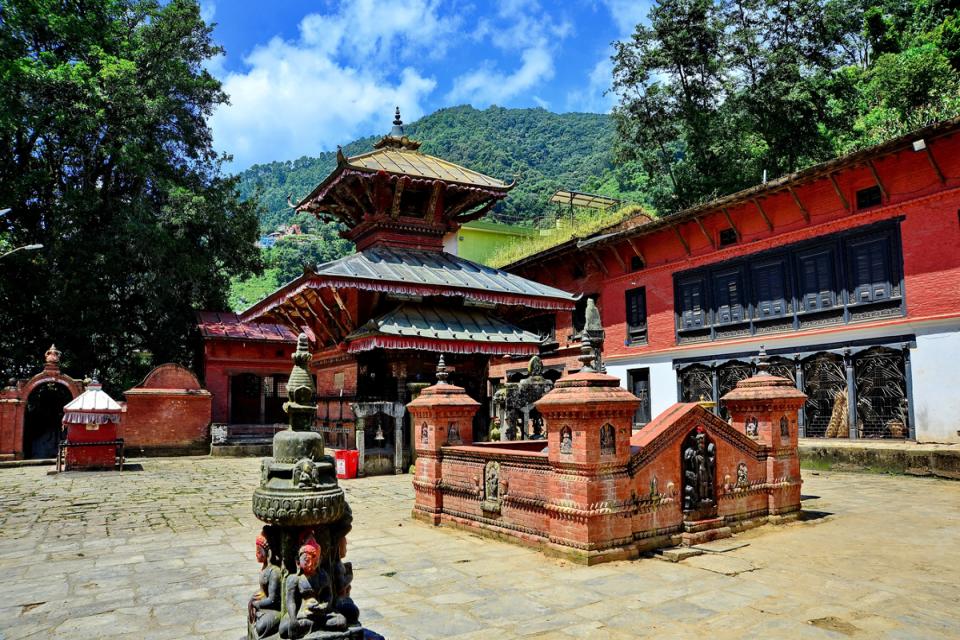
Significance: Located on a hilltop near Bhaktapur, Changu Narayan is the oldest living temple in Nepal. Its history dates back to the 4th century during the Lichhavi dynasty, making it a critical historical anchor for the valley.
-
Focus on Vishnu: Dedicated to Lord Vishnu, the two-tiered pagoda features some of the finest examples of Newari wood and stone carving from the Lichhavi and Malla eras. The famous stone inscription found here is the oldest known in the valley.
-
The Guardian: The temple is guarded by a statue of Garuda (Vishnu's vehicle), and surrounding it are statues of Vishnu in various incarnations, providing a profound lesson in Hindu mythology carved in stone.
Why an Expert Heritage Tour is Essential
A simple taxi ride will take you to these monuments, but to truly understand them requires insight. The density of history, mythology, and ritual in the Kathmandu Valley is immense; without context, they are merely beautiful buildings.
Best Heritage Tour elevates this experience through:
-
Contextual Storytelling: Our local heritage experts - guides who are often Newari themselves and trained historians - decode the symbolism behind the erotic carvings on temple struts, explain the significance of a torana above a doorway, and reveal the rivalries between the Malla kings that drove the architectural boom.
-
Navigating the Rituals: We time your visit to capture crucial moments, such as the pre-dawn silence at Boudhanath, the sight of a Kumari darshan, or the intensity of the Pashupatinath Aarati, providing respectful guidance on local etiquette.
-
Access to Living Heritage: We take you beyond the main gates - to the backstreets of Patan known for traditional bronze casters, to Bhaktapur's Pottery Square, and into ancient residential bahals (courtyards) - allowing you to see the heritage not as relics, but as a living part of modern Nepali life.
This is why a Kathmandu Valley Heritage Tour is more than sightseeing; it is an academic, spiritual, and artistic awakening.
The Enduring Legacy: Newari Art and Architecture
The reason the Kathmandu Valley achieved UNESCO World Heritage status is the unique and highly developed Newari culture that flourished here for centuries. The monuments are not just large structures; they are showcases of an art form unique to the region.
1. The Pagoda Style
The multi-tiered roof temples, like the Nyatapola in Bhaktapur and numerous others in the Durbar Squares, are the indigenous architectural style of Nepal. These tiered structures - believed to have originated in the valley - showcase elaborate, carved wooden roof struts that serve not only structurally but also display deities and mythological figures in a continuous narrative.
2. Intricate Woodwork and Repousse Metalwork
The Newari artisans were masters of their craft.
-
Windows and Doors: Look closely at the famous Peacock Window in Bhaktapur or the hundreds of latticed windows across the squares. These are not merely decorative; the intricate carvings serve historical, religious, and often Tantric significance.
-
Metal Finishes: The golden roofs, silver doors, and gilt ornamentation (like the Golden Gate) are crafted using the ancient art of repousse and metal casting, techniques that Patan’s traditional metal workshops still practice today.
These details are the essence of the valley's cultural heritage, and our guides ensure you do not miss a single, significant carving.
Planning Your Cultural Immersion Tour
A complete, unhurried UNESCO Heritage Tour of the Kathmandu Valley usually requires a commitment of 2-3 full days to allow sufficient time for travel between the sites, proper viewing, and cultural absorption.
-
Day 1 (Historical Core): Kathmandu Durbar Square and Patan Durbar Square, focusing on the Malla royal history and art.
-
Day 2 (Spiritual Centers): Pashupatinath Temple (morning or evening Aarati) and Boudhanath Stupa, contrasting the Hindu and Buddhist mega-centers.
-
Day 3 (The Extremes): Bhaktapur Durbar Square (the medieval city) and the hilltop Changu Narayan Temple (the oldest temple), offering a comprehensive historical timeline.
Best Heritage Tour Tip: The heritage sites are best experienced in the early morning or late afternoon when the light is perfect for photography, and the sites are buzzing with local ritual activities (especially the early morning kora at Boudhanath).
Conclusion: Experience the True Heritage of Nepal
The Kathmandu Valley UNESCO Heritage Tour offered by Best Heritage Tour is the essential complement to any Nepali adventure. Whether you are coming from a rigorous trek in the Everest region or simply seeking a deep cultural exploration, the valley’s ancient cities and sacred sites offer a profound journey into the very soul of the nation.
We invite you to step away from the noise of modern life and walk with us through the alleyways of history, where every stone has a story and every temple is a chapter in Nepal's glorious past. Trust the local experts to unlock this unparalleled heritage for you.
Begin Your Cultural Journey with Best Heritage Tour
Ready to explore the seven wonders of the Kathmandu Valley with a guide who brings history to life? Contact Best Heritage Tour today.
Phone / WhatsApp / Viber: +977-9851149197 / +977-9810043046
Email: info@bestheritagetour.com / bestheritagetour@gmail.com
Website: www.bestheritagetour.com
Office: Thamel Marg, Kathmandu, Nepal
Unravel the Past. Book Your Kathmandu Valley Heritage Tour Today.
Author: Best Heritage Tour
Date: 2nd December, 2025