Nepal. The name instantly conjures images of snow-capped titans, prayer flags fluttering in the icy air, and the indomitable spirit of the Sherpa people. It is rightly famed as the Roof of the World, but to limit Nepal to just Mount Everest is to miss the staggering depth of its history, culture, and biodiversity.
For tourists, trekkers, and travelers, knowing these deeper, more compelling truths about the country transforms a simple vacation into a profound experience.
At Best Heritage Tour, we don't just guide you through Nepal; we guide you through its stories. This definitive guide of interesting facts about Nepal for tourists will move you beyond the brochure, informing and inspiring your journey to this spectacular landlocked nation.
I. Geographical & Altitude Marvels (The Land of Superlatives)
Nepal is arguably the world’s greatest geographical oddity, compressing incredible variations in altitude, climate, and landscape into an area smaller than the state of Florida. It is truly the home of global extremes.
Fact 1: Nepal is Home to 8 of the World's 14 Eight-Thousanders
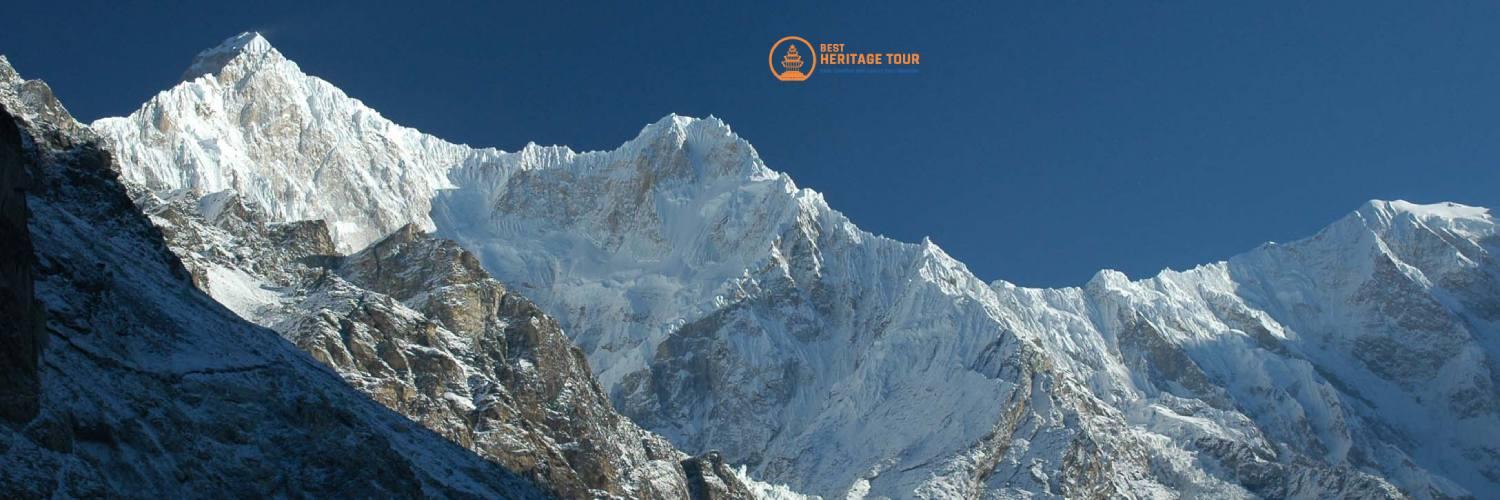
While Everest (Sagarmatha) rightly gets the spotlight, Nepal is unparalleled in its concentration of the world’s highest peaks. Of the 14 mountains on Earth that stand above 8,000 meters ($26,247$ ft), eight are either entirely within Nepal or straddle its border with China.
This collection includes:
-
Mt. Everest (8,848.86m / 29,031.7ft) - The undisputed champion.
-
Kanchenjunga (8,586m) - The third-highest peak.
-
Lhotse (8,516m) - The fourth-highest peak, which shares the Everest massif.
-
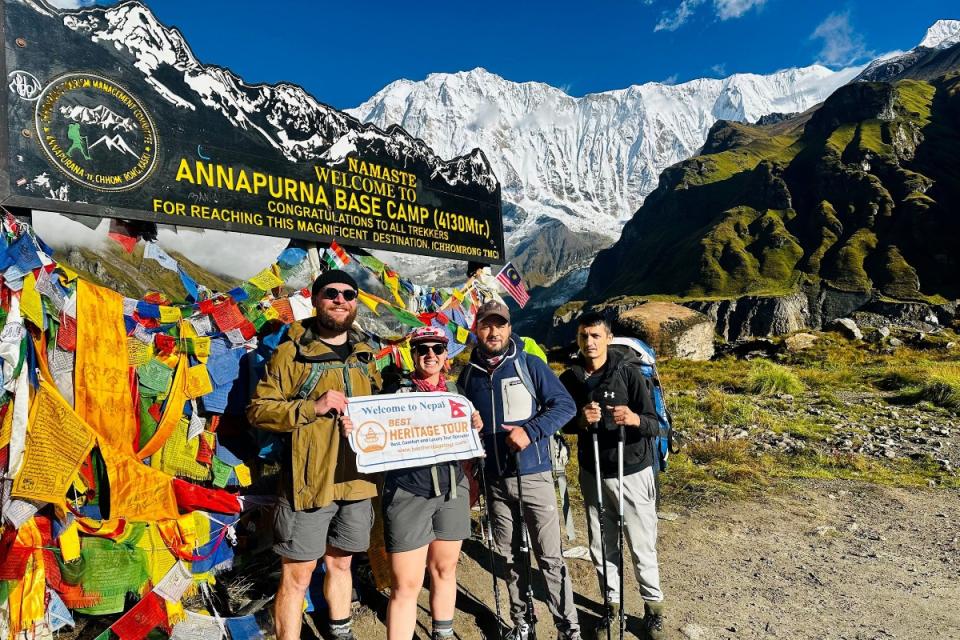
Makalu (8,485m), Cho Oyu (8,188m), Dhaulagiri (8,167m), Manaslu (8,163m), and Annapurna I (8,091m).
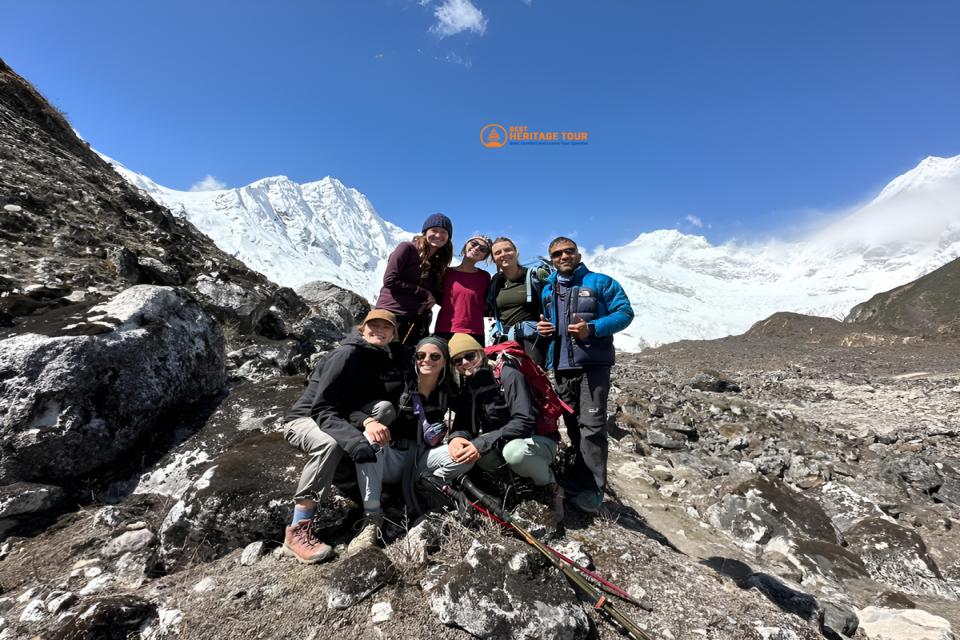
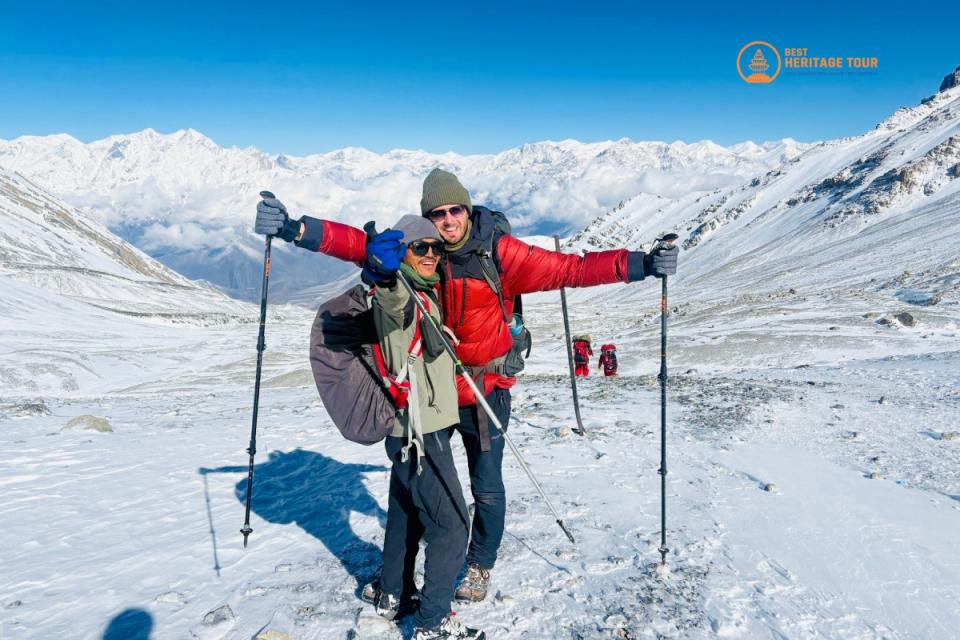
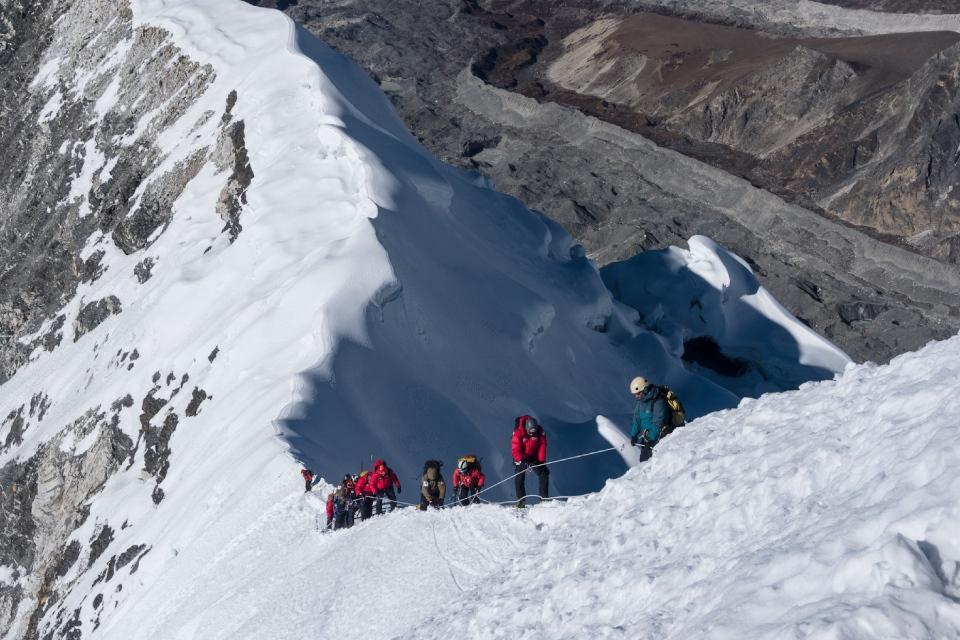
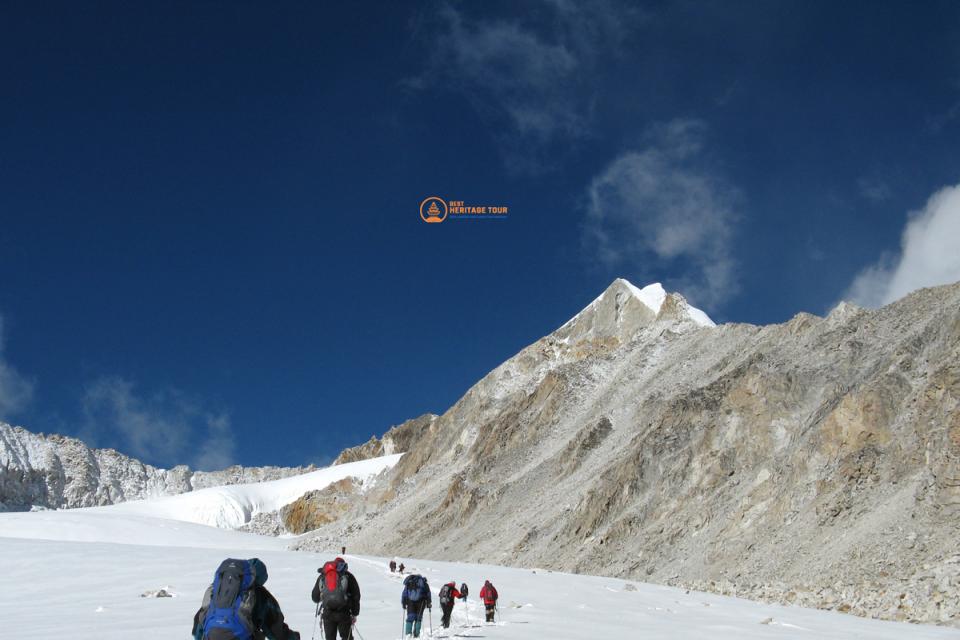
Tourism Context: This incredible concentration is why Nepal is the premier destination for serious trekking and mountaineering. Whether you tackle Everest Base Camp, the Annapurna Circuit, or the Manaslu Trek, you are constantly walking in the shadow of world records.
Fact 2: The World's Deepest Gorge and Tallest Mountains Coexist Here
Nepal's topography features the world’s highest-altitude point (Everest) and, conversely, the deepest gorge, the Kali Gandaki Gorge, which is often cited as the deepest on Earth.
The gorge is situated between the gigantic Dhaulagiri (Fact 1) and Annapurna I (Fact 1) mountains. The river running through it, the Kali Gandaki, predates the Himalayas, meaning the mountains rose around the river, a testament to geological power.
Tourism Context: This dramatic difference in elevation is the core appeal of the Annapurna region. Trekkers on the Annapurna Circuit pass directly through this gorge, experiencing massive shifts in climate and culture within days.
Fact 3: Nepal Has the Most Unique Time Zone on Earth
Nepal is one of the few places in the world that does not adhere to a half-hour or full-hour offset from Coordinated Universal Time (UTC). Nepal Standard Time is precisely GMT +5:45.
This fractional time zone is rooted in history. It was established based on the meridian passing through the Gauri Shankar peak (7,134m), which sits between the standard Indian time zone (GMT +5:30) and other neighboring regions.
Tourism Context: This is a fun, quirky fact travelers love to share. It's also a practical reminder to set your watch correctly upon arrival, as a 15-minute difference can make you miss a meeting or a flight!
Fact 4: Home to Tilicho Lake, One of the Highest Lakes in the World
Located in the Manang district of the Annapurna region at an altitude of 4,919 meters (16,138 ft), Tilicho Lake is widely celebrated as one of the highest-altitude lakes of its size. The lake, surrounded by some of the most magnificent peaks, is a deep-blue jewel nestled in a desolate landscape.
Tourism Context: Reaching Tilicho Lake requires a challenging extension of the Annapurna Circuit Trek. It is a prize sought by adventurers, offering unparalleled serenity and proof of the country's relentless elevation records.
II. Historical & Cultural Riches (The Living Museum)
Nepal's culture is a dynamic, living tapestry of Hinduism and Buddhism woven together over millennia, and its history is fiercely independent.
Fact 5: Nepal Was Never Colonized
Unlike its massive neighbors, Nepal does not have an Independence Day because it was never subjugated or colonized by a foreign power. It stands as one of the oldest independent nations in South Asia.
Its sovereignty was maintained through periods of strategic isolation, treaties with the British, and the sheer courage and tenacity of its people and the legendary Gurkha soldiers.
Tourism Context: This proud history is why the culture is so incredibly well-preserved. Tourists see authentic, centuries-old traditions that were never suppressed or homogenized by colonial influence.
Fact 6: The Only Nation with a Non-Quadrilateral National Flag
This is, perhaps, the most famous Nepal tourism fact aside from Everest. The flag is the only one in the world that is not rectangular or square. It consists of two stacked triangles (or pennons).
The symbolism is deeply rooted:
-
The Triangular Shape: Represents the majestic Himalayan mountains and, in Vedic tradition, symbolizes success.
-
Crimson Red: The color of the national flower, the rhododendron, and a symbol of the Nepali people's bravery.
-
Blue Border: Represents peace and harmony.
-
The Sun and Moon: The celestial bodies indicate the hope that Nepal will enjoy the same longevity as the sun and moon.
Tourism Context: You will see this flag everywhere - it’s a powerful symbol of national identity and a great conversation starter with local guides.
Fact 7: Nepal is the Birthplace of Lord Buddha
Siddhartha Gautama, the founder of Buddhism, was born in Lumbini, located in the Terai region of southern Nepal, in 623 B.C. Lumbini is now a UNESCO World Heritage Site and a major center for religious tourism and peace studies.
Tourism Context: Nepal is a holy land for both Hindus and Buddhists. The Kathmandu Valley, in particular, is an incredible example of syncretism, where the two faiths often worship the same deities in the same temples, illustrating profound religious tolerance. Pilgrimage tours and combined Hindu/Buddhist heritage routes are a major draw.
Fact 8: The Tradition of the Living Goddess (Kumari Devi)
Nepal is the only country in the world that officially worships a Living Goddess, the Kumari Devi. This tradition involves selecting a young, pre-pubescent girl from the Newari community who is believed to be the living incarnation of the Hindu goddess Taleju (the Nepalese name for Durga).
She resides in the Kumari Ghar in Kathmandu’s Durbar Square and is worshipped until she reaches puberty or loses blood in an injury, at which point she steps down and a new girl is chosen.
Tourism Context: While highly revered, tourists can often witness the Kumari making brief appearances from her window - a rare sight and a profound look into Nepal’s unique cultural fabric. Guided Kathmandu heritage tours often include a respectful explanation of this tradition.
Fact 9: Kathmandu Valley Has 7 UNESCO World Heritage Sites Within 15 Miles
The capital region is often called the "Living Cultural Museum of the World" due to the extraordinary density of its cultural treasures. The Kathmandu Valley World Heritage Site zone includes seven separate, equally impressive cultural monuments:
-
Kathmandu Durbar Square
-
Patan Durbar Square
-
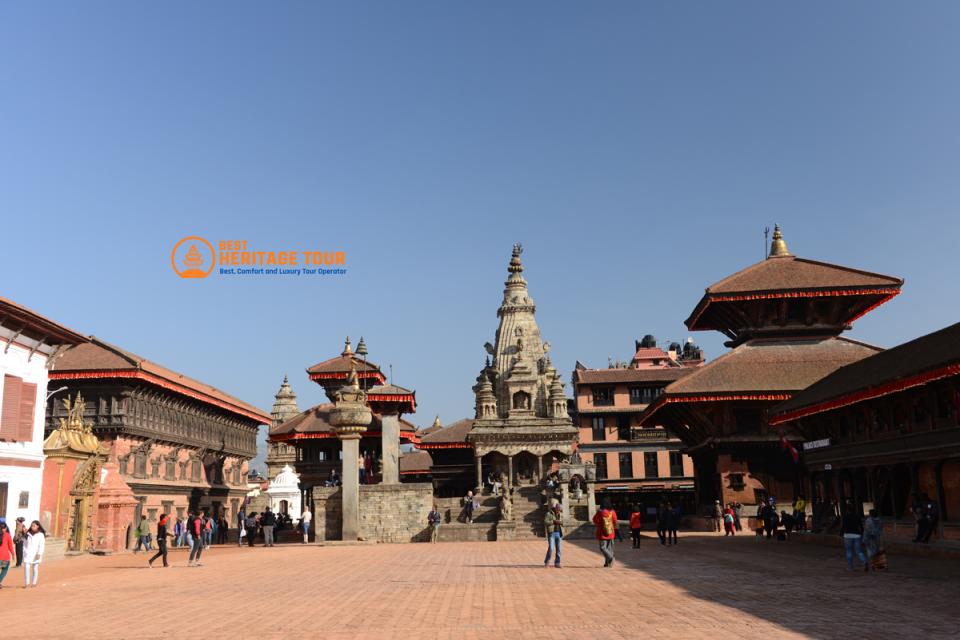
Bhaktapur Durbar Square
-
Pashupatinath Temple
-
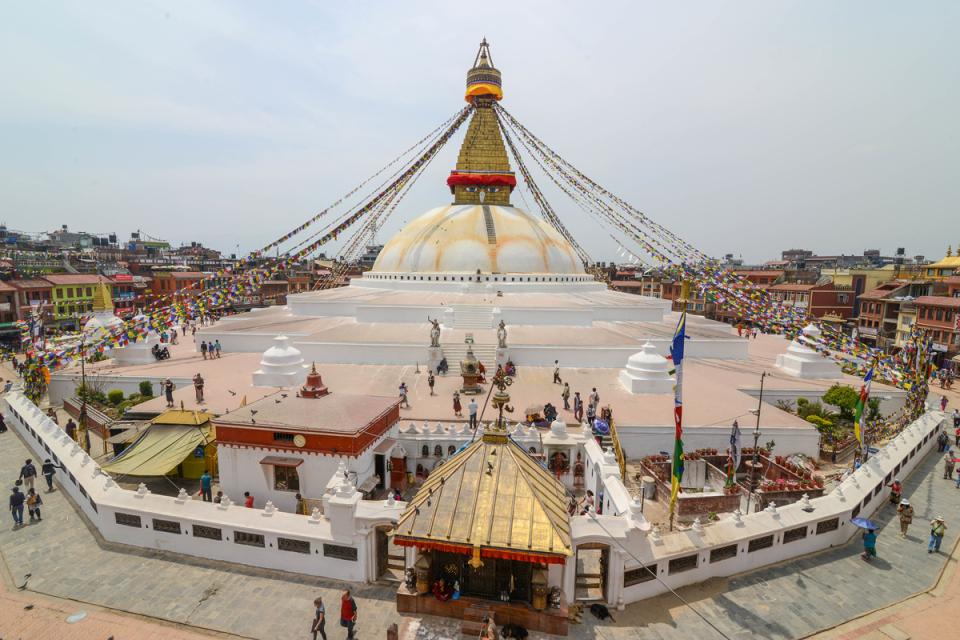
Boudhanath Stupa
-
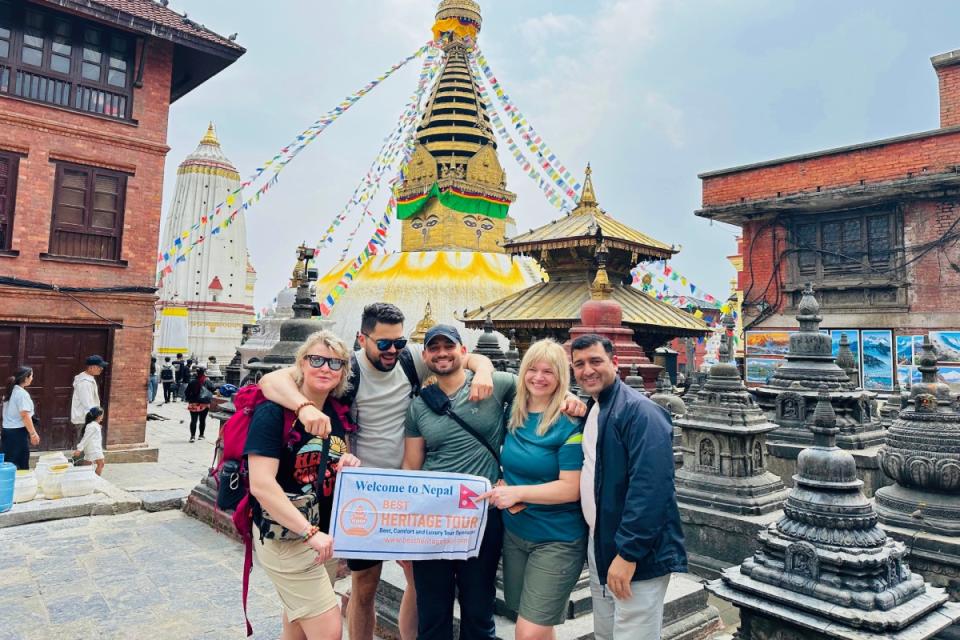
Swayambhunath Stupa (Monkey Temple)
-
Changu Narayan Temple
Tourism Context: This incredible density means that a cultural tourist can explore millennia of art, architecture, and history in a single, manageable region. Best Heritage Tour specializes in custom tours that efficiently cover these historical jewels.
III. Adventure & Extreme Tourism Facts (The Adrenaline Quotient)
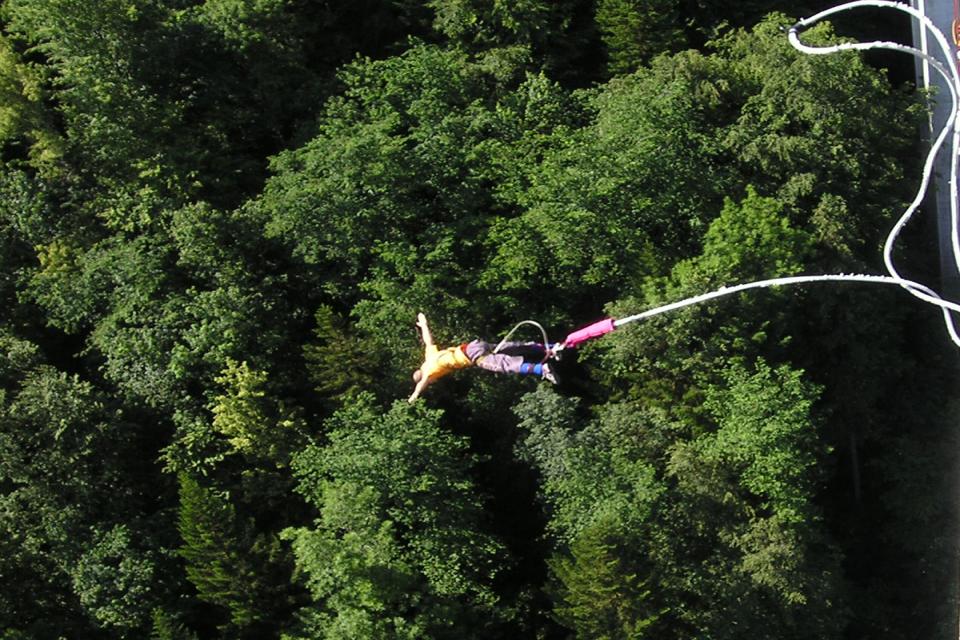
For many, Nepal tourism is synonymous with adventure. From the highest peaks to the deepest gorges, the country is custom-built for adrenaline seekers.
Fact 10: Home to the World's Highest-Altitude Marathon
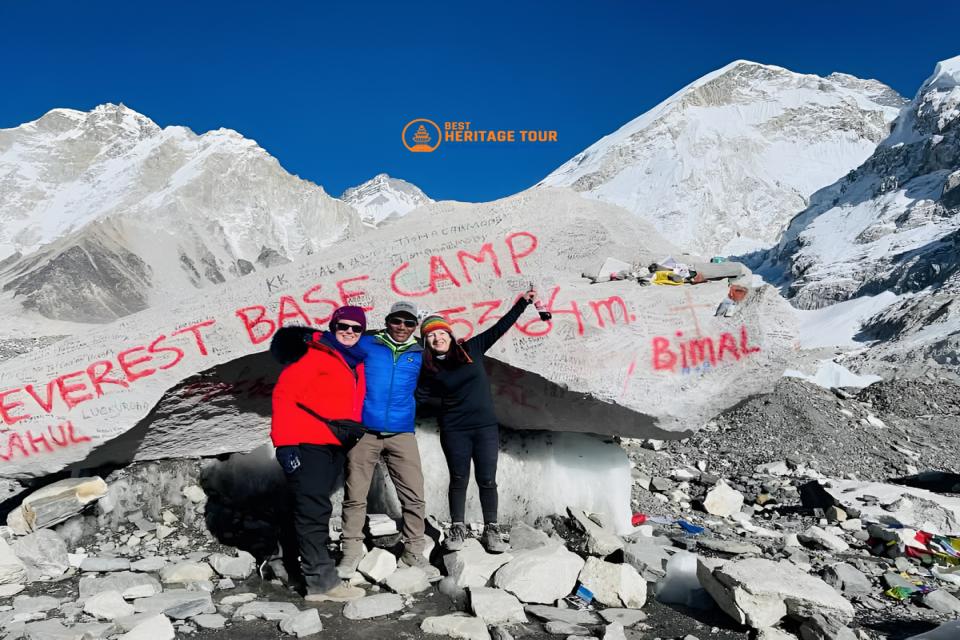
The Tenzing-Hillary Everest Marathon starts at Everest Base Camp (5,364m) and is recognized as the highest-altitude marathon on the planet. It is held annually to celebrate the first successful ascent of Everest by Tenzing Norgay Sherpa and Sir Edmund Hillary.
Tourism Context: This niche event highlights Nepal’s extreme adventure offerings. It’s an example of the unique, record-breaking experiences you can find here, far beyond standard trekking.
Fact 11: The Ultimate in White-Water Thrills
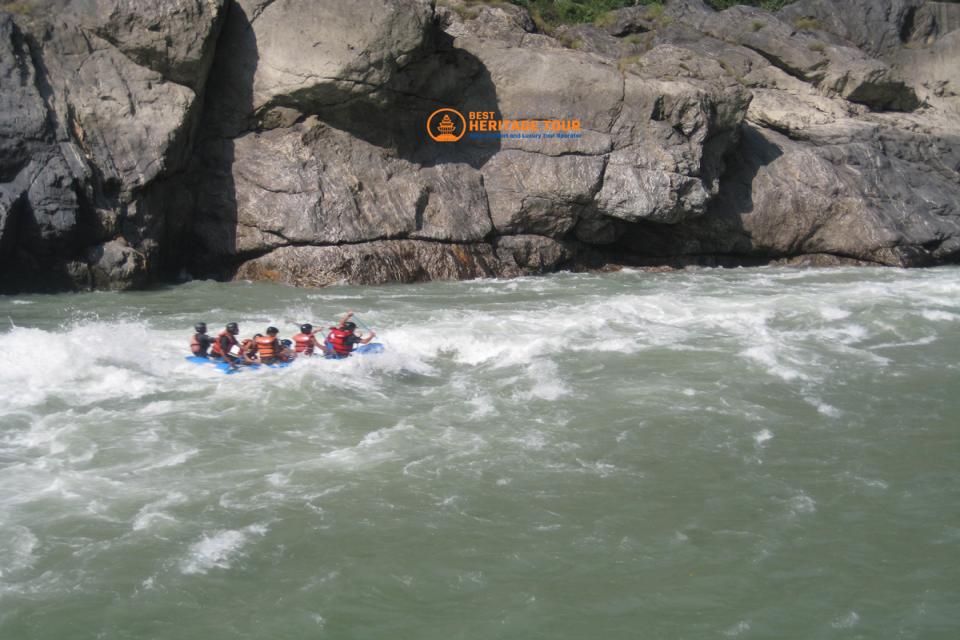
Nepal is one of the world's premier destinations for white-water rafting and kayaking. The massive snow and glacier melt from the Himalayas feed powerful, multi-day river systems, including the Trisuli, Kali Gandaki, and the intense Bhote Koshi.
Tourism Context: These rivers offer multi-day camping and rafting trips, providing an incredible counterpoint to the mountain treks. It allows travelers to experience the diverse geography of Nepal, moving from high altitude to the low river valleys.
Fact 12: You Can Get a Visa on Arrival (The Fastest Tourist Visa)
Nepal makes entry incredibly simple for most nationalities. Tourist visas can be obtained upon arrival at the Tribhuvan International Airport (TIA) in Kathmandu via an automated system, or at various land border crossings.
Tourism Context: This practicality makes last-minute travel planning easier than for almost any other destination. It removes a major barrier to entry for the general foreigner audience, encouraging impulsive and flexible travel.
Fact 13: The Nepali Gurkhas Are a Global Legend
The Gurkhas, soldiers from Nepal recruited into the British and Indian armies, have a legendary reputation for bravery, fierce loyalty, and skill in battle. Their motto, "Better to die than be a coward," is globally recognized.
Tourism Context: The name Gurkha is synonymous with Nepal’s history and pride. Travelers often encounter former Gurkha soldiers working as security guards or skilled trekking guides, whose discipline and professionalism are a hallmark of the tourism industry.
IV. Flora, Fauna, and Unique Wildlife (Beyond the Snow Line)
Nepal's ecology is as diverse as its altitude. Despite its small size, it holds a concentrated percentage of the world's biodiversity, particularly in the southern Terai region.
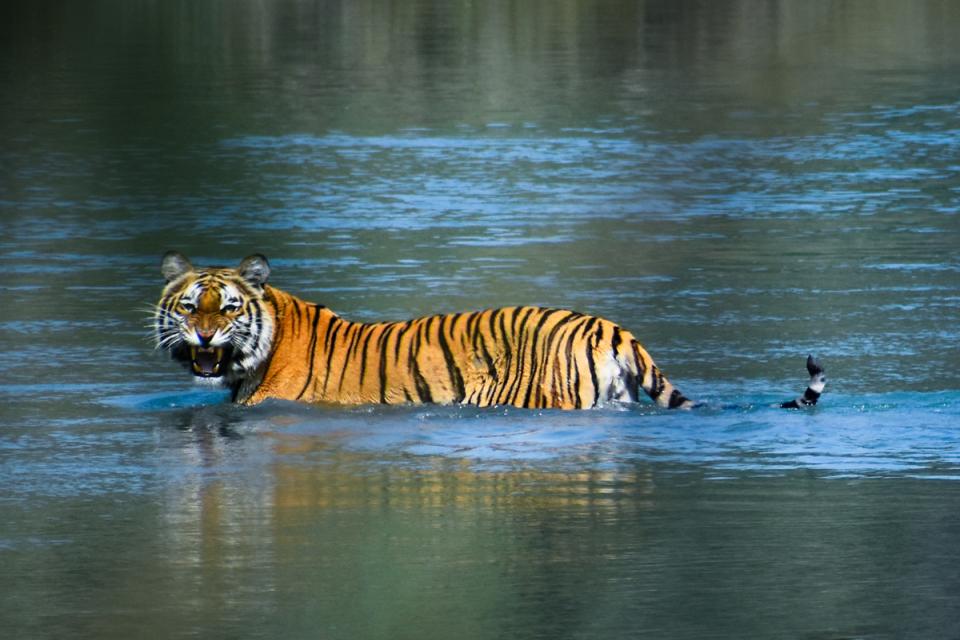
Fact 14: Home to the One-Horned Rhino and Royal Bengal Tiger
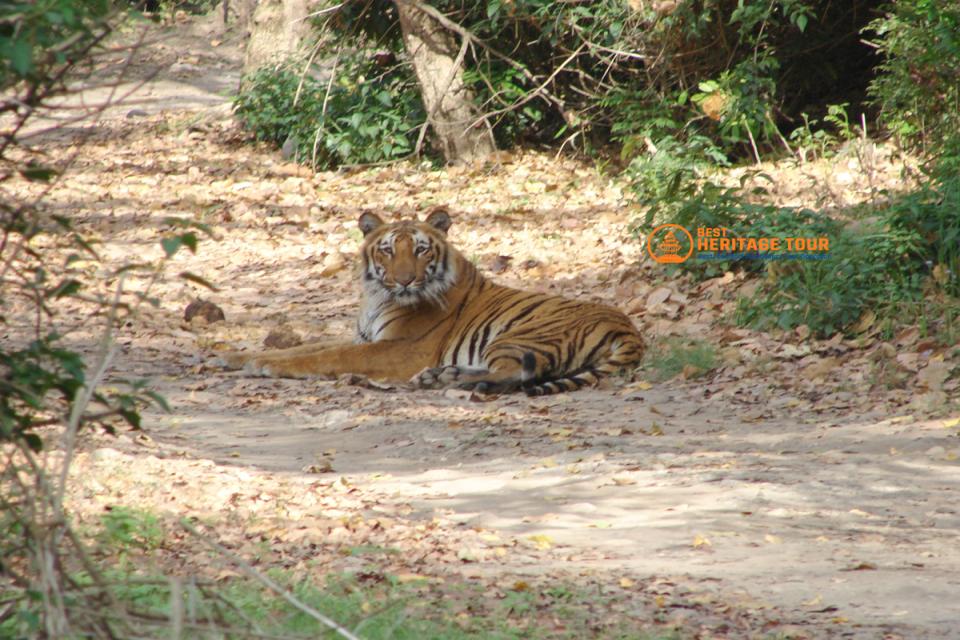
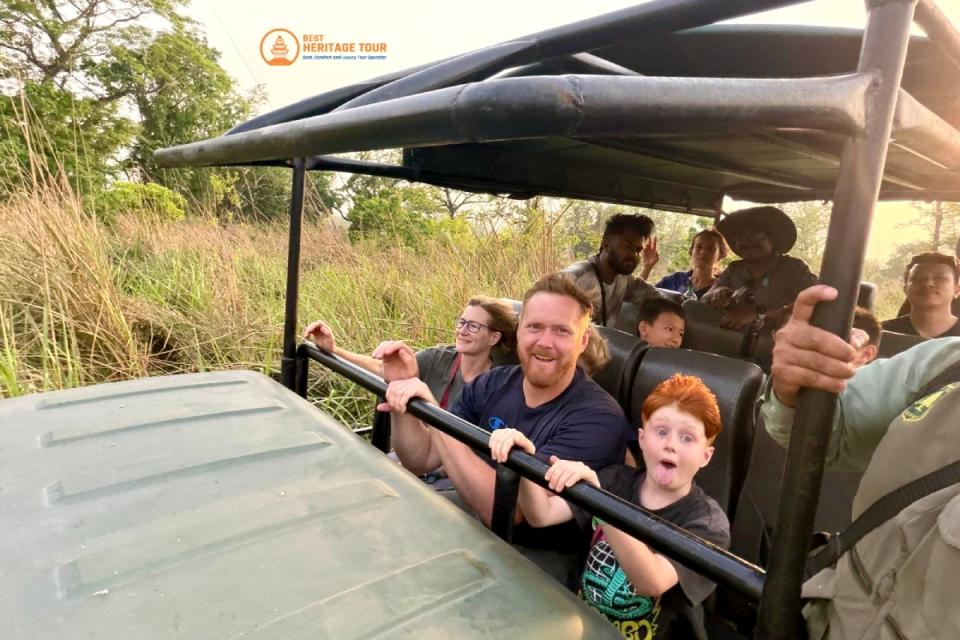
In the low-lying plains of Chitwan National Park and Bardiya National Park, tourists can find a vibrant sub-tropical ecosystem. Nepal is one of the few places where you can safely track the endangered One-Horned Rhinoceros and the majestic Royal Bengal Tiger.
Tourism Context: This provides a crucial point of travel diversification. A combined itinerary - such as trekking in the Annapurna mountains followed by a jeep or canoe safari in Chitwan - is one of the most popular and rewarding ways to experience the extremes of Nepali geography.
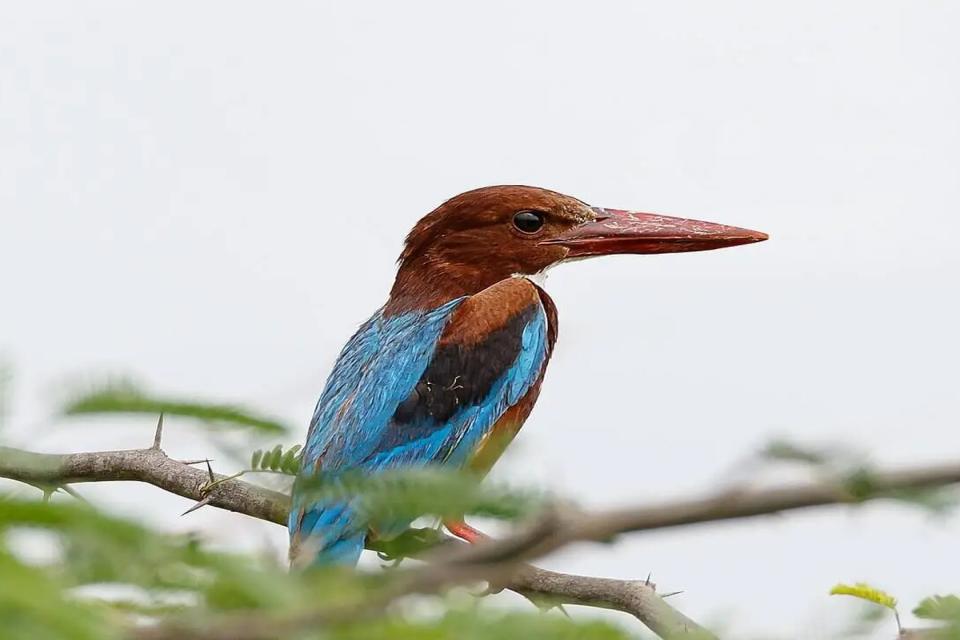
Fact 15: Nepal is a Birdwatcher's Paradise (Over 870 Species)
Due to the convergence of multiple climate zones (tropical, temperate, sub-alpine, alpine), Nepal boasts a vast number of bird species - roughly 8% of the world's total.
Tourism Context: For eco-tourists and birdwatchers, areas like the Koshi Tappu Wildlife Reserve and the Shivapuri Nagarjun National Park near Kathmandu are top-tier destinations, adding another layer to the adventure offerings.
Fact 16: The Rhododendron is the National Flower
The Lali Gurans (Rhododendron) is Nepal's national flower. In the spring (March to May), the hillsides of the mid-hills and trekking regions burst into spectacular color as the forests bloom with these giant, bright red flowers.
Tourism Context: This is the primary reason why the spring is a peak trekking season. The blooming rhododendron forests p especially in the Annapurna region and Langtang - are a major draw for photographers and nature lovers.
V. The Traveler's Practical Guide (Myths and Realities)
These are the essential things to know about Nepali culture and travel logistics that make a trip run smoothly.
Fact 17: Saturday is the Official Day Off
In Nepal, the official weekend is centered around Saturday. Government offices, banks, and schools are typically closed on this day.
Tourism Context: Unlike most countries that observe Sunday, Saturday is the day to visit crowded local markets, attend cultural events, and witness large family gatherings, making it a great day for non-trekking cultural exploration.
Fact 18: Namaste is More Than Just a Greeting
The word Namaste (or Namaskar), said with palms pressed together and a slight bow, is the universal greeting in Nepal. It is not just "hello" or "goodbye." It translates roughly to: "I bow to the divine in you."
Tourism Context: This gesture is a profound expression of respect and acknowledgment. Tourists who use Namaste sincerely are immediately welcomed and appreciated. It embodies the hospitality philosophy of Atithi Devo Bhava (Fact 20).
Fact 19: Dal Bhat Power is Real
Dal Bhat (lentil soup and rice) is the national meal and the staple of trekkers. It is simple, nutritious, and perfectly suited for a grueling physical day. The popular phrase among guides and porters is: "Dal Bhat Power, 24 Hour!"
Tourism Context: While in Kathmandu you can find world-class international cuisine, trekking life runs on Dal Bhat. It is almost always served refillable, making it the most cost-effective and energy-dense option for your days on the trail.
Fact 20: The "Guest is God" Philosophy (Atithi Devo Bhava)
Nepali culture is deeply guided by the Hindu philosophy of Atithi Devo Bhava - treating the guest as one would treat God. This is reflected in the incredible warmth, curiosity, and genuine hospitality travelers receive.
Tourism Context: Your guides, hosts, and teahouse owners will go to extraordinary lengths to ensure your comfort and well-being. This is not a commercial act; it is a cultural imperative that defines the friendly, open nature of the Nepali people.
Fact 21: Solo Trekking is Now Restricted
For safety reasons, the Government of Nepal and the Nepal Tourism Board have instituted a ban on solo trekking (requiring a TIMS card and a mandatory licensed guide or porter).
Tourism Context: This is a crucial, practical fact to know before traveling to Nepal. While it means slightly higher costs, it ensures better safety, local employment, and a richer experience guided by professionals who know the local terrain and culture intimately.
Fact 22: You are 56 Years Ahead of the World in Nepal (Bikram Sambat)
Nepal uses its own official calendar, the Bikram Sambat (B.S.), which is approximately 56 years and 8 months ahead of the Gregorian calendar (A.D.). For example, the current year is 2082 B.S. (as of late 2025 A.D.).
Tourism Context: You will see dates stamped on official documents, newspapers, and signs in B.S. While international documents use A.D., knowing this fact will help you navigate cultural and local communications.
Conclusion: Start Your Fact-Finding Journey with Best Heritage Tour
The facts are clear: Nepal is a land of unparalleled superlatives, where every step reveals a new layer of history, culture, or adventure. From the world’s highest mountains and its singular flag to the Living Goddess and the power of Dal Bhat, Nepal is the destination that challenges expectations and rewards curiosity.
These interesting facts about Nepal are the backdrop for the most profound journey you will ever take. But facts are just the beginning; the true experience lies in the warm welcome of the Nepali people and the stunning realization of the Himalayas in person.
Don't just read about the roof of the world - come and stand upon it.
Let Best Heritage Tour Turn the Facts into Your Reality.
We specialize in crafting personalized itineraries that connect you to Nepal’s incredible geography and culture, whether you're trekking the Annapurna trails, exploring the heritage of the Kathmandu Valley, or searching for the Royal Bengal Tiger.
We are here to help you plan the adventure that only Nepal can offer.
Contact Best Heritage Tour today to discuss your perfect customized Nepal trip:
Phone / WhatsApp / Viber: +977-9851149197 / +977-9810043046
Email: info@bestheritagetour.com / bestheritagetour@gmail.com
Website: www.bestheritagetour.com
Office: Thamel Marg, Kathmandu, Nepal
Author: Best Heritage Tour
Date: 26th November, 2025