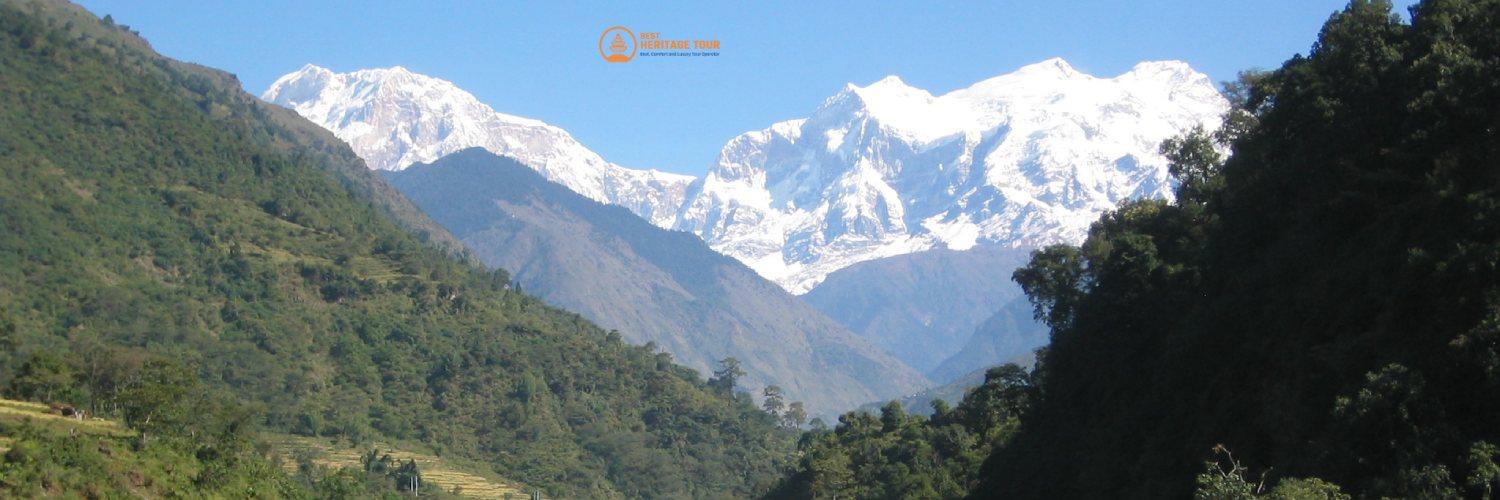
The Annapurna Circuit is globally celebrated for its diversity, transitioning from lush, subtropical rice paddies to the barren, high-alpine landscapes of the Tibetan plateau. This journey is often rated as one of the world’s greatest long-distance hikes. But with such diversity and a high mountain pass to conquer, the question remains: How Difficult is the Annapurna Circuit Trek?
At Best Heritage Tour, we classify the Annapurna Circuit Trek Difficulty Level as Moderate to Challenging.
It is significantly longer than the Everest Base Camp (EBC) Trek, requiring greater stamina and mental endurance. However, its gradual ascent profile - starting from very low altitudes - provides excellent natural acclimatization, which makes it highly accessible to determined trekkers, including first-timers, provided they prepare correctly and respect the altitude.
Let's break down the challenge into three key areas to give you a realistic view of what to expect on this iconic 12- to 18-day adventure.
1. The Defining Challenge: The Length and Logistics
Unlike EBC, the primary difficulty of the Annapurna Circuit is its sheer length and the cumulative physical toll of walking for two to three weeks.
A. Distance and Daily Demands (Endurance)
-
Total Distance: The classic route can be anywhere from 160 km to 230 km (100-145 miles), depending on where you start and how much road you choose to walk or skip by jeep.
-
Daily Walking Time: Trekkers typically hike for 5 to 8 hours per day. The pace is slow and steady, but the duration is relentless over two weeks.
-
Terrain Variety: The trail is a mosaic, requiring adaptability:
-
Lowland: Lush valleys, steep stone staircases, and river crossings.
-
Mid-Hills: Forests, apple orchards, and dry scrubland.
-
High-Altitude: High-alpine pastures, rocky trails, snow patches, and glacial moraines.
-
Best Heritage Tour Insight: The long distance is a test of endurance and joint health. Comprehensive training focusing on walking long hours on consecutive days - and especially training your knees for the steep, long descents - is crucial.
B. The Road Factor
Sections of the original Circuit have been impacted by road construction. While many trekkers choose to skip these dusty parts by jeep, walking them can be mentally frustrating and physically harder due to dust and vehicle traffic, contributing to the perceived Annapurna Circuit Trek Difficulty Level. We always guide our guests onto the newer, higher, and more picturesque trekking trails to bypass the motor roads.
2. The Altitude Hurdle: Conquering Thorong La Pass
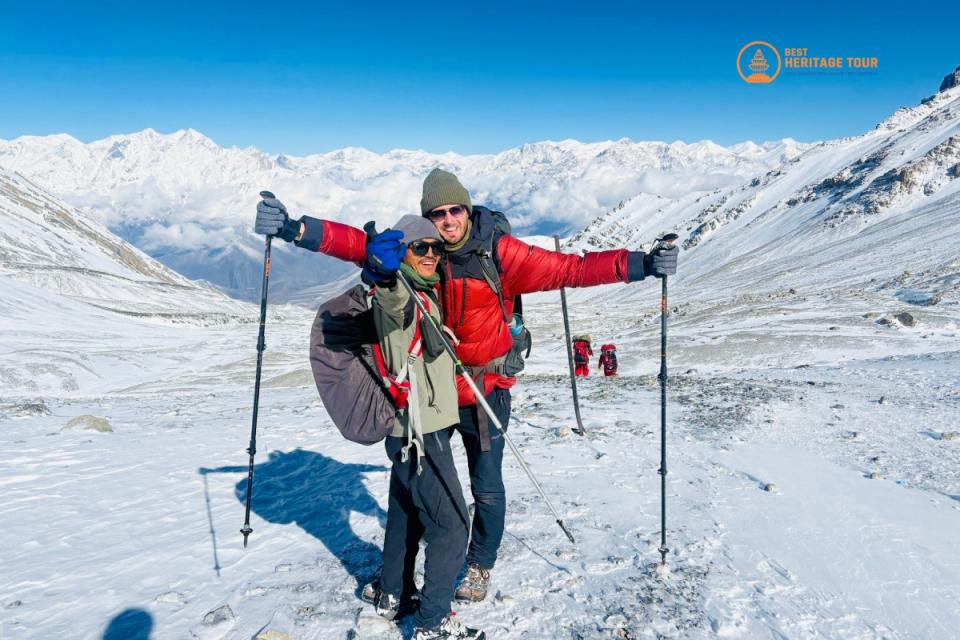
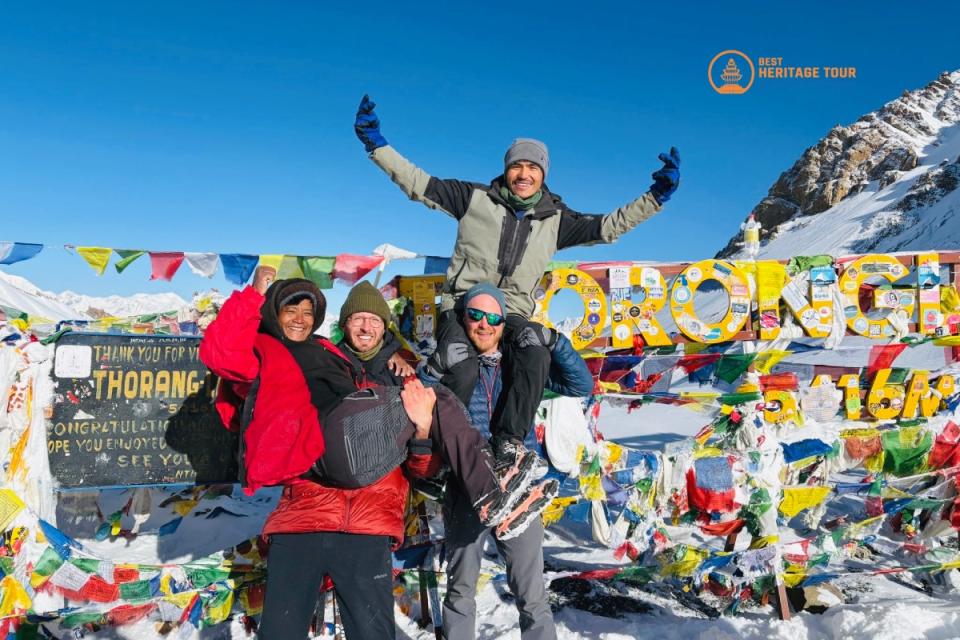
The greatest single challenge on the ACT is the mandatory crossing of the Thorong La Pass. At an elevation of 5,416 meters (17,769 feet), this is the highest point on the trek and one of the highest trekking passes in the world.
A. The High-Altitude Risk
At 5,416m, the air contains approximately 50% of the oxygen found at sea level. This is where the risk of Acute Mountain Sickness (AMS) is highest.
-
Thorong La Pass Difficulty: The day you cross the pass is the longest and hardest of the entire trek. It requires an early start (often 4 AM) in the bitter cold. You ascend roughly 900 meters (3,000 feet) from Thorong Phedi or High Camp, followed by a long, steep, knee-jarring descent of over 1,600 meters to Muktinath.
B. Safety Strategy: Acclimatization is Key
Fortunately, the Annapurna Circuit Altitude profile is highly favorable for natural acclimatization. The slow, winding ascent from the low starting point allows the body to adapt gradually over many days before hitting the extreme altitude.
-
Manang (3,540m): This picturesque village is the mandatory rest and acclimatization hub. We spend a full day here, taking short hikes to viewpoints like Ice Lake or Gangapurna Lake (the "Climb High, Sleep Low" principle) to condition your body for the higher air density without the risk of sleeping at an unsafe elevation.
-
Pace is Life: Once above 3,000m, adherence to a slow, steady pace and drinking 3-4 liters of water daily is non-negotiable.
3. The Subjective Challenges: Weather and Comfort
How difficult the ACT feels often depends on external factors and personal preparedness.
A. Weather Extremes
The weather variability across the Circuit is extreme, making layering and proper gear essential.
-
Lowland (Besisahar): Can be warm and humid, requiring light hiking gear.
-
High Altitude (Thorong La): The pass is freezing, often far below 0°C, with high winds and sudden snowstorms, even in peak seasons. The trek can feel exponentially harder in these conditions.
-
Best Seasons: The difficulty is lowest during the stable weather of Autumn (Sept-Nov) and Spring (Mar-May).
B. Physical Preparation and Mindset
The ACT Physical Demands require a base level of fitness, but you do not need to be an elite athlete.
|
Fitness Requirement |
Recommended Training |
|---|---|
|
Cardiovascular Health |
Running, cycling, or swimming 3-4 times a week to improve lung capacity. |
|
Endurance |
Practice back-to-back long walks (5-6 hours) on varied terrain, carrying your daypack. |
|
Leg Strength |
Focus on squats, lunges, and calf raises to protect your knees, especially for the long descent from Thorong La. |
|
Mental Toughness |
The two-week duration is the true test. Cultivate patience, flexibility, and a positive mindset toward the cold, basic accommodation, and fatigue. |
Conclusion: Annapurna - A Reward Worth the Effort
The Annapurna Circuit Trek is a significant undertaking, demanding more sustained endurance than almost any other popular trek in Nepal. Its difficulty stems from the sheer number of kilometers you cover, the sustained duration of the journey, and the necessity of safely crossing the Thorong La Pass.
However, its well-developed tea house culture, the gradual altitude gain, and the spectacular shift in scenery - from Hindu valleys to Buddhist plateaus - make it one of the most rewarding adventures imaginable. With a professionally planned, safely paced itinerary that includes mandatory rest days, the challenge becomes a triumphant achievement.
Best Heritage Tour specializes in meticulously planning the ACT, ensuring you follow the safest high-trail routes, adhere to the essential acclimatization schedule, and have an experienced guide by your side to manage every challenge from the first step to the last.
Ready to Walk the Circuit? Plan Your Adventure with a Specialist!
Contact Best Heritage Tour:
Phone / WhatsApp / Viber: +977-9851149197 / +977-9810043046
Email: info@bestheritagetour.com / bestheritagetour@gmail.com
Website: www.bestheritagetour.com
Office: Thamel Marg, Kathmandu, Nepal
Author: Best Heritage Tour
Date: 16th December, 2025