For the seasoned trekker, Nepal is not just a destination; it is a pilgrimage of altitude and endurance. While the classic trails to Everest Base Camp or the Annapurna Sanctuary offer undeniable beauty, the true essence of Himalayan adventure lies in the high mountain passes. These are the "thresholds of the sky" - challenging gaps in the ridgelines that connect isolated valleys, test your physical limits, and reward you with 360-degree panoramas that common trails simply cannot match.
At Best Heritage Tour, we believe that crossing a high pass is the ultimate transformative experience. It is the moment where effort meets great reward. In this comprehensive guide, we delve into the most iconic high passes of Nepal, including Thorong La, Cho La, and Larkya La, along with hidden gems like Kang La, Sele La, and Shipton La, providing you with the essential knowledge to plan your next legendary ascent.
Why Tackle a High Pass Trek?
Crossing a pass above 5,000 meters is significantly different from a standard valley trek. Here is why high-pass trekking is the "Gold Standard" for Himalayan enthusiasts:
-
Unrivaled Perspectives: Standing on a pass means you are often level with the surrounding peaks rather than looking up at them from a valley floor.
-
Circuit Connectivity: High passes allow for "Circuit" treks (like the Annapurna or Manaslu Circuits), meaning you never walk the same path twice.
-
Cultural Fusion: Passes often act as gateways between different ecological and cultural zones - transitioning from lush Hindu-dominated lowlands to arid, Tibetan-Buddhist highlands in a single day.
-
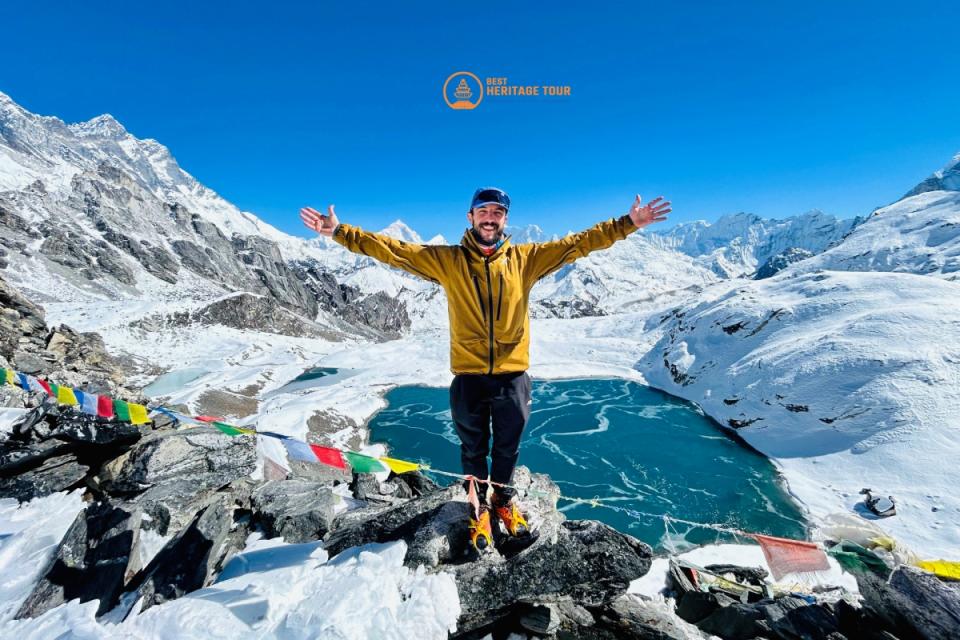
The Ultimate Achievement: There is no feeling quite like reaching the top of a pass at dawn, seeing the prayer flags snap in the wind, and realizing you have conquered one of the highest navigable points on Earth.
1. Thorong La Pass (5,416m): The Crown of the Annapurna Circuit
Thorong La is perhaps the most famous high pass in the world. As the highest point of the Annapurna Circuit, it connects the lush, Marsyangdi River valley of Manang with the arid, desert-like landscapes of Mustang.
The Ascent
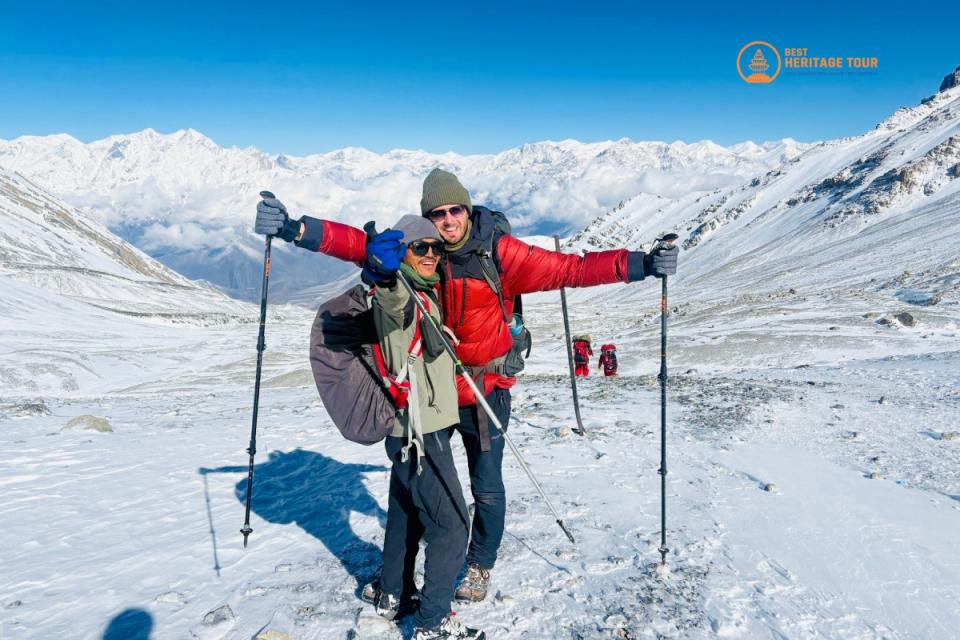
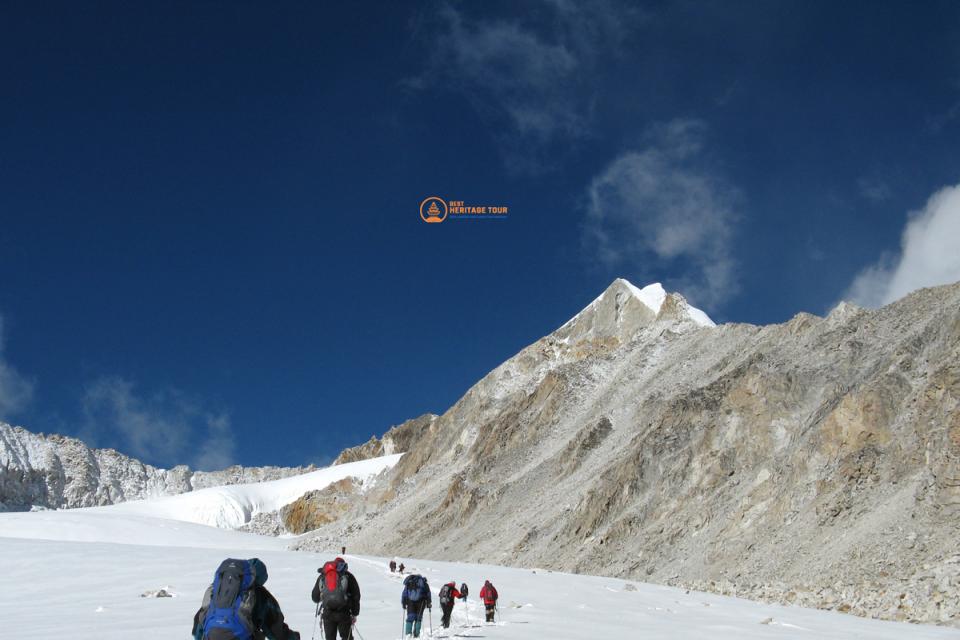
Most trekkers tackle Thorong La from East to West (Manang to Muktinath). The ascent usually begins long before dawn from Thorong Phedi (4,450m) or High Camp (4,880m). The trail is a steady, relentless grind up scree and snow. Because the air contains only about 50% of the oxygen found at sea level, every step feels like a victory.
The Reward
Upon reaching the summit, you are greeted by a forest of colorful prayer flags and a modest tea shack (the highest in the world!). To the south, the Annapurna Massif stands guard, while to the west, the Dhaulagiri range sparkles in the morning sun. The descent to Muktinath is a grueling 1,600m drop, but the transition into the "Forbidden Kingdom" of Mustang makes every sore muscle worth it.
2. Cho La Pass (5,420m): The Bridge to Everest Glory
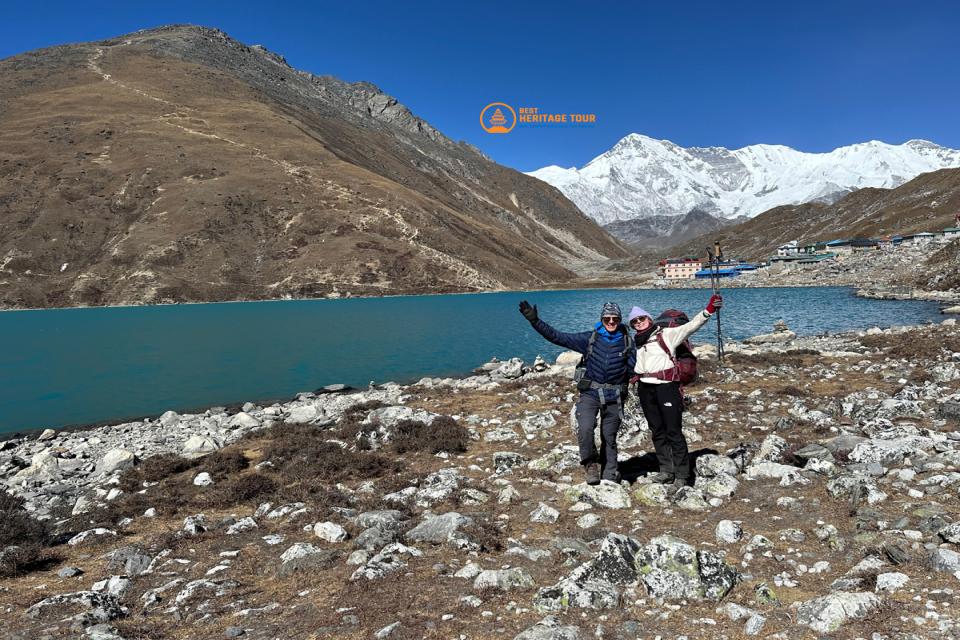
While the standard Everest Base Camp trek is spectacular, the Gokyo Lakes & Cho La Pass Trek is for those who want more. Cho La is a rugged, technical, and visually stunning pass that links the turquoise Gokyo Valley with the Khumbu Valley.
The Challenge
Cho La is often considered more technical than Thorong La. It requires navigating a crossing over the Ngozumpa Glacier and often involves trekking over a permanent snowfield or ice. Depending on the season, micro-spikes or crampons may be necessary. The steep rock scramble on the approach from Dzongla is legendary for its "scramble and grip" nature.
Why We Love It
The view from the top of Cho La offers a unique angle of Ama Dablam and Cholatse. It provides a "backdoor" entry to Everest Base Camp, allowing you to witness the pristine Gokyo Lakes before joining the main Khumbu trail.
3. Larkya La Pass (5,106m): The Remote Frontier
If you seek the "Nepal of thirty years ago," the Manaslu Circuit and its crowning jewel, Larkya La, are your calling. This pass is the gateway between the Manaslu region and the Annapurna region.
The Experience
Larkya La is one of the longest passes to cross. The day begins at Dharmashala (Larkya Phedi) and involves a long, gradual climb across glacial moraines. It is remote, quiet, and raw. Unlike the bustling tea houses of Thorong La, Larkya La offers a sense of solitude that is becoming rare in the Himalayas.
The Panorama
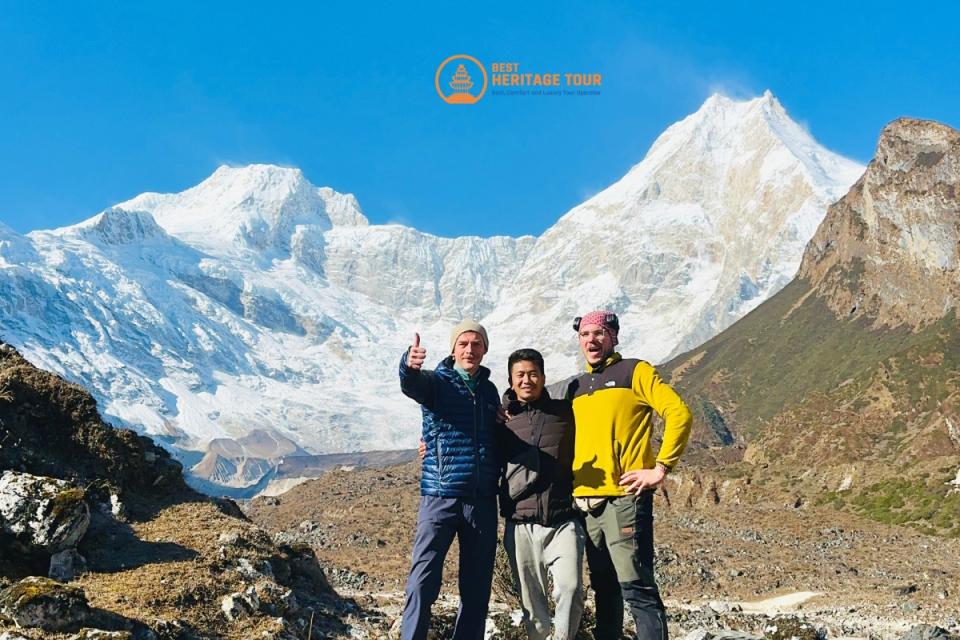
The summit provides a breathtaking 360-degree view of Manaslu (8,163m), Cheo Himal, Kang Guru, and Annapurna II. The descent into the Bhimtang valley is a dramatic plunge through diverse climatic zones, from alpine tundra to ancient rhododendron forests.
4. The "Big Three" of the Everest Region: The Three Passes Trek
For the ultimate endurance athlete, the Everest Three Passes Trek combines Cho La with two other formidable giants:
-
Kongma La (5,535m): The highest and often considered the hardest of the three. It offers an intimate look at Nuptse and Lhotse.
-
Renjo La (5,360m): Famous for providing what many consider the best view in the world - a panoramic shot of Everest, Lhotse, Makalu, and Cho Oyu reflected in the third Gokyo Lake.
5. Kang La Pass (5,320m): The Hidden Gate to Nar Phu
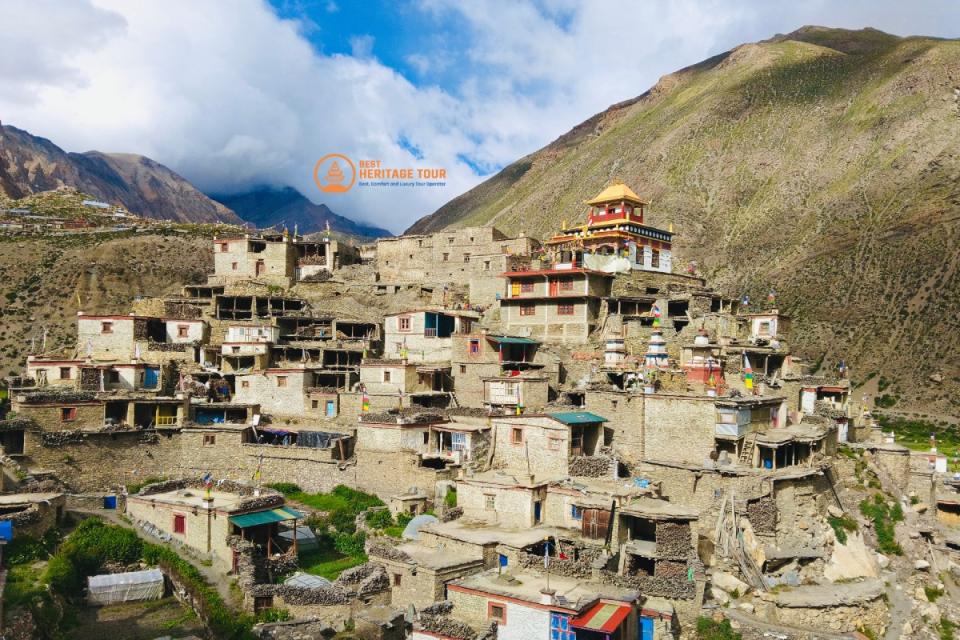
For those looking to venture off the beaten path, Kang La Pass is a true hidden gem. Located in the northern reaches of the Annapurna region, it serves as the spectacular link between the lost-in-time Nar Phu Valley and the popular Manang Valley.
The Adventure
Trekking through Nar and Phu feels like stepping into a medieval world of stone villages and ancient Tibetan traditions. The climb to Kang La is steep and demanding, starting from the village of Nar. As you crest the pass, the sudden reveals of the Annapurna Massif - including Annapurna II, Gangapurna, and Tilicho Peak - are arguably the most dramatic in all of Nepal.
Why It’s Special
Kang La offers a "wild" experience. It is far less crowded than its neighbor Thorong La, providing a profound sense of wilderness and exclusivity.
6. Sele La Pass (4,290m / 5,143m Range): The Kanchenjunga Link
Located in the far east of Nepal, Sele La Pass is a vital crossing for those attempting the Kanchenjunga Circuit Trek. While it may sit lower than some of the Everest giants, its ruggedness and isolation make it a formidable challenge.
The Trek
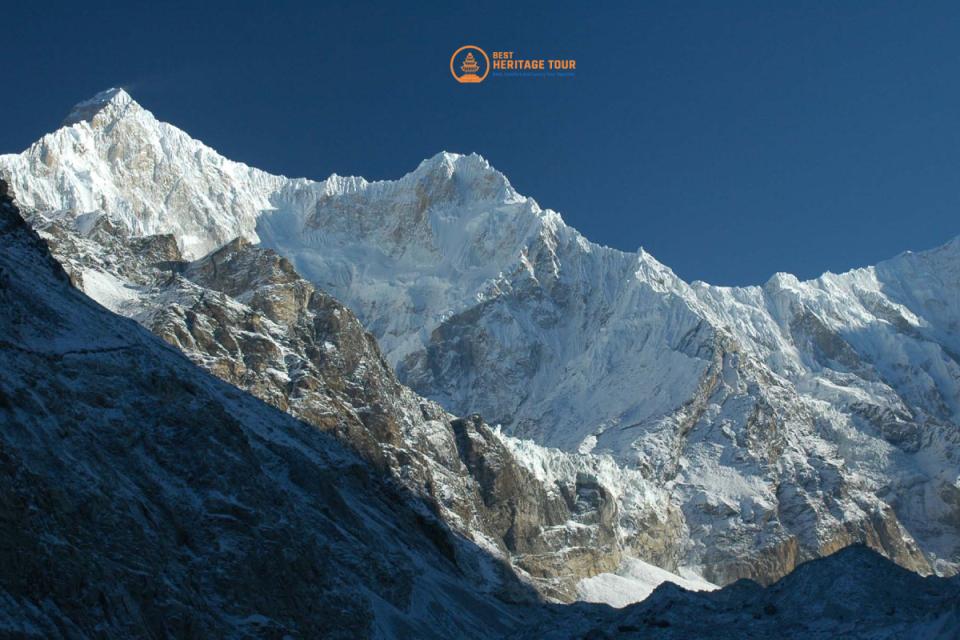
This pass connects the north and south base camps of Mt. Kanchenjunga (8,586m), the world's third-highest peak. The trail to Sele La is untamed, winding through dense rhododendron forests and rocky, windswept ridges.
The Experience
Crossing Sele La is about endurance and immersion. You are deep in the Kanchenjunga Conservation Area, a region rich in biodiversity where you might spot blue sheep or even signs of the elusive snow leopard. The views of Jannu Himal and the Kanchenjunga massif are simply staggering.
7. Shipton La Pass (4,216m): The Gateway to Makalu
Named after the legendary explorer Eric Shipton, the Shipton La Pass is the high-altitude threshold of the Makalu Base Camp Trek.
The Route
To reach the fifth-highest mountain in the world, trekkers must cross the Shipton La. The pass is part of a series of ridges that separate the lush Arun Valley from the high-altitude Barun Valley. It is famously "moody" - prone to sudden mists and snow even in the peak season.
The View
From the top, on a clear day, you can see a skyline dominated by Makalu, Lhotse, and even a distant glimpse of Mount Everest. The descent into the Barun Valley leads you into one of the most biologically diverse valleys in the Himalayas, home to pristine forests and hanging glaciers.
Comparative Overview of Nepal's High Passes
|
Pass Name |
Region |
Elevation |
Difficulty |
Best Known For |
|---|---|---|---|---|
|
Thorong La |
Annapurna |
5,416 m |
Strenuous |
Most iconic Himalayan pass; gateway to Mustang |
|
Cho La |
Everest |
5,420 m |
Technical |
Glacier crossing; links Everest Base Camp with Gokyo Valley |
|
Larkya La |
Manaslu |
5,106 m |
Long / Remote |
Cultural authenticity; dramatic Manaslu range views |
|
Kongma La |
Everest |
5,535 m |
Very Strenuous |
Highest trekking pass; expansive views toward Makalu |
|
Renjo La |
Everest |
5,360 m |
Strenuous |
Best panorama of four 8,000 m peaks |
|
Kang La |
Nar Phu |
5,320 m |
Strenuous |
Hidden valley access; best view of Annapurna II |
|
Sele La |
Kanchenjunga |
4,290 m+ |
Rugged |
Extreme isolation; untouched wilderness of Eastern Nepal |
|
Shipton La |
Makalu |
4,216 m |
Strenuous |
Gateway to Makalu Base Camp; rich biological diversity |
Essential Preparation for High Pass Trekking
At Best Heritage Tour, safety is our primary pillar. High pass trekking is not to be taken lightly.
1. Physical Conditioning
You don't need to be an Olympic athlete, but you do need cardiovascular endurance. Focus on:
-
Cardio: Hiking, jogging, or cycling 3-4 times a week.
-
Strength: Leg and core workouts to handle long descents.
-
Practice: Hikes with a weighted backpack (8-10kg).
2. Acclimatization
All our high-pass itineraries include mandatory rest days. Climb high, sleep low is our mantra. We ensure you spend extra nights in villages like Ghunsa (for Sele La) or Nar (for Kang La) to allow your body to adjust to the thinning air.
3. Professional Guidance
In remote areas like Makalu or Kanchenjunga, trails can be obscured by snow or landslides. Having a professional guide from Best Heritage Tour ensures you stay on the safest path and have a direct line to logistics in case of emergencies.
Conclusion: Your Himalayan Legacy Starts Here
Crossing a high pass in Nepal is more than just a trek - it’s a badge of honor. Whether you choose the classic challenge of Thorong La, the technical beauty of Cho La, the remote mystery of Larkya La, or the untamed paths of Kang La, Sele La, and Shipton La, you are in for the adventure of a lifetime.
Are you ready to stand where the Earth meets the sky? Let Best Heritage Tour be your guide to the roof of the world.
Contact Best Heritage Tour Today
Phone / WhatsApp / Viber: +977-985114919 / +977-9810043046
Email: info@bestheritagetour.com / bestheritagetour@gmail.com
Website: www.bestheritagetour.com
Office: Thamel Marg, Kathmandu, Nepal
Author: Best Heritage Tour
Date: 17th December, 2025