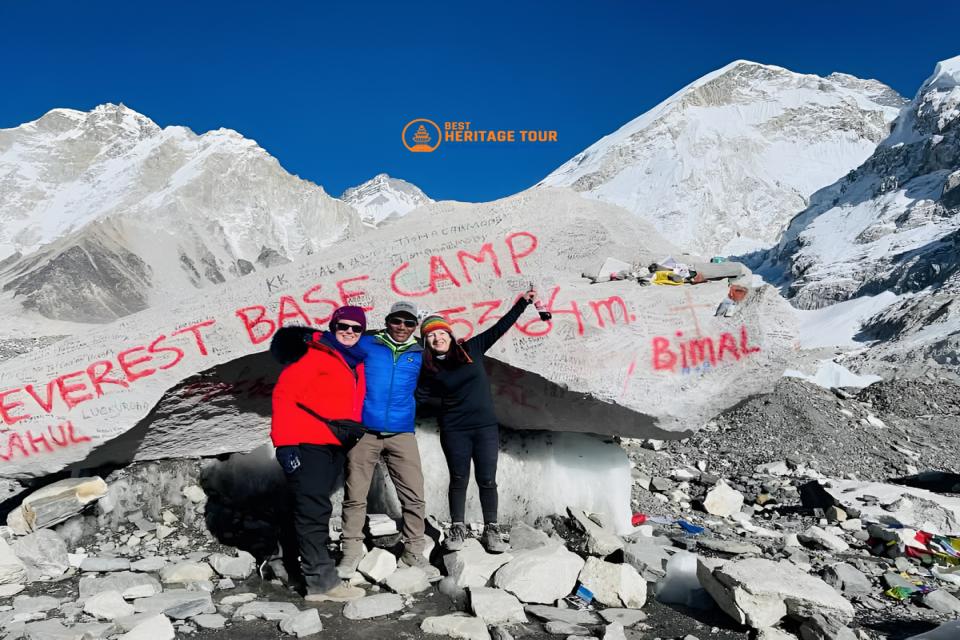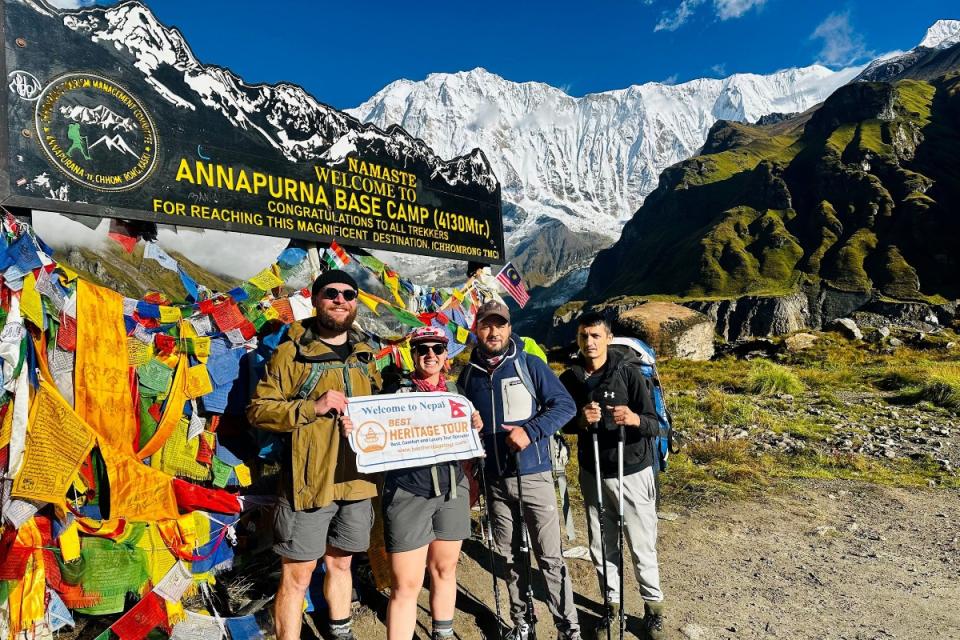

The peaks of the Himalayas inspire awe, but the very altitude that makes them magnificent is the greatest challenge to the human body. For any trekker - from the aspiring adventurer on the Poon Hill Loop to the mountaineer aiming for Everest Base Camp (5,364m) - understanding high-altitude safety is not just a preparation step; it is a life-saving skill.
At Best Heritage Tour, we view safety as the highest priority. Our itineraries are meticulously planned around established acclimatization protocols, and our guides are certified in wilderness first aid and high-altitude emergency response.
This comprehensive guide covers everything you need to know about preparing your body, understanding the risks of Acute Mountain Sickness (AMS), complying with the latest Nepali insurance rules (updated for 2026/2027), and executing emergency protocols.
The Physiology of Altitude - Understanding AMS
As you ascend above 2,500m (around 8,200ft), the air pressure drops. While the percentage of oxygen in the air remains the same (21%), the low pressure means you take in fewer oxygen molecules with every breath. Your body must work hard to compensate, a process called acclimatization.
1. The Three Levels of Altitude Sickness
It is crucial to recognize the symptoms early, as altitude sickness progresses in severity:
|
Stage |
Name |
Description & Altitude |
Symptoms |
Crucial Action |
|---|---|---|---|---|
|
Stage 1 (Mild) |
Acute Mountain Sickness (AMS) |
Common above 2,800m. Develops 6- 24 hours after ascent. |
Headache (the defining symptom), mild nausea, fatigue, loss of appetite, dizziness, difficulty sleeping. |
DO NOT ASCEND FURTHER. Rest at the current altitude, hydrate, and take mild painkillers (Ibuprofen). |
|
Stage 2 (Severe) |
High Altitude Pulmonary Edema (HAPE) |
A buildup of fluid in the lungs. Highly dangerous, often mistaken for a chest infection. |
Severe shortness of breath (even at rest), persistent cough (may produce frothy sputum), gurgling or bubbling sound in the chest, extreme fatigue. |
IMMEDIATE DESCENT (at least 500m to 1,000m) and emergency medical attention. |
|
Stage 3 (Life-Threatening) |
High Altitude Cerebral Edema (HACE) |
A buildup of fluid in the brain. Often fatal within 12 hours if untreated. |
Severe headache unresponsive to medication, confusion, lethargy, irrational behavior, loss of coordination (cannot walk heel-to-toe in a straight line), stupor. |
IMMEDIATE AND RAPID DESCENT - no delay waiting for a helicopter. Administer oxygen and Dexamethasone if available. |
The Golden Rule of Altitude: Never ascend with symptoms of AMS. If symptoms worsen while resting, DESCEND, DESCEND, DESCEND!
2. The Golden Rules of Acclimatization
Effective acclimatization is not passive; it is an active, mindful process built into your itinerary:
-
Ascend Slowly (The 300m Rule): Above 3,000m (around 9,800ft), your sleeping altitude should ideally increase by no more than 300m to 500m per day.
-
Rest Days: Incorporate a full rest day every 2- 3 nights above 3,000m (e.g., Namche Bazaar on EBC, Manang on ACT).
-
Climb High, Sleep Low: Use rest days for active acclimatization by hiking a few hundred meters higher (e.g., to Kala Patthar during the day from Gorakshep) and then descending to sleep at the lower altitude. This is the body's most effective training method.
The Three Pillars of Prevention
Your safety rests on hydration, nutrition, and strategic medication use.
1. Hydration (The Best Medicine)
High-altitude air is extremely dry, causing rapid water loss through breathing (respiration). Dehydration exacerbates all AMS symptoms.
-
Target Intake: Aim to drink 3 to 5 liters of water or fluid daily above 3,000m.
-
Liquids of Choice: Water, herbal tea (especially hot garlic soup, which is a local remedy believed to help circulation), and diluted electrolyte mixes (ORS).
-
What to Avoid:
-
Alcohol & Nicotine: Both suppress the respiratory system, leading to poorer oxygen absorption and severely accelerating dehydration. Strictly avoid them at altitude.
-
Caffeine: While a small amount is fine, excessive coffee or black tea can act as a diuretic and dehydrate you.
-
2. Nutrition and Rest
Your body burns more calories at altitude just to function. Do not lose your appetite.
-
Carbohydrates are King: Your body uses carbohydrates more efficiently than fats or proteins at altitude. Dal Bhat, rice, noodles, and potatoes are excellent choices.
-
The Power of Dal Bhat: Nepali Dal Bhat (lentil soup and rice) is the trekker’s fuel for a reason - it’s high in carbs, protein, and is generally safe, hygienic, and locally sourced.
-
Prioritize Sleep: Ensure 7- 9 hours of deep sleep. If you have trouble sleeping (a common side effect of altitude), consider an early evening dose of Diamox (see below) or discuss a non-sedative aid with your doctor. Never use sedative sleeping pills at altitude.
3. Medications (Consult Your Physician)
The primary and most effective prophylactic medication is Acetazolamide.
|
Medication |
Brand Name |
Purpose |
Dosage (Standard Prophylactic) |
Key Caution |
|---|---|---|---|---|
|
Acetazolamide |
Diamox |
Speeds up the acclimatization process by increasing breathing and improving blood oxygen levels. |
125mg every 12 hours (morning and evening), starting 24 hours before ascent. |
Must be avoided by individuals with a sulfa allergy. Consult your doctor first. Side effects include tingling in fingers/toes and increased urination. |
|
Ibuprofen/ Paracetamol |
Various |
Treats mild AMS symptoms (headache, muscle ache) but must not mask worsening symptoms. |
As directed for pain relief. |
Use only for mild symptoms. If the headache is severe and worsening despite medication, you must descend. |
|
Dexamethasone |
N/A |
A potent steroid used only for severe HACE or HAPE in an emergency. |
Prescribed by a doctor or guide in an emergency. |
Used as a temporary life-saver to stabilize a patient before immediate descent. |
Diamox Timing Tip: Take the evening dose of Diamox earlier (around 6:00 PM) to minimize the need to wake up for the bathroom overnight.
The Safety Net - Insurance and Emergency Protocols (2026/2027 Mandates)
Your trekking insurance and the reliability of your agency's emergency plan are the critical safety net for the remote Himalayas.
1. Mandatory Insurance Requirements
The Government of Nepal has made comprehensive travel insurance mandatory for all foreign trekkers. Your permits (TIMS Card, National Park, and Conservation Area Permits) will not be issued without proof of coverage.
Your policy MUST include:
-
High-Altitude Medical Coverage: Minimum $35,000 in medical expenses.
-
Emergency Helicopter Rescue & Evacuation: Minimum $10,000 in evacuation coverage, specifically covering altitudes up to 6,000 meters (to cover high passes like Thorong La, EBC, and Larkya La).
-
Specific Adventure Coverage: The policy must not exclude "trekking," "mountaineering," or activities above 4,500m.
Action Point: Provide a copy of your insurance policy (digital and print) to Best Heritage Tour before your arrival. We require it to secure your permits and to initiate a rescue quickly.
2. The Best Heritage Tour Rescue Protocol
In the event of a medical emergency (HAPE, HACE, severe injury), time is the critical factor. Our protocol is designed for speed:
|
Step |
Action by Guide |
Goal |
|---|---|---|
|
1. Immediate Response |
The guide administers first aid, provides supplementary oxygen (if carried), and forces descent if HACE/HAPE is suspected. |
Stabilize the patient and initiate descent immediately. |
|
2. Communication |
The guide uses a satellite device, lodge phone, or their mobile (where signal permits) to contact the Best Heritage Tour emergency hotline in Kathmandu. |
Establish exact location (GPS coordinates, altitude, village name) and medical status. |
|
3. Authorization (The Critical Step) |
Our Kathmandu office immediately contacts your insurance provider’s 24/7 hotline and provides the required medical validation for the evacuation request. |
Secure the essential "Guarantee of Payment" (GOP) required by the helicopter operator before they fly. |
|
4. Evacuation |
A licensed rescue helicopter is dispatched. Flights only operate during daylight hours and good weather. The guide prepares a safe landing zone and assists the patient into the helicopter. |
Swift transfer of the patient to an international-standard hospital in Kathmandu (e.g., CIWEC, Grande). |
|
5. Post-Rescue Care |
Our team meets the helicopter and transfers the patient to the hospital, managing all on-the-ground logistics and coordination with the family/insurer. |
Ensure seamless transfer and continuous care. |
Weather Delay: Always factor in 2-3 buffer days in your total trip itinerary. Helicopter rescues are strictly weather-dependent. If the fog, clouds, or snow prevent flying, the rescue will be delayed until the next morning's weather window.
Practical Trail Safety for All Treks
Beyond altitude, a few common-sense rules ensure a trouble-free journey on the trails:
-
The Power of the Guide (Mandatory Since 2023/2024): All regulated treks in Nepal now mandate the hiring of a licensed, registered guide (no solo trekking). Your guide is your primary safety officer, providing cultural mediation, logistical control, and medical monitoring. Do not ascend if your guide advises against it.
-
Yaks and Mules: These animals have the right-of-way. Always stand on the uphill side of the trail (the side away from the cliff edge) when they pass. If a yak bumps you on the downhill side, the consequences can be fatal.
-
Water Purification: Never drink straight from a stream. Use filtered water, purification tablets (e.g., Iodine or Chlorine Dioxide), or UV light treatment (e.g., Steripen). Only drink boiled water from teahouses.
-
Stay in Sight: Never leave the main trail, especially to take photos. If you need to rest, inform your guide or a member of your trekking group. Slips and falls are common on loose moraine or icy sections.
Conclusion
Trekking in the high Himalayas is safe when done slowly, mindfully, and with the right support. By adhering to a conservative ascent schedule, staying vigilant about symptoms, and carrying robust insurance (now mandatory), you minimize the risks and maximize your reward: the unforgettable experience of standing among the world's highest peaks.
Best Heritage Tour provides the expertise, the certified guides, and the safety protocols needed to make your high-altitude adventure a responsible and life-affirming success.
Ready to Plan your High Altitude Trek!!!
Contact Best Heritage Tour
Phone / WhatsApp / Viber: +977-9851149197 / +977-9810043046
Email: info@bestheritagetour.com / bestheritagetour@gmail.com
Website: www.bestheritagetour.com
Office: Thamel Marg, Kathmandu, Nepal
Author: Best Heritage Tour
Date: 14th December, 2025