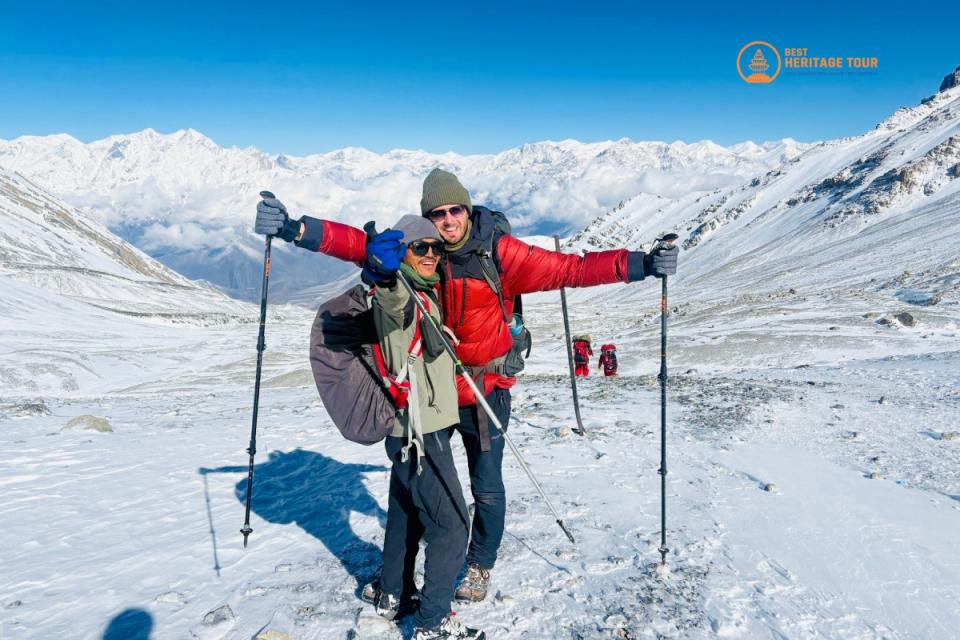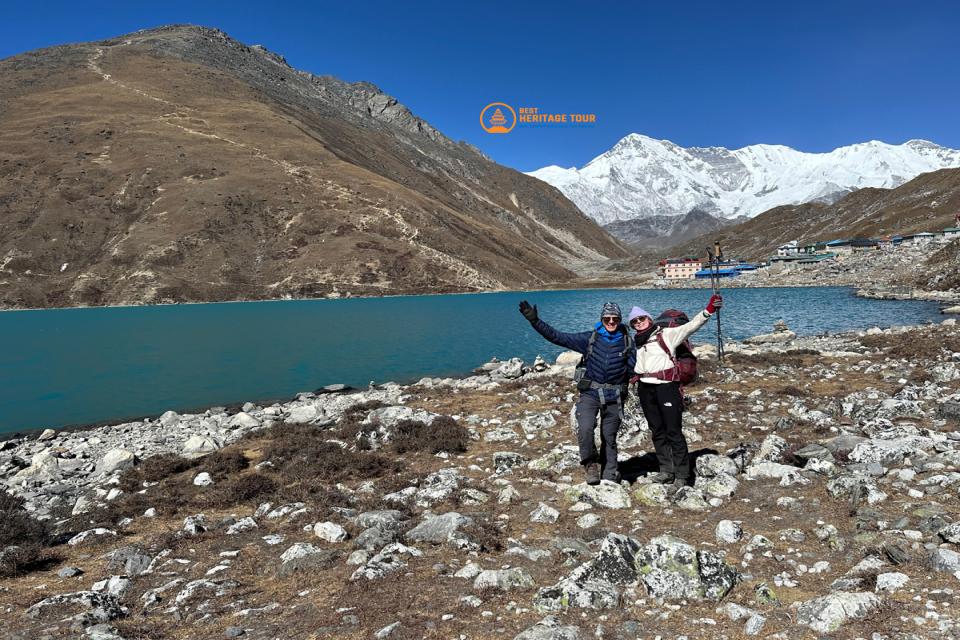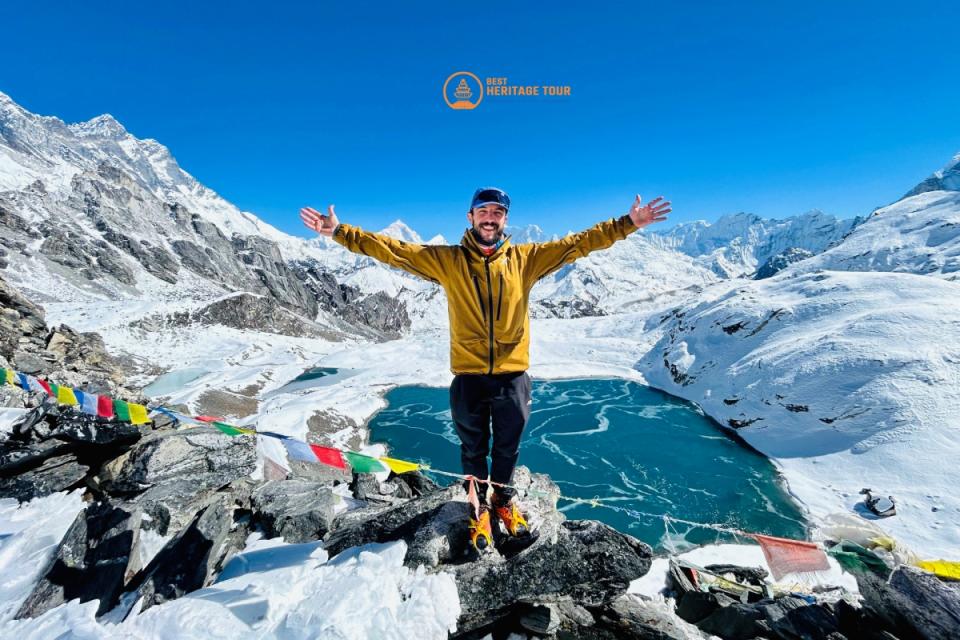
The Himalayas are incredibly rewarding, but the environment is rugged and unforgiving. When you’re days away from the nearest clinic, your safety relies heavily on two things: your experienced guide and your personal First Aid Kit.
A successful trekker is always prepared. The typical over-the-counter kit won't cut it when dealing with the specific challenges of high altitude: low oxygen, intense sun exposure, poor sanitation, and the relentless friction of multi-day hiking.
As your dedicated partner, Best Heritage Tour emphasizes preparation. This guide goes beyond basic bandages, detailing the essential medications and advanced blister care strategies you need to pack for a safe and comfortable journey in Nepal.
High-Altitude Prescription Medications (Consult Your Doctor)
Disclaimer: We are tour & trek operators, not medical professionals. The information below is for informational purposes only. You must consult your own physician or a travel clinic doctor well in advance of your trip to discuss altitude risk and obtain necessary prescriptions.
1. The Altitude Sickness Preventative: Acetazolamide (Diamox)
-
Purpose: To prevent and treat the symptoms of Acute Mountain Sickness (AMS).
-
How it Works: Diamox is a diuretic that helps your body acclimatize faster by increasing respiration (breathing rate) and stimulating ventilation, which helps your blood oxygen levels rise. It's often used prophylactically (preventatively).
-
Key Fact: Symptoms of AMS are common above 2,500 meters (8,200 ft). Many trekkers begin taking a prophylactic dose 24-48 hours before ascending to high altitude (often starting in Kathmandu or Lukla) and continue throughout the ascent until safely descending.
-
Note: Diamox requires a prescription. It can cause side effects like tingling in the fingers/toes and increased urination, so a trial dose at home is highly recommended to assess your tolerance.
2. Emergency Treatments (Reserved for Severe Cases)
These powerful medications are for life-threatening emergencies (High Altitude Pulmonary Edema (HAPE) or High Altitude Cerebral Edema (HACE)) and should only be taken under the explicit direction of your guide or a medical professional, as descent is the ultimate treatment.
-
Dexamethasone: A potent steroid used to reduce swelling, particularly in the brain (HACE). It is a temporary measure to "buy time" for a safe descent.
-
Nifedipine: A calcium channel blocker used to treat HAPE by lowering blood pressure in the pulmonary arteries.
Essential Over-the-Counter (OTC) Trekking Medications
These are the non-prescription essentials to manage common trekking ailments.
|
Ailment |
Recommended Medication |
Notes |
|---|---|---|
|
Pain & Headache |
Ibuprofen (Advil) / Paracetamol (Tylenol) |
For headaches, muscle aches, and inflammation. Ibuprofen, in particular, has been shown in some studies to help mitigate AMS symptoms. |
|
Stomach Distress |
Loperamide (Imodium) |
For travelers’ diarrhea. Use sparingly - it slows the gut, which can trap infections. Use only when absolutely necessary (e.g., on a long walking day). |
|
Rehydration |
Oral Rehydration Salts (ORS) |
Essential for replacing electrolytes lost through sweating, vomiting, or diarrhea. Carry 3-5 sachets. |
|
Allergies / Sleep |
Antihistamine (e.g., Diphenhydramine) |
Can treat allergic reactions and insect bites. Note that many are sedating, which helps with poor sleep at altitude, but should never be combined with alcohol or sedatives at high altitude. |
|
Nausea |
Anti-Sickness (e.g., Ondansetron/Promethazine) |
For managing nausea and vomiting, which can be early signs of AMS or caused by GI upset. |
|
Cold/Flu |
Decongestant / Throat Lozenges |
Air is very dry at altitude. These are vital for managing dry coughs and minor respiratory irritation. |
The Blister Prevention & Treatment Arsenal
Blisters are the single most common trek-ending injury. Your preparation should focus on prevention and immediate, aggressive treatment of "hot spots."
The Prevention Kit (Proactive Care)
-
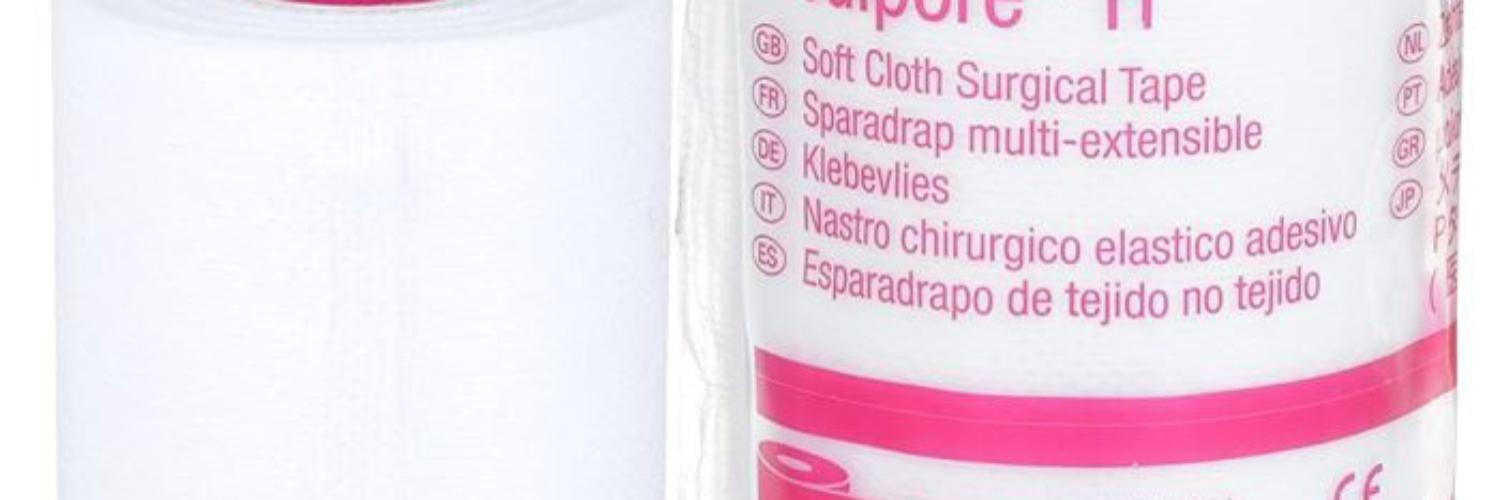
Leukotape P or Kinesiology Tape: Superior to most medical tapes. It's sticky, durable, and highly resistant to moisture. Apply a piece directly to any hot spot or known trouble area (heels, toes) before you start walking.
-
Anti-Friction Balm/Creams: Products like Body Glide can be applied to high-friction areas on your feet and even inner thighs to prevent chafing.
-
Gaiters: Not a medication, but essential gear. They keep dirt, grit, and snow out of your boots, reducing friction factors that cause blisters.
The Treatment Kit (Reactive Care)
-
Hydrocolloid Blister Plasters (Compeed is the Gold Standard): These gel-like dressings stick for days, provide a cushion, and seal the wound, accelerating healing while you continue walking. Essential.
-
Moleskin / Molefoam: Cut these into a "doughnut" shape, placing the hole directly over the blister. This lifts the pressure of the sock and boot off the injured area. Cover the entire thing with medical tape.
-
Sterile Needle and Antiseptic Wipes: For controlled draining of a large, painful, intact blister. Never pop a blister unless it's so large or painful it prevents walking. If you must drain:
-
Sterilize the needle and the skin with an alcohol wipe.
-
Puncture the blister near the base, drain the fluid, and leave the roof of the skin intact (it acts as a sterile bandage).
-
Apply antiseptic ointment and cover with a hydrocolloid or padded dressing.
-
General Field Supplies (The Essentials)
|
Item |
Purpose in the Himalayas |
|---|---|
|
Gauze Pads & Medical Tape |
General wound dressing and securing blister treatments. |
|
Small Scissors & Tweezers |
Cutting tape/moleskin and removing splinters or ticks. |
|
Antiseptic Wipes/Hand Sanitizer |
Crucial hygiene in teahouses before meals and before treating any wound. |
|
Water Purification Tablets |
A backup to your primary filter/purifier. Essential if your main system fails. |
|
Sunscreen (SPF 50+) & Lip Balm (SPF) |
UV exposure is extreme at altitude. Protect against severe sunburn and windburn. |
|
Duct Tape |
The trekking cure-all: patching gear, temporarily mending boots, or securing stubborn dressings. |
|
Pulse Oximeter |
A small device that measures blood oxygen saturation and heart rate. Essential for self-monitoring at high altitude. A decreasing saturation level is a key indicator of poor acclimatization. |
The Golden Rule: Descend is the Cure
No matter how well-stocked your kit is, remember the fundamental principle of high-altitude medicine:
For Altitude Sickness (AMS, HAPE, HACE): Descend is the only cure.
If your symptoms worsen despite rest, hydration, and prophylactic medication (e.g., a headache is unrelieved by painkillers), do not ascend further. If symptoms progress to confusion, difficulty breathing at rest, or loss of coordination, immediate descent (at least 500 meters) and emergency evacuation are required.
Your experienced Best Heritage Tour guide is trained to recognize these signs and will prioritize your safety above all else. Inform your guide immediately if you or anyone in your group feels unwell.
Ready to Plan Your Safe Himalayan Trek?
Contact Best Heritage Tour for personalized itinerary planning, expert gear advice, and guaranteed exceptional service.
Phone / WhatsApp / Viber: +977-9851149197 / +977-9810043046
Email: info@bestheritagetour.com / bestheritagetour@gmail.com
Website: www.bestheritagetour.com
Office: Thamel Marg, Kathmandu, Nepal
Author: Best Heritage Tour
Date: 12th December, 2025