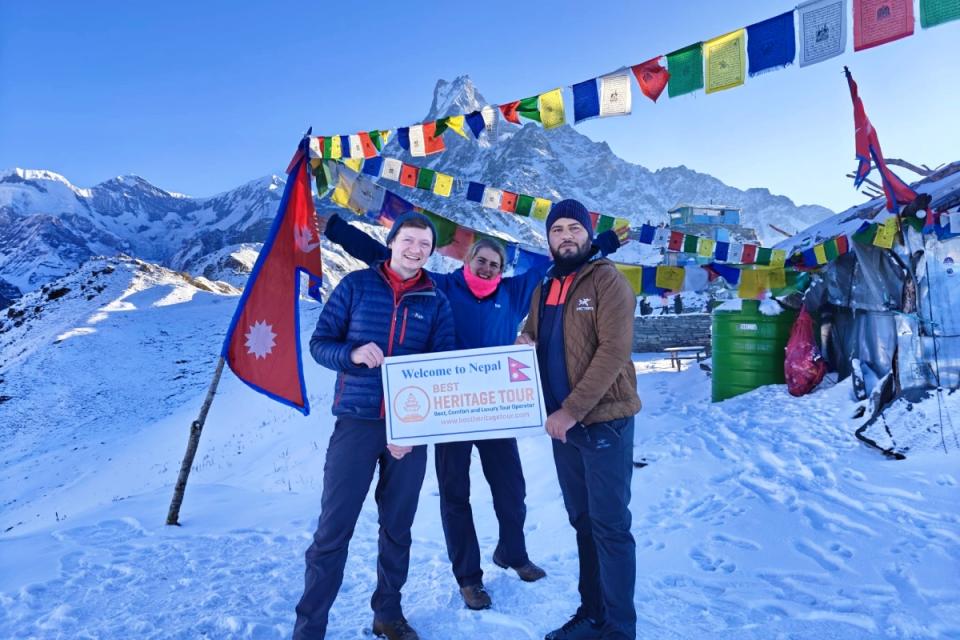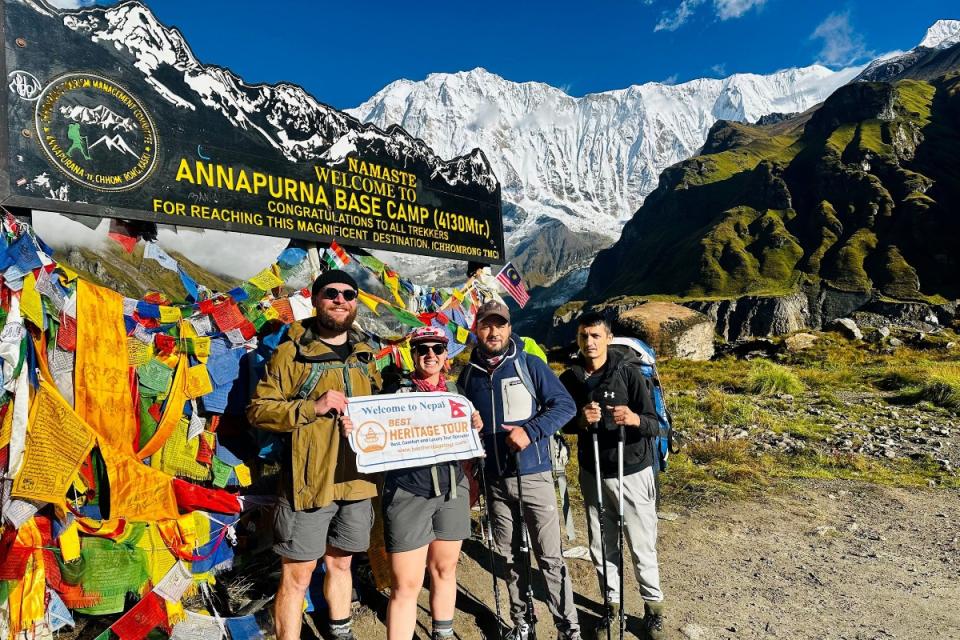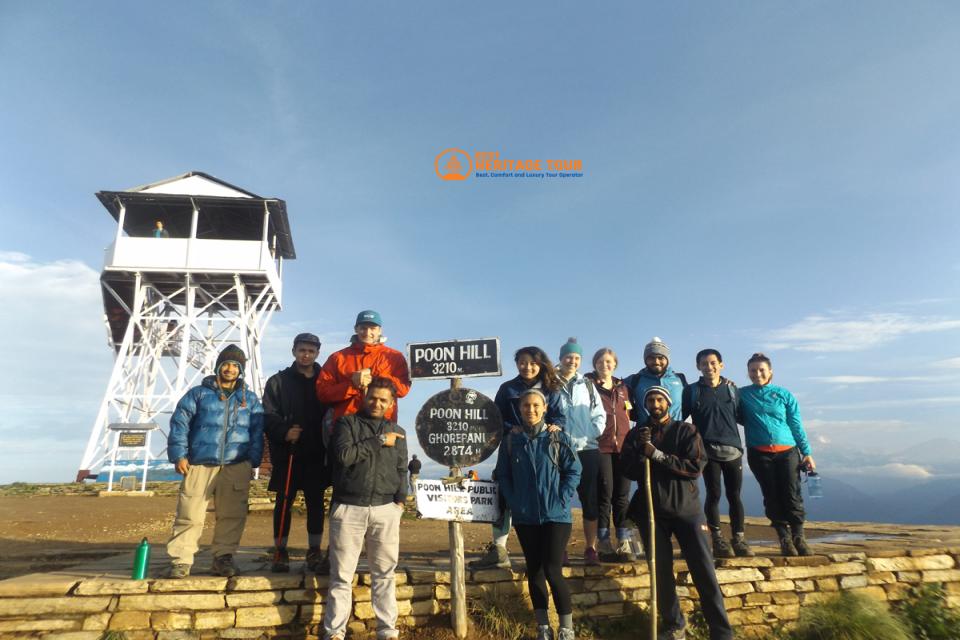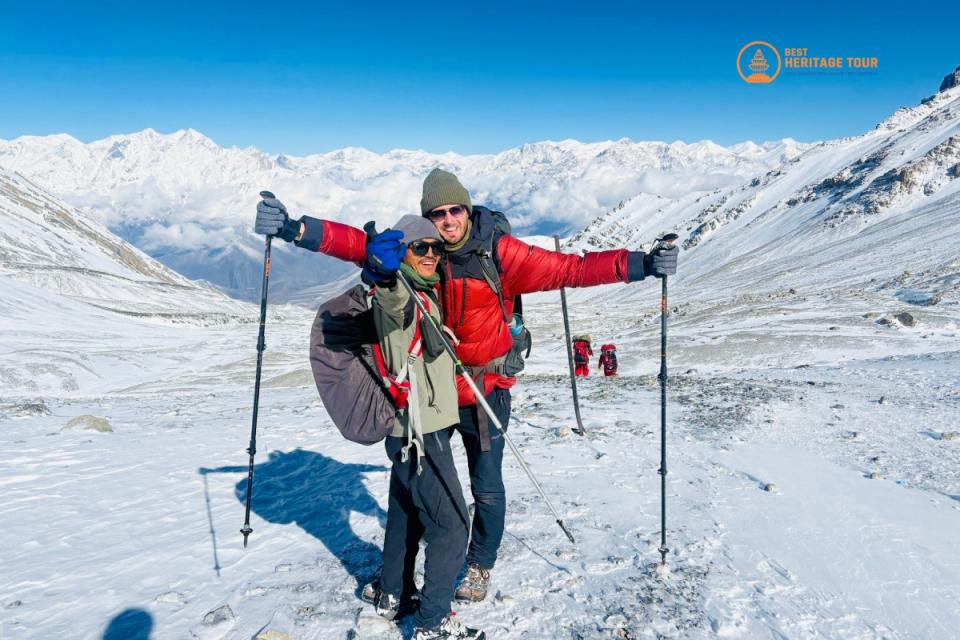
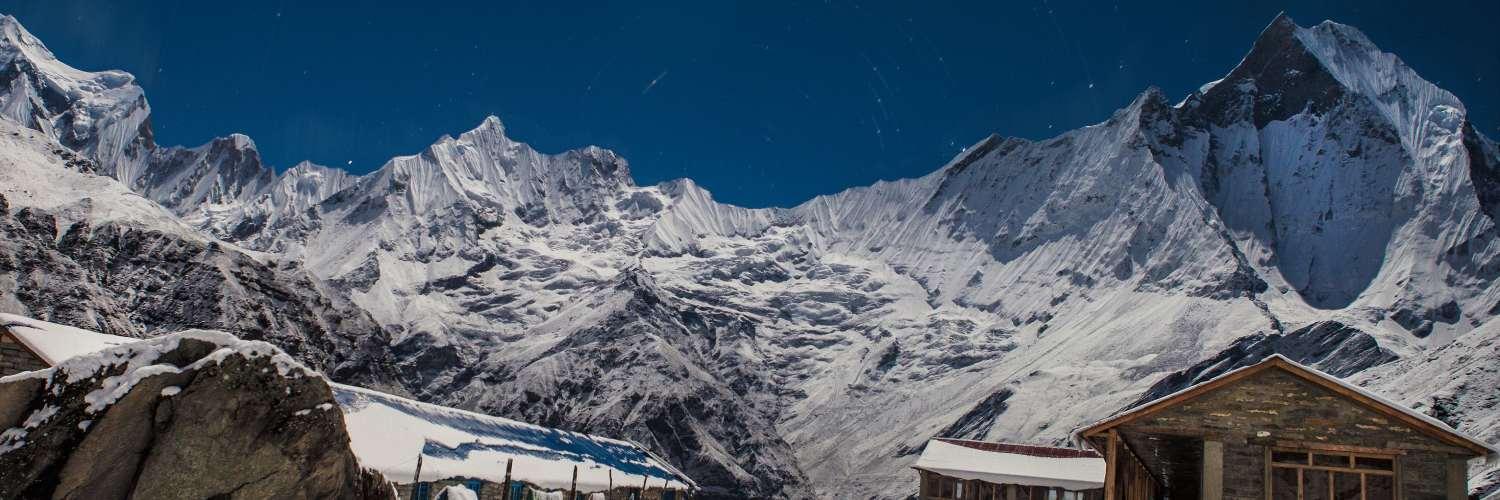
The Annapurna region is globally celebrated for its colossal peaks, from the sacred Machhapuchhre (Fishtail) to the Dhaulagiri massifs. Yet, for the discerning traveler, the true magic of the Annapurna Massif lies not just in its altitude, but in its profound depth of Himalayan Heritage and cultural immersion.
Unlike the Kathmandu Valley's preserved cities, Annapurna offers a heritage that is living - etched into the terraced hillsides, woven into the tapestries of the Gurung and Magar homes, and chanted in the secluded monasteries of the Tibetan plateau borderlands. It is a journey that connects the past of ancient salt traders with the present-day rhythms of mountain life.
As expert guides - Best Heritage Tour (BHT), we invite you to look beyond the iconic trekking routes like the Annapurna Circuit and Annapurna Base Camp (ABC) and discover the soul of the region - a tapestry of centuries-old tradition, spiritual sanctuary, and magnificent human resilience. This guide is your key to unlocking the cultural highlights of the Annapurna Trek.
The Gateway - Pokhara, The Cultural Crossroads
Pokhara, the serene city nestled beside Phewa Lake, serves as the modern gateway to the Annapurna region, but its history runs deep as a strategic hub on the ancient trade routes. The city itself holds several sacred and historical sites that set the stage for the journey into the mountains.
1. Bindhyabasini Temple: The Heart of Old Pokhara
High above the bustling modern city sits the Bindhyabasini Temple, Pokhara’s oldest temple. Dedicated to Goddess Bhagawati, the temple is a prime example of traditional Nepalese pagoda style and a vital center of Hindu spiritual life.
-
A Living History: This site is inextricably linked to the history of the Kaski Kingdom, and visiting in the early morning allows for genuine cultural immersion as local families perform daily pujas (worship rituals).
-
The View: The hillock offers panoramic views of the entire valley, giving you context on how Pokhara’s natural beauty and its spiritual life are intertwined.
2. Tal Barahi Temple: The Island Sanctuary
Located on a small island in the middle of Phewa Lake, the Tal Barahi Temple (dedicated to Goddess Barahi) offers one of Nepal's most picturesque spiritual settings. Reaching it requires a traditional boat ride, instantly connecting you with the natural elements that define the region. The two-tiered pagoda, surrounded by shimmering water and the Annapurna range, symbolizes the perfect harmony between the sacred and the sublime.
3. World Peace Pagoda (Shanti Stupa): A Modern Heritage of Peace
While relatively modern (completed in 1999), the World Peace Pagoda is a significant heritage site that speaks to Nepal's contemporary cultural role. Erected by Buddhist monks, it is one of 80 similar structures worldwide symbolizing global peace. The elevated location provides the ultimate panoramic view of the Annapurna and Machhapuchhre mountains, connecting the spiritual quest for peace with the grandeur of nature.
BHT Insight: Pokhara also hosts vibrant Tibetan refugee settlements (Tashiling and Tashi Palkhel). These communities preserve and share the rich artistic and religious traditions of Tibet, adding a crucial layer of Tibetan Buddhist culture to your Himalayan Heritage Tours Nepal.
The Living Culture - Gurung and Magar Villages
As you move north along the Marsyangdi or Kali Gandaki valleys, the terrain quickly changes, and the cultural landscape deepens. The middle hills are the ancestral home of the Gurung and Magar communities, the backbone of Nepal’s trekking industry and the legendary Gurkha soldiers. These villages are the very essence of Annapurna Cultural Trekking.
1. The Gurung Legacy: Ghandruk and Landruk
The Gurung culture is most prominent on the popular Ghorepani and ABC routes, particularly in large villages like Ghandruk and Landruk.
-
Architectural Heritage: Gurung villages are characterized by traditional stone-roofed houses, tightly packed together, with narrow stairways and courtyards. These homes are built using locally sourced slate and stone, a sustainable architectural heritage passed down for generations.
-
Tamu Lhosar: The Gurung New Year (Tamu Lhosar) is their most significant festival, showcasing vibrant traditional clothing, group dances (especially the Ghatu dance), and deep community spirit. Timing your trek around this time offers a unique cultural immersion.
-
The Gurkha Connection: The legacy of the Gurkha soldiers is deeply embedded here. Many village homes feature small museums or memorials dedicated to the brave Gurung men who served in foreign armies, adding a poignant historical dimension to your trek.
2. The Magar Community and the Lower Hills
The Magar people are one of the largest ethnic groups in Nepal and predominantly inhabit the lower elevations of the Annapurna region, often overlapping with the Gurung communities.
-
Poon Hill Heritage: The area around Ghorepani and Poon Hill - famous for its sunrise views over Dhaulagiri - is a historical Magar territory. Their community life centers around agriculture, hospitality, and a blend of Hinduism, Buddhism, and their own animistic traditions.
-
Authentic Hospitality: Staying in a Magar or Gurung-owned teahouse is a direct experience of their hospitality, centered on the belief of Atithi Devo Bhava (the Guest is God). You are not just a tourist; you are participating in their living history.
BHT Strategy: To avoid the crowds and find genuine heritage, BHT often utilizes alternative routes and the Natural Annapurna Trekking Trails (NATT), guiding you to lesser-known villages where the Gurung and Magar Culture Nepal remains pristine and vibrant.
The High Himalayan Heritage - Tibetan Influence and Ancient Trade Routes
As the trail climbs toward the Thorong La Pass, the Marsyangdi Valley gives way to the high-altitude, semi-arid plateau, revealing the influence of Tibetan Buddhism and the history of the Ancient Trade Routes Annapurna.
1. Manang and the Tibetan Connection
The stunning village of Manang (3,540m) is the cultural and historical hub of the upper region. Its proximity to the Tibetan border means the culture is distinctly different from the lower hills.
-
Architecture: Manang houses are typically flat-roofed, designed to withstand the heavy winter snows and strong winds common to the high desert climate, a style inherited directly from Tibetan architecture.
-
Monasteries and Chortens: Tibetan Buddhism dominates the religious life here. The trails are lined with intricate Mani Walls (stones carved with the mantra Om Mani Padme Hum), Chortens (stupas), and prayer flags. The ancient Braga Monastery near Manang, dating back over 500 years, is a must-visit, housing sacred texts and historical Thangka paintings.
2. The Kali Gandaki Gorge: A Journey Through Deep Time
The descent from Thorong La Pass leads into the Kali Gandaki Gorge, the deepest gorge in the world, carved between the colossal Dhaulagiri and Annapurna massifs. This gorge has been a crucial north-south passage for centuries.
-
The Salt Trade: This valley was the primary corridor for the lucrative Tibetan salt trade (bartering salt for Nepalese and Indian grain). The Thakali people, known for their business acumen, rose to prominence managing this trade. The heritage of the Thakali, with their delicious Thakali cuisine (particularly the famous dal bhat), is a rich cultural reward of the trek.
-
Mustang's Edge: The valley, leading toward the restricted region of Upper Mustang, carries the scent of the arid Tibetan plateau. Villages like Jomsom and Kagbeni showcase unique fortified architecture built to guard the trade routes.
The Ultimate Spiritual Destination - Muktinath Temple
The crowning jewel of the Himalayan Heritage Tours Nepal in the Annapurna region is the sacred site of Muktinath Temple. Located at 3,710m, it is not only an architectural marvel but a powerful symbol of Nepal’s unique religious harmony.
1. A Convergence of Faith
Muktinath Temple Pilgrimage Site is sacred to both Hindus and Buddhists, a testament to the seamless spiritual integration found throughout Nepal:
-
Hindu Significance: The temple is one of the eight most sacred shrines for Hindus (Mukti Kshetra or Place of Salvation), housing a central idol of Lord Vishnu. The surrounding 108 water spouts (representing the 108 important shlokas, or verses, in Hindu philosophy) are believed to wash away all sins.
-
Buddhist Significance: Buddhists revere the site as Chumig Gyatsa (Place of 100 Waters), believing it is a place where the great sage Guru Rinpoche (Padmasambhava) mediated. The temple complex includes a sacred natural gas flame, believed to be fire emerging from the water, which represents the simultaneous existence of the elements - earth, fire, and water - a powerful spiritual concept.
BHT Experience: Visiting Muktinath is more than sightseeing; it is witnessing the genuine, deep-seated devotion of both Nepalese and Indian pilgrims who travel vast distances to bathe in the icy waters. This raw human experience is the very essence of Best Cultural Treks Nepal.
Conclusion: Trekking with Purpose, Exploring Heritage
The Annapurna region offers a trekking experience that transcends physical challenge. It is a journey into the deepest layers of Nepalese history - where Ancient Trade Routes Annapurna converge, where the Gurung and Magar Culture Nepal thrives, and where magnificent nature becomes the stage for profound spiritual expression.
By choosing a heritage-focused trek, you are choosing to engage deeply with the local communities, understand the ancient history woven into the trails, and experience the warm, resilient spirit of the Himalayan people. At Best Heritage Tour, we meticulously design itineraries that prioritize cultural depth, ethical engagement, and historical accuracy, ensuring your adventure is not just a trek, but a truly transformative Himalayan Heritage Tour.
Let Best Heritage Tour guide your next adventure - where every step tells a story, and every village is a living monument.
Contact Best Heritage Tour to Design Your Annapurna Cultural Immersion:
Phone / WhatsApp / Viber: +977-9851149197 / +977-9810043046
Email: info@bestheritagetour.com / bestheritagetour@gmail.com
Website: www.bestheritagetour.com
Office: Thamel Marg, Kathmandu, Nepal
Author: Best Heritage Tour
Date: 7th December, 2025