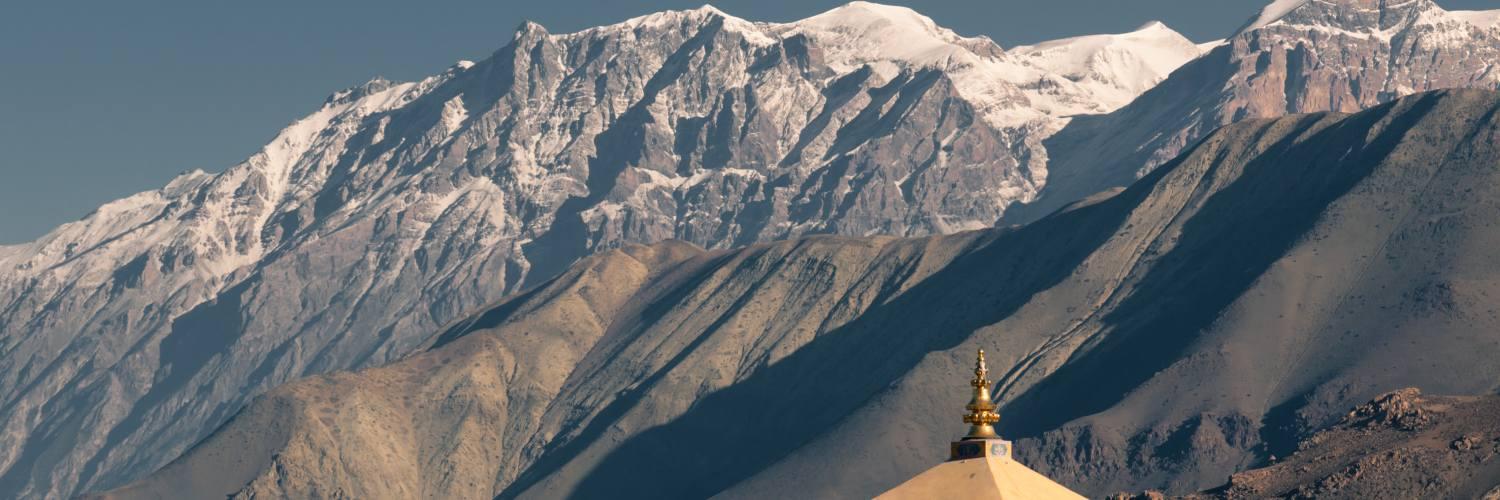
For centuries, the winds of the Mustang Valley have carried the echoes of bells and the scent of incense toward the snow-capped peaks of the Annapurna range. Here, at an altitude of 3,710 meters, lies a place where the physical world meets the divine: Muktinath Temple.
Whether you are a devout follower seeking Muktinath Darshan, a spiritual seeker looking for inner peace, or an adventurer drawn to the rugged beauty of the Himalayas, this "Place of Salvation" (Mukti Kshetram) holds a power that is difficult to put into words.
In this comprehensive guide, we at Best Heritage Tour explore why Muktinath remains one of the most significant spiritual landmarks on earth and why it deserves a spot at the top of your travel bucket list.
The Bridge Between Two Faiths: A Symbol of Harmony
One of the most profound reasons to visit Muktinath is to witness the seamless harmony between Hinduism and Buddhism. It is one of the rare places in the world where two major world religions share a single sanctum with equal devotion.
-
For Hindus (Mukti Kshetra): Hindus believe this is one of the 108 Divya Desams (sacred abodes of Vishnu). It is mentioned in the ancient Puranas as a place where Lord Vishnu found liberation from a curse.
-
For Buddhists (Chumig Gyatsa): In the Tibetan Buddhist tradition, this site is dedicated to Avalokiteshvara (the Bodhisattva of Compassion). Legend says that the great Guru Rinpoche (Padmasambhava) meditated here on his way to Tibet.
Walking through the temple gates, you’ll see Hindu priests and Buddhist nuns performing rituals side-by-side. In a world often divided, Muktinath stands as a breathtaking testament to religious unity.
The Healing Power of the 108 Water Sprouts
A visit to Muktidhan is incomplete without experiencing the ritual of the 108 brass water sprouts. Shaped like the heads of bulls, these sprouts pour ice-cold water sourced from the Kali Gandaki River.
Pilgrims believe that running under these 108 taps - representing the 12 zodiac signs and 27 lunar mansions - cleanses the soul of past karmas and negative energy. While the water is freezing, the spiritual "heat" and adrenaline generated by the act are said to be incredibly rejuvenating. It is a physical and spiritual "reset" button that many travelers describe as the most transformative moment of their lives.
Witnessing the Miracle of "Jwala Mai" (The Eternal Flame)
Just a short walk from the main temple is the Mharme Lha Khang Gompa, home to the miracle of Jwala Mai. Here, you can witness a small natural gas flame that flickers directly atop a trickling stream of water.
This rare phenomenon - the coexistence of fire, water, and earth in one spot - is why the site is called Chumig Gyatsa (Hundred Waters) by Buddhists. To see fire burning on water feels like witnessing a crack in the laws of physics, reinforcing the belief that Muktinath is a place where the divine manifests in physical form.
The Quest for the Sacred Shaligrama
The journey to Muktinath takes you through the valley of the Kali Gandaki River. This riverbed is the only place on earth where you can find Shaligram - ancient fossils of ammonites that lived millions of years ago when the Himalayas were the bottom of the Tethys Ocean.
To Hindus, these black stones are non-man-made manifestations of Lord Vishnu. Even if you aren't religious, holding a 140-million-year-old fossil in your hand while standing in the shadow of the world's highest mountains is a humbling experience that connects you to the deep history of our planet.
The Dramatic Landscapes of Mustang
While the spiritual draw is primary, the sheer aesthetic beauty of the trek to Muktinath is a major reason for tourists to visit.
-
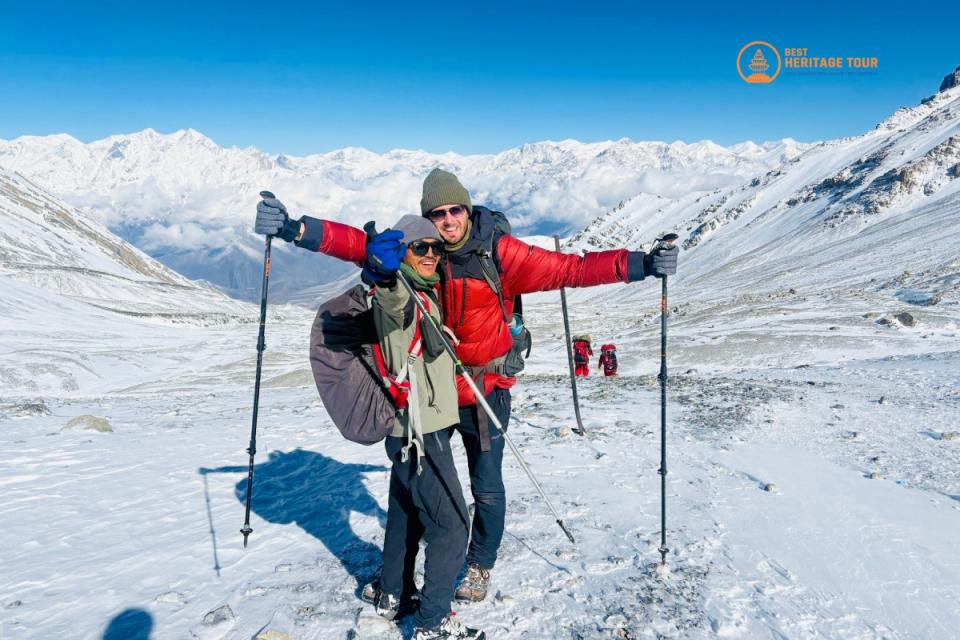
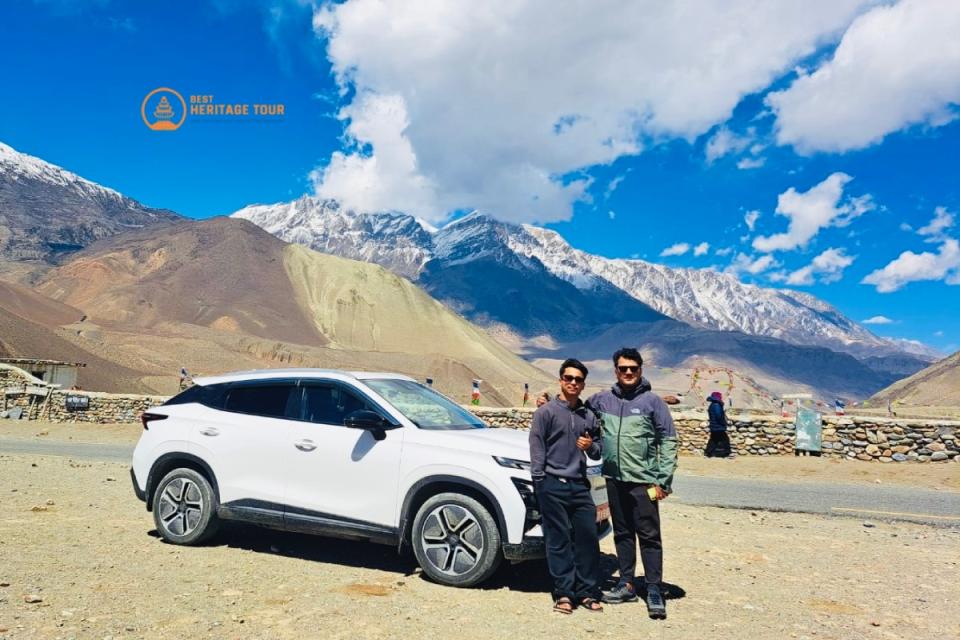
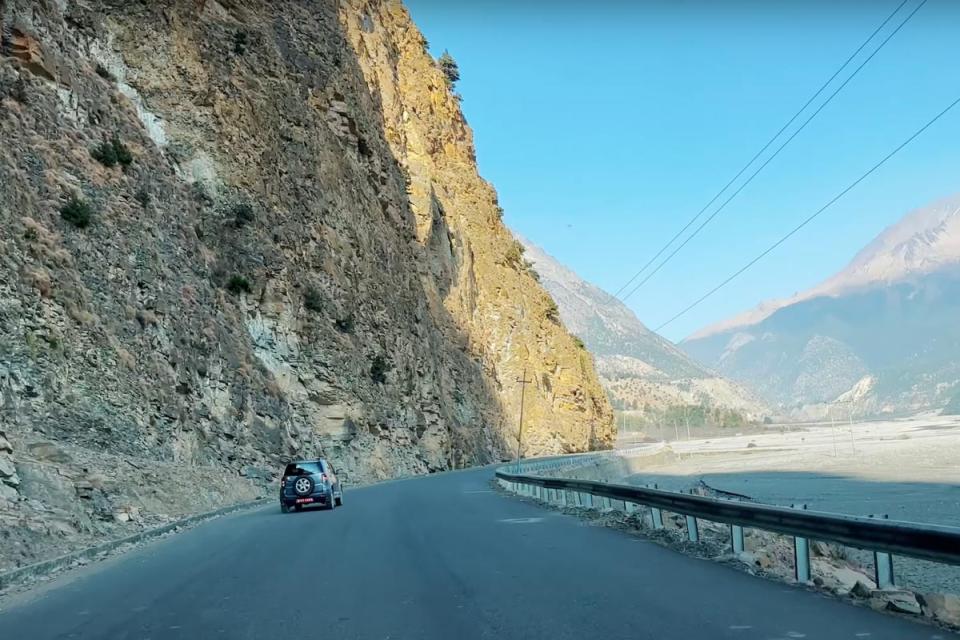
The High Altitude Desert: Unlike the lush green forests of southern Nepal, the area around Muktinath is a "rain shadow" zone. It looks like a lunar landscape - stark, arid, and dramatically beautiful.
-
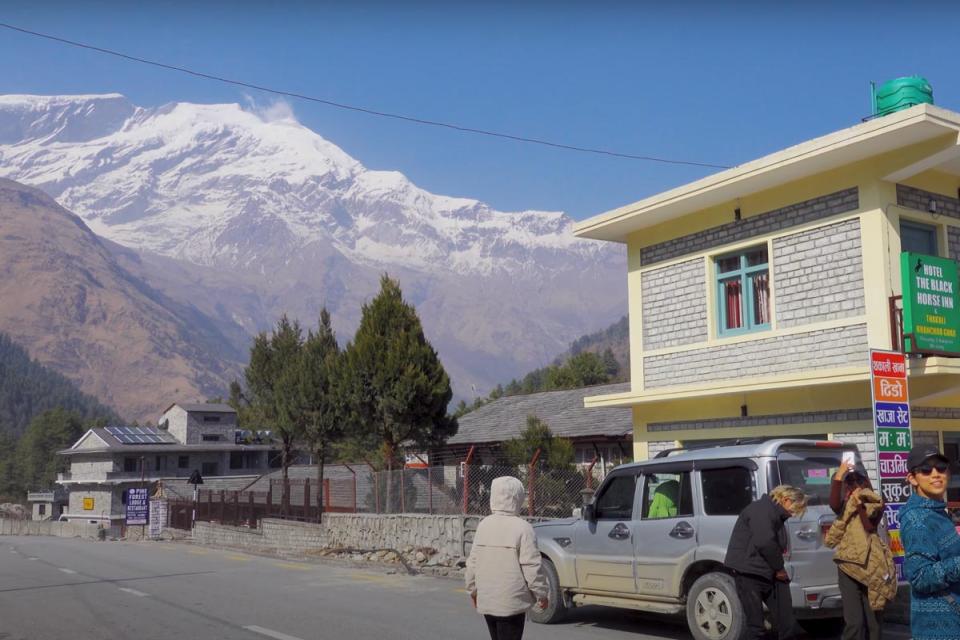
The Himalayan Giants: You are surrounded by giants. The views of Dhaulagiri (8,167m) and Nilgiri are so close they feel within arm’s reach.
-
Jharkot Village: On the way to the temple, you pass through ancient villages like Jharkot, with its crumbling fortresses and traditional Tibetan-style architecture, offering a glimpse into a way of life that has remained unchanged for centuries.
Physical and Mental Resilience
Let’s be honest: reaching Muktinath is not always easy. Whether you are flying into the tiny mountain airstrip at Jomsom or driving the winding mountain roads, the journey requires patience and resilience.
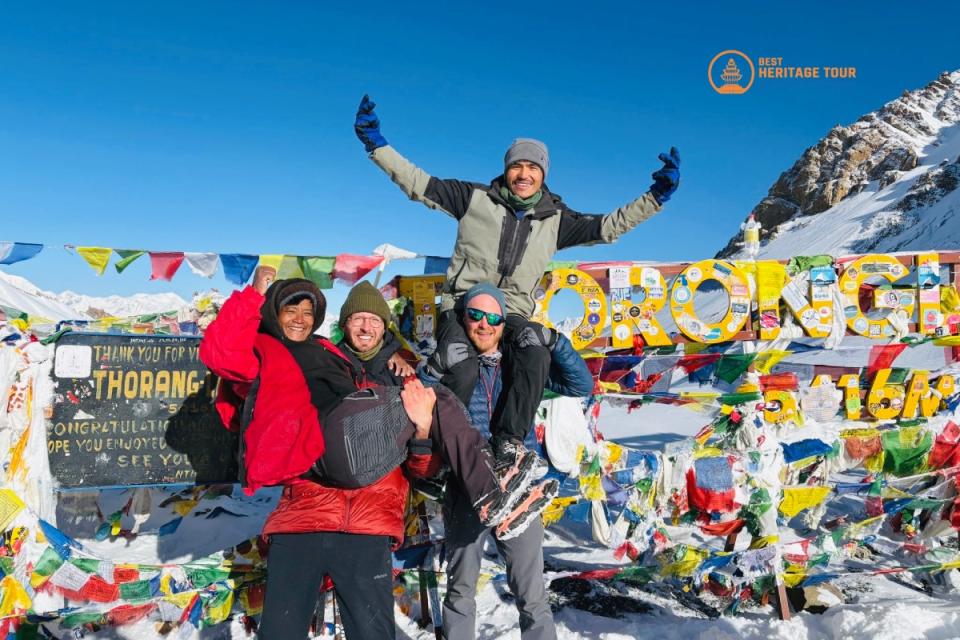
However, this is exactly why the destination is so rewarding. In the philosophy of Muktinath Darshan, the journey is just as important as the destination. Overcoming the challenges of the terrain serves as a metaphor for overcoming the obstacles in one's own life. You return from Muktinath not just with photos, but with a renewed sense of personal strength.
A Cultural Deep Dive into the Thakali Heritage
Visiting Muktinath allows you to experience the hospitality of the Thakali people, the traditional inhabitants of the Mustang district. Known for being the best hosts in Nepal, staying in a local teahouse gives you a chance to:
-
Taste authentic Thakali Bhanchha (the most famous version of Dal Bhat).
-
Learn about the ancient salt-trade routes that once connected India and Tibet.
-
Experience the unique blend of Tibetan and Nepali cultures.
Practical Information for Your Visit
To ensure your Muktinath Darshan is comfortable and fulfilling, keep these tips in mind:
When to Go?
-
Spring (March to May): The best time for clear skies and vibrant rhododendrons at lower altitudes.
-
Autumn (September to November): The most popular time for pilgrims, offering the sharpest views of the peaks.
-
Note: Avoid the monsoon (June-August) due to road conditions, and winter (December-February) due to extreme cold and snow.
How to Reach?
-
By Flight: A 20-minute scenic flight from Pokhara to Jomsom, followed by a 1.5-hour Jeep ride.
-
By Road: A 8-10 hour drive from Pokhara through the stunning Ghasa and Marpha villages.
-
By Helicopter: The fastest and most comfortable way, taking about 45 minutes from Pokhara directly to the Muktinath helipad.
Permits Required
As Muktinath is located within the Annapurna Conservation Area, you will need:
-
ACAP (Annapurna Conservation Area Project) Permit.
-
TIMS (Trekkers' Information Management System) Card.
Conclusion
Why should you visit Muktinath Temple? Because it is one of the few places on earth that forces you to slow down, breathe deep, and look inward. It is a place where the air is thin but the spirit is thick with history and devotion.
A trip to Muktidhan is more than just "sightseeing." It is an investment in your soul. Whether you seek to wash away your sins in the 108 springs, find the sacred Shaligram, or simply stand in awe of the Himalayan silence, Muktinath will change you.
At Best Heritage Tour, we don’t just sell packages; we facilitate life-changing journeys. We understand the sanctity of this land and ensure that your pilgrimage is handled with the respect and expertise it deserves.
Book Your Divine Journey Today
Phone / WhatsApp / Viber: +977-9851149197 / +977-9810043046
Email: info@bestheritagetour.com / bestheritagetour@gmail.com
Website: www.bestheritagetour.com
Office: Thamel Marg, Kathmandu, Nepal
Author: Best Heritage Tour
Date: 13th January, 2026