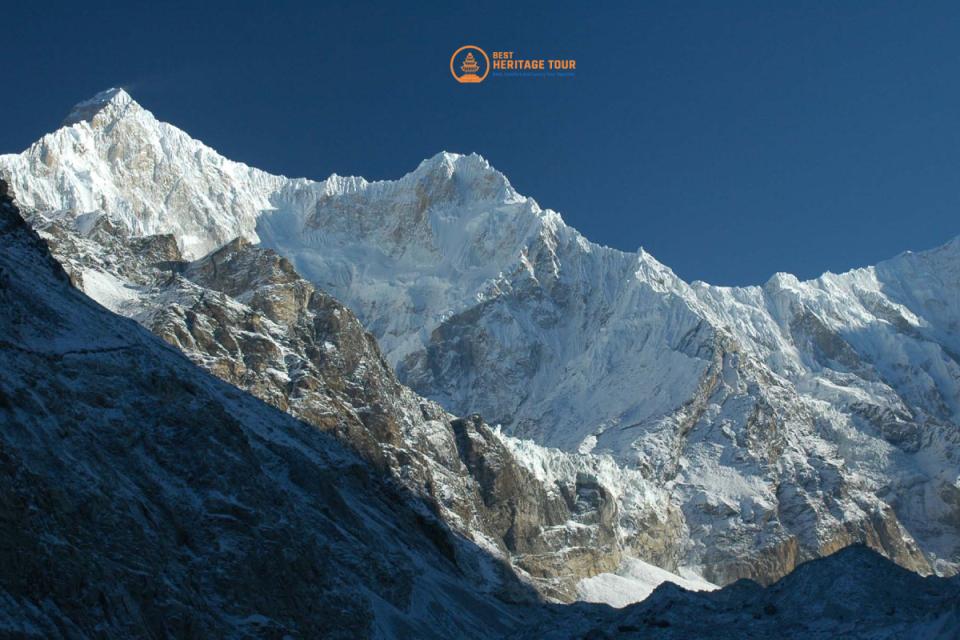
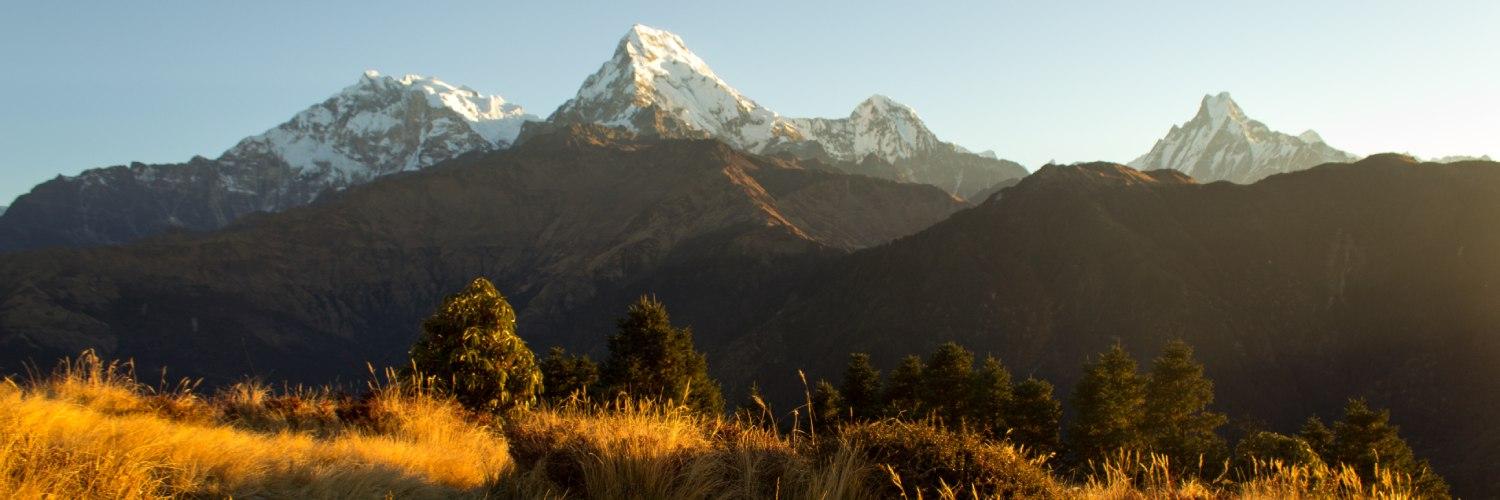
When it comes to remote trekking in Nepal, the Kanchenjunga Circuit stands in a league of its own. Circling the world's third-highest peak, Mt. Kanchenjunga (8,586m), this trek is a journey through pristine rhododendron forests, ethnic Limbu villages, and high-alpine landscapes.
At Best Heritage Tour, we know that for a 22-to-25-day journey, your energy and health are entirely dependent on two things: where you sleep and what you eat. This guide provides an updated 2025 look at Food and Accommodation on Kanchenjunga Circuit Trek, helping you prepare for one of the most rewarding wilderness experiences in the Himalayas.
The Evolution of the Trail: Teahouse vs. Camping
Historically, Kanchenjunga was a "camping-only" expedition. However, 2025 sees a significant shift.
-
Teahouse Trekking: Most of the circuit - both North and South Base Camp routes - now features functional teahouses. While basic, they offer a warm bed and home-cooked meals.
-
Camping: Some trekkers still prefer camping for total isolation, and in rare cases (like during peak festival seasons), having a tent as a backup is a "Best Heritage Tour" safety standard.
Accommodation: What to Expect in the Wild East
Lodging in the Kanchenjunga region is far more "rustic" than in the Annapurna or Everest regions.
Lower Elevation Villages (Taplejung to Amjilosa)
-
Style: You will stay in local teahouses or upgraded homestays. These are often made of wood and stone.
-
Amenities: You can expect twin-sharing rooms with foam mattresses and blankets. However, we always recommend a -20°C sleeping bag for hygiene and extra warmth.
-
Facilities: Common areas are the heart of the lodge, usually heated by a central wood-burning stove. Toilets are generally shared (squat style).
The High-Altitude Settlements (Ghunsa, Kambachen, Lhonak)
-
Ghunsa (3,595m): This is the "capital" of the trek. Accommodation here is surprisingly good, with some lodges offering hot showers and even Wi-Fi (though it can be intermittent).
-
Lhonak & Pangpema (4,780m+): Facilities here are extremely basic stone huts. Rooms are small, and the walls are thin. At these heights, insulation is minimal, making your own high-quality gear essential.
-
Sele La & High Passes: These areas have seasonal tea houses that only open during the trekking months (Spring and Autumn). They are very simple and can get crowded.
Food: Fueling Your High-Altitude Marathon
Since everything must be carried up by porters or mules, the menu is less extensive than in central Nepal, but it is incredibly hearty and organic.
Typical Daily Menu
-
Breakfast:
-
Tibetan Bread: Deep-fried, puffy bread served with honey or jam.
-
Tsampa or Porridge: Traditional roasted barley flour or oat porridge - excellent for sustained energy.
-
Eggs: Boiled, fried, or omelets.
-
Beverages: Ginger-lemon tea and the local specialty, Salted Butter Tea, which helps with hydration at high altitudes.
-
-
Lunch & Dinner:
-
Dal Bhat: The undisputed king. Steamed rice, lentil soup, and seasonal veg curry. In Ghunsa, you will often get fresh greens from their local greenhouses.
-
Thukpa: A warming Tibetan noodle soup with vegetables and sometimes dried meat.
-
Gundruk & Dhindo: For the adventurous, try the fermented leafy greens (Gundruk) and the buckwheat mash (Dhindo) - the ultimate local "power food."
-
Pasta & Momo: Basic spaghetti with tomato sauce or vegetable dumplings (Momos) are available in the larger villages like Ghunsa and Yamphudin.
-
Specialized Local Flavors
In the Kanchenjunga region, you must try Sukuti (dried meat) and Chhurpi (hard yak cheese). For those interested in local culture, the Tongba (millet-based alcoholic drink) is a staple of the Limbu people, though we advise avoiding alcohol until you have finished your descent.
Logistics and Hygiene: The Best Heritage Tour Standard
Because Kanchenjunga is remote, hygiene is our top priority.
-
Water Safety: Never drink tap water. We provide boiled water or use high-grade purification tablets.
-
Charging & Connectivity: Electricity is available via solar or micro-hydro in villages like Ghunsa. Expect to pay a small fee ($2-$5) for charging your camera or phone.
-
Freshness: We encourage our clients to stick to a vegetarian diet at higher altitudes (Kambachen and above) to avoid any stomach issues from meat that has been transported for days without refrigeration.
Conclusion
The Kanchenjunga Circuit Trek is a transition from the lush, tropical lowlands to the stark, frozen beauty of the world's third-highest peak. Accommodation has evolved from purely tented camps to basic yet welcoming teahouses, allowing for a more comfortable experience without losing the "wilderness" feel. While the food is simple - centered around Dal Bhat, Thukpa, and organic mountain vegetables - it is specifically designed to fuel the long walking days this trek demands.
By choosing Best Heritage Tour, you ensure that even in the remotest corners of Eastern Nepal, you have the best available beds, hygienic meals, and a crew that treats you like family. Kanchenjunga is a test of spirit; let us handle the logistics so you can focus on the mountains.
Contact Best Heritage Tour Today!
Phone / WhatsApp / Viber: +977-9851149197 / +977-9810043046
Email: info@bestheritagetour.com / bestheritagetour@gmail.com
Website: www.bestheritagetour.com
Office: Thamel Marg, Kathmandu, Nepal
Author: Best Heritage Tour
Date: 30th December, 2025