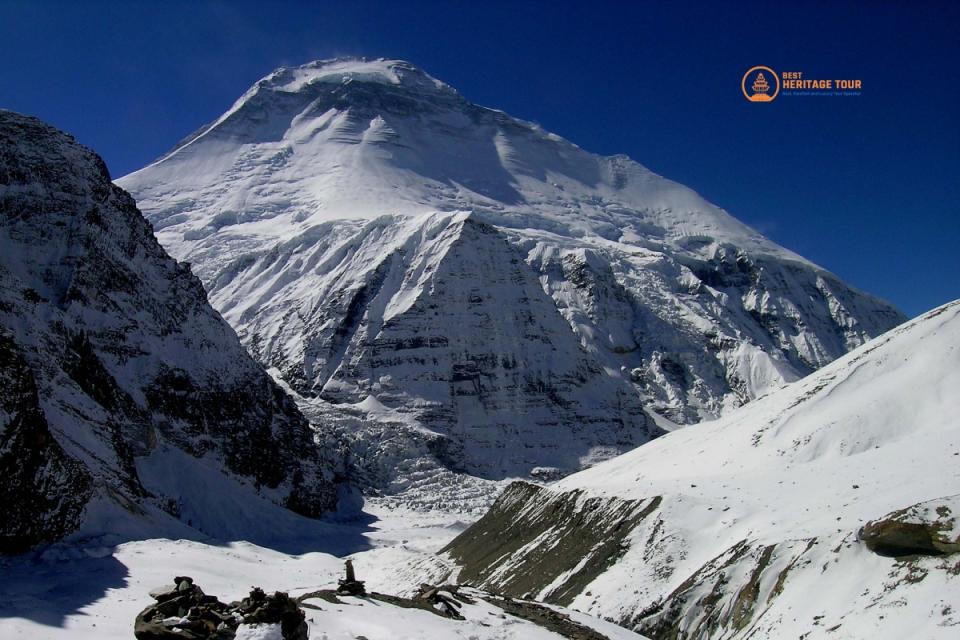
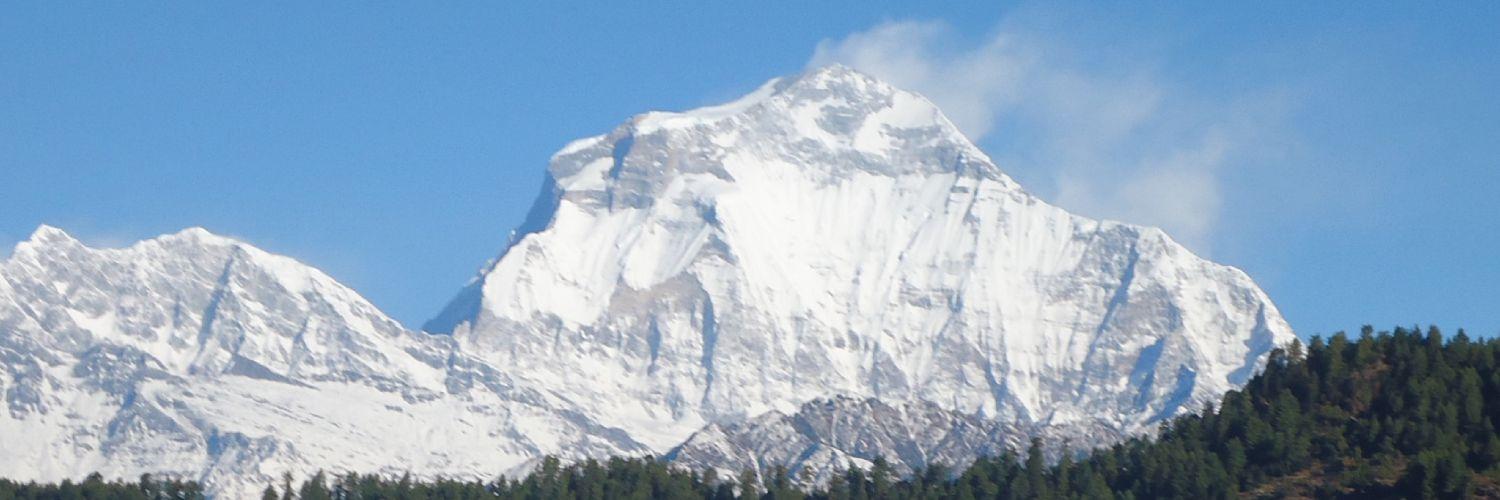
When it comes to remote and rugged Himalayan adventures, few trails rival the raw intensity of the Dhaulagiri Circuit. Often labeled as one of the most challenging treks in Nepal, it circles the world’s seventh-highest peak, Mt. Dhaulagiri (8,167m).
At Best Heritage Tour, we believe that preparation is the bridge between a grueling ordeal and a life-changing expedition. For a high-altitude trek like this, two things dictate your success: what you eat and where you sleep. This guide provides a deep dive into Food and Accommodation in Dhaulagiri Circuit Trek, offering a location-by-location breakdown to help you plan your journey with confidence.
Understanding the Logistics: Teahouse vs. Camping
Unlike the popular Everest or Annapurna trails, the Dhaulagiri Circuit is a "semi-wilderness" trek. You will experience a unique transition from local village hospitality to complete self-sufficiency.
-
Teahouse in Dhaulagiri Circuit Trek (Lower Regions): The first few days of the trek pass through Magar and Gurung settlements. Here, you will stay in basic, family-run lodges.
-
Camping in Dhaulagiri Circuit Trek (Higher Regions): Once you move past Italian Base Camp, teahouses disappear. From this point, you are in a tented world, where our crew sets up mobile camps and prepares every meal from scratch.
Detailed Daily Food and Accommodation Guide
Phase 1: The Teahouse & Homestay Section (Beni to Boghara)
The trek begins in the lush Myagdi valley. The infrastructure here is simple, authentic, and offers a glimpse into rural Nepali life.
Beni & Babiyachaur (Starting Points)
-
Accommodation: You will find standard guesthouses with "luxury" amenities like attached bathrooms, Wi-Fi, and electricity.
-
Foods: A wide menu including Mo:Mo, Chowmein, Pasta, and the legendary Thakali Dal Bhat.
-
Insider Tip: This is your last chance to buy specific snacks (energy bars, chocolates) or power bank charges at local prices.
Dharapani (1,560m) & Muri (1,850m)
-
Accommodation: Very basic teahouses. Rooms are usually twin-sharing with wooden beds and thin foam mattresses. Toilets are often external "squat" styles.
-
Foods: The menu starts to shrink.
-
Breakfast: Tibetan bread (deep-fried), porridge (Oats or Tsampa), and eggs.
-
Lunch/Dinner: Mostly Dal Bhat. The vegetables are organic, picked straight from the village gardens.
-
-
Vibe: You are staying in the homes of the Magar people. It is humble, warm, and deeply cultural.
Boghara (2,080m)
-
Accommodation: This is often the last "real" village. Accommodation may be a mix of a basic teahouse or a homestay in a local house.
-
Foods: Expect Aloo (Potato) specialties. In these high altitudes, potatoes are the staple. You might get boiled potatoes with local salt and chili paste (Chutney).
Phase 2: The Transition Zone (Dobang to Italian Base Camp)
As the altitude climbs above 3,000m, the forest thickens and permanent settlements vanish.
Dobang (2,520m) & Choriban Khola (3,110m)
-
Accommodation: Tented camping or very rudimentary seasonal huts. If staying in huts, be prepared for drafty rooms. At Best Heritage Tour, we usually transition to high-quality four-season tents here to ensure better sleep and warmth.
-
Foods: Our kitchen crew takes over.
-
Tea/Coffee: Served at your tent door in the morning.
-
Meals: High-carb diets including spaghetti, mashed potatoes, and meat to keep energy levels high.
-
Italian Base Camp (3,660m)
-
Accommodation: Strictly camping. The site is spectacular, sitting right at the foot of Dhaulagiri’s West Face.
-
Foods: Since this is a key acclimatization stop, our cooks focus on hydration-heavy foods.
-
Soups: Garlic soup (excellent for altitude), tomato soup, and mixed veg soup.
-
Energy: Freshly baked bread and pancakes are often prepared in our dining tents.
-
Phase 3: The High-Altitude Wilderness (Glacier Camp to Hidden Valley)
This is the heart of the "Camping in Dhaulagiri Circuit Trek" experience. You are now walking on glaciers and crossing passes above $5,000\text{m}$.
Glacier Camp (4,210m) & Dhaulagiri Base Camp (4,740m)
-
Accommodation: You are sleeping on ice and rock. We provide thick insulated mattresses (R-value rated) and high-altitude sleeping bags.
-
Foods: Digestion slows down at this altitude. We provide:
-
Snacks: Warm nuts, biscuits, and dried fruits upon arrival.
-
Dinner: Light but nutritious meals like Sherpa Stew (Syakpa) - a hearty mix of handmade noodles, meat, and vegetables that is easy on the stomach.
-
-
Water: All drinking water is boiled by our staff to ensure it is 100% pathogen-free.
Hidden Valley (5,050m) via French Pass
-
Accommodation: Tented camp in one of the most desolate and beautiful valleys in the Himalayas. It is extremely windy and cold here.
-
Foods: Focus on high-calorie intake. We serve items like Fried Rice, Pasta with Cheese, and plenty of hot lemon/ginger tea. We try to stick with Dal Bhat as this is the most staple and energetic food for high altitude trekking.
-
The Challenge: Boiling water takes longer at this altitude (5,000m); our experienced cooks use pressure cookers to ensure food is thoroughly cooked and hygienic.
Phase 4: The Descent (Yak Kharka to Marpha)
After crossing Dhampus Pass, you descend back into the "civilized" world of the Annapurna region.
Marpha (2,670m)
-
Accommodation: High-quality teahouses with hot showers (gas or solar) and comfortable beds.
-
Foods: Marpha is the Apple Capital of Nepal.
-
Must-try: Apple Pie, Apple Strudel, and the famous Marpha Apple Brandy.
-
Dinner: The Thakali sets here are world-renowned.
-
Foods in Dhaulagiri Circuit Trek: A Typical Daily Menu
|
Meal |
Items Offered (Camping Phase) |
|---|---|
|
Breakfast |
Porridge, Cornflakes, Pancakes, Omelets, Fried/Boiled Eggs, Toast with Jam/Honey. |
|
Lunch |
Boiled Potatoes, Salad, Sandwiches, Noodles (Chowmein), or Pasta with Tomato Sauce. |
|
Tea Time |
Biscuits, Popcorn, or Local Snacks with Tea/Coffee/Hot Chocolate. |
|
Dinner |
Dal Bhat (Rice & Lentils), Veg/Chicken Curry, Garlic Soup, Spaghetti, or Sherpa Stew. |
Essential Tips for Eating & Sleeping in Dhaulagiri
To ensure you stay healthy and strong throughout the 18 to 21 days of the trek, keep these "Guide's Secrets" in mind:
-
Embrace the Garlic: Local guides swear by garlic. It helps thin the blood, aiding in oxygen circulation. Ask our cooks for extra garlic in your soups.
-
Avoid Meat in High Altitudes: Past Boghara, meat is carried by porters without refrigeration. To avoid stomach upsets, we recommend sticking to a vegetarian diet from Italian Base Camp until you reach Marpha.
-
The "Dal Bhat Power": There is a saying: "Dal Bhat Power, 24 Hour!" It is the most balanced meal - rich in carbs and protein. Best of all, refills are usually free in teahouses!
-
Hydration is Key: Aim for 4-5 liters of fluid daily. This includes water, soups, and tea. Avoid caffeine and alcohol as they dehydrate you.
-
Sleeping Bag Grade: Even though we provide gear, ensure your sleeping bag is rated for at least -20°C to -25°C for the nights in Hidden Valley.
Conclusion: A Summary of the Dhaulagiri Experience
The Dhaulagiri Circuit Trek is a journey of two halves: the warm, authentic teahouses of the lower Magar villages and the rugged, high-altitude camping of the glacial zones. While you will enjoy organic Dal Bhat and local hospitality in places like Muri and Boghara, the higher reaches like Dhaulagiri Base Camp and Hidden Valley require a fully self-sufficient tented setup.
Success on this trail depends on high-calorie nutrition, proper hydration, and quality gear to withstand temperatures well below freezing. By balancing local teahouse stays with expert-led camping logistics, you can safely navigate one of the most demanding yet rewarding landscapes in the Himalayas.
Contact Best Heritage Tour Today!
Ready to conquer the Dhaulagiri Circuit? Let Best Heritage Tour handle the complex logistics of food, equipment, and safety so you can focus on the adventure of a lifetime.
Get in touch with our experts for customized itineraries and booking:
Phone / WhatsApp / Viber: +977-9851149197 / +977-9810043046
Email: [email protected] / [email protected]
Website: www.bestheritagetour.com
Office: Thamel Marg, Kathmandu, Nepal
Author: Best Heritage Tour
Date: 30th December, 2025