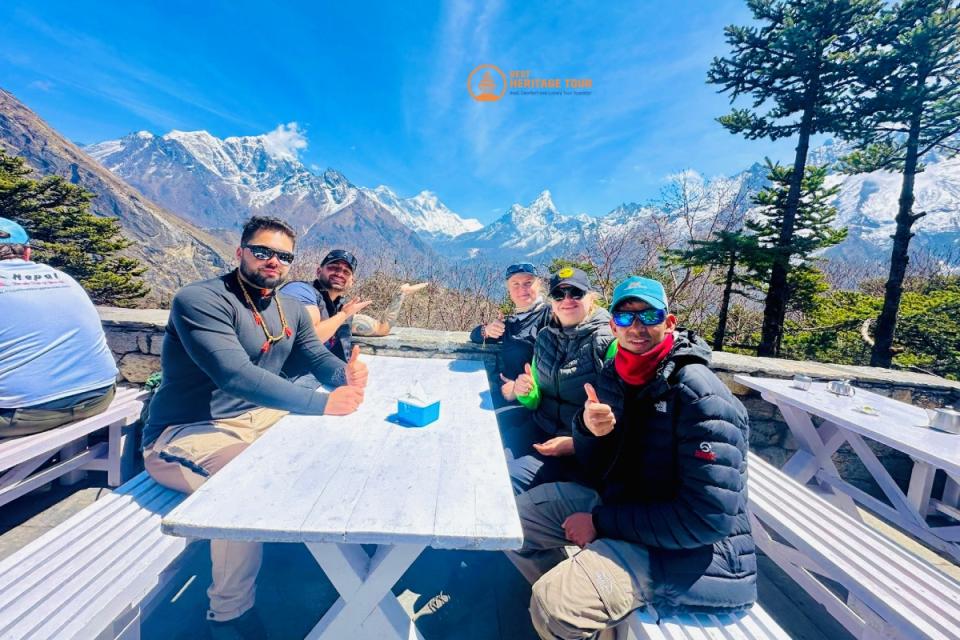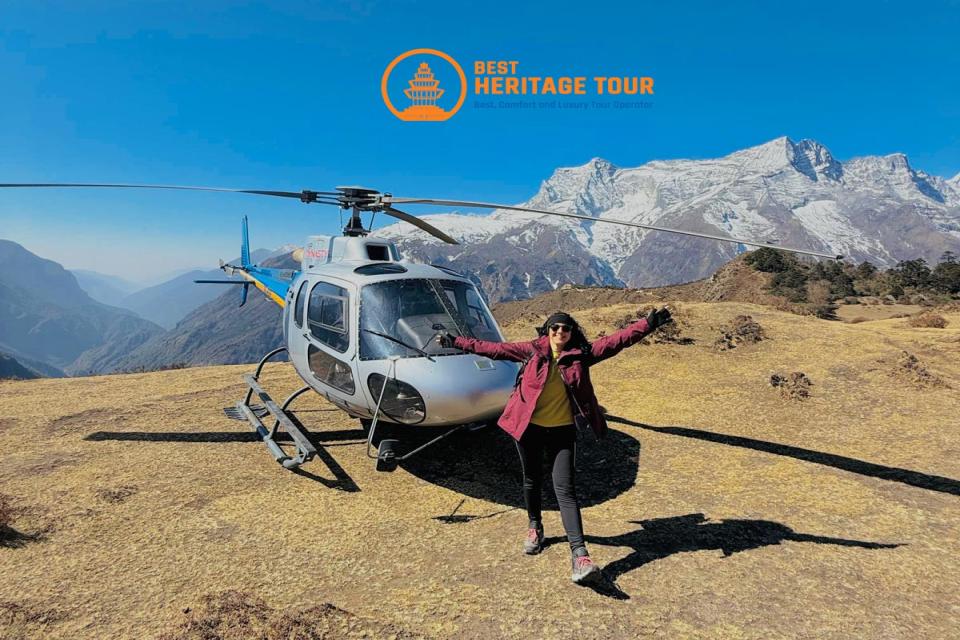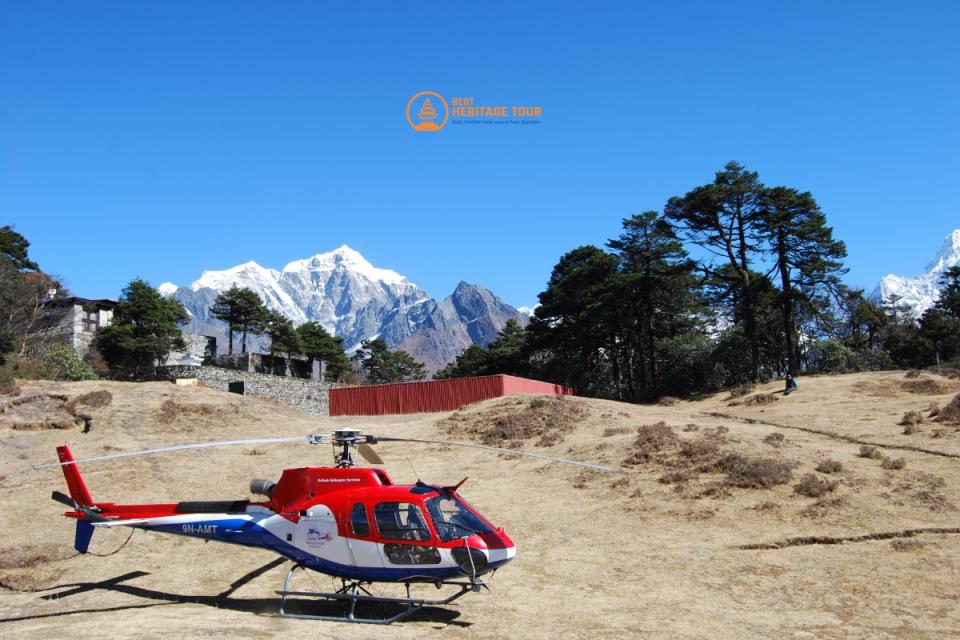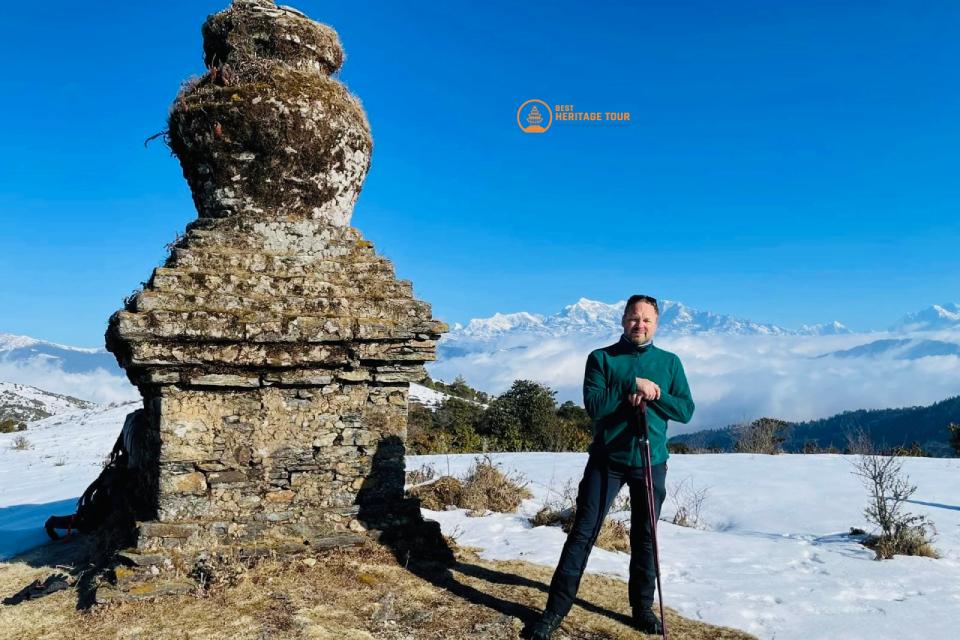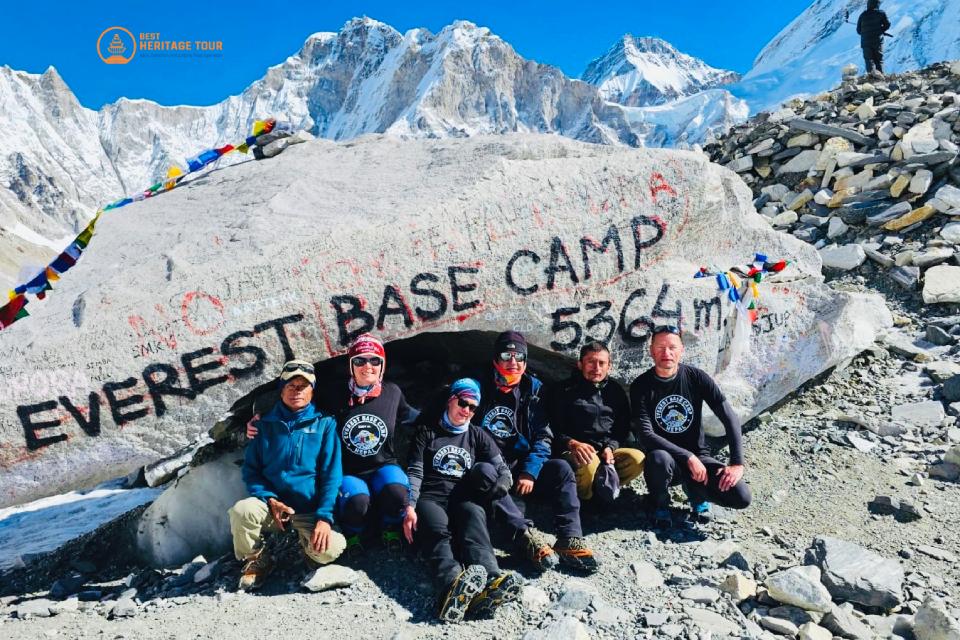
Reaching the foot of the world’s highest peak is more than just a hike; it is a pilgrimage. For those of us at Best Heritage Tour, the Khumbu region isn't just a workplace - it’s our home. As we look ahead to 2026, many of you are already asking the golden question: "When is the best time to trek to Everest Base Camp?"
The truth is, the Himalayas don't have a single "best" time. Instead, they have different personalities. Depending on whether you crave crystal-clear photography, blooming rhododendrons, or the quiet solitude of a frozen trail, your "perfect" month will vary.
In this comprehensive 2026 guide, we break down the Everest trekking calendar month-by-month to help you choose the journey that matches your soul.
The Four Seasons of the Khumbu
Before diving into the months, it’s important to understand the four distinct seasons of the Everest region:
-
Spring (March - May): The season of color and climbing expeditions.
-
Monsoon/Summer (June - August): The quiet, lush, and misty "off-season."
-
Autumn (September - November): The gold standard for clarity and stable weather.
-
Winter (December - February): A frigid but stunningly quiet challenge for the bold.
Spring: The Season of Bloom and High Energy
Spring is arguably the most famous time to visit. This is when the mountain "wakes up."
March: The Start of the Peak Season
March marks the official start of the spring trekking window. The lower valleys begin to turn green, and the first wave of trekkers arrives.
-
Weather: Temperatures become more manageable, though nights are still well below freezing.
-
Highlight: You’ll start seeing the famous red rhododendrons blooming in the forests below Namche Bazaar.
April: The "Sweet Spot"
If you want the perfect balance of weather, visibility, and vibrant atmosphere, April 2026 is your month.
-
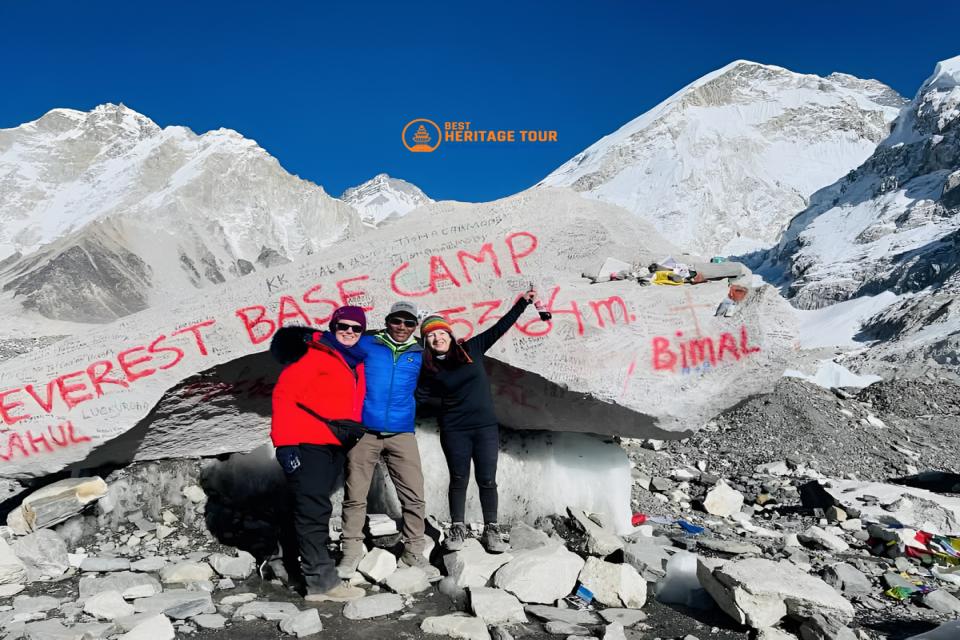
Expedition Fever: This is the heart of the Everest climbing season. You’ll see the "Yellow Tent City" at Base Camp as climbers prepare for their summit bids.
-
Nature: The hills are alive with wildflowers, and the weather is remarkably stable.
May: The Final Spring Window
May is the warmest month of the spring. It’s a favorite for those who dislike the biting cold of the higher altitudes.
-
Condition: While warm, clouds can begin to build up in the afternoons as the monsoon approaches.
-
Culture: You’ll meet many successful summiteers returning from the peak toward the end of the month.
Monsoon: The Green and Quiet Trails
Most travelers avoid these months due to the rain, but for the right person, it’s a hidden gem.
June: The Transition
Early June can still be great, but by the second half of the month, the clouds move in.
-
The Challenge: Flight cancellations to Lukla become more common due to visibility.
-
The Reward: The waterfalls are at their most thunderous and beautiful.
July: The Heart of the Rain
This is the wettest month. Below 3,500m, expect leeches and muddy paths.
-
Why go? If you are a botanist or a peace-seeker, the lushness is unparalleled. The mountains often play "hide and seek" behind the clouds.
August: The Late Summer Mist
Similar to July, but toward the end of August, you’ll feel the air start to crisp up again as the monsoon begins its retreat.
Autumn: The Photographer’s Dream
Ask any guide at Best Heritage Tour, and they will tell you: Autumn is the king of trekking seasons.
September: The Post-Monsoon Refresh
Early September can still be damp, but by the third week, the skies open up.
-
Visibility: The rain has washed away all the dust, leaving the air the cleanest it will be all year.
-
Landscape: Everything is still incredibly green from the summer rains, contrasted against white peaks.
October: The "Gold Standard"
October 2026 will undoubtedly be the busiest month on the trail, and for good reason.
-
Weather: Near-perfect. Deep blue skies and minimal wind.
-
Events: This usually coincides with major Nepali festivals like Dashain and Tihar, adding a rich cultural layer to your trek.
November: Crisp and Clear
As the crowds begin to thin, November offers some of the most stable weather of the year.
-
Weather: Cold but predictable. The views of Ama Dablam and Everest are often uninterrupted from sunrise to sunset.
-
Crowds: Much quieter than October, making it our "expert choice" for 2026.
Winter: The Raw Himalayan Experience
As the year closes, the Khumbu becomes a land of ice and silence.
December: The Early Winter
Early December is actually a fantastic time to trek if you have a high-quality down jacket.
-
Condition: The skies are usually 100% clear.
-
Experience: You’ll get that "raw" mountain feeling without the extreme, dangerous cold that hits in late January.
January: The Deep Freeze
January is the coldest month in the Everest region. While most trekking companies stay home, we recommend January only for the most experienced, cold-hardy adventurers.
-
Weather: Daytime highs at Base Camp hover around -10°C, while nights can plummet to -25°C.
-
The Vibe: Complete solitude. You’ll have the trails to yourself, and the air is incredibly dry and clear.
-
Pro Tip: Many high-altitude teahouses close. If you go, ensure your guide has confirmed accommodations.
February: The Gradual Awakening
By mid-February, the worst of the winter chill begins to lift, though snowfall is still frequent.
-
Condition: Trails are often snow-covered, requiring micro-spikes.
-
Benefit: You get winter views without the absolute peak cold of January.
2026 Trekking Temperature & Weather Table (At-a-Glance)
|
Month |
Avg. Day (EBC) |
Avg. Night (EBC) |
Visibility |
Crowd Level |
|---|---|---|---|---|
|
Jan |
-10°C |
-25°C |
Excellent |
Very Low |
|
Feb |
-8°C |
-20°C |
Good |
Low |
|
Mar |
-2°C |
-12°C |
High |
Medium |
|
Apr |
5°C |
-8°C |
Excellent |
High |
|
May |
10°C |
-2°C |
Moderate |
High |
|
Jun |
12°C |
2°C |
Low |
Low |
|
Jul |
15°C |
5°C |
Very Low |
Very Low |
|
Aug |
14°C |
4°C |
Low |
Low |
|
Sep |
10°C |
2°C |
Improving |
Medium |
|
Oct |
6°C |
-6°C |
Perfect |
Very High |
|
Nov |
0°C |
-12°C |
Excellent |
Medium |
|
Dec |
-5°C |
-18°C |
High |
Low |
Essential Tips for Your 2026 Everest Journey
1. The "Buffer Day" Rule
Regardless of the month you choose, the weather in the Himalayas is boss. Always build 2-3 buffer days into your itinerary. Flights between Kathmandu/Manthali and Lukla are weather-dependent; don't let a morning mist ruin your international connection.
2. Gear is Your Life-Support
In the peak of spring, you might be hiking in a T-shirt at lower altitudes, but by nightfall at Gorak Shep, you’ll need every layer you own. Investing in a -20°C rated sleeping bag and a high-loft down jacket is non-negotiable for most months.
3. Respect the Altitude
Seasonality doesn't change biology. Whether you trek in the warmth of May or the chill of November, your body needs time to adapt. At Best Heritage Tour, we strictly follow a "climb high, sleep low" philosophy to ensure our guests reach Base Camp safely.
4. Sustainability Matters
As the Everest region grows in popularity for 2026, so does our responsibility. Always carry a reusable water bottle and use water purification tablets or UV filters. Let's keep the Khumbu pristine for the generations of trekkers to follow.
Conclusion
Choosing when to trek to Everest Base Camp is the first step in a life-changing adventure. If you want the camaraderie of the climbing community and blooming nature, April and May are calling. If you are a photographer seeking that perfect, sharp shot of the Nuptse ridge against a sapphire sky, October and November are your months.
At Best Heritage Tour, we believe there is a perfect moment for everyone in the shadow of Everest. Our expert guides are ready to lead you through the rhododendrons of spring or the crisp golden trails of autumn.
Are you ready to stand at the base of the world's highest peak in 2026?
Phone / WhatsApp / Viber: +977-9851149197 / +977-9810043046
Email: info@bestheritagetour.com / bestheritagetour@gmail.com
Website: www.bestheritagetour.com
Office: Thamel Marg, Kathmandu, Nepal
Author: Best Heritage Tour
Date: 19th January, 2026