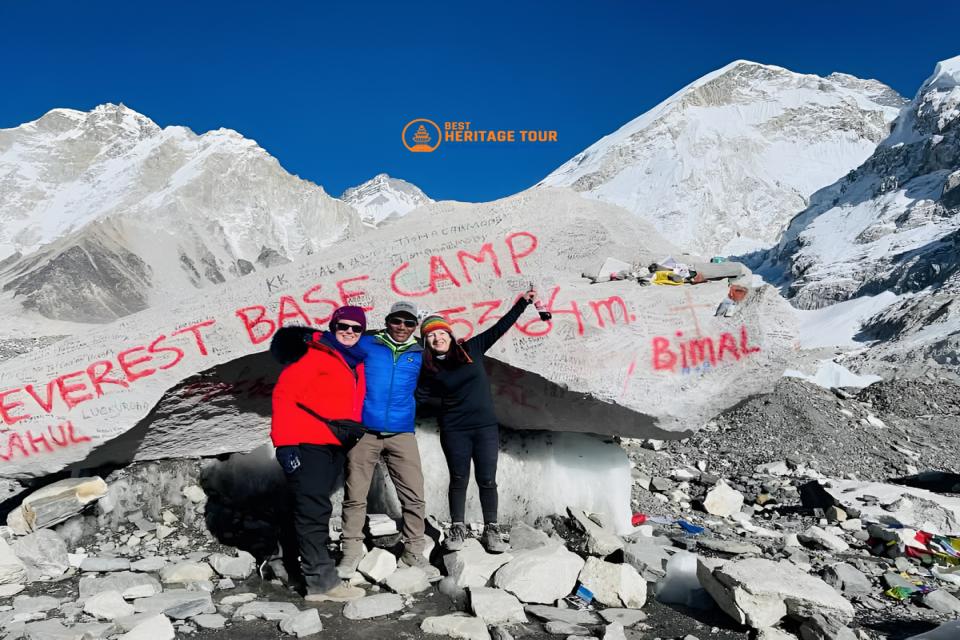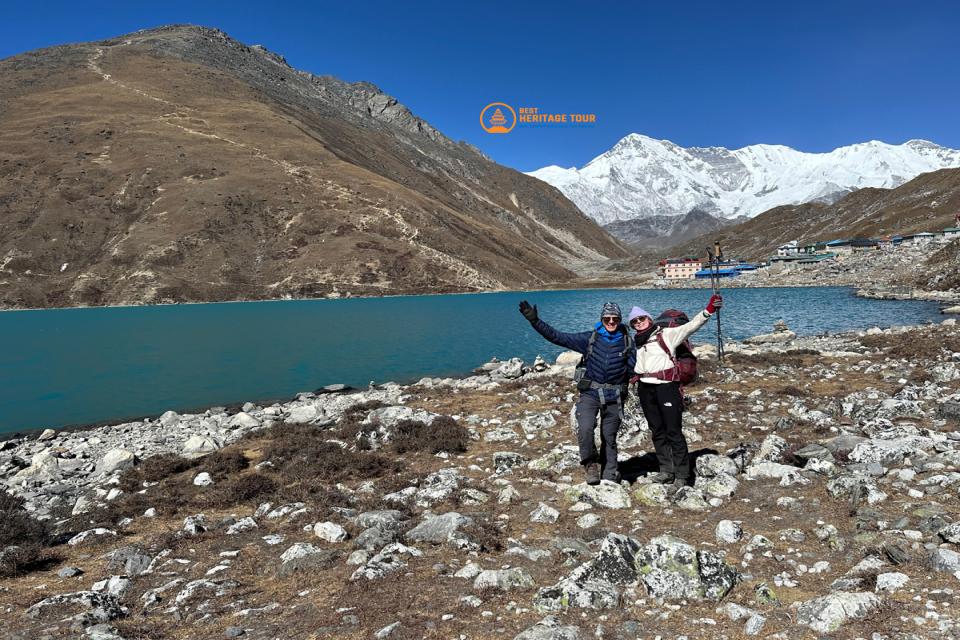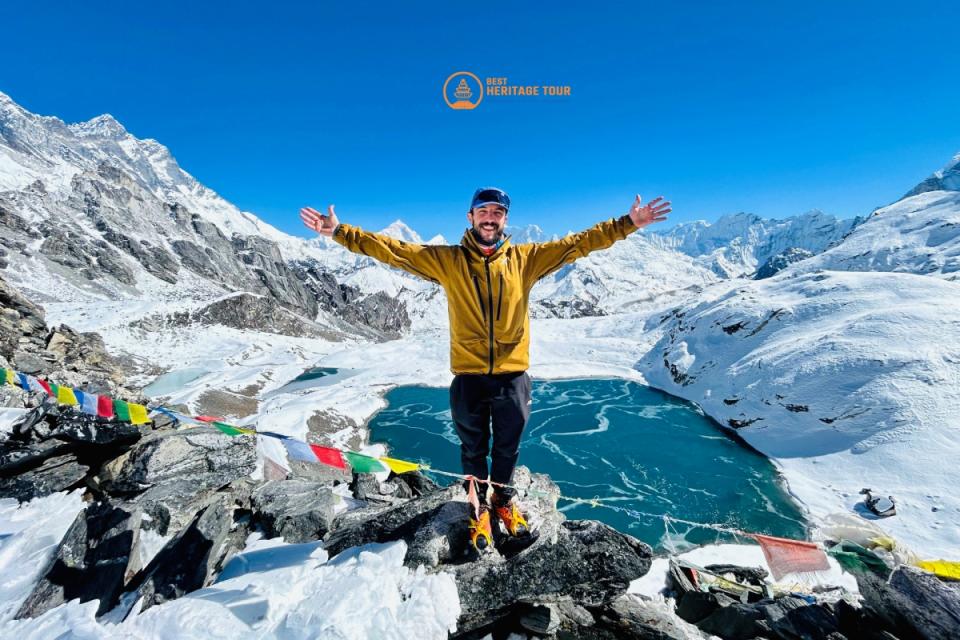
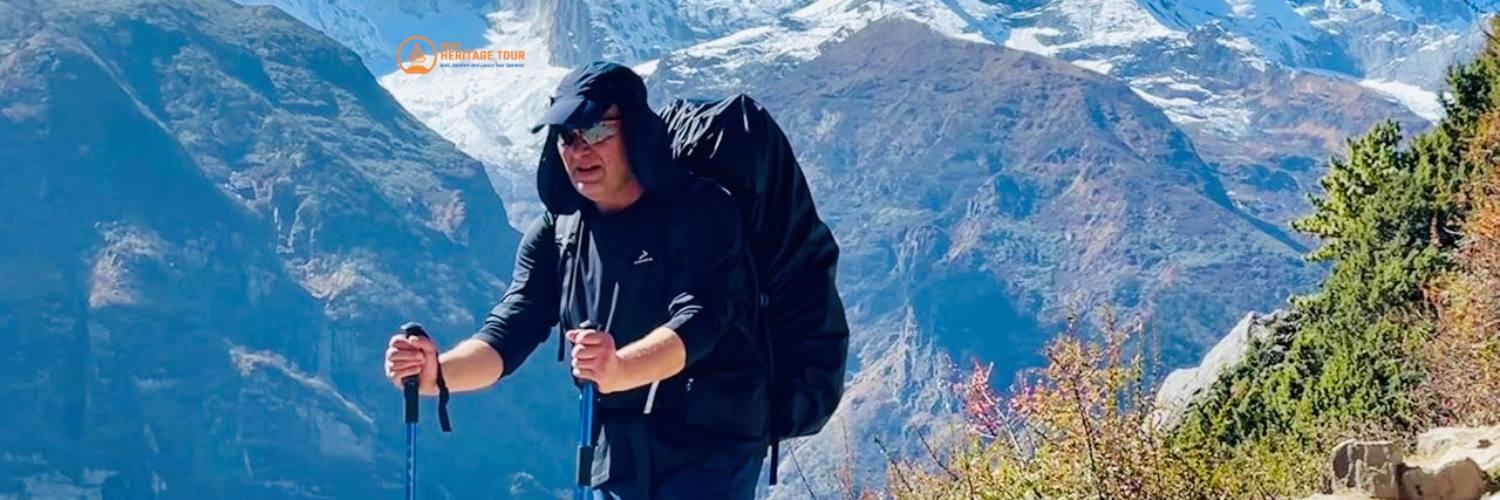
The allure of Mount Everest, the majestic Sagarmatha, is a constant draw for adventurers worldwide. While the peak seasons of Spring (March to May) and Autumn (September to November) see a bustling Khumbu region, there exists a profound, transformative experience reserved for those who dare to venture into the Himalayas when the world is at its coldest: the Everest Base Camp Trek in Winter.
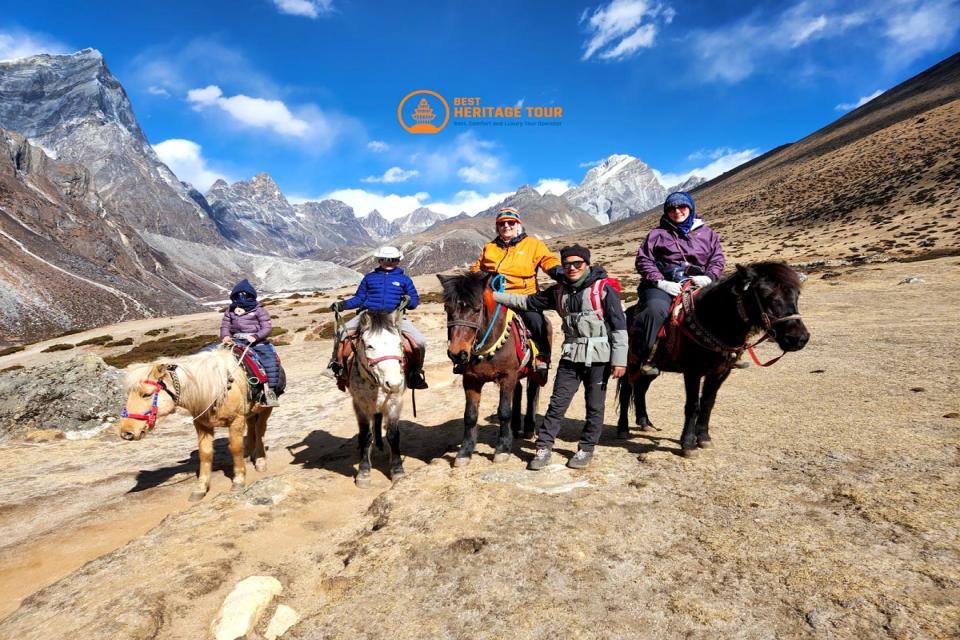
For the dedicated trekker, the winter months - specifically December, January, and February - offer a reward that few ever witness. It is a time of solitude, where the trails are quiet, the air is crisp, and the mountain views are so clear they feel impossibly close. The landscape transforms into a breathtaking, pristine white canvas, offering unparalleled photographic opportunities and a deep, intimate connection with the Sherpa heartland.
At Best Heritage Tour, we specialize in crafting challenging yet supremely safe and memorable winter trekking adventures. We know this region year-round, and we understand what it takes to conquer the cold to claim the silence and beauty of the high Himalayas. This comprehensive guide, forged from years of experience, will equip you with all the knowledge, preparation, and insight needed to successfully undertake the EBC trek in winter.
Why Choose the EBC Trek in Winter? Pros and Cons of a High-Altitude Winter Adventure
Choosing to trek to Everest Base Camp during the winter is a significant decision that requires serious commitment and preparation. However, the rewards far outweigh the challenges for those who seek them. Below, we break down the critical advantages and disadvantages of winter trekking in Nepal to help you make an informed choice.
The Unparalleled Advantages (Pros)
The winter journey offers a unique set of benefits that are simply unavailable during the peak seasons:
-
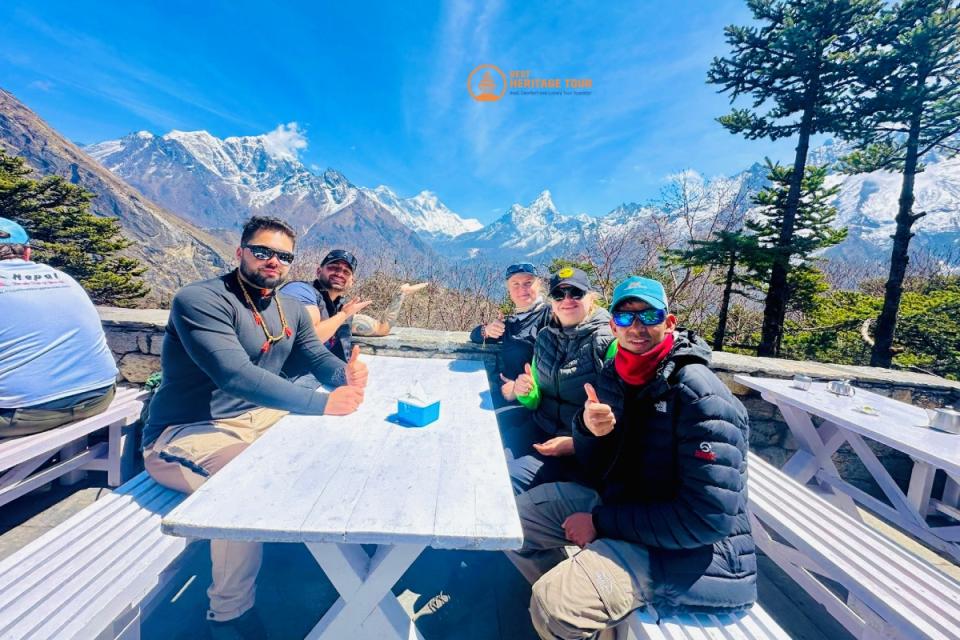
Crystal-Clear Mountain Views: This is arguably the biggest draw. The cold, dry air of winter sweeps away the dust and haze prevalent in other seasons. The result is breathtaking, high-definition panoramic vistas of Everest, Lhotse, Nuptse, Ama Dablam, and the entire Khumbu range. Every day is a photographer's dream.
-
Ultimate Solitude and Quiet Trails (Fewer Crowds): As the winter season is the official trekking 'off-season,' the notorious crowds of October are gone. You will experience the sacred Khumbu trails in a state of near-pristine silence, fostering a deeper, more meditative trekking experience and allowing for genuine interaction with the local Sherpa community.
-
Better Accommodation Availability: With fewer trekkers, you won't have to worry about finding space in the teahouses. While some high-altitude lodges close, those that remain open are less busy, often offering trekkers better service and sometimes even private rooms without extra charge.
-
No Precipitation (Mostly Dry Snow): Unlike the monsoon, which brings continuous rain, winter is generally very dry. While snow is guaranteed at higher elevations, it is typically dry powder, and the chances of heavy, itinerary-disrupting snow are lower than many imagine, especially in early December.
-
Direct Kathmandu-Lukla Flights: In the peak seasons, flights to Lukla often have to be diverted to Ramechhap to manage air traffic. In the quieter winter, however, you have a much higher chance of flying directly from Kathmandu, saving a long and bumpy 4-6 hour pre-dawn drive.
The Significant Challenges (Cons)
The primary hurdle for the EBC trek in winter is the intense cold, demanding proper preparation and mental fortitude.
|
Challenge (Con) |
Details and Impact on Trekking |
|---|---|
|
Extreme Cold Temperatures |
The most significant challenge. Temperatures drop dramatically, especially at night. High-altitude locations like Lobuche and Gorak Shep can see nighttime lows plummeting to -20°C (-4°F) or lower. Daytime walking is manageable, but evenings and early mornings are frigid. |
|
Shorter Trekking Days |
Winter days are shorter, with limited daylight hours. This necessitates earlier starts and requires trekkers to maintain a steady pace to reach the next teahouse before dusk. |
|
Icy and Snowy Trails |
Above 4,000 meters, the paths will be covered in compact snow and ice. This makes the trail slippery, increasing the risk of falls and demanding careful footing, often requiring the use of micro-spikes or high-quality trekking poles. |
|
Limited Teahouse Facilities |
Not all teahouses remain open, and those that do will rarely offer indoor heating outside of the communal dining hall. Running water may be frozen, and hot showers (if available) are an expensive luxury. |
|
Risk of Lukla Flight Delays |
While the risk of delays due to crowds is lower, the risk of delays or cancellations due to fog, snow, or high winds is increased, especially in January and February. Best Heritage Tour always builds necessary buffer days into our winter itineraries. |
Everest Base Camp Winter Weather: A Month-by-Month Breakdown
Understanding the specific weather patterns of December, January, and February is crucial for preparing for your Everest Base Camp trek in winter. While the entire period is cold, each month has subtle differences.
1. December: The Transition to Winter (Best Time for Winter Treks)
-
Characteristics: Crisp, clear, and manageable cold, especially in the first half of the month. Snow begins to accumulate above 4,500m towards the end of December.
-
Temperature (Gorak Shep, 5,170m): Daytime: 0°C to 5°C (32°F to 41°F). Nighttime: -10°C to -18°C (14°F to 0°F).
-
Visibility: Exceptional. Highly recommended for photography enthusiasts.
2. January: The Coldest Peak (The True Winter Challenge)
-
Characteristics: The absolute peak of the cold season. Expect significant snow on the ground from Namche Bazaar upwards. Many local operators and trekkers take a break during this month.
-
Temperature (Gorak Shep, 5,170m): Daytime: -5°C to 0°C (23°F to 32°F). Nighttime: -15°C to -25°C (5°F to -13°F).
-
Visibility: Remains excellent due to the dry, cold air. The scenery is arguably the most spectacular, blanketed entirely in white.
3. February: Waiting for Spring (The Gradual Thaw)
-
Characteristics: Still severely cold, particularly in the early part of the month. However, days begin to lengthen, and temperatures start to rise marginally by the last week, signaling the approach of the spring shoulder season.
-
Temperature (Gorak Shep, 5,170m): Daytime: -2°C to 3°C (28°F to 37°F). Nighttime: -15°C to -22°C (5°F to -8°F).
-
Visibility: Very good, though high winds can sometimes create brief white-out conditions at higher passes.
The Essential Winter Trekking Packing List: Conquering the Cold
For a successful and safe EBC trek in winter, your gear is not just about comfort - it is a critical safety consideration. Layering is paramount. You need high-quality, insulated gear suitable for sub-zero temperatures.
Clothing: The Three-Layer System
|
Layer Type |
Item Description |
Winter Specificity / Requirement |
|---|---|---|
|
Base Layer (Wicking) |
Thermal tops and bottoms (3-4 pairs) |
Merino Wool or high-quality synthetic. Must wick sweat away from the body to prevent hypothermia. |
|
Mid-Layer (Insulation) |
Fleece jacket, trekking shirts, warm trekking trousers |
Heavy fleece or synthetic insulation. Quick-drying and breathable for active trekking. |
|
Outer Shell (Protection) |
Waterproof/Windproof Jacket & Pants |
Gore-Tex or equivalent. Must be fully windproof and water-resistant to protect against high-altitude gusts and snow. |
|
Core Insulation (High-Altitude) |
Down Jacket (Heavyweight) |
Must be rated for at least -20°C to -30°C. Essential for evenings, mornings, and the final push to EBC/Kala Patthar. |
Head, Hands, and Feet
These are the most vulnerable parts of your body to frostbite and require meticulous protection.
-
Head: Woolen or Fleece Beanie (covers ears), Neck Gaiter/Balaclava (essential for wind/face protection), Wide-brimmed Hat (for sunny days).
-
Hands: Inner Thermal Gloves (wool/fleece) + Heavyweight Insulated, Waterproof Outer Mittens or Gloves. Mittens are often warmer than gloves.
-
Feet: Thermal Socks (5-6 pairs, Merino wool), Insulated, Waterproof Trekking Boots (must be well broken-in and have high ankle support), Gaiters (to keep snow out of your boots).
Essential Gear & Miscellaneous
-
Sleeping Bag: Crucially important. You will need a high-quality bag rated for at least -20°C (-4°F), or ideally -25°C to -30°C if you get cold easily. Teahouse blankets are usually not enough.
-
Trekking Poles: Essential for stability on slippery, icy, and snowy trails.
-
Microspikes: Lightweight cleats that slip over your boots. Highly recommended for navigating the ice patches common above Dingboche.
-
Sunglasses: Category 3 or 4 UV protection. The glare from the sun on the snow is intense and can cause 'snow blindness' if unprotected.
-
Water Bottles/Thermos: Two 1-litre bottles or a hydration bladder, plus a Thermos flask for carrying warm water or hot tea - a game-changer in winter.
-
Sunscreen and Lip Balm (High SPF): Essential, as the sun's intensity at altitude is magnified, especially with snow reflection.
Expert Tip from Best Heritage Tour: In winter, water purification drops/tablets are preferable to filters, as filters can freeze and crack. Also, keep all electronic batteries, including your phone, in an inner jacket pocket to conserve battery life in the extreme cold.
Safety and Logistics: Navigating the Winter-Specific Risks
Trekking in the Khumbu region always carries inherent risks, primarily related to altitude. In winter, these risks are compounded by the cold. Our commitment at Best Heritage Tour is to mitigate these risks through professional guidance, planning, and education.
1. Altitude Sickness (Acute Mountain Sickness - AMS)
The risk of AMS is constant, regardless of the season. However, the cold can sometimes mask symptoms, and the body expends more energy trying to stay warm, which can affect acclimatization.
-
Our Protocol: We follow the universally accepted "climb high, sleep low" rule and include mandatory acclimatization days in Namche Bazaar (3,440m) and Dingboche (4,410m).
-
Key Action: Never rush. Our winter itineraries are designed to be slightly longer, allowing a safer, slower ascent rate. Hydration with warm fluids is critical.
2. Cold-Related Injuries (Frostbite and Hypothermia)
This is the most serious EBC winter trek concern. Fingers, toes, ears, and the nose are most susceptible.
-
Prevention: Layering, as detailed above. Always check your extremities and those of your trekking partner/group. Change wet socks immediately, even if they are only damp from sweat.
-
Guide Role: Our licensed Nepali guides are trained to spot the early signs of frostbite and hypothermia and carry emergency first-aid equipment, including warm packs and essential medical supplies.
3. Trail Conditions and Avalanche Risk
Higher elevations, particularly the segment between Lobuche and Gorak Shep, and the approach to Kala Patthar, will be snow-covered and icy.
-
Best Practice: Utilize trekking poles and microspikes (mandatory for Best Heritage Tour groups in winter). Move slowly and deliberately.
-
Avalanche: While the main EBC route is generally safe from large avalanches, minor snow slips can occur. Never leave the established path, and always follow the guidance of your experienced Sherpa guide, who knows the local conditions and dangers intimately.
4. Lukla Flight Contingency
Winter weather - fog in Kathmandu/Lukla or wind/snow in Lukla - can cause flight delays and cancellations.
-
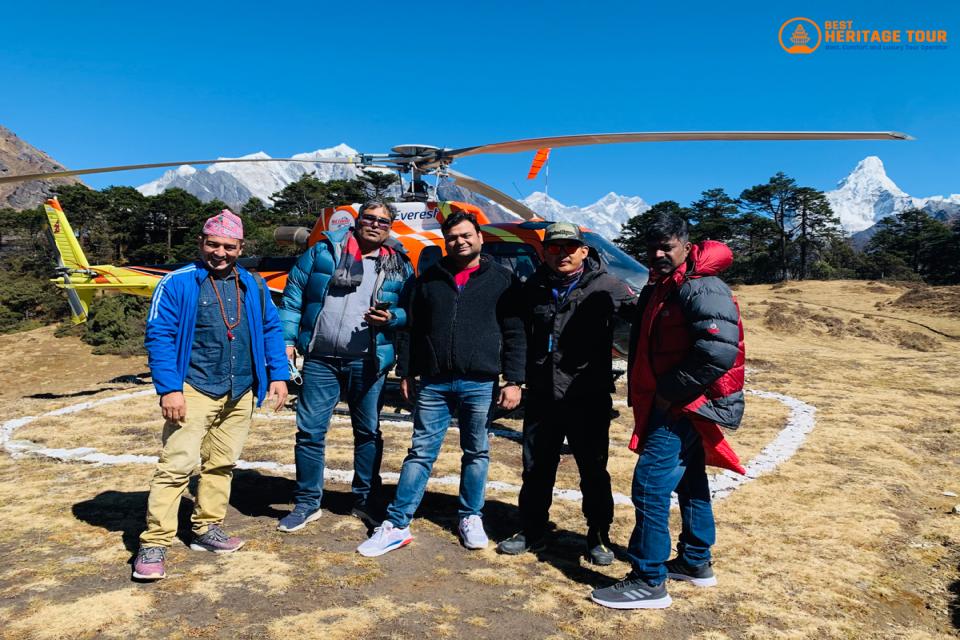
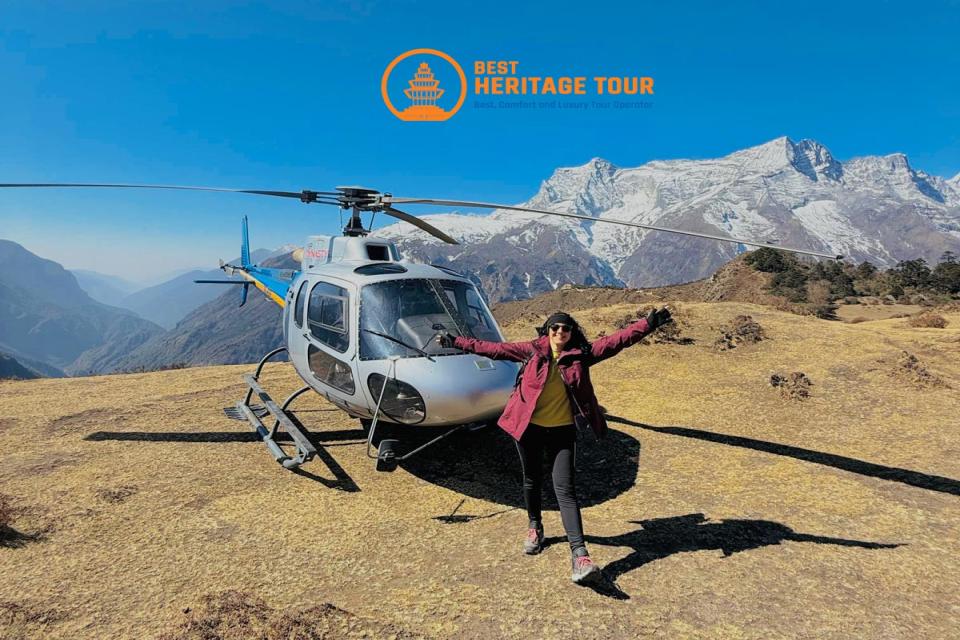
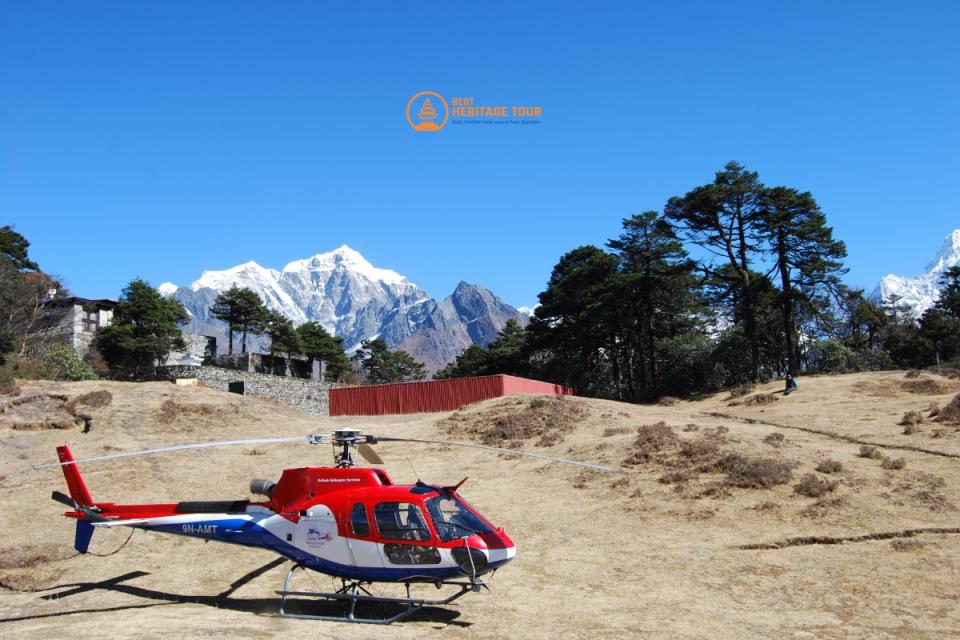
Our Solution: We recommend adding at least 1-2 buffer days to your itinerary to account for potential delays. In the case of severe, multi-day delays, we arrange for helicopter flights (often at a premium cost) to ensure your international travel plans are not disrupted. Travel insurance covering helicopter evacuation and flight delays is non-negotiable for a winter EBC trek.
Life on the Winter Trail: Teahouses, Food, and Sherpa Hospitality
Despite the remote location and the cold, the Everest region’s unique infrastructure - the teahouse network - makes a winter trek highly feasible.
Teahouse Life in Winter
-
Communal Warmth: The dining hall is the heart of the teahouse. In winter, this room is heated by a single, central stove (often fired with yak dung or kerosene) from late afternoon until bedtime. Trekkers congregate here, sharing stories and warmth. Your cold room will only be for sleeping.
-
The Food (Dhal Bhat Power!): The staple Dhal Bhat (rice, lentil soup, and curry) is the best choice for energy and cost. Other meals like noodles, potatoes, and bread are available. Crucially, avoid meat at high altitudes in winter as refrigeration is minimal. Order plenty of hot, nourishing soups (garlic soup is great for altitude!) and ginger tea.
-
Water: Water sources can freeze. Teahouses will provide safe, boiled drinking water, which you should store in your thermos to prevent freezing on the trail. Never rely on tap water above Namche.
Connecting with the Local Sherpa Community
One of the most cherished aspects of the EBC trek in winter is the genuine, unhurried interaction with the local Sherpa people. With fewer trekkers, teahouse owners and staff have more time to share their culture, stories, and genuine Himalayan hospitality. It is a quieter, more personal glimpse into their resilient way of life.
Practical Considerations: Cost, Permits, and Finding the Right Partner
The Everest Base Camp trek in winter demands a higher standard of service and safety, making a well-vetted, local company partner like Best Heritage Tour the most prudent choice.
Essential Permits
You will require two main permits, easily acquired in Kathmandu or along the trail with a reputable agency:
-
Sagarmatha National Park Entry Permit: The fee is approximately NPR 3,000 (around 30 USD).
-
Khumbu Pasang Lhamu Rural Municipality Entrance Permit: The fee is approximately NPR 2,000 (around 20 USD).
Note: Since April 2023, the use of a professional guide for trekking in Nepal is legally mandatory, eliminating the option for solo/independent trekking on the EBC route.
Final Thoughts: Claiming the Everest Winter Silence
The Everest Base Camp Trek in Winter is not for the faint of heart, but it is unequivocally the most rewarding and visually stunning way to experience the Khumbu region. It is a journey for the dedicated, the patient, and the prepared.
You will trade the temperate comfort of peak season for the deep silence of a landscape transformed by snow and ice. You will find yourself dwarfed by mountains so sharp and clear they defy belief, a solitary figure in the grand cathedral of the Himalayas. This is more than a trek; it is a pilgrimage into the heart of a frozen wilderness that few people will ever know.
The team at Best Heritage Tour is composed of seasoned Himalayan professionals who live and breathe this environment. We have successfully led countless trekkers through the challenges of winter, ensuring their safety while unlocking this extraordinary beauty. We provide the essential high-quality gear rentals, the expert local guides, and the meticulous planning required to turn this formidable challenge into the adventure of a lifetime.
If you are ready to answer the call of the magnificent, silent, and snowy Himalayas, we are ready to guide your every step.
Book Your Pristine Winter EBC Trek Today
Best Heritage Tour is committed to making your Everest Base Camp Trek in Winter safe, comfortable, and unforgettable.
Contact us now to discuss your winter itinerary, gear requirements, and safety protocols.
Phone / WhatsApp / Viber: +977-9851149197 / +977-9810043046
Email: info@bestheritagetour.com / bestheritagetour@gmail.com
Website: www.bestheritagetour.com
Office: Thamel Marg, Kathmandu, Nepal
We look forward to guiding you to the foot of the world's highest peak.
Author: Best Heritage Tour
Date: 10th December, 2025