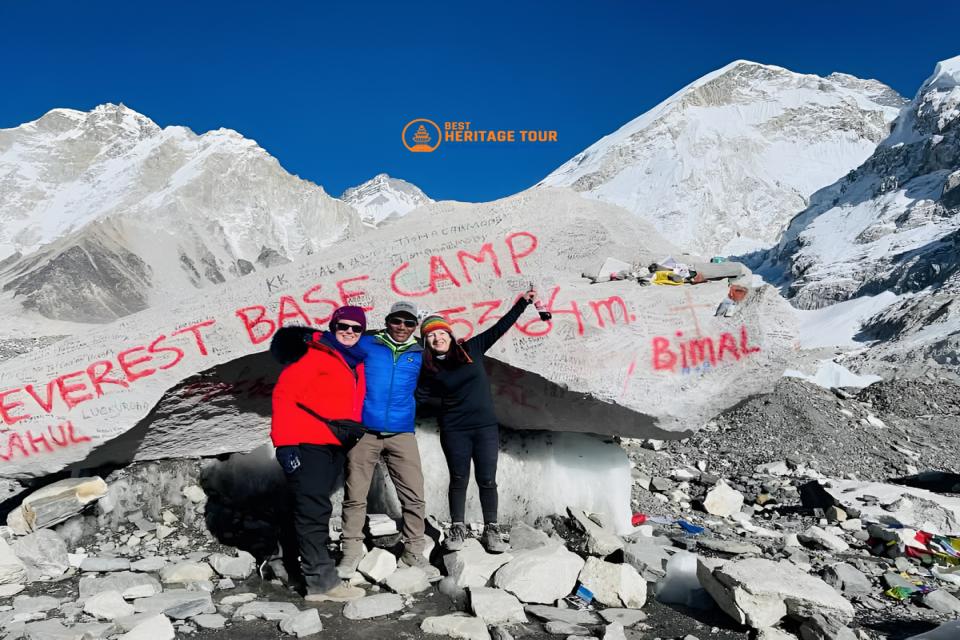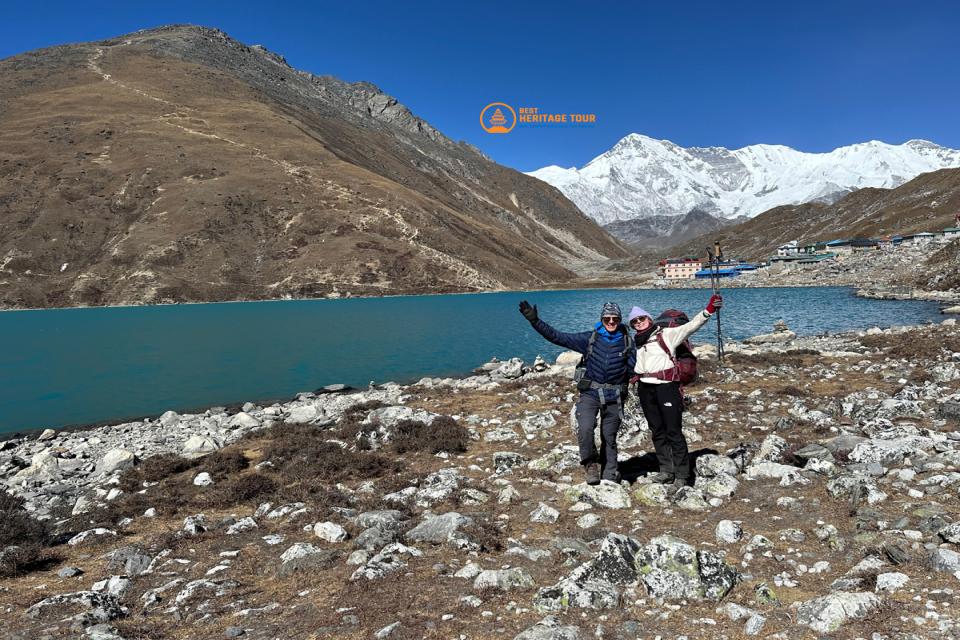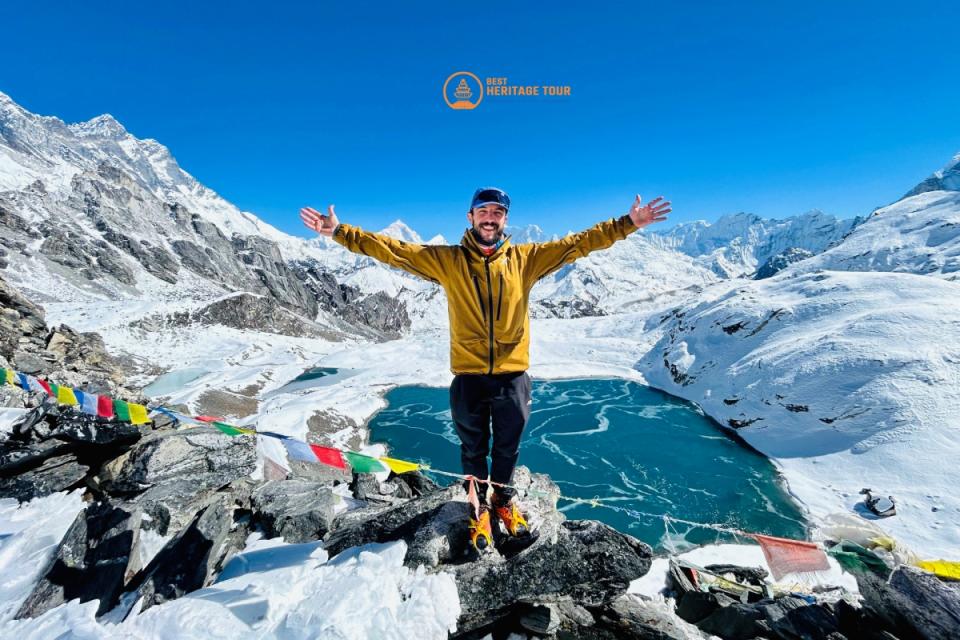
The dream of standing beneath Mount Everest is often clouded by a single intimidating question: "Am I fit enough to trek to Everest Base Camp (EBC)?"
The great news is that the EBC trek is an achievable goal for any beginner with a reasonable level of fitness, provided they commit to a smart, progressive training and preparation plan. You do not need to be a mountaineer or marathon runner. You simply need endurance, strong legs, and the patience to listen to your body and your guide.
This definitive guide, crafted by the experts at Best Heritage Tour, provides a detailed, 6-month blueprint covering everything a first-time trekker needs to succeed: from cardiovascular conditioning and strength training to gear selection and mental fortitude.
Part I: Understanding the Everest Base Camp Challenge
Before beginning your training, you must understand exactly what the 14-day EBC trek demands of your body. It is not a technical climb, but an endurance challenge compounded by extreme altitude.
A. The Core Demands of the EBC Trail
|
Demand |
Physical Requirement |
Why It’s Important |
|---|---|---|
|
Duration |
12-14 days of consecutive trekking. |
Requires exceptional Endurance and mental resilience. |
|
Daily Activity |
5-8 hours of walking per day (approx. 10-15 km). |
Requires sustained Cardiovascular Stamina to handle continuous movement. |
|
Elevation Gain |
Average 300-500m (1,000-1,600 ft) gain in sleeping altitude per day. |
Requires excellent Acclimatization and a high degree of Cardiovascular Efficiency. |
|
Altitude Range |
From Lukla (2,840m) to Kala Patthar (5,550m). |
The Thin Air (less than 50% sea level oxygen at EBC) is the biggest challenge, making fitness even more vital. |
|
Terrain |
Uneven, rocky, steep ascents/descents, wide river crossings, and moraine (rocky) trails. |
Requires strong Core Stability,Balance, and robust Ankle/Knee Strength. |
B. What is "Beginner Fitness" for EBC?
If you can comfortably walk for 3-4 hours on hilly terrain without severe discomfort, you have a solid fitness base. The goal of the 6-month plan is to double that endurance, build specific leg strength, and enhance your body's efficiency in using oxygen.
Part II: The 6-Month Progressive Training Plan
The key to preparing for EBC is consistency and gradual progression. Break your training into three focused phases: Foundation, Endurance, and Specificity.
Phase 1: The Foundation (Months 6 to 4 Before Trek)
Goal: Build a consistent fitness habit and basic aerobic base.
|
Focus Area |
Activity |
Frequency |
Duration/Intensity |
|---|---|---|---|
|
Cardiovascular |
Brisk walking, light jogging, cycling, or swimming. |
3-4 times per week |
30-45 minutes at a sustained, conversational pace. |
|
Strength |
Bodyweight exercises: Squats, Lunges, Push-ups. |
2 times per week |
3 sets of 10-15 repetitions. |
|
Flexibility |
Basic stretching, Yin Yoga, or foam rolling. |
Daily or after every workout |
10 minutes focused on hips, hamstrings, and calves. |
Pro Tip: Begin wearing your new, un-broken-in trekking boots around the house and on short walks to start the break-in process early.
Phase 2: Endurance and Strength (Months 3 to 2 Before Trek)
Goal: Increase duration, introduce hill work, and build muscle endurance with weight.
|
Focus Area |
Activity |
Frequency |
Focus/Progression |
|---|---|---|---|
|
Cardiovascular |
Increase running/cycling time; focus on Incline Walking (treadmill or stair-stepper). |
4-5 times per week |
45-60 minutes. If on a treadmill, use a 10-15% incline. |
|
Strength |
Introduce Step-Ups,Calf Raises, and Deadlifts (light weight). |
3 times per week |
Focus on high reps (15-20) to build muscular endurance, not bulk. |
|
Hiking Simulation |
Hiking on uneven, hilly terrain. |
1 day per week (weekend) |
3-4 hours. Start carrying a light daypack (5 kg) and practice with your trekking poles. |
Phase 3: Trek Specificity and Taper (Month 1 to Departure)
Goal: Simulate trekking conditions, test gear, and allow the body to rest before the flight.
|
Focus Area |
Activity |
Frequency |
Focus/Progression |
|---|---|---|---|
|
Long Endurance Hike |
Hike on varied, challenging terrain. |
2 times per week |
5-8 hours. Hike on back-to-back days (Saturday/Sunday) with your fully loaded daypack (6-8 kg) to simulate trekking days. |
|
Strength/Core |
Core exercises (Planks, Russian Twists); light maintenance strength. |
2 times per week |
Focus on stability and balance exercises (standing on one leg, heel-to-toe walking). |
|
Taper (Final Week) |
Rest! Very light walking, stretching, and complete rest. |
6 days rest |
Allow your muscles to fully recover. Avoid any heavy lifting or strenuous exercise to prevent pre-trek injury. |
Part III: The Mental & Altitude Strategy
Physical fitness is only half the battle. High-altitude trekking is often a mental game of patience and self-discipline.
A. The Mental Fortitude Challenge
There will be days you feel cold, tired, and mentally drained. Prepare for this by:
-
Goal Segmentation: Break the trek down. Instead of thinking about EBC, focus only on the next teahouse, or the next hour, or the next bend in the trail.
-
Realistic Expectations: Accept that the accommodations are basic, and you will not have all the comforts of home. Embrace the simplicity and the challenge.
-
Positive Visualization: Spend 10 minutes daily visualizing yourself successfully completing the difficult sections and standing triumphantly at Base Camp.
B. The Altitude Acclimatization Rules (The Golden Rule)
No amount of training can truly prepare you for altitude; only a slow, progressive ascent can. This is why Best Heritage Tour's itinerary is optimized for safety.
-
Ascend Gradually: We strictly adhere to the rule of "climb high, sleep low" on acclimatization days (e.g., Namche Bazaar and Dingboche), which means hiking up to a higher point and returning to the lower village to sleep.
-
Walk Slow: Your guide will set a pace (the "Sherpa Shuffle"). It will feel painfully slow at first, but this consistent, gentle pace is the single best defense against Acute Mountain Sickness (AMS). Never push your pace.
-
Hydrate Constantly: Aim to drink 3-4 liters of fluid (water, herbal tea, soup) daily. Dehydration thickens the blood and compounds AMS symptoms. Avoid alcohol and smoking entirely during the trek.
-
Know the Symptoms: Be honest with your guide about headaches, nausea, or dizziness. Ignoring AMS is the only way it becomes life-threatening (HACE/HAPE).
Part IV: Essential Gear Preparation (Feet First)
The right gear, especially footwear, can make the difference between a successful journey and a miserable one.
1. The Most Important Item: Trekking Boots
|
Rule |
Action |
Rationale |
|---|---|---|
|
Buy Early |
Purchase your boots at least 6 months before the trek. |
You must have time to fully break them in to prevent painful, debilitating blisters. |
|
Fit & Quality |
Choose waterproof, ankle-supporting boots. |
Provides stability on uneven, rocky trails and keeps feet dry in snow/rain. |
|
Socks |
Invest in high-quality merino wool or synthetic trekking socks (2-3 pairs). |
Wool wicks moisture, regulates temperature, and reduces the risk of blisters better than cotton. |
2. Layering System
The weather in the Himalayas changes rapidly, often multiple times per day. Your gear must be based on a flexible three-layer system:
-
Base Layer (Wicking): Merino wool or synthetic long-sleeve shirts and leggings to pull sweat away from the body.
-
Mid-Layer (Insulation): Fleece jacket or vest for warmth.
-
Outer Layer (Protection): Waterproof and windproof shell jacket and trousers to protect against rain, snow, and severe wind chill, especially above 4,500m.
3. The Daypack
You will carry your own daypack (30-40 liters) containing water, snacks, rain gear, camera, and essential personal items. Ensure your training replicates carrying this weight (6-8 kg) consistently.
Conclusion: You are Ready to Begin Your Journey
The journey to Everest Base Camp is the ultimate high-altitude test, and it starts long before your flight lands in Lukla. By committing to this 6-month progressive plan - focusing on cardiovascular endurance, lower-body strength, and mental resilience - you equip yourself with the tools needed to enjoy the beauty of the Khumbu Valley safely and successfully.
Remember, fitness reduces risk and enhances enjoyment, but the most crucial element remains a sensible, safety-focused itinerary managed by experts.
Best Heritage Tour provides that expert support - licensed guides, optimized acclimatization schedules, and all necessary safety protocols - so you can focus entirely on the trek itself.
Begin your training today, and let Best Heritage Tour guide you safely to the foot of the world's highest peak!
Phone / WhatsApp / Viber: +977-9851149197 / +977-9810043046
Email: info@bestheritagetour.com / bestheritagetour@gmail.com
Website: www.bestheritagetour.com
Location: Thamel Marg, Kathmandu, Nepal
Author: Best Heritage Tour
Date: 1st December, 2025