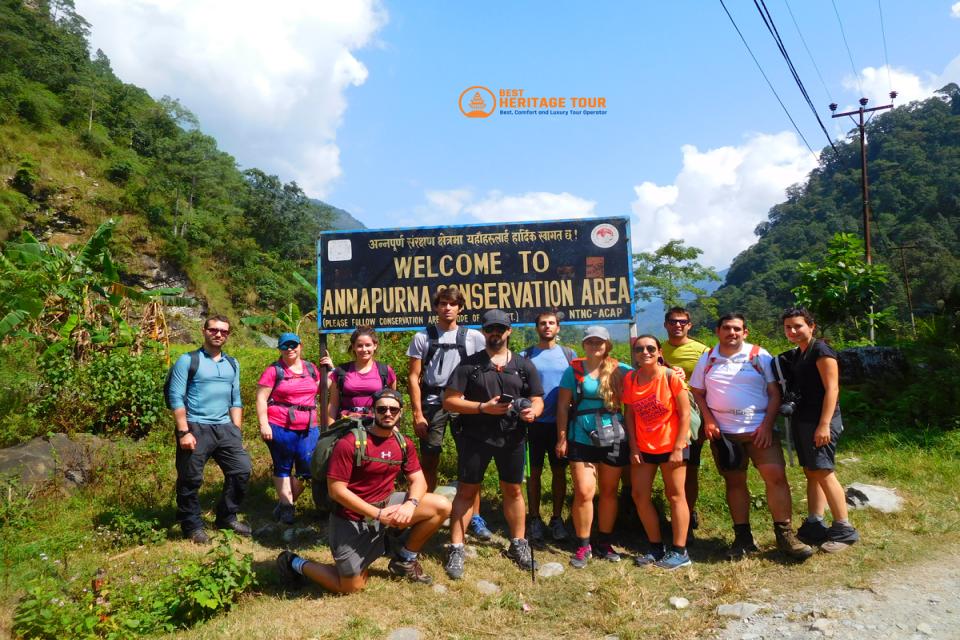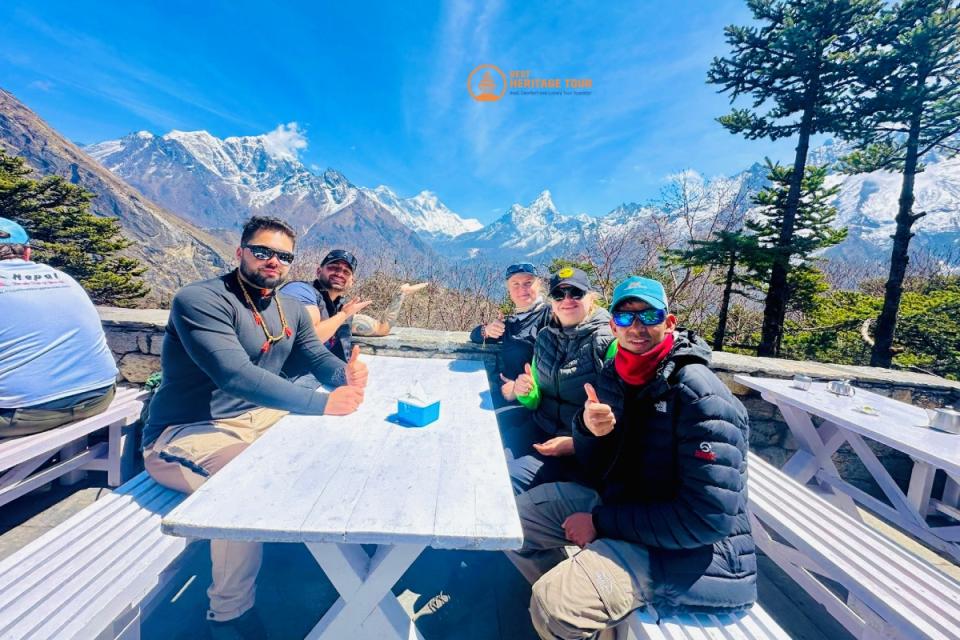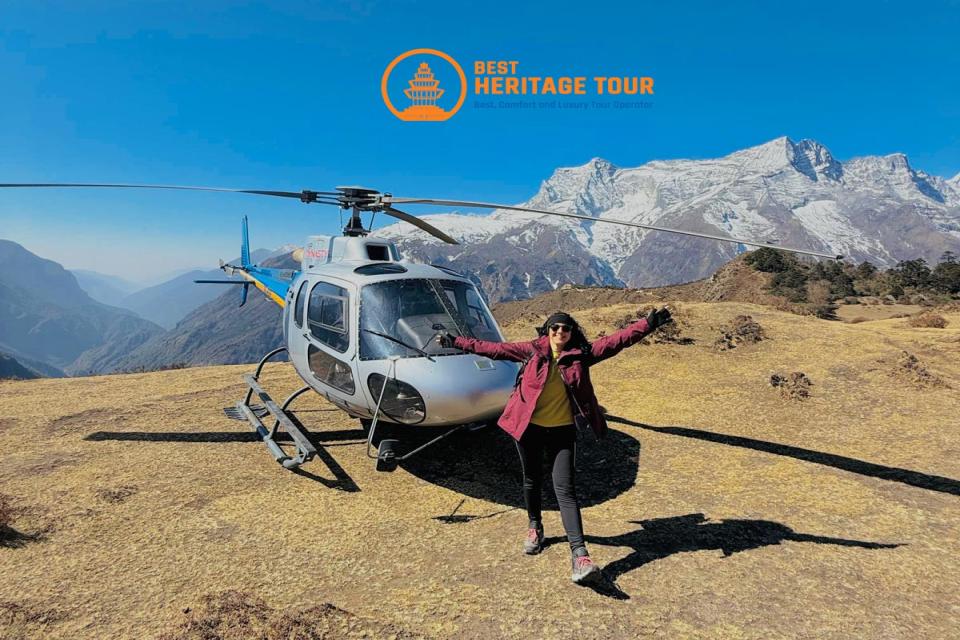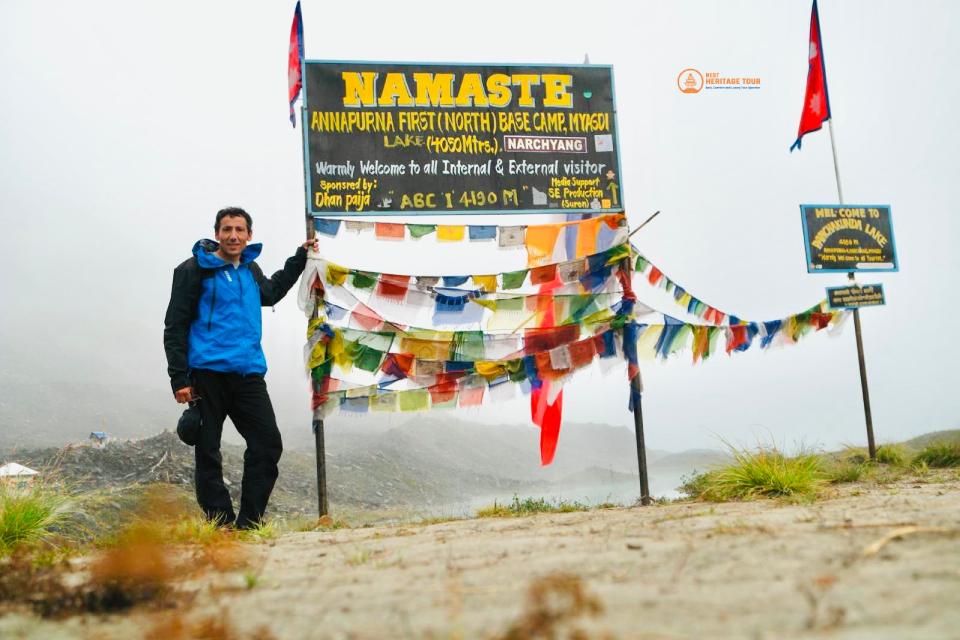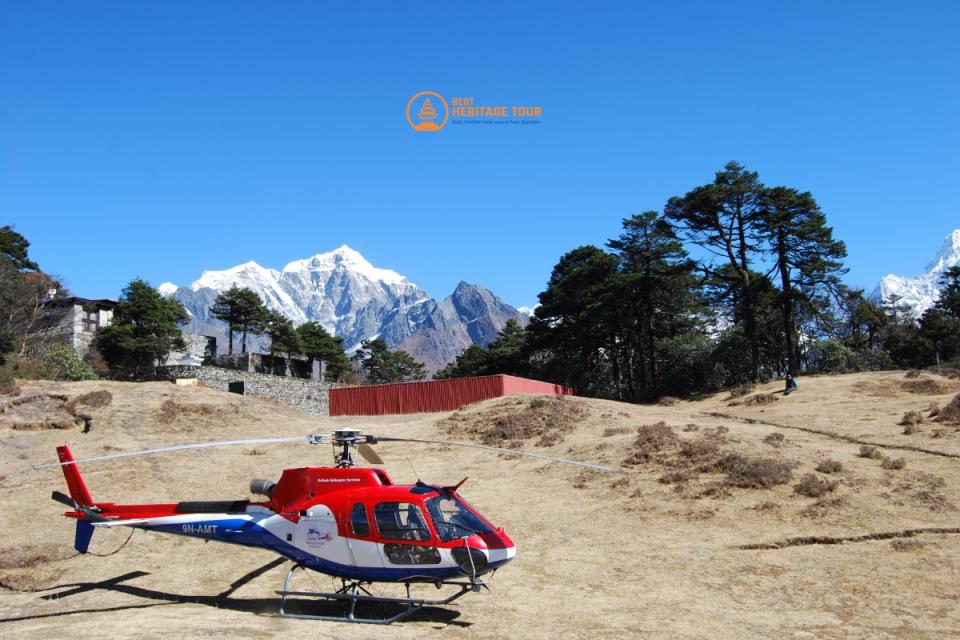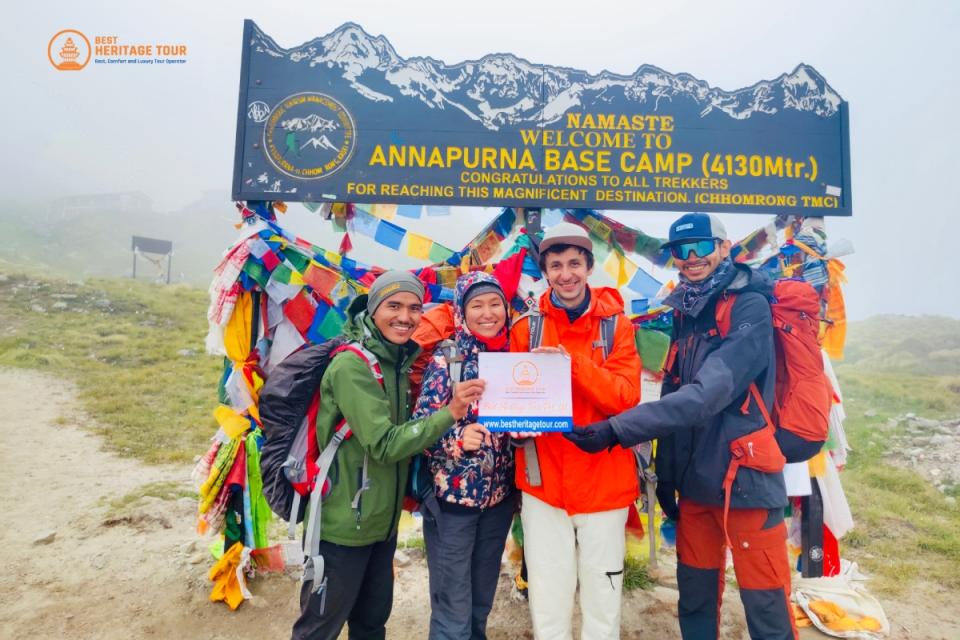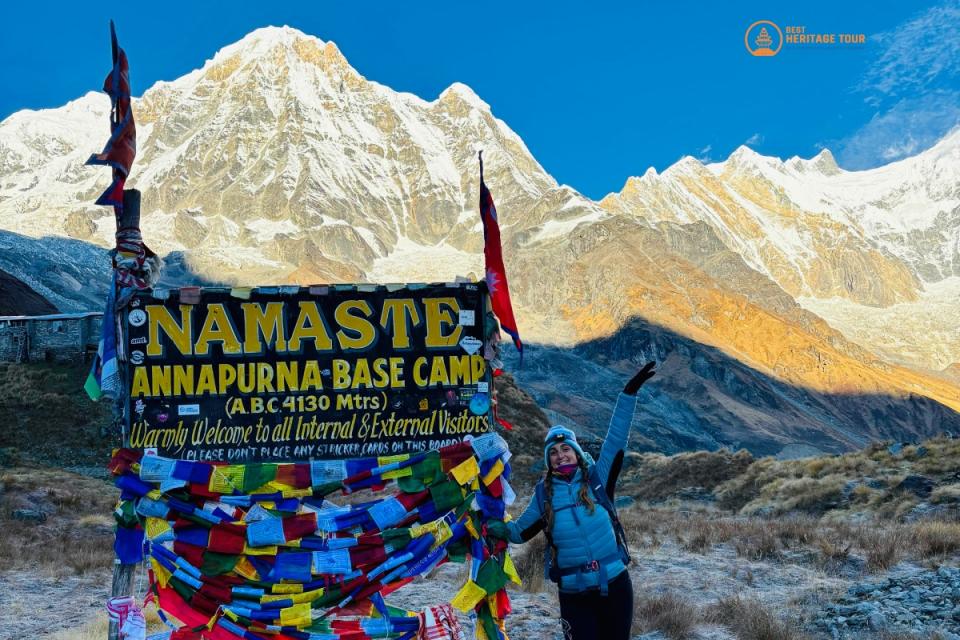
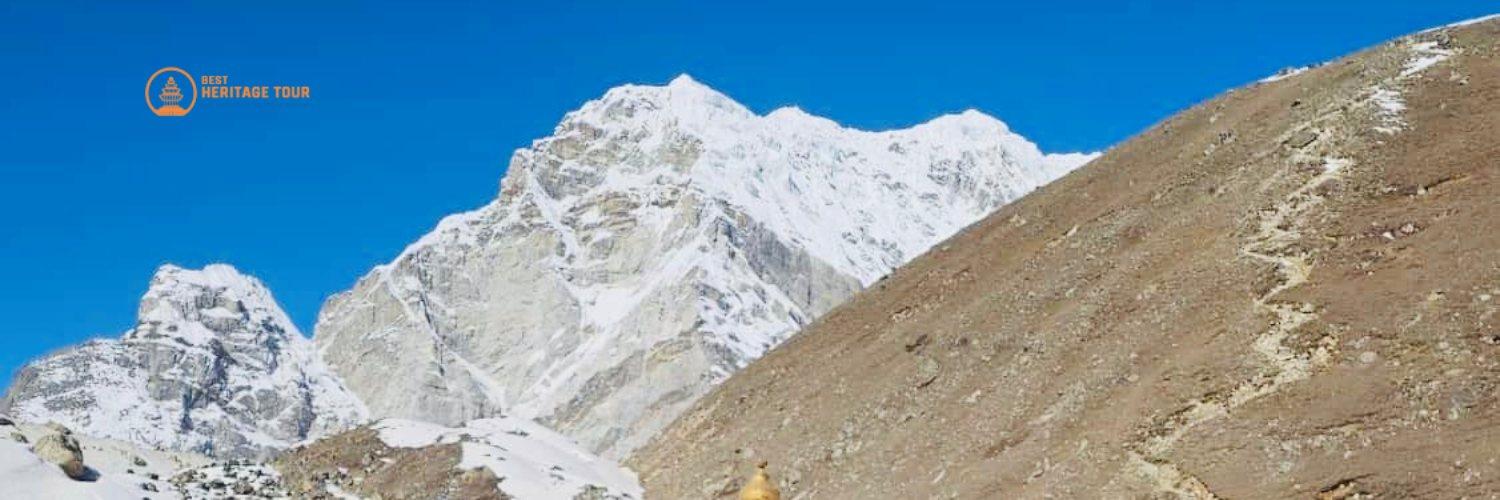
As a local trekking company, we have led the trekkers to both the hallowed grounds of the Everest region and the lush, diverse trails of the Annapurna region. These are not just treks; they are pilgrimages. They are bucket-list defining journeys that draw millions of dreamers, adventurers, and spiritual seekers to Nepal every year.
And yet, for nearly every aspiring Himalayan trekker, the same fundamental question creates a beautiful kind of tension: Should I choose the Everest Base Camp (EBC) Trek or the Annapurna Base Camp (ABC) Trek?
Choosing between the two most iconic treks in the world’s most spectacular mountains is a monumental decision. Each offers a unique window into the Himalayan heart, distinct landscapes, different cultural experiences, and, crucially, varying levels of challenge. One is the ultimate badge of high-altitude adventure; the other is a showcase of Nepal’s breathtaking biodiversity and cultural harmony.
This comprehensive guide, brought to you by Best Heritage Tour, will serve as your definitive comparison. We will cut through the myths and give you the raw, factual, and experience-driven breakdown of EBC vs. ABC across seven critical dimensions - from altitude and difficulty to culture and cost - ensuring you choose the Himalayan journey that is absolutely right for you.
I. The Altitude Showdown: High-Altitude Test vs. High-Stamina Grind
When comparing Everest Base Camp (EBC) vs. Annapurna Base Camp (ABC), altitude is the first and most critical differentiator. It determines the risk, the required duration, and the type of physical challenge you face.
A. Everest Base Camp (EBC): The High-Altitude Test
|
EBC Altitude Key Points |
Metric |
Significance for Trekkers |
|---|---|---|
|
Max Altitude |
5,555m (18,200ft) at Kala Patthar Viewpoint |
Extreme altitude zone. Air has approx. 50% less oxygen than sea level. |
|
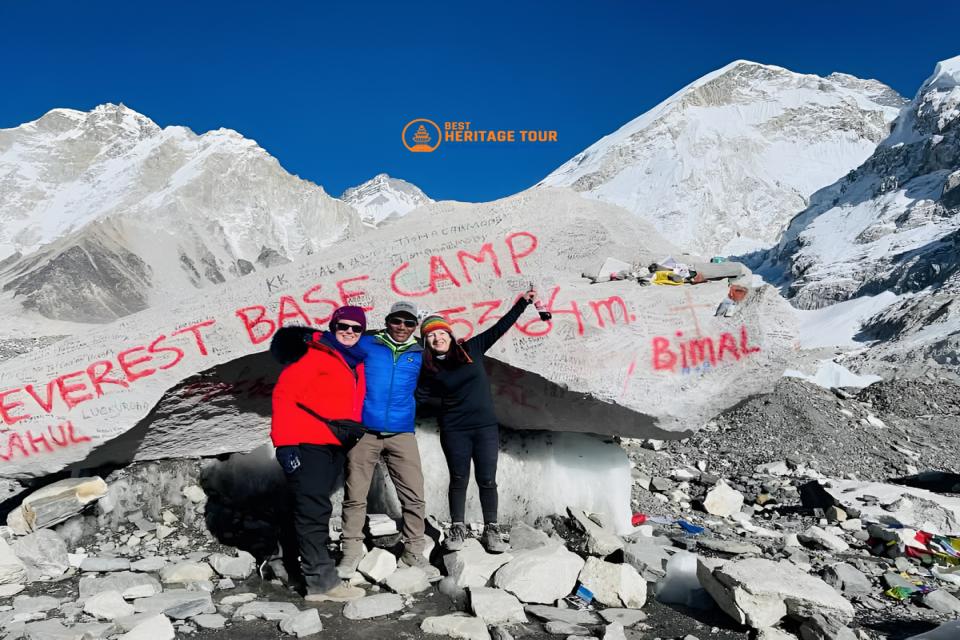
EBC Base Camp |
5,364m (17,598ft) |
The goal. A very high altitude where every step is physically taxing. |
|
Treks Days above 4,000m |
5-7 Days |
High, sustained exposure significantly increases the risk of Acute Mountain Sickness (AMS). |
The Everest region's challenge is primarily high altitude. The sheer elevation forces a slower, longer itinerary with multiple mandatory acclimatization days (like two nights in Namche Bazaar and two nights in Dingboche) to mitigate the serious risks associated with rapid ascent. EBC is a test of acclimatization and mental resilience against thin air.
B. Annapurna Base Camp (ABC): The High-Stamina Grind
|
ABC Altitude Key Points |
Metric |
Significance for Trekkers |
|---|---|---|
|
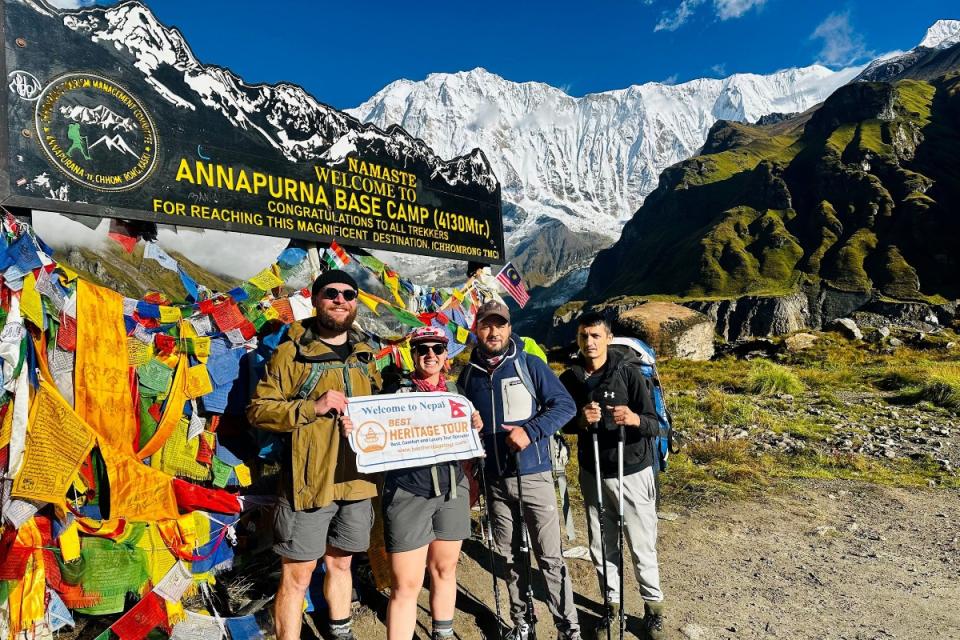
Max Altitude (ABC) |
4,130m (13,550ft) |
High altitude, but significantly lower than EBC. Moderate risk of AMS. |
|
Treks Days above 4,000m |
1-2 Days |
Minimal exposure time, allowing for a quicker, shorter overall trek. |
|
Terrain Challenge |
Relentless Stone Steps |
The physical test is sustained cardiovascular effort over steep, frequent ups and downs. |
The ABC trek remains below the most dangerous high-altitude zone. Its challenge is physical stamina and endurance. The trail is famous for its thousands of stone steps - it’s a constant battle of gravity on the ascent and a taxing test on the knees on the descent. ABC is a test of cardiovascular fitness and muscle endurance.
II. Duration and Logistics: Time Commitment vs. Accessibility
The time you have available and how easily you can access the trailhead often dictate which trek is feasible.
EBC: The Full Two-Week Commitment
-
Duration: 12 to 16 Days (Standard 14-day itinerary)
-
Start Point: Lukla Airport (Requires a mandatory, and sometimes weather-delayed, 45-minute flight from Ramechhap/Kathmandu).
-
Route Type: Out-and-Back. You follow the same trail in and out. This provides consistency but less variety in scenery and villages.
-
Logistics: The entire journey is dependent on the often-challenging flight into Lukla, which is a major logistical hurdle and potential source of delays.
ABC: The Time-Saving Option
-
Duration: 7 to 12 Days (Standard 10-day itinerary)
-
Start Point: Nayapul/Sinuwa/Ghandruk (Accessible via road/jeep from Pokhara).
-
Route Type: Semi-Circular. While there is some retracing, the route often combines trails like the Ghorepani/Poon Hill loop, offering a much wider range of scenery and ethnic villages.
-
Logistics: The entire trip starts and ends from Pokhara, the second-largest city, which is easily reachable by road or stable domestic flights, offering greater stability and less chance of travel delays.
Verdict on Duration: If you have only a 10 to 12-day window for trekking, ABC is the clear winner for a safe, well-paced experience. If you have the full two weeks, EBC is manageable.
III. Scenery and Views: The Grandeur of Ice vs. The Diversity of Life
Both treks offer world-class, unforgettable views, but the type of scenery is vastly different.
A. The Iconic Grandeur of EBC
-
Focus: Massive Ice and Rock. The landscape is harsh, arid, and dominated by gigantic, towering peaks.
-
Highlights:
-
Mount Everest (8,848.86m): Seen primarily from Kala Patthar.
-
Ama Dablam (6,812m): Often cited as the most beautiful mountain in the world, its view is arguably the EBC trek's greatest reward.
-
Khumbu Glacier & Icefall: A chance to walk beside the massive, frozen river leading to the climbing route.
-
-
The Vibe: Barren, rugged, powerful, and utterly iconic. The views start high and stay high.
B. The Biodiversity and Beauty of ABC
-
Focus: Lush Greenery to Glacial Sanctuary. The ABC trek is a journey through multiple climatic zones.
-
Highlights:
-
Rhododendron Forests: Walking through dense, blooming forests in the spring (March-May) is a sensory delight.
-
Machhapuchhre (Fishtail, 6,993m): The sacred, unclimbed mountain dominates the landscape from Low Camp upwards, culminating in the spectacular view from Machhapuchhre Base Camp (MBC).
-
The Annapurna Sanctuary: ABC is nestled in a horseshoe-shaped amphitheater of colossal peaks (Annapurna I, Hiunchuli, Gangapurna), creating a uniquely protected, intimate view.
-
-
The Vibe: Diverse, colorful, intimate, and warm (especially at lower elevations).
Verdict on Scenery: EBC offers the single most famous mountain view and the harsh grandeur of the high Himalayas. ABC offers greater biodiversity, cultural variety, and a truly panoramic, close-up experience with a massive wall of peaks.
IV. Culture and Community: Sherpa Spirituality vs. Gurung Hospitality
The human element is where the EBC and ABC treks diverge most sharply. Trekking in Nepal is as much about the people as the peaks.
A. Everest: The Sherpa Legacy
The Everest region is the home of the legendary Sherpa people - renowned high-altitude mountaineers whose culture is deeply spiritual and rooted in Tibetan Buddhism.
-
Cultural Experience: Profoundly Buddhist, focused on ancient monasteries (like Tengboche Monastery), Mani walls, and prayer flags. The culture reflects the stark, challenging environment - resilient, resourceful, and deeply devout.
-
Villages: Villages like Namche Bazaar (the Sherpa capital) are large and well-developed, with strong trekking and climbing infrastructure.
B. Annapurna: The Multi-Ethnic Tapestry
The Annapurna region is defined by ethnic diversity, passing through villages of the Gurung and Magar communities at lower elevations and the Thakali people in the Kali Gandaki valley (if doing the Circuit).
-
Cultural Experience: A mix of Hindu and Buddhist traditions. The lower villages, such as Ghandruk and Chhomrong, are spectacular examples of traditional stone architecture, offering incredible warmth, hospitality, and a closer look at Gurung life.
-
Diversity: The landscape transition is mirrored in the cultural transition, giving you a wider exposure to Nepal's multi-ethnic identity.
Verdict on Culture: EBC offers a deep dive into the unique, highly specialized Sherpa culture. ABC offers a broader, more accessible tapestry of Gurung hospitality and Nepali village life.
V. Cost Comparison: Budget vs. Logistical Expense
Generally, the Everest Base Camp Trek is significantly more expensive than the Annapurna Base Camp Trek. This is overwhelmingly due to one factor: the flight.
|
Cost Factor |
Everest Base Camp (EBC) |
Annapurna Base Camp (ABC) |
|---|---|---|
|
Main Transport Cost |
High. Mandatory 400-500 USD round-trip flight to Lukla (per person). |
Low. 100-200 USD for road transport (bus/jeep) to/from Pokhara/trailhead. |
|
Daily Cost on Trail |
Higher. The remoteness and difficulty of supply via porter/yak means food and lodge prices are consistently higher, especially above Namche. |
Lower. Easier road access keeps food prices relatively lower and accommodations more readily supplied. |
|
Duration Impact |
Longer Duration (12-16 days) means more days of guide/porter wages, food, and lodging costs. |
Shorter Duration (7-12 days) results in lower overall trip cost. |
|
Permits |
Higher (50-60 combined for Sagarmatha National Park and local municipality permits). |
Lower (approx. 50 combined for ACAP and TIMS permits). |
The Bottom Line: If budget is your primary constraint, the Annapurna Base Camp Trek is the far more economical and logistical choice.
VI. The Best Time to Trek (Weather and Crowds)
Both treks share the two prime trekking seasons in Nepal, but ABC can be trekked safely during a wider time frame.
|
Season |
EBC (Above 4,000m) |
ABC (Below 4,200m) |
|---|---|---|
|
Autumn (Sept-Nov) |
Best Time. Stable weather, crystal clear views, but very crowded. |
Best Time. Perfect views, lush landscapes, very busy. |
|
Spring (Mar-May) |
Excellent. Warmer days, great visibility. May is peak climbing season. |
Excellent. Rhododendrons in full bloom - a major ABC highlight. |
|
Winter (Dec-Feb) |
Difficult/Cold. Extreme cold (down to -20°C). Fewer crowds, clear views, but need specialized gear. |
Manageable/Cold. Colder, but less extreme than EBC. Trails are generally safe from heavy snow. |
|
Monsoon (Jun-Aug) |
EBC is better. Less rain at high altitude, but Lukla flights are prone to delays/cancellation. |
ABC is harder. Heavy rain, slippery trails, leeches, and poor views at lower elevations. |
Conclusion: The Trekker's Final Decision Matrix
As your local host - Best Heritage Tour, our job isn't to tell you which trek is "better" - they are both masterpieces. Our job is to help you decide which one is right for you.
Choose the Everest Base Camp Trek If...
-
Your Goal is Iconic Status: You must stand at the foot of the world's tallest mountain.
-
You Prioritize High Altitude: You want the ultimate test of acclimatization and high-altitude exposure.
-
You Have Two Weeks (or More): You can commit the time needed for safe, slow ascent and descent.
-
You Seek Sherpa Culture: You are fascinated by the spiritual and mountaineering legacy of the Khumbu region.
Choose the Annapurna Base Camp Trek If...
-
Your Goal is Diversity: You want to see the maximum range of landscapes, from jungle to glacial basin.
-
You Prioritize Lower Risk/Stamina: You prefer steep, challenging steps over the severe risks of extreme altitude.
-
You Have Limited Time/Budget: You are restricted to 10 days and seek a more cost-effective trek with stable logistics from Pokhara.
-
You Seek Cultural Immersion: You want intimate exposure to the welcoming Gurung and Magar village life.
Whichever mountain range calls to you - the iconic grandeur of Everest or the lush intimacy of Annapurna - Best Heritage Tour is here to ensure your journey is safe, responsible, and unforgettable. We specialize in custom-paced itineraries designed for optimal acclimatization and cultural depth.
Ready to embark on the adventure of a lifetime?
Contact Best Heritage Tour to Plan Your EBC or ABC Trek Today!
Phone / WhatsApp / Viber: +977-9851149197 / +977-9810043046
Email: info@bestheritagetour.com / bestheritagetour@gmail.com
Website: www.bestheritagetour.com
Office: Thamel Marg, Kathmandu, Nepal
Author: Best Heritage Tour
Date: 4th December, 2025