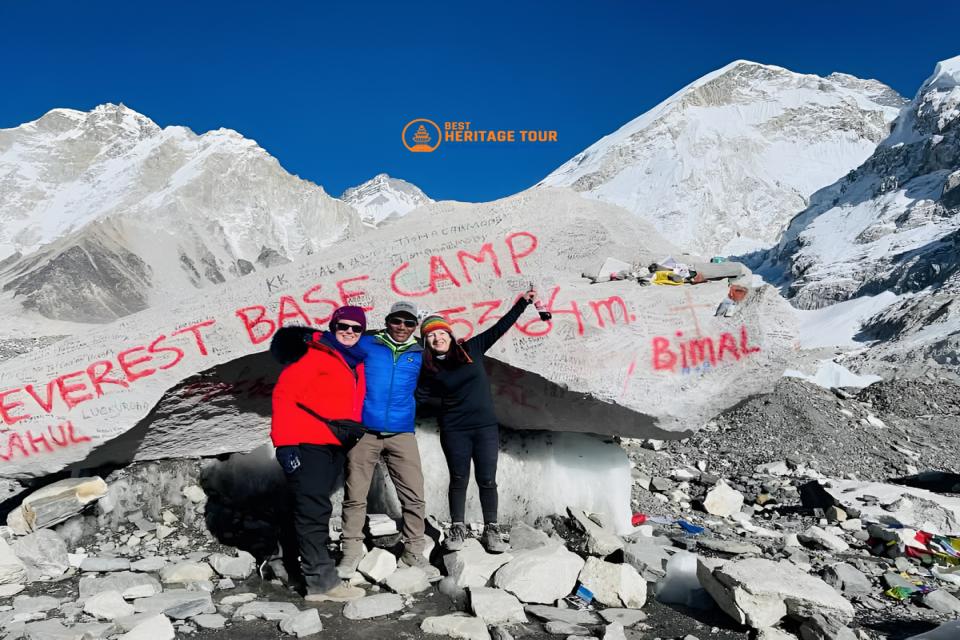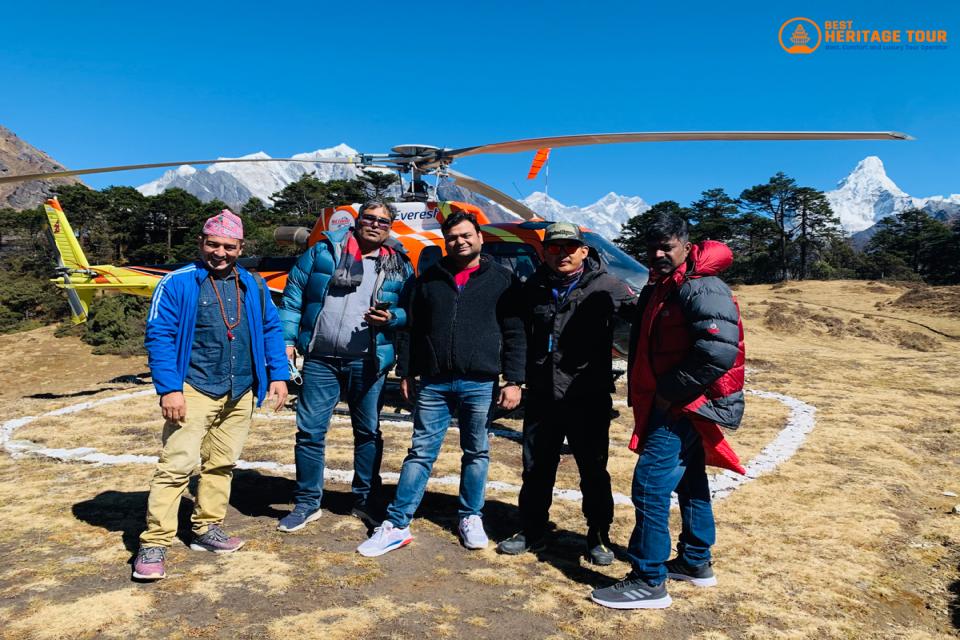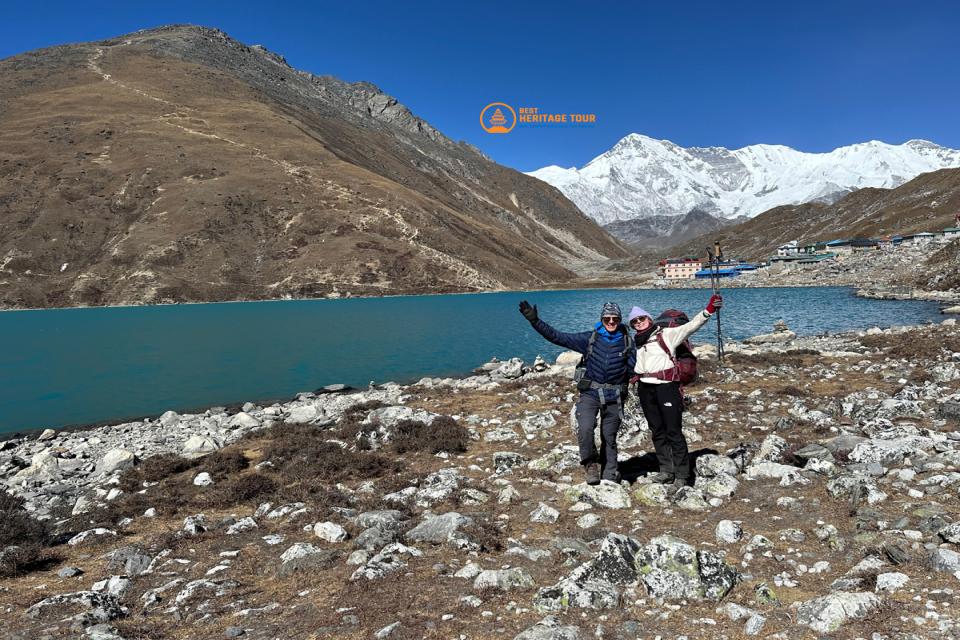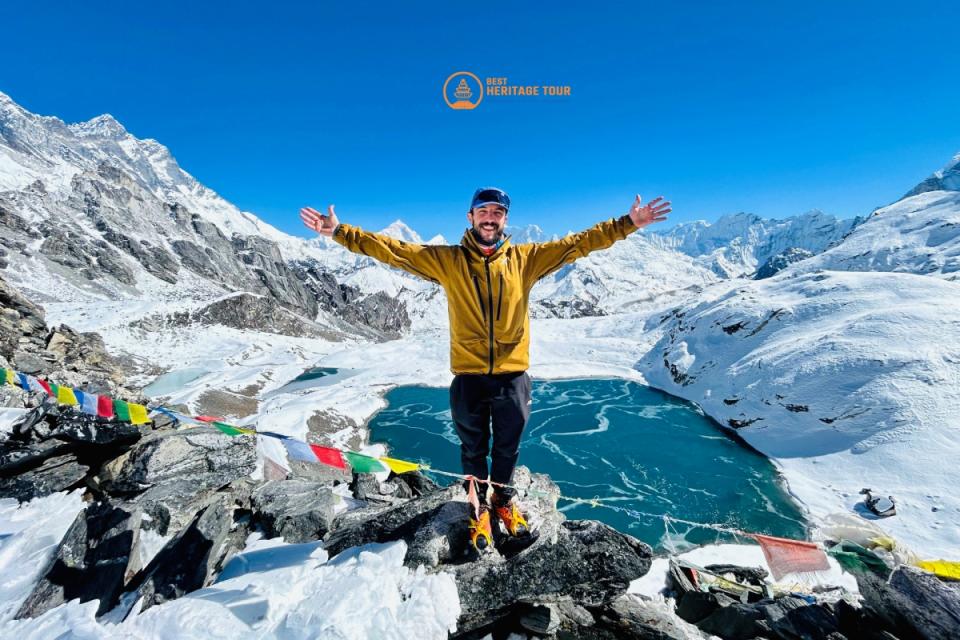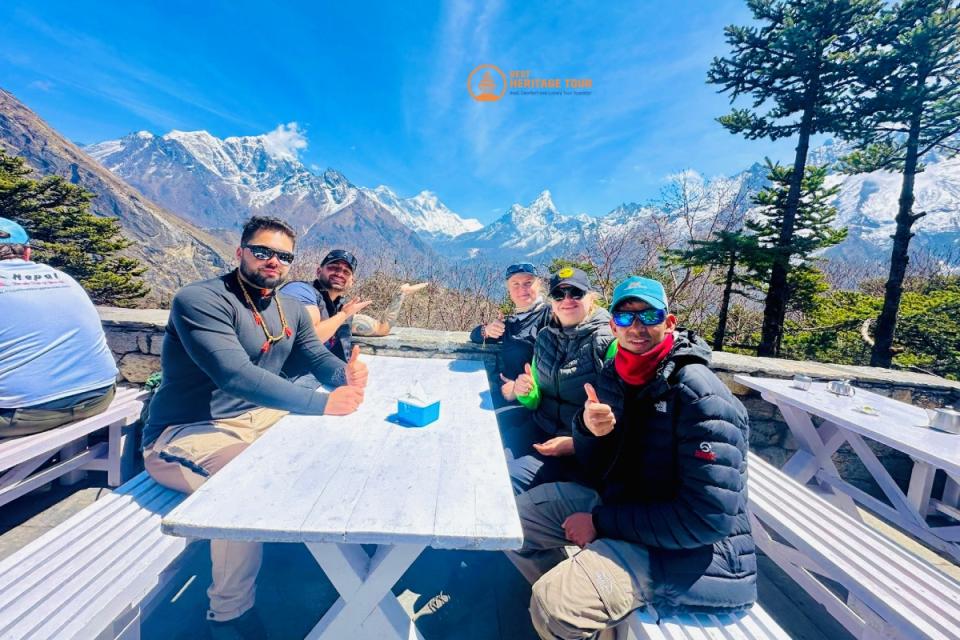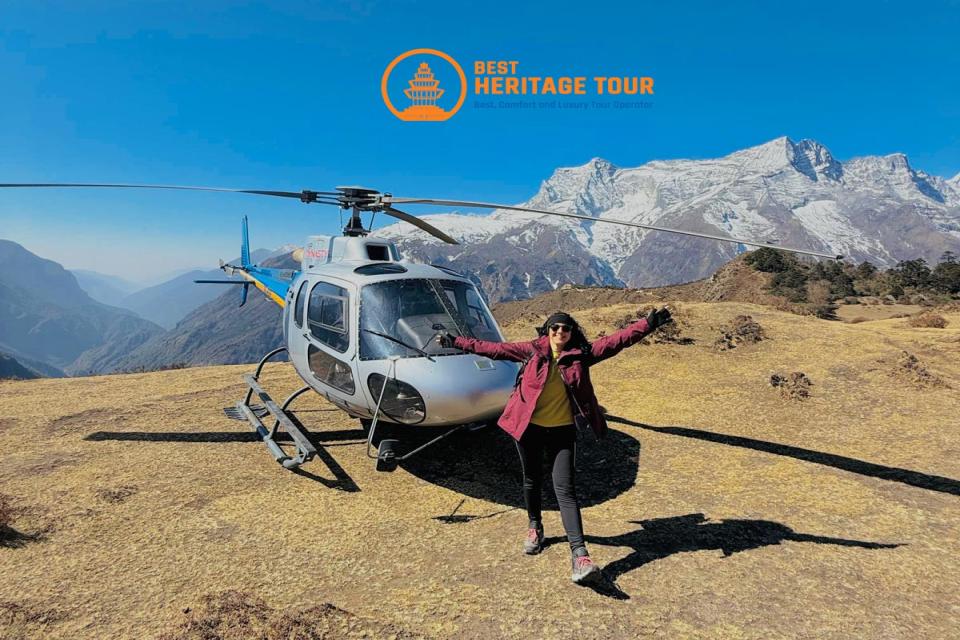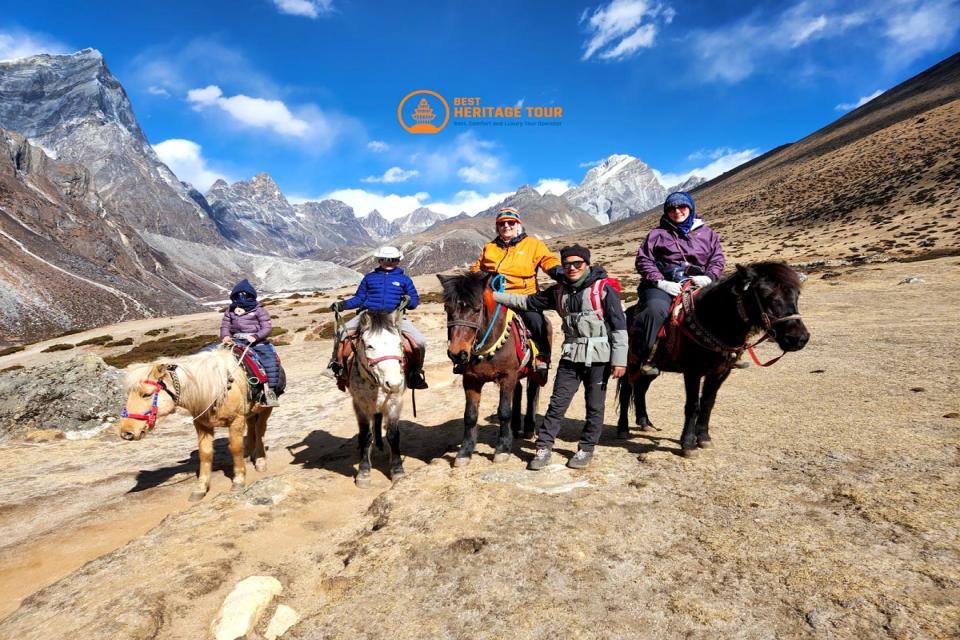
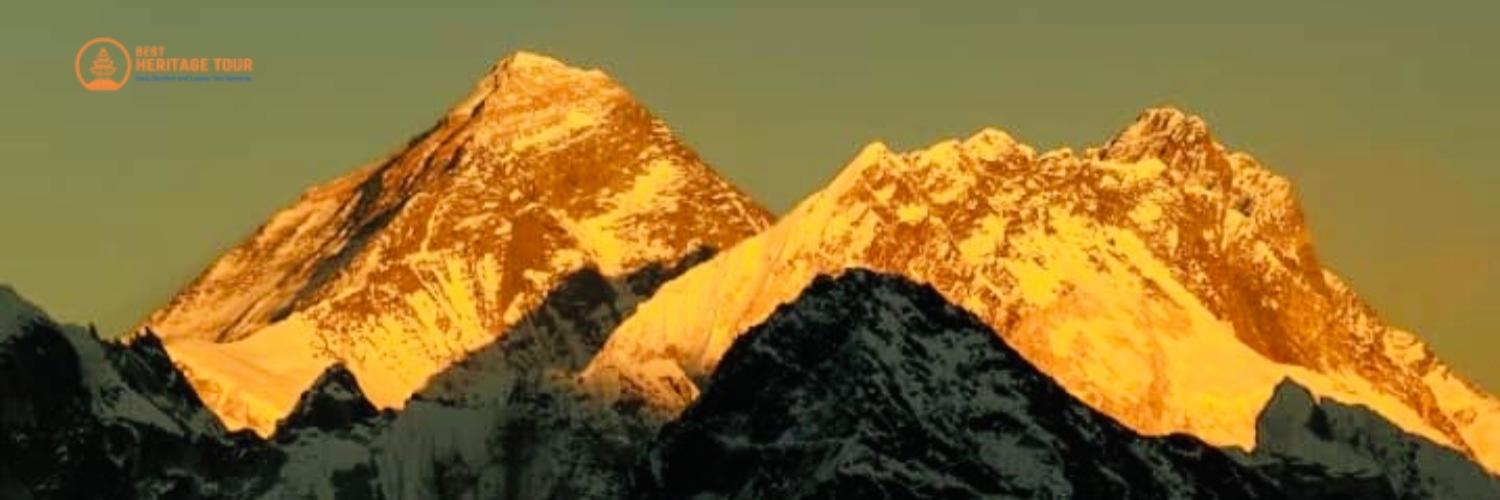
The Everest Base Camp (EBC) Trek is the pinnacle of Himalayan adventure, a challenging yet deeply rewarding journey to the foot of the world’s highest peak. As experienced guides and professional trekkers, we know that success on this trail is measured not just in altitude gained, but in comfort, efficiency, and preparedness.
For the modern adventurer, the old adage of "pack everything you might need" is replaced by a smarter, more strategic mantra: Climb Higher, Carry Lighter.
This comprehensive guide from Best Heritage Tour (BHT) is dedicated to the philosophy of Ultralight Backpacking for the EBC trek. By cutting unnecessary weight, you not only reduce physical strain and fatigue but also enhance your acclimatization, mobility, and overall enjoyment of the spectacular Khumbu region. Whether you are a seasoned trekker or a well-prepared first-timer, mastering the art of the ultralight pack is your ticket to a faster, safer, and more memorable Himalayan experience.
The Philosophy of Ultralight Trekking at Altitude
Ultralight backpacking is more than just buying expensive, light gear; it’s a systematic approach to shedding weight without sacrificing safety, especially crucial when dealing with the extreme temperatures and altitude of the Khumbu region.
1. Why Go Ultralight on the EBC Trek?
Nepal trekking companies typically limit the porter-carried duffel bag weight to 10-15 kg (22-33 lbs). Your personal daypack should ideally be kept under 5 kg (11 lbs). Going ultralight offers significant benefits:
|
Benefit |
Impact on the Trekker |
|---|---|
|
Reduced Physical Strain |
Less fatigue, especially on steep ascents like the climb to Namche Bazaar, preserving energy for acclimatization. |
|
Enhanced Safety |
Lower exhaustion levels minimize the risk of trips, falls, and injuries on uneven, rocky trails. |
|
Better Acclimatization |
A lighter pack means less exertion, which is critical for the body's ability to adjust to lower oxygen levels. |
|
Increased Comfort |
Your body will thank you every day, and you’ll find greater enjoyment in the stunning scenery rather than focusing on a heavy load. |
|
Porter Welfare |
Respecting the weight limit ensures the ethical treatment and safety of the incredible local porters who support your journey. |
2. The Golden Rule: Layer, Don't Lump
The single most effective EBC Trek Weight Reduction Tip is mastering the layering system. Temperatures fluctuate wildly in the Himalayas—from warm, sunny days in the lower regions to sub-zero nights above Dingboche. A well-designed system eliminates the need for bulky single-use items.
|
Layer Type |
Purpose |
Ultralight Material Focus |
|---|---|---|
|
Base Layer (2 Sets) |
Wicking moisture and regulating core temperature. |
Merino Wool or High-Quality Synthetic (avoid cotton entirely). Merino wool is preferred for its warmth-to-weight ratio and natural odor resistance. |
|
Mid-Layer (1-2 Items) |
Providing insulation and trapping heat. |
Lightweight Fleece Jacket (Polartec) or a Thin Down/Synthetic Vest. Focus on compressibility. |
|
Outer Shell (1 Set) |
Protection from wind, rain, and snow. |
Waterproof/Windproof Shell Jacket and Pants (e.g., Gore-Tex or similar lightweight membrane). This should be light, yet fully functional. |
-
Pro Tip: You will be wearing the same clothes for days on end. Merino wool is the key to an Everest Base Camp Ultralight Gear list, as its natural anti-microbial properties mean you can wear a pair of socks or a base layer for 3-4 days without significant odor.
The Ultralight EBC Packing List Strategy
The goal is to focus on multi-use items and eliminate non-essentials. Every item you pack should justify its weight.
1. Essential Gear: Where Weight Matters Most
These items are your most significant weight culprits. Invest in quality and lightweight design here.
A. Backpack & Sleeping System
|
Item |
Ultralight Strategy |
Weight Reduction |
|---|---|---|
|
Main Duffel Bag |
Your tour company (BHT) will usually provide this (or one can be purchased cheaply in Thamel). Utilize the provided bag and respect the 15 kg limit. |
N/A (Let the porter carry the bulk) |
|
Daypack |
25-35 Liters Max. You only need space for water, a camera, a warm layer, and snacks. Look for minimal frame/padding. |
Reduces strain vs. carrying a 40L+ pack. |
|
Sleeping Bag |
Down Bag Rated to -10°C to -15°C (14°F to 5°F). Down offers the best warmth-to-weight ratio. |
Critical Weight Save. A high-quality down bag can weigh 1-1.5 kg less than a synthetic one. |
|
Sleeping Bag Liner |
Silk or Fleece Liner. Adds 3-5°C of warmth and improves hygiene. |
Lightweight supplement to boost your bag’s rating, saving money and weight on a heavier main bag. |
B. Footwear (Non-Negotiable)
-
Trekking Boots (1 Pair): Absolutely non-negotiable. Must be waterproof, sturdy, and well broken-in. Do not compromise weight for ankle support or comfort.
-
Camp/Lodge Shoes (1 Pair): Ditch heavy sneakers. Use lightweight Crocs or foam sandals to give your feet a break in the evenings.
-
Socks (4-5 Pairs): Merino wool hiking socks (3-4 pairs) for trekking, 1 pair of thick woolen/down socks for sleeping.
2. Clothing Strategy: The 'Less is More' Approach
Remember: Teahouses offer basic laundry services at lower altitudes, and you can simply rinse small items throughout the trek.
|
Item |
Minimalist Ultralight Quantity |
Rationale |
|---|---|---|
|
Base Layer Tops |
2 (One hiking, one drying/sleeping) |
Merino wool can be worn for multiple days. |
|
Trekking Shirts (Mid/Outer) |
1-2 (Moisture-wicking, long-sleeve) |
Primarily used for sun protection in lower altitudes. |
|
Trekking Trousers |
1 (Convertible or lightweight hiking pants) |
A single, quick-drying pair is sufficient. Layer with thermal bottoms when cold. |
|
Waterproof Pants |
1 (Lightweight shell) |
Essential for snow or rain, but must be the lightest shell you can find. |
|
Inner/Outer Gloves |
1 set of thin liners, 1 set of insulated/waterproof shells. |
Layering strategy for hand warmth. Ditch bulky, non-layerable gloves. |
|
Headwear |
Beanie/Wool Hat (1) and Sun Hat/Cap (1) + Buff/Neck Gaiter (1). |
Multi-use protection against sun, wind, and cold. |
3. Personal & Hygiene Items: Every Gram Counts
This is where trekkers often carry the most "luxury" weight. Get ruthless with your toiletry bag!
-
Toiletries: Decant all liquids (shampoo, soap, sunscreen) into the smallest travel-sized containers you can find. Carry a travel-sized toothpaste tube and a quick-dry microfiber towel.
-
Sun Protection: High-SPF Sunscreen and SPF Lip Balm are non-negotiable for high-altitude UV intensity.
-
First Aid: Your guide carries a comprehensive kit, but your personal kit should only contain personal prescriptions (Diamox, etc.), blister care (Moleskin/Duct Tape), painkillers, and basic antiseptic cream.
-
Water Purification: Water Purification Tablets or Drops are the lightest option. While SteriPENs are great, they require batteries - another item to consider. Avoid buying bottled water to save money, weight, and the environment.
4. Electronics: Power Smart, Not Heavy
The cold rapidly drains batteries at altitude.
-
Camera: If possible, use a quality smartphone or a small, lightweight mirrorless camera.
-
Power Bank: One high-capacity (10,000-20,000 mAh) power bank should suffice. Skip solar chargers unless you are on a very long, remote trek, as their efficiency in the cold can be disappointing.
-
Cables & Adapter: Only carry the specific cables needed for your devices. A universal adapter (Type C/D) for Nepal is required.
Advanced Ultralight Strategies for EBC
These techniques separate the serious ultralight trekker from the novice, helping you shave those final crucial kilograms.
1. The Multi-Use Item Principle
-
Sleeping Bag Stuff Sack: Use your sleeping bag stuff sack as a pillowcase by stuffing it with your down jacket. Eliminates a travel pillow.
-
Duct Tape: Wrap a generous amount around a trekking pole or water bottle. Eliminates a full roll and acts as an immediate repair kit for boots, jackets, and blisters.
-
Headlamp: Essential for early starts and teahouse evenings. Do not skimp on extra batteries - the cold drains them quickly.
2. Ditching the Dead Weight
-
Books: Carry a lightweight Kindle or eBook reader instead of heavy paperbacks.
-
Excess Clothing: You will be wearing the same clothes for days. Seriously, cut one pair of socks, one shirt, and one mid-layer. You won't miss them.
-
Cotton: Cotton is heavy and deadly at altitude. It holds moisture, making you cold. Eliminate it entirely, even from your sleepwear. Use dedicated thermal base layers.
-
Snacks: While you should carry some snacks, you can buy cookies, chocolate bars, and soft drinks at every teahouse, albeit at a higher cost. Only carry enough for 2-3 days and restock sparingly.
3. The Trekking Pole Advantage
Trekking poles are not just for climbers; they are crucial for EBC Trek Weight Reduction.
-
They transfer up to 30% of your body weight from your knees and legs to your arms on descents.
-
They aid balance on icy or rocky sections, preventing falls.
-
Look for carbon fiber or high-quality aluminum poles—they offer the best strength-to-weight ratio.
Conclusion: Your Lighter Path to Everest Base Camp
The journey to Everest Base Camp is a profound, life-affirming adventure. By adopting the principles of Ultralight Backpacking for High Altitude, you ensure that your focus remains on the towering peaks, the unique Sherpa culture, and the incredible challenge, rather than the ache in your shoulders.
At Best Heritage Tour, we provide not only expert guidance and ethically managed porters but also personalized advice to help you fine-tune your EBC Packing List Strategy, ensuring your gear enhances, rather than hinders, your trek. Trust our local knowledge and decades of experience to get you to 5,364 meters safely, efficiently, and with a light spring in your step.
Plan Your EBC Adventure Today!
Phone / WhatsApp / Viber: +977-9851149197 / +977-9810043046
Email: info@bestheritagetour.com/ bestheritagetour@gmail.com
Website: www.bestheritagetour.com
Office: Thamel Marg, Kathmandu, Nepal
Let us lighten your load and enrich your journey to Everest Base Camp.
Author: Best Heritage Tour
Date: 7th December, 2025