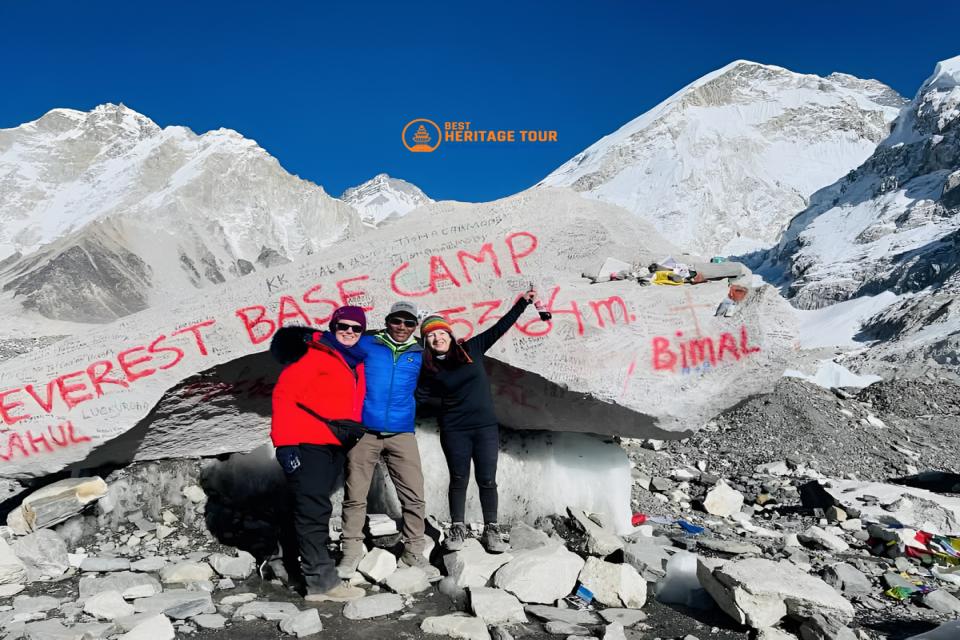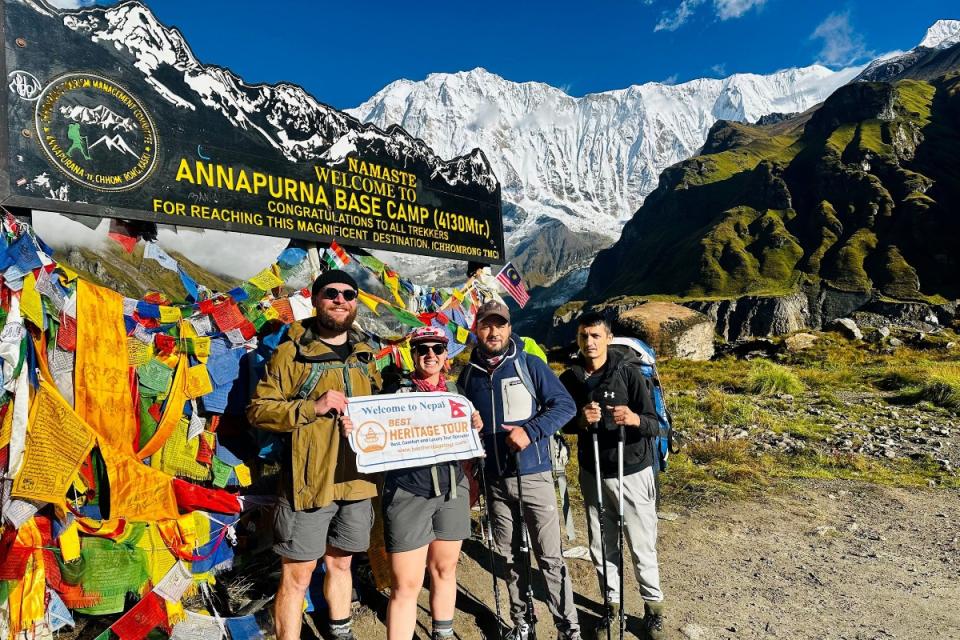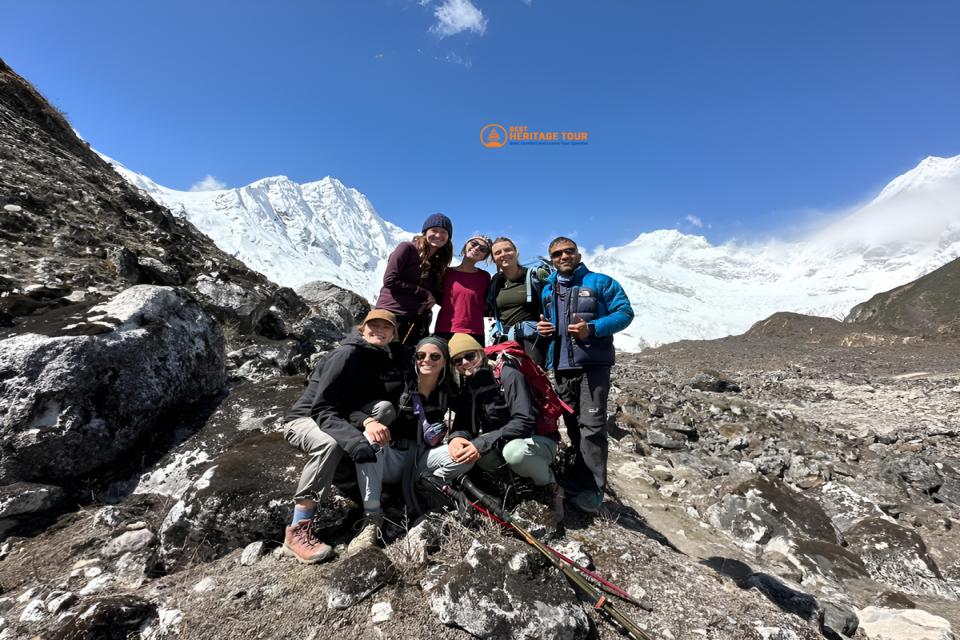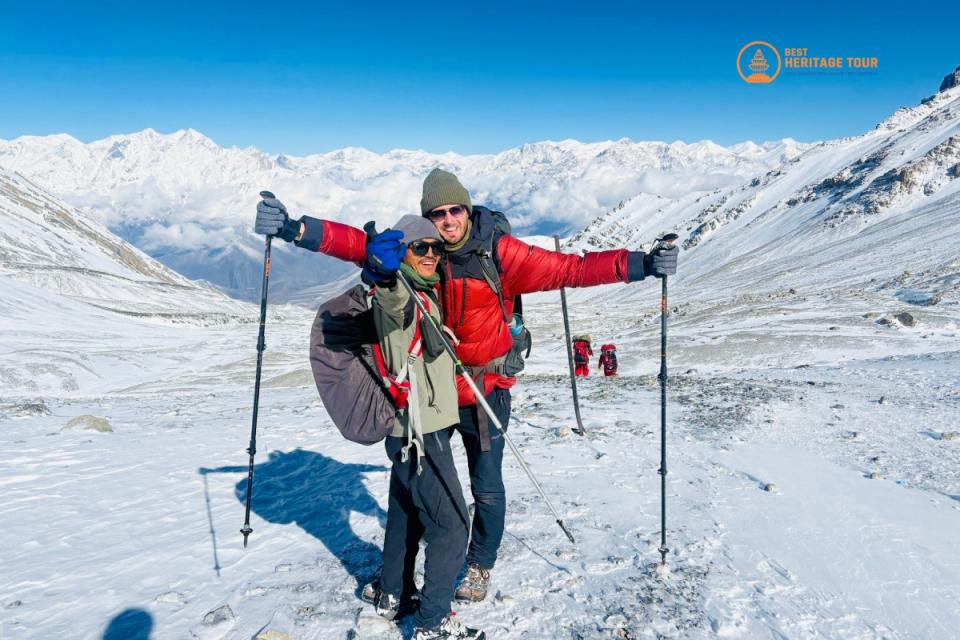
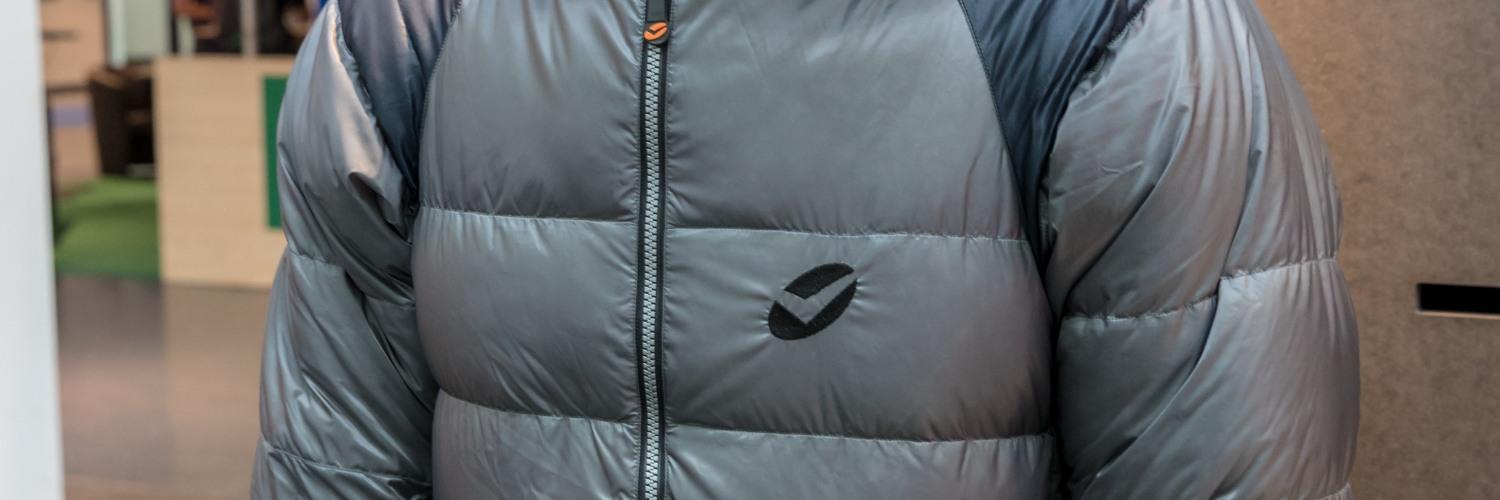
The final piece of your high-altitude armor is the puffy jacket - your key defense against the extreme cold of a Himalayan evening. Above the tree line (around 4,000 meters), temperatures drop drastically the moment the sun sets, easily plunging far below freezing, especially at Everest Base Camp or on major passes like Thorong La.
Your insulation layer is critical for safety, comfort, and recovery. The fundamental choice here is between nature's finest insulator, Down, and its human-engineered rival, Synthetic fill.
As trekking specialists - Best Heritage Tour, we know that both materials have unique strengths and weaknesses tailored to specific conditions. Making the wrong choice can mean the difference between a cozy night in the teahouse and a miserable, shivering one.
This expert guide will demystify the core components of insulated jackets and help you choose the ideal one for your Himalayan adventure.
The Contenders: Down vs. Synthetic Insulation
The goal of any insulating jacket is simple: to trap your body heat using air pockets. Down and Synthetic materials achieve this in fundamentally different ways.
1. Down Insulation (Nature's Finest)
Down comes from the soft, fluffy clusters beneath the feathers of geese or ducks.
|
Pros (Why it Excels in Nepal) |
Cons (The Vulnerability) |
|---|---|
|
Superior Warmth-to-Weight Ratio: Ounce for ounce, down is the warmest material available. This is crucial when every gram counts on the trail. |
Moisture Catastrophe: When down gets wet (from rain, snow, or high humidity), it loses its loft (puffiness) and its ability to trap air, rendering it almost useless as an insulator. |
|
Highly Compressible: Packs down into an incredibly small stuff sack, taking up minimal space in your duffel bag. |
Higher Cost: Premium, high-quality down (especially high Fill Power) is significantly more expensive than synthetic. |
|
Durability: With proper care, a high-quality down jacket can maintain its loft and insulating properties for many years. |
Requires special cleaning (specific detergent) and careful drying to avoid clumping. |
2. Synthetic Insulation (The All-Weather Champion)
Synthetic insulation (e.g., PrimaLoft, Coreloft, Thinsulate) is made from polyester fibers engineered to mimic the structure of down.
|
Pros (The Safety Net) |
Cons (The Trade-Off) |
|---|---|
|
Performs When Wet: Synthetic fibers are hydrophobic, meaning they shed water and maintain the majority of their insulating properties even when damp or wet. |
Lower Warmth-to-Weight Ratio: To achieve the same level of warmth as down, a synthetic jacket must use more material, making it heavier and bulkier. |
|
Quick Drying & Easy Care: Dries much faster than down and can be easily washed in a standard washing machine. |
Less Compressible: Takes up more space in your backpack than an equivalent down jacket. |
|
Budget-Friendly: Generally more affordable, making it a great option for those who are unsure about future high-altitude trekking. |
Tends to lose its insulating power (loft) more quickly than down over several years of use and compression. |
Key Down Jacket Terminology Explained
If you choose down (the popular favorite for its weight savings), you must understand these terms:
A. Fill Power (FP)
This measures the quality of the down cluster - its loft, or "fluffiness." It indicates the volume (in cubic inches) that one ounce of down occupies.
-
Higher FP = Better Quality: A jacket with 800 FP is warmer and lighter than a 600 FP jacket of the same weight.
-
Nepal Recommendation: Aim for 650 to 800 Fill Power for the Himalayas. 650 FP is the minimum for comfort at high-altitude teahouses, while 800 FP provides superior performance and weight savings.
B. Fill Weight
This is the actual weight of the down (in grams/ounces) put into the jacket. This is the ultimate indicator of warmth.
-
A Low Fill Power (e.g., 600 FP) jacket with a High Fill Weight (lots of down) can be warmer than a high FP jacket with very little down - but it will be significantly heavier and bulkier.
-
Rule of Thumb: Look for a jacket that balances high FP with sufficient Fill Weight to meet the expected minimum temperatures of your trek.
C. Hydrophobic Down
Modern down is often treated with a Durable Water Repellent (DWR) coating. This hydrophobic down helps the clusters resist moisture and retain loft for longer if exposed to dampness. While it's not a substitute for waterproof shell, this treatment adds a crucial layer of protection in humid environments or against light snow.
Our Expert Recommendation for High-Altitude Nepal
The choice largely depends on your priorities: Weight and Warmth vs. Water Resistance and Budget.
|
Trekker Profile |
Ideal Insulation Type |
Fill Power/Details |
|---|---|---|
|
The Peak Season Trekkers (Autumn/Spring - Dry/Cold) |
Down (with Hydrophobic Treatment) |
650-800 Fill Power is ideal. The unparalleled warmth-to-weight ratio is perfect for minimizing load while maximizing static warmth in teahouses. |
|
The Shoulder Season Trekkers (Late Spring/Early Winter - Damp/Wet) |
Synthetic or Hybrid |
Synthetic's ability to retain heat when damp makes it safer if you encounter heavy rain or wet snow, especially at lower altitudes. |
|
The Budget-Conscious Trekkers |
Synthetic or Down Rental |
High-quality synthetic jackets are more affordable. Alternatively, rent a high-quality down jacket (often 700-800 FP) in Kathmandu or Pokhara for a fraction of the purchase price. |
Best Heritage Tour Pro-Tip: Your insulated jacket is NOT primarily for trekking during the day. You generate ample heat while hiking. It is your "Teahouse and Camp Jacket" - your essential armor for mornings, evenings, and stops. It should be warm enough to be worn over your base and fleece layers.
Final Layering Note: The Outer Shell
Regardless of whether you choose down or synthetic, your insulated jacket is not your waterproof jacket. If it rains heavily or snows, you must wear a dedicated, waterproof, and windproof Hardshell Jacket over your insulated layer to protect the fill from getting wet.
Conclusion: Stay Warm, Stay Safe
Choosing your insulation is a critical part of your preparation for the Himalayas. By understanding the core differences between the light, compressible power of down and the robust, moisture-resistant nature of synthetic, you can select a jacket that guarantees warmth and comfort, protecting your core temperature when it matters most.
We are committed to preparing you for every aspect of your trek. Let our experienced guides at Best Heritage Tour help you ensure your gear choices match your exact itinerary and the season you plan to travel.
We are here to help you achieve the peak experience of a lifetime.
Ready to Plan Your Perfect Himalayan Trek?
Phone / WhatsApp / Viber: +977-9851149197 / +977-9810043046
Email: info@bestheritagetour.com / bestheritagetour@gmail.com
Website: www.bestheritagetour.com
Office: Thamel Marg, Kathmandu, Nepal
Author: Best Heritage Tour
Date: 12th December, 2025