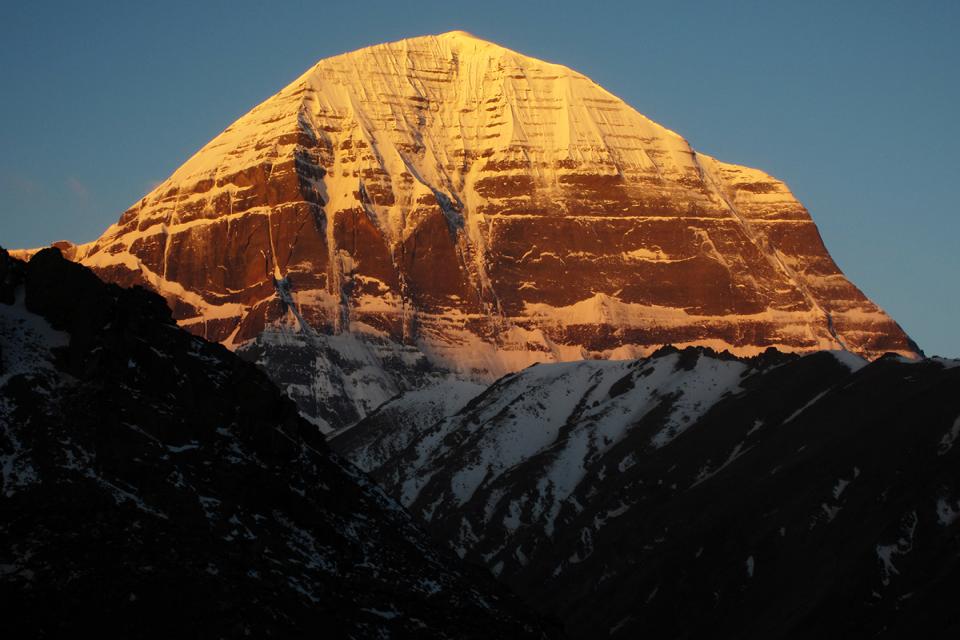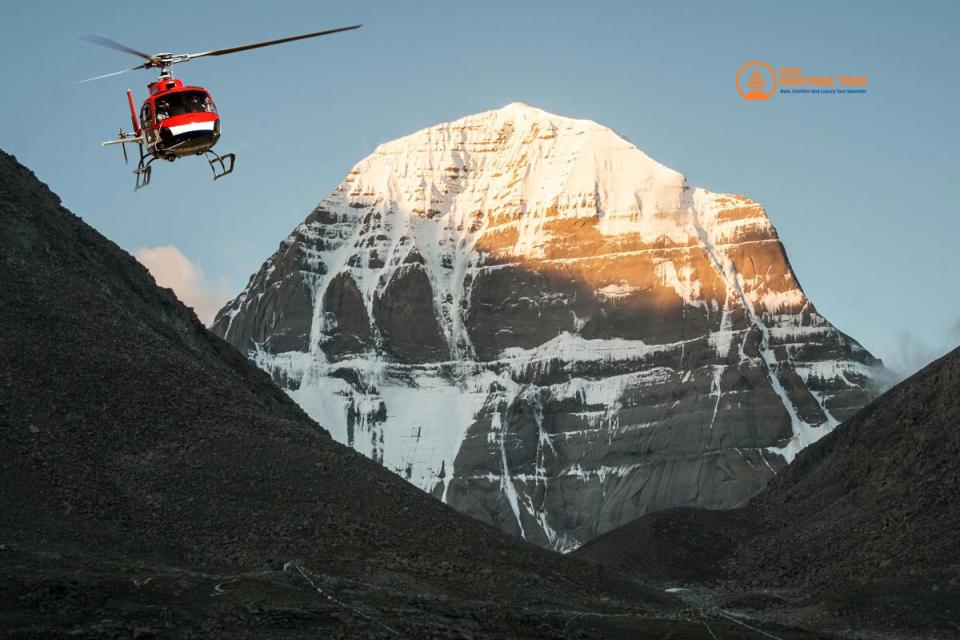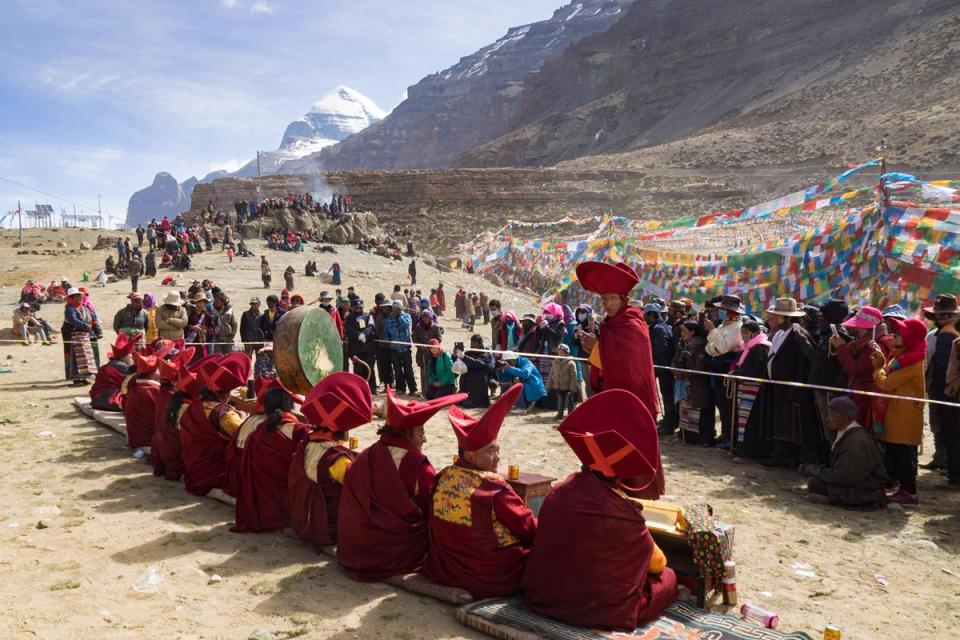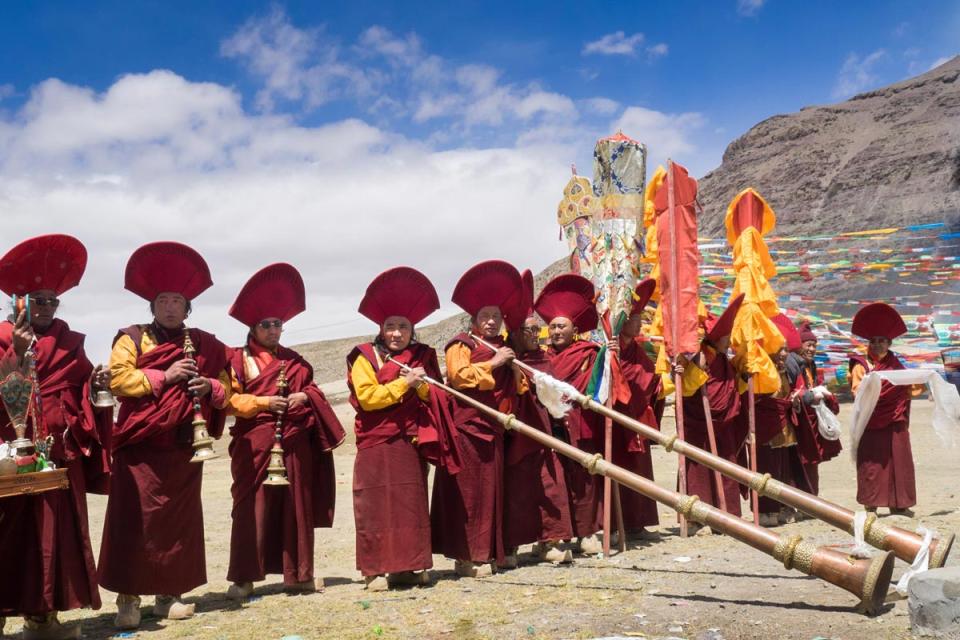
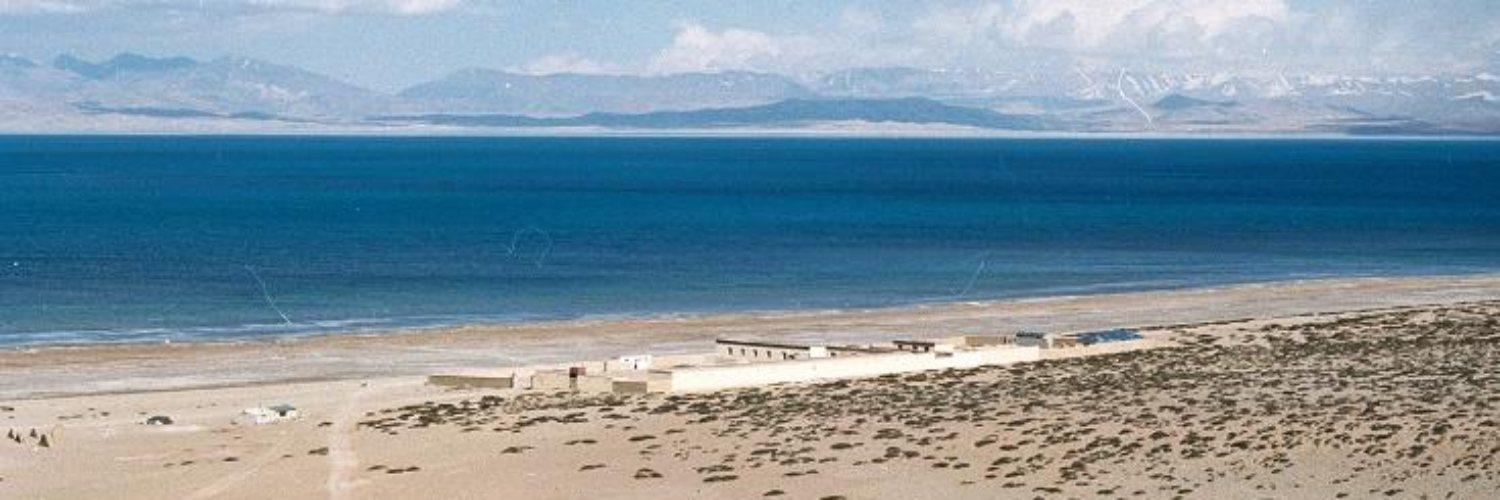
The Kailash Manasarovar Yatra is not just a journey across land - it is a journey through faith, endurance, and spiritual awakening. For centuries, pilgrims and trekkers from India, Nepal, and around the world have walked the sacred 52-kilometer Mount Kailash Parikrama, believing it cleanses sins and brings spiritual liberation.
Among all the sections of this holy circuit, one stretch stands out as the most demanding, revered, and unforgettable - the Dolma La Pass Trek.
Rising to an altitude of approximately 5,630 meters (18,471 feet), Dolma La Pass is widely regarded as the hardest part of the Kailash Kora. It tests physical strength, mental resilience, and spiritual commitment in equal measure. The thin air, icy winds, steep ascents, and unpredictable weather combine to create a trekking experience that is both intimidating and deeply transformative.
At Best Heritage Tour, we have guided countless pilgrims and trekkers safely across this sacred pass. Drawing from our on-ground Himalayan experience and years of organizing Kailash Manasarovar tours, this detailed guide is designed to inform, educate, and prepare you for the most challenging yet spiritually rewarding section of the Yatra.
Understanding the Significance of Dolma La Pass
Dolma La Pass is not merely a mountain crossing - it is a spiritual threshold. In Tibetan Buddhism, Dolma La is dedicated to Goddess Dolma (Tara), the embodiment of compassion and protection. For Hindu pilgrims, crossing the pass symbolizes death and rebirth, where one leaves behind sins and negative karma.
Pilgrims traditionally leave personal belongings such as clothes, hair, or symbolic items at the top of the pass. This ritual represents letting go of the past and embracing spiritual renewal.
Spiritually speaking, the Dolma La Pass marks the highest and most sacred point of the Kailash Parikrama. Physically speaking, it is the point where your preparation, discipline, and mindset are put to the ultimate test.
Why Dolma La Pass Is the Hardest Part of Kailash Manasarovar Yatra
1. Extreme Altitude and Thin Oxygen Levels
At over 5,600 meters, Dolma La Pass is well above the altitude where most people feel comfortable. Oxygen levels are almost 50% lower than sea level, making every step physically demanding.
Many pilgrims experience:
-
Shortness of breath
-
Rapid heartbeat
-
Fatigue even after a few steps
-
Headaches or dizziness
This altitude significantly increases the risk of Acute Mountain Sickness (AMS), especially for travelers who rush the itinerary or skip acclimatization.
At Best Heritage Tour, we prioritize gradual altitude gain and proper acclimatization days, which plays a crucial role in crossing Dolma La safely.
2. Steep and Continuous Ascent
The trek to Dolma La begins early in the morning from Dira Puk (around 4,900 meters). The ascent is steep, rocky, and relentless. Unlike other parts of the parikrama, there are no flat sections for long rests.
The climb includes:
-
Loose rocks and scree
-
Snow-covered trails (even in summer)
-
Narrow paths with steep drops
Each step requires focus and balance, especially in icy conditions.
3. Harsh and Unpredictable Weather
Weather in the Tibetan plateau can change within minutes. Trekkers often face:
-
Freezing temperatures
-
Strong winds at the pass
-
Sudden snowfall or hail
-
Bright sun causing snow blindness
Even during the peak yatra season (May to September), weather at Dolma La remains unpredictable. Proper clothing and guidance are essential.
4. Long and Exhausting Trekking Day
The Dolma La crossing day is the longest and toughest day of the entire Kailash Parikrama.
-
Trek duration: 8 to 10 hours
-
Starting altitude: ~4,900 m (Dira Puk)
-
Highest point: 5,630 m (Dolma La Pass)
-
Ending altitude: ~4,800 m (Zuthul Puk)
Fatigue accumulates quickly, especially during the descent, which can be harder on the knees than the ascent.
Spiritual Journey: Crossing Dolma La Pass
For many Indian spiritual travelers, Dolma La is the turning point of the yatra.
According to belief:
-
Ascending the pass represents death of the old self
-
Descending represents rebirth and spiritual cleansing
The prayer flags fluttering at the top, the chants of pilgrims, and the overwhelming silence of the Himalayas create a moment that words cannot fully describe.
Despite exhaustion, many pilgrims report feeling an unexplainable inner peace and emotional release after crossing Dolma La.
Physical Challenges and Health Considerations
Acute Mountain Sickness (AMS)
AMS is the most common health concern during the Dolma La trek. Symptoms include:
-
Persistent headache
-
Nausea or vomiting
-
Loss of appetite
-
Difficulty sleeping
Our experienced trekking guides are trained to identify AMS symptoms early and provide immediate assistance.
Cold and Dehydration
Due to cold temperatures and dry air:
-
Dehydration happens faster
-
Lips, hands, and face can crack
-
Energy levels drop quickly
Regular hydration and electrolyte intake are essential.
Essential Packing List for Dolma La Pass Trek
A successful crossing depends heavily on preparation. Some essentials include:
Clothing
-
Thermal base layers
-
Insulated down jacket
-
Waterproof outer shell
-
Warm gloves and woolen cap
Trekking Gear
-
Sturdy trekking boots
-
Trekking poles (highly recommended)
-
Sunglasses with UV protection
Health Essentials
-
Personal medications
-
Diamox (only after medical consultation)
-
Lip balm and sunscreen
Our team provides detailed packing guidance before the yatra to ensure nothing is missed.
Who Should Attempt the Dolma La Pass Trek?
The Dolma La Pass is challenging but achievable for:
-
Trekkers with moderate fitness
-
Spiritual travelers with determination
-
Pilgrims who follow acclimatization properly
It is not recommended for:
-
People with severe heart or lung conditions
-
Travelers unwilling to walk long hours
-
Those ignoring altitude guidelines
At Best Heritage Tour, we assess each traveler’s readiness and provide honest advice.
Best Time to Cross Dolma La Pass
The ideal months for the Kailash Manasarovar Yatra are:
-
May to June
-
July to September (weather permitting)
During these months:
-
Snow levels are manageable
-
Daylight hours are longer
-
Routes are more accessible
However, even in the best season, Dolma La remains physically demanding.
Emotional and Mental Strength: The Hidden Challenge
Beyond physical difficulty, Dolma La tests mental resilience. Fatigue, cold, and altitude can affect motivation.
Our guides encourage:
-
Slow and steady pacing
-
Positive mindset
-
Group support and motivation
Many pilgrims find strength through chanting, meditation, or silent reflection during the ascent.
Why Choose Best Heritage Tour for Kailash Manasarovar Yatra?
Organizing the Kailash Manasarovar Yatra requires deep regional knowledge, logistics expertise, and experienced leadership.
With Best Heritage Tour, you benefit from:
-
Years of Himalayan trekking experience
-
Trusted local networks in Nepal and Tibet
-
Carefully planned itineraries
-
Professional guides who understand both trekking and spiritual needs
We don’t just organize tours - we guide journeys of faith and endurance.
Conclusion
The Dolma La Pass Trek is undeniably the hardest part of the Kailash Manasarovar Yatra, but it is also the most meaningful. It challenges the body, humbles the mind, and elevates the spirit.
Crossing Dolma La is not about speed or strength alone - it is about preparation, patience, and inner belief. With the right guidance, mindset, and support, this sacred crossing becomes a life-changing milestone rather than an obstacle.
At Best Heritage Tour, we are committed to making your Kailash Manasarovar Yatra safe, meaningful, and spiritually fulfilling, guiding you step by step across even the most challenging sections like Dolma La Pass.
Contact Best Heritage Tour
Phone / WhatsApp / Viber: +977-9851149197 / +977-9810043046
Email: info@bestheritagetour.com / bestheritagetour@gmail.com
Website: www.bestheritagetour.com
Office: Thamel Marg, Kathmandu, Nepal
Author: Best Heritage Tour
Date: 1st January, 2026