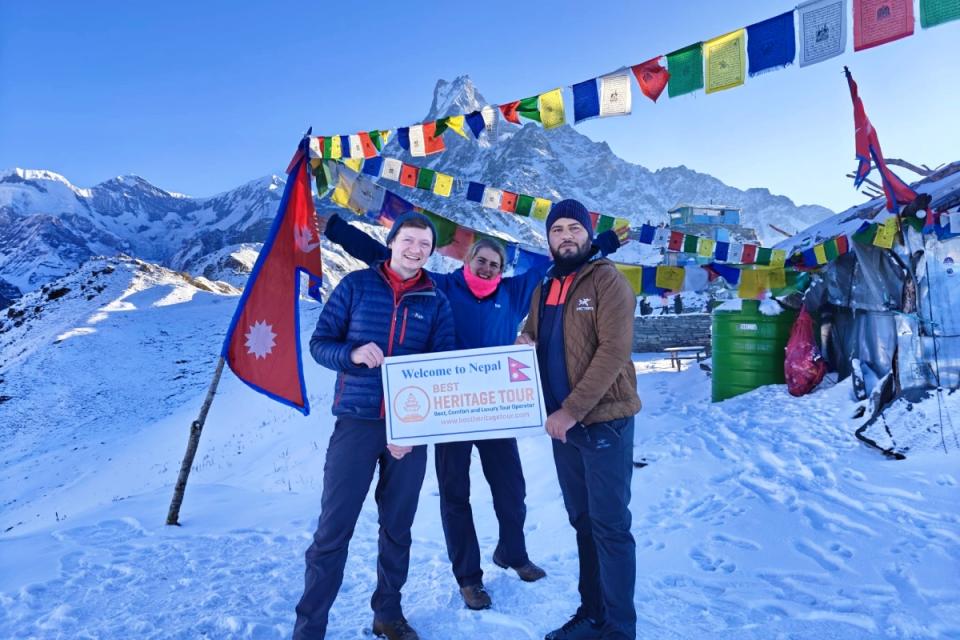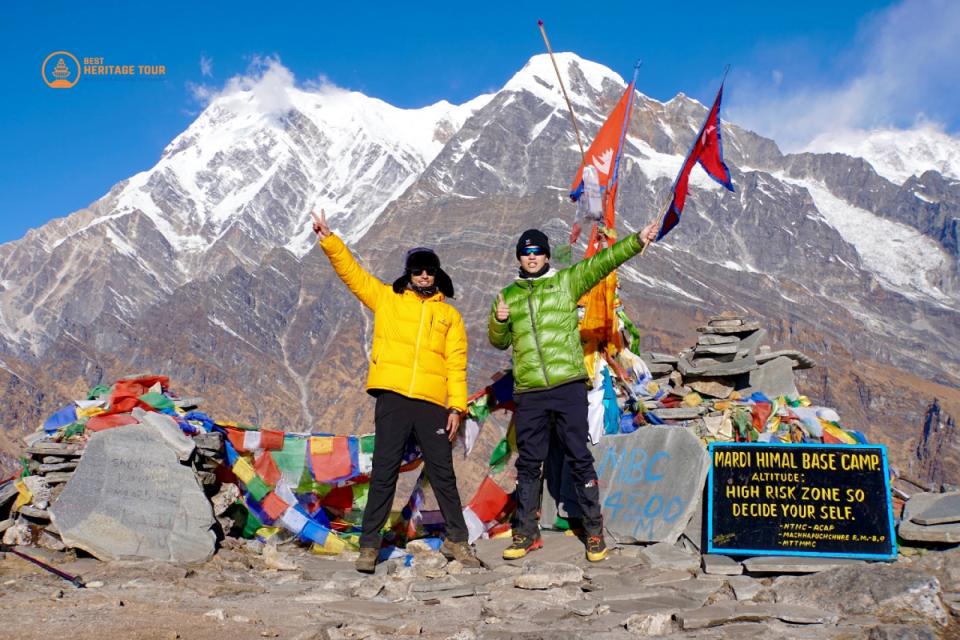
The Mardi Himal Trek is often described as a “hidden gem” of the Annapurna region. Quiet trails, dramatic mountain views, and a peaceful atmosphere have made it increasingly popular among trekkers who want a genuine Himalayan experience without the crowds of Everest Base Camp or Annapurna Circuit.
Yet, before committing to this trek, almost every traveler asks the same question:
How difficult is the Mardi Himal Trek?
As a local trekking company - Best Heritage Tour from Nepal who had lead this trail many times with travelers from different countries, ages, and fitness levels, we can say this with confidence: the Mardi Himal Trek is moderately difficult, but it is also one of the most achievable high-altitude treks in Nepal when done with proper preparation and realistic expectations.
In this guide, we will explain the real difficulty of the Mardi Himal Trek - not based on theory, but on actual guiding experience. By the end, you will clearly understand whether this trek is right for you, what challenges to expect, and how to make the journey smoother and more enjoyable.
Understanding the Real Nature of the Mardi Himal Trek
To understand the difficulty of any trek, it is important to look beyond labels like “easy” or “moderate.” Difficulty depends on altitude, terrain, daily walking hours, weather, and the physical and mental condition of the trekker.
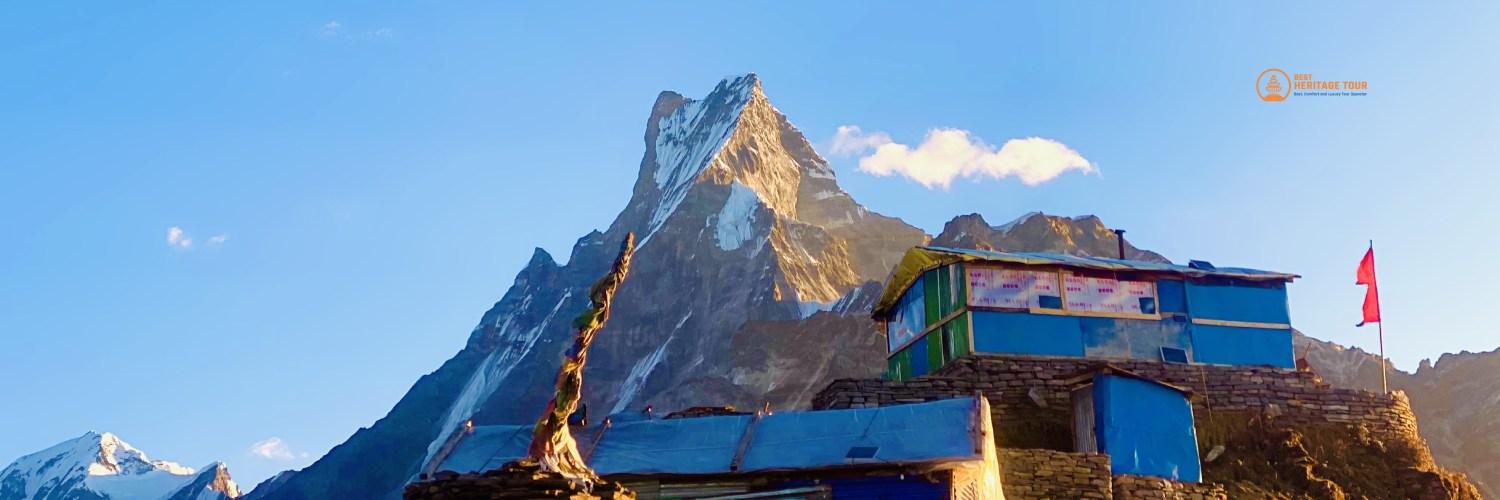
The Mardi Himal Trek lies in the Annapurna region of Nepal, starting from the hills above Pokhara and gradually climbing toward the dramatic ridges beneath Machhapuchhre (Fishtail Mountain). The highest point of the trek is Mardi Himal Base Camp at around 4,500 meters, which already places it in the high-altitude trekking category.
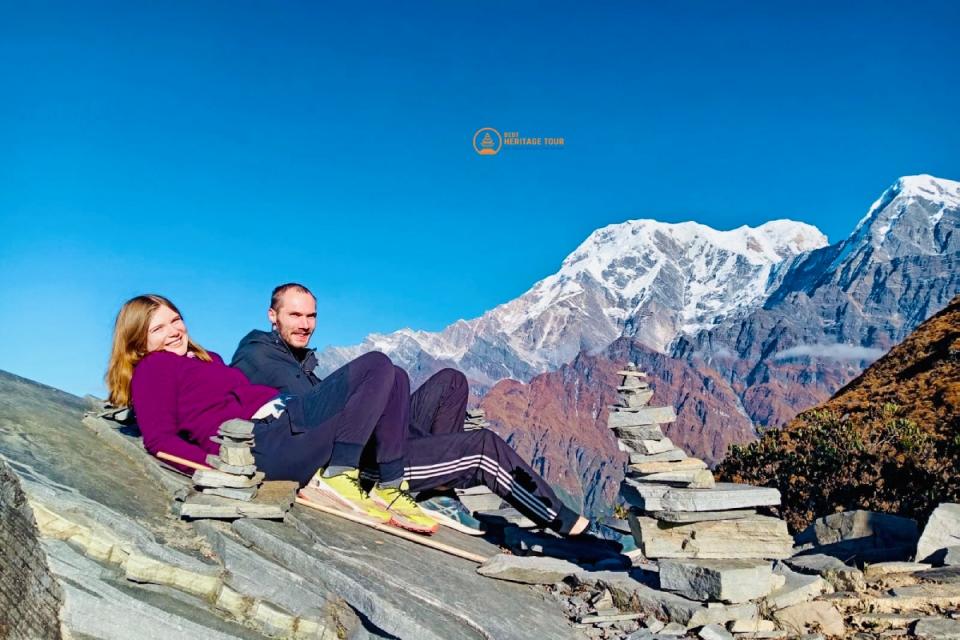
What makes this trek special - and sometimes challenging - is how quickly it transitions from gentle forest walks to open alpine terrain. In just a few days, trekkers move from lush green hills to stark mountain landscapes with breathtaking views of Annapurna South, Hiunchuli, and Machhapuchhre.
Overall Difficulty Level: Is Mardi Himal Trek Hard?
The Mardi Himal Trek is considered moderately difficult, meaning it is not extreme, technical, or dangerous, but it does require a reasonable level of fitness and determination.
This trek does not involve mountaineering skills, glacier crossings, or the use of ropes and crampons. You will walk on well-defined trails throughout the journey. However, the challenge comes from long uphill climbs, steep sections, and altitude gain over a short period.
For trekkers who are used to walking, hiking, or light trekking, the Mardi Himal Trek feels challenging but rewarding. For complete beginners with no physical preparation, it can feel demanding - especially in the final days above High Camp.
Altitude and Its Impact on Difficulty
Altitude is one of the most important factors that determines the difficulty of the Mardi Himal Trek. Although it is lower than Everest Base Camp, the trek still reaches an elevation where the air becomes noticeably thinner.
As you climb above 3,000 meters, oxygen levels drop, and your body must work harder. Some trekkers feel mild symptoms such as shortness of breath, headaches, or loss of appetite. These are normal responses to altitude and usually improve with proper pacing and hydration.
What makes Mardi Himal manageable is that the ascent is gradual when planned correctly. With enough rest, slow walking, and a well-structured itinerary, most trekkers adjust without serious problems. This is why trekking with an experienced guide is highly recommended, especially for first-time high-altitude trekkers.
Trail Conditions and Physical Challenges
The trail conditions on the Mardi Himal Trek vary significantly, which adds to both its beauty and its challenge.
In the lower sections, the path passes through dense rhododendron and oak forests. These trails are shaded, peaceful, and relatively easy to walk on. As you gain altitude, the forest begins to thin, and the trail becomes steeper.
The most physically demanding part of the trek usually begins after Low Camp. From here, the trail climbs sharply toward High Camp along narrow ridges. These sections require steady uphill walking, and trekkers often feel the strain in their legs and lungs.
Near High Camp and the Mardi Himal viewpoint, the terrain becomes more rugged and exposed. While not dangerous, these sections demand focus and energy, especially in cold or windy conditions.
Daily Walking Hours and Trekking Pace
On average, trekkers walk between five to seven hours per day on the Mardi Himal Trek. Some days feel easier, especially in the lower region, while others - particularly the ascent to High Camp and the base camp viewpoint - feel longer and more tiring.
The difficulty often depends on pacing. Trekkers who walk slowly, take regular breaks, and listen to their bodies usually find the trek manageable. Those who rush or underestimate the trail often feel exhausted sooner.
Carrying a heavy backpack can also increase difficulty significantly. Many trekkers choose to hire a porter, which allows them to walk comfortably with just a light daypack. This small decision can completely change the trekking experience.
Weather and Seasonal Difficulty
The time of year you choose to trek plays a major role in how difficult the Mardi Himal Trek feels.
During spring (March to May) and autumn (September to November), the weather is generally stable, the skies are clear, and trail conditions are at their best. These seasons offer the most comfortable trekking conditions and the clearest mountain views.
In winter, cold temperatures and occasional snowfall can make the trek more challenging, especially near High Camp. The trail may be slippery, and nights are extremely cold. Winter trekking is possible but better suited for experienced trekkers.
During the monsoon season, rain can make the lower trails muddy and leech-infested, while clouds often block mountain views. The trek becomes physically harder and less rewarding during this time.
Is the Mardi Himal Trek Suitable for Beginners?
Yes, the Mardi Himal Trek is suitable for beginners - with the right preparation and guidance.
Many first-time trekkers successfully complete this trek every year. The key is not previous trekking experience, but physical readiness, realistic expectations, and proper planning.
Beginners who train before arrival, walk at a steady pace, and trek with experienced guides generally find the Mardi Himal Trek challenging but achievable. It is often chosen as a first Himalayan trek because it offers spectacular mountain scenery without extreme technical difficulty.
Required Fitness Level and Preparation
You do not need to be an athlete to complete the Mardi Himal Trek, but basic fitness is essential. Being able to walk uphill for several hours, climb stairs comfortably, and maintain energy over multiple days will make the trek far more enjoyable.
Simple training such as walking, jogging, cycling, or stair climbing for a few weeks before the trek can greatly improve your experience. Mental preparation is just as important - understanding that some days will be tiring helps you stay motivated.
How Proper Planning Reduces Trek Difficulty
One of the biggest factors that determines trekking difficulty is planning. A well-designed itinerary with proper rest days, experienced guides, and reliable accommodation can transform a difficult trek into a smooth adventure.
Understanding weather patterns, choosing the right season, packing appropriately, and trekking at a comfortable pace all reduce physical strain. This is where a professional local trekking company makes a real difference.
Final Thoughts: Is the Mardi Himal Trek Worth the Challenge?
The Mardi Himal Trek is not an easy walk, but it is not an extreme challenge either. It sits in that perfect balance where effort meets reward. The climb may test your legs, and the altitude may push your comfort zone, but the views, silence, and sense of achievement are unmatched.
For trekkers seeking an authentic Himalayan journey with manageable difficulty, Mardi Himal is one of the best choices in Nepal.
Conclusion: Trek Mardi Himal with Confidence
Understanding the difficulty of the Mardi Himal Trek helps you prepare physically and mentally, ensuring a safer and more enjoyable experience. With the right guidance, this trek becomes not just achievable, but deeply memorable.
If you are planning the Mardi Himal Trek and want expert support, local knowledge, and a carefully paced itinerary, trekking with a trusted Nepal-based company - Best Heritage Tour is highly recommended.
Contact Best Heritage Tour
Phone / WhatsApp / Viber: +977-9851149197 / +977-9810043046
Email: info@bestheritagetour.com / bestheritagetour@gmail.com
Website: www.bestheritagetour.com
Office: Thamel Marg, Kathmandu, Nepal
Author: Best Heritage Tour
Date: 19th December, 2025