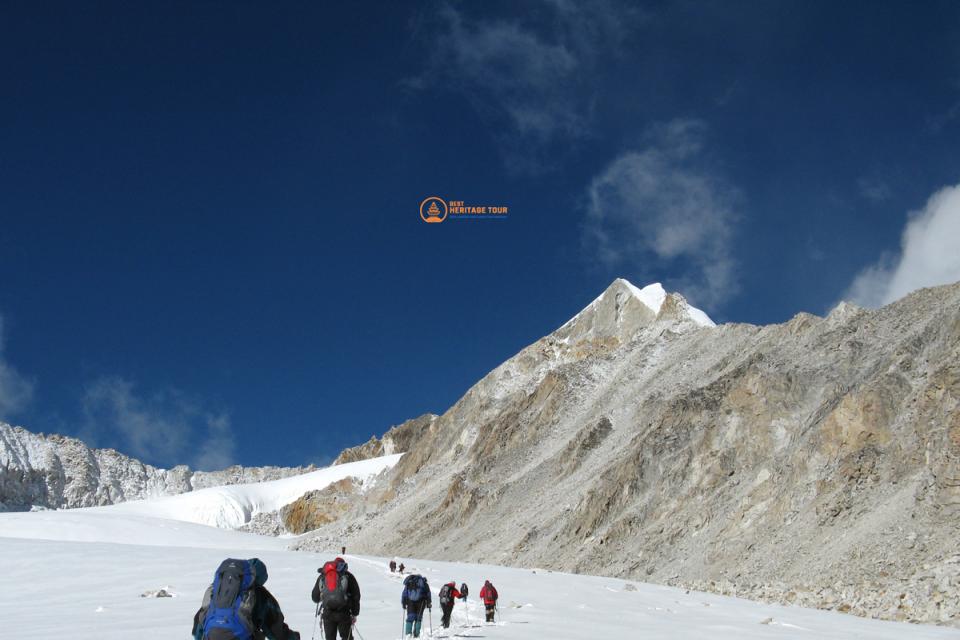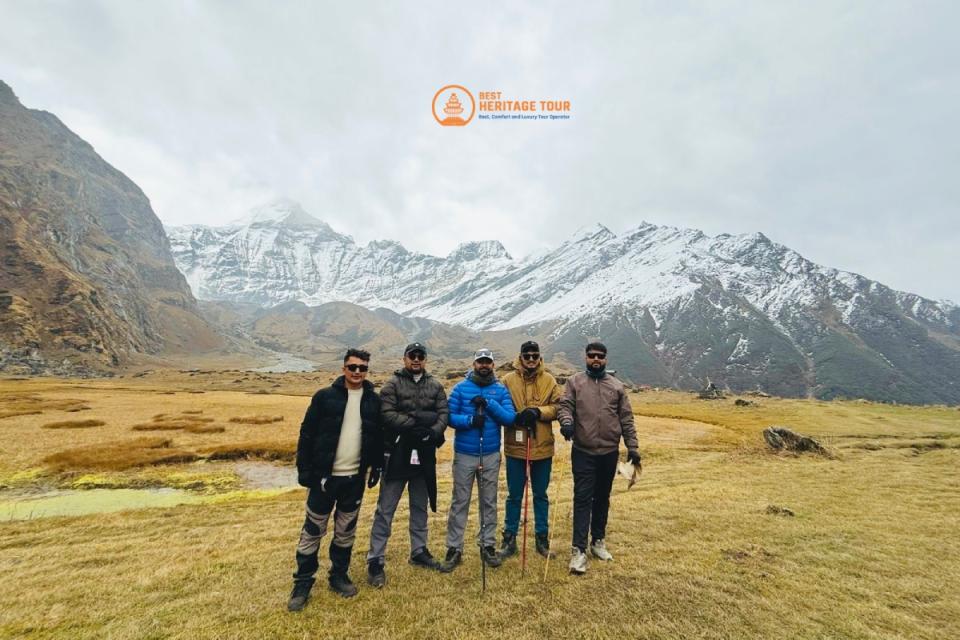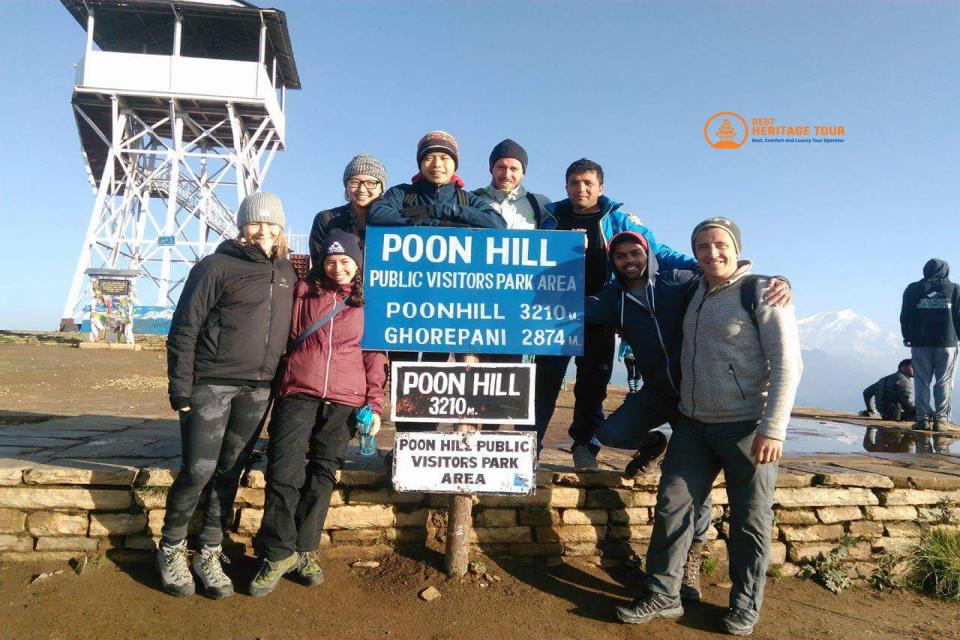
The call of the Himalayas is powerful, but answering it requires preparation. Unlike a beach holiday, trekking in Nepal involves navigating immense temperature swings - from warm, humid jungle paths near 1,000 meters to frigid, sub-zero passes above 5,000 meters. The right gear isn't just about comfort; it's about safety and success.
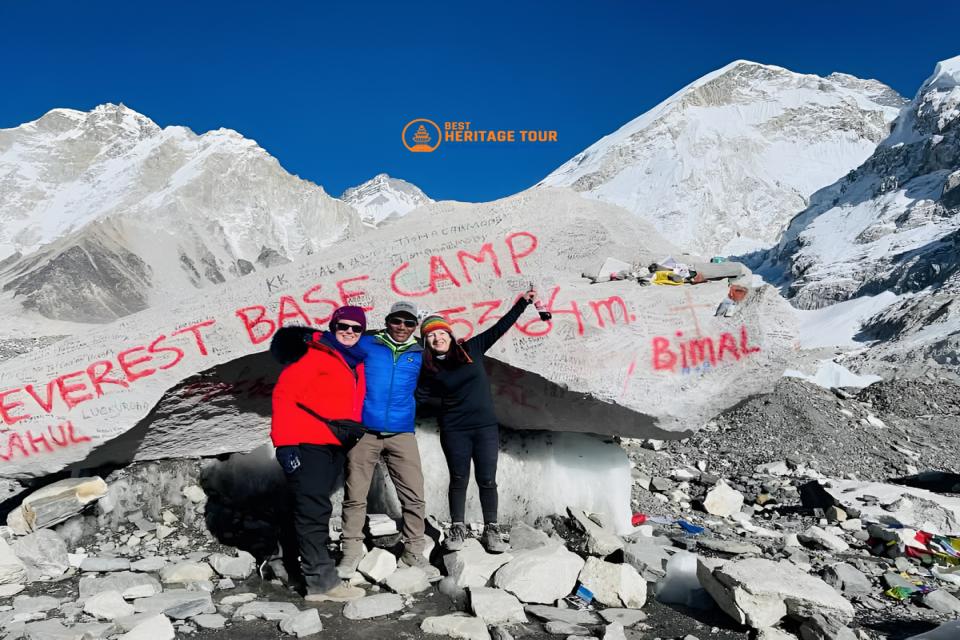
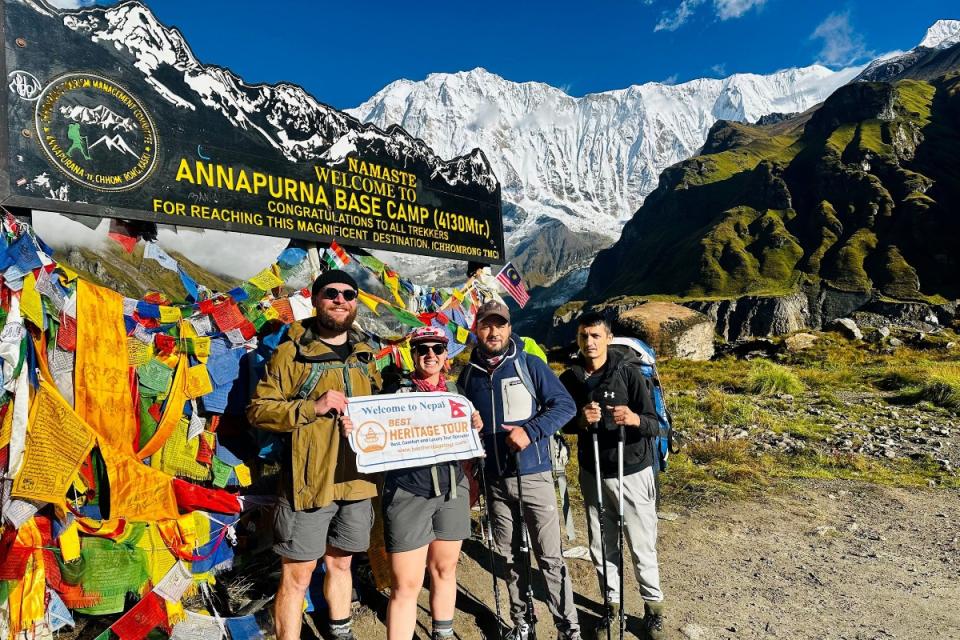
This definitive guide, curated from decades of leading expeditions on the Everest Base Camp (EBC), Annapurna Base Camp (ABC), and Manaslu Circuit Treks, breaks down exactly what you need. We'll show you how to apply the Layering System universally and highlight the key differences between a moderate trek (like ABC) and a high-altitude expedition (like EBC or Manaslu).
The Golden Rule: Pack Light, Layer Smart
Remember, if you are using a porter (highly recommended by Best Heritage Tour), your main duffel bag should not exceed 12-15 kg (26-33 lbs). Focus on versatility and quality over quantity.
Part I: The Essential Layering System (The Core of All Treks)
The three-layer system is your survival strategy in the mountains. Every item of clothing must be non-cotton (except lodge wear), quick-drying, and focused on warmth-to-weight ratio.
A. Base Layer (The Skin Layer)
This layer wicks sweat away from your skin, which prevents dangerous chilling when you stop moving.
|
Item |
Quantity |
Material Notes |
EBC/Manaslu vs. ABC |
|---|---|---|---|
|
Long-Sleeve Thermal Top |
2 |
Merino wool or high-quality synthetic. Essential for every day. |
EBC/Manaslu: Prefer medium-weight wool. ABC: Lighter weight is fine. |
|
Thermal Bottoms/Leggings |
2 |
Merino wool or synthetic. Used for sleeping and under trekking pants. |
All Treks: Crucial for evenings and high-altitude days. |
|
Trekking T-shirts |
3-4 |
Quick-dry, synthetic (polyester, nylon) or light merino. |
ABC: You'll use these more at lower altitudes. |
|
Underwear & Sports Bras |
5-7 pairs |
Moisture-wicking material (not cotton). Sports bras should be comfortable for long days. |
All Treks: Prioritize quick-drying synthetics. |
B. Mid Layer (The Insulation Layer)
This layer traps body heat and keeps you warm. You add or remove this based on exertion and temperature.
|
Item |
Quantity |
Material Notes |
EBC/Manaslu vs. ABC |
|---|---|---|---|
|
Fleece Jacket/Pullover |
1-2 |
Mid-weight fleece (Polartec 100 or 200). A full-zip is versatile for venting. |
All Treks: Essential for teahouse evenings. |
|
Light Insulated Vest |
1 |
A lightweight down or synthetic vest. Excellent core warmth without bulk. |
All Treks: Great for adding warmth over a base layer during the day. |
|
Light Trekking Pants |
2 |
Quick-dry, synthetic, and durable. Convertible pants (zip-off) are highly recommended. |
ABC: You'll use shorts or convertible pants more often at lower, warmer elevations. |
C. Outer Shell Layer (The Protection Layer)
This is your defense against wind, rain, and snow. It must be breathable to let sweat vapor escape.
|
Item |
Quantity |
Material Notes |
EBC/Manaslu vs. ABC |
|---|---|---|---|
|
Hardshell Jacket |
1 |
Waterproof and windproof (Gore-Tex or equivalent). A hood is essential. |
All Treks: Non-negotiable safety item. |
|
Hardshell /Waterproof Pants |
1 |
Lightweight, breathable, with side zips for easy removal over boots. |
All Treks: Useful for rain, snow, and extreme wind (like crossing Thorong La or Larkya La). |
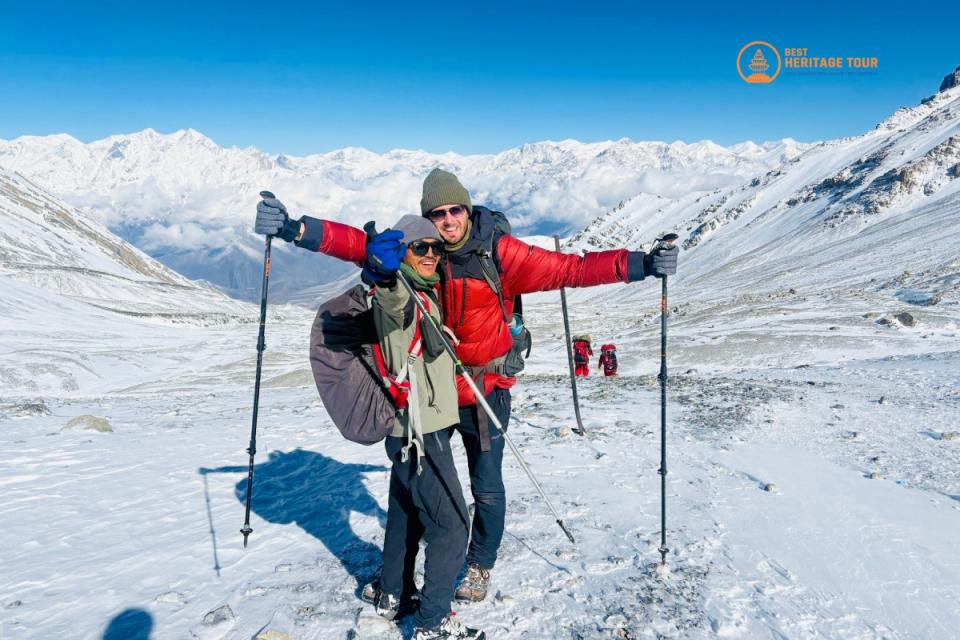
Part II: Essential High-Altitude Gear (The Cold Zone)
This gear is specifically required for treks that reach over 4,500 meters (14,764 ft), such as EBC, Manaslu, and high-pass routes. For ABC, some of this gear can be lighter.
A. Head, Hands, and Extremities
You lose the most heat through your head, and fingers/toes are prone to frostnip/frostbite.
|
Item |
Quantity |
Notes |
EBC/Manaslu Priority |
|---|---|---|---|
|
Insulated Down Jacket |
1 |
Crucial. 600-800 fill power is ideal. Can be rented in Kathmandu/Pokhara. |
High Priority. Essential for early mornings/evenings above 4,000m. |
|
Warm Hat/Beanie |
1 |
Wool or fleece that covers the ears. |
High Priority. |
|
Sun Hat/Cap |
1 |
Wide brim or baseball cap for sun protection. |
High Priority. |
|
Neck Gaiter/Buff |
1-2 |
Versatile. Protects neck, mouth, and nose from dust and cold air (prevents Khumbu cough). |
High Priority. |
|
Gloves (Inner/Liner) |
1 pair |
Thin, merino or fleece gloves for light warmth and layering. |
High Priority. |
|
Gloves (Outer/Insulated) |
1 pair |
Waterproof, windproof, and heavily insulated mittens or gloves. |
High Priority. |
B. Footwear and Foot Care
The foundation of a successful trek.
|
Item |
Quantity |
Notes |
EBC/Manaslu Priority |
|---|---|---|---|
|
Trekking Boots |
1 pair |
Sturdy, waterproof, ankle-supporting. MUST BE BROKEN IN. |
High Priority. |
|
Hiking Socks (Thin Liner) |
3-4 pairs |
Moisture-wicking (synthetic) to prevent friction and blisters. |
High Priority. |
|
Hiking Socks (Thick Wool) |
3-4 pairs |
Heavy wool or synthetic blend (Smartwool, Darn Tough) for warmth. |
High Priority. |
|
Lodge Shoes/Sandals |
1 pair |
Crocs, sandals, or light trail runners for relaxing in teahouses. |
High Priority. |
|
Gaiters |
1 pair |
Recommended for EBC/Manaslu during spring/winter to keep snow out of boots. |
Recommended for High-Altitude. |
Part III: Trekking & Safety Equipment
These items are carried in your daypack (30-40L), which you carry yourself.
A. Bags and Sleeping Gear
|
Item |
Quantity |
Notes |
EBC/Manaslu vs. ABC |
|---|---|---|---|
|
Main Duffel Bag |
1 |
Durable, lockable, waterproof bag for the porter (70-90L). Best Heritage Tour often provides this. |
All Treks. Max weight 15 kg. |
|
Daypack |
1 |
30-40L capacity with a rain cover. For carrying daily essentials. |
All Treks. |
|
Sleeping Bag |
1 |
Rated to at least -10°C (14°F). For EBC/Manaslu, -20°C is safer for comfort. Can be rented. |
High Priority for EBC/Manaslu. |
|
Sleeping Bag Liner |
1 |
Fleece or silk. Adds warmth and is crucial for hygiene. |
All Treks. |
|
Trekking Poles |
1 pair |
Highly recommended. Reduces strain on knees, especially on long downhill stretches. |
High Priority. |
|
Headlamp |
1 |
With spare batteries/power pack. Essential for dark trails, teahouse evenings, or summit pushes. |
High Priority. |
B. Navigation, Hydration, and Health
|
Item |
Quantity |
Notes |
EBC/Manaslu vs. ABC |
|---|---|---|---|
|
Water Bottles |
2 (1L each) |
Nalgene or a similar sturdy, wide-mouth plastic bottle. At least one should be metal/thermos to hold boiled water at night. |
High Priority. |
|
Water Purification |
1 method |
Tablets (iodine/chlorine) or a Steripen/Lifestraw. Do not rely on bottled water (environmental damage). |
High Priority. |
|
Sunscreen (SPF 30+) |
1 large tube |
UV rays are extremely intense at high altitude. |
High Priority. |
|
Lip Balm with SPF |
1-2 |
Essential to prevent chapping and sun damage. |
High Priority. |
|
Sunglasses |
1 pair |
UV-protective. Category 3 or 4 for high-altitude snow glare is highly recommended (prevents snow blindness). |
High Priority for EBC/Manaslu. |
|
Personal First Aid Kit |
1 |
Blister kit (moleskin, blister plasters, duct tape), painkillers (Ibuprofen), antidiarrheal, and any personal medications. |
High Priority. |
|
Diamox (Altitude Meds) |
1 course |
Consult your doctor first. Used to help prevent AMS. |
Recommended for EBC/Manaslu. |
Part IV: Personal, Hygiene & Documents (The Necessities)
A. Documentation & Money
-
Passport: Must be valid for at least 6 months.
-
Visa: Obtain on arrival at TIA or in advance.
-
Travel Insurance Policy: Crucial. Must cover helicopter evacuation up to your max trekking altitude (e.g., 5,550m for EBC).
-
Permits: Your Best Heritage Tour guide will handle the official process for TIMS/ACAP/MCAP/RAP permits, but carry photocopies of your passport and visa (4-6).
-
Cash: Enough Nepali Rupees (NPR) for the trek duration, as ATMs are scarce/non-existent beyond major towns. Budget for tips, hot showers, and charging fees.
B. Toiletries & Hygiene
Since water is precious and facilities are basic, pack smart.
-
Quick-Dry Towel (Microfiber): Small and essential.
-
Toilet Paper/Tissues: Not provided in all teahouses. Carry a few rolls; you can buy more on the way.
-
Hand Sanitizer & Wet Wipes: Crucial for hygiene before meals and after the toilet.
-
Toothbrush, Toothpaste, Biodegradable Soap: Keep toiletries minimal and environmentally friendly.
-
Moisturizer/Hand Cream: The cold, dry air is tough on skin.
C. Electronics & Miscellaneous
-
Power Bank (10,000+ mAh): Charging batteries at teahouses often costs extra (NPR 300-500 per hour). A power bank is cost-effective.
-
Camera/Phone: With extra memory cards and batteries (batteries drain fast in the cold).
-
Duct Tape: The ultimate repair tool for boots, bags, or gear tears.
-
Padlock: For securing your duffel bag (carried by the porter).
The Trek-Specific Gear Checklist
|
Trekking Route |
Max Altitude |
Key Differences in Packing |
Sleeping Bag Temp |
|---|---|---|---|
|
Everest Base Camp (EBC) |
5,364m (17,598 ft) |
Requires maximum insulation and wind protection (balaclava, high-rated down jacket). |
-20°C to -10°C |
|
Manaslu Circuit |
5,106m (16,752 ft) - Larkya La |
Very remote. Requires more personal supplies, cash, and high-altitude insulation. Microspikes recommended if trekking in the shoulder seasons/winter. |
-20°C to -10°C |
|
Annapurna Base Camp (ABC) |
4,130m (13,550 ft) |
Less extreme cold. Requires fewer heavy layers; use more base/mid layers. Less focus on deep-winter gear. |
-10°C to -5°C |
|
Annapurna Circuit |
5,416m (17,769 ft) - Thorong La |
Similar to EBC. Extremely heavy down jacket and windproof layers are essential for crossing the high pass. |
-20°C to -10°C |
Best Heritage Tour Pro-Tip: Don't stress about buying everything new. You can rent high-quality down jackets and sleeping bags from reputable shops in Thamel (Kathmandu) for a minimal daily fee. This saves you hundreds of dollars and avoids carrying bulky items on international flights.
Conclusion: Let Our Expertise Carry You
A successful trek in the Himalayas hinges on preparation, and your packing list is the first step. By adhering to the layering system and understanding the specific demands of high-altitude routes like EBC and Manaslu, you will be prepared for any weather the mountains present. Remember to pack lightly, prioritize safety, and trust the local experts.
At Best Heritage Tour, we not only provide comprehensive gear guidance, but we also ensure you have the highest quality rented equipment, secure all necessary permits, and use experienced, ethically treated porters to manage your main luggage. Focus on the trail; we'll handle the logistics.
Ready to Plan Your Perfectly Prepared Trek?
Contact us today to review your packing list and start planning your perfectly prepared Himalayan adventure!
Phone / WhatsApp / Viber: +977-9851149197 / +977-9810043046
Email: info@bestheritagetour.com / bestheritagetour@gmail.com
Website: www.bestheritagetour.com
Location: Thamel Marg, Kathmandu, Nepal
Author: Best Heritage Tour
Date: 30th November, 2025