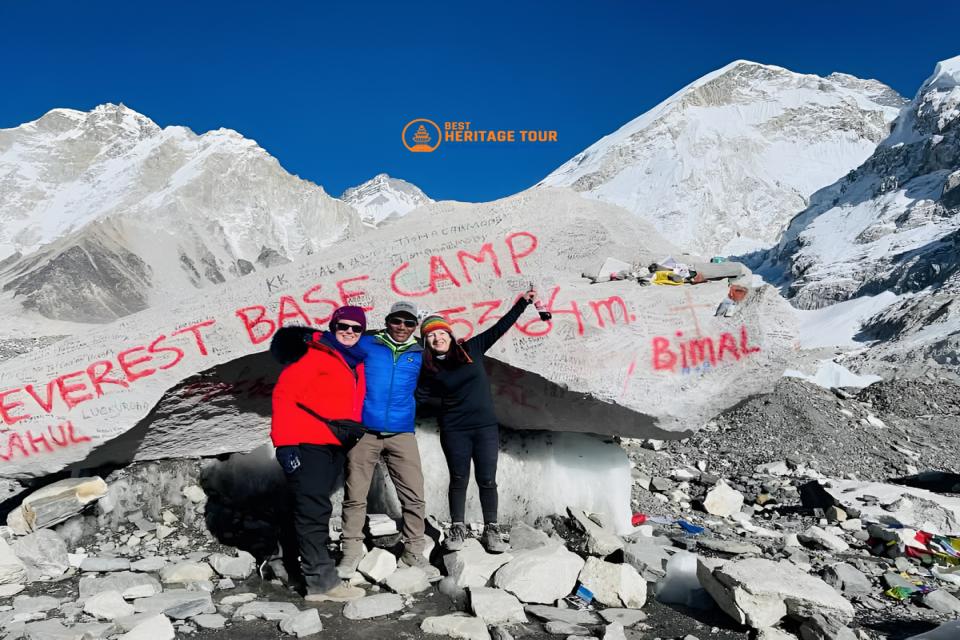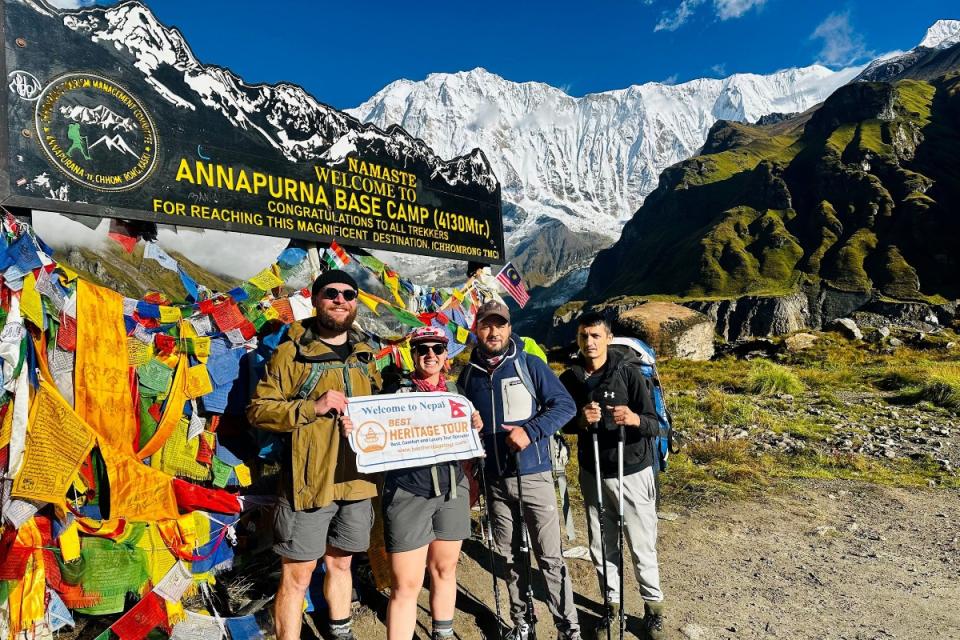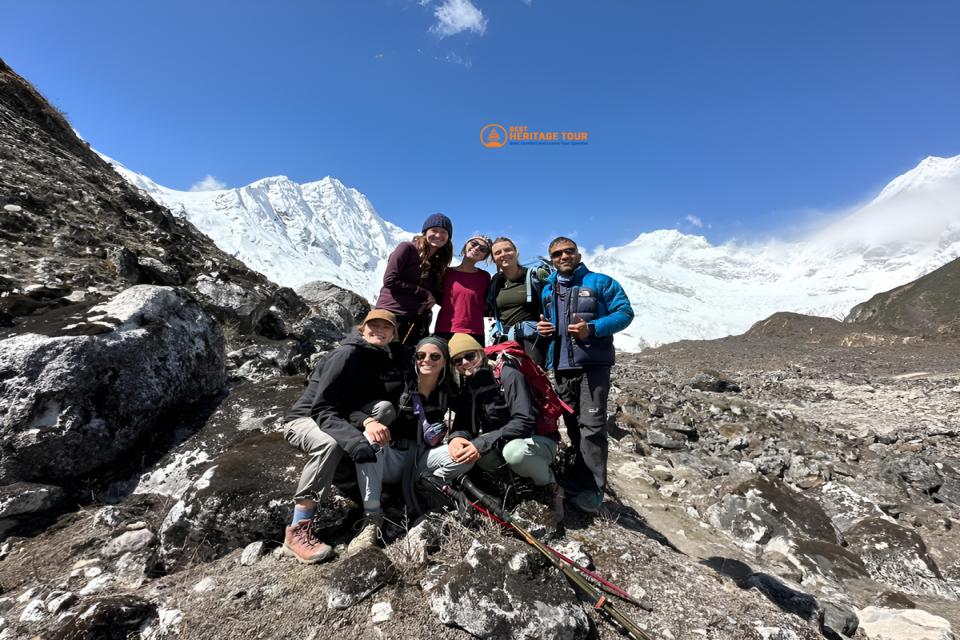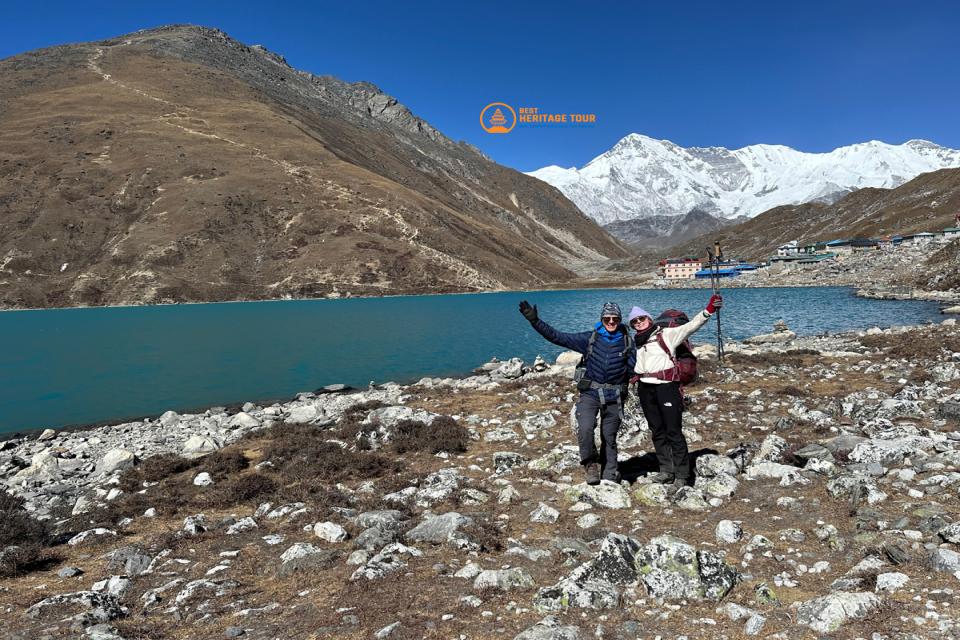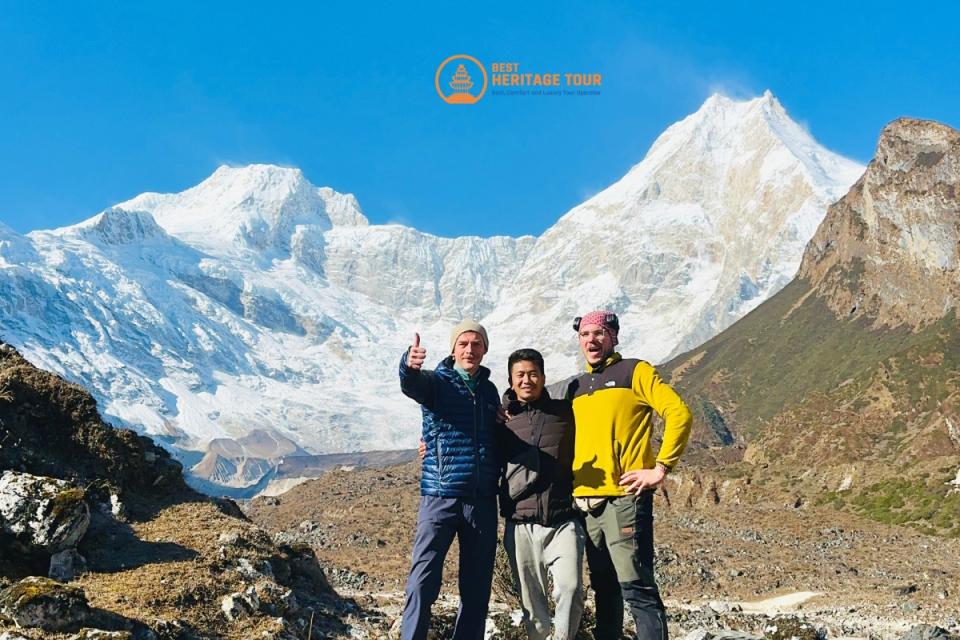
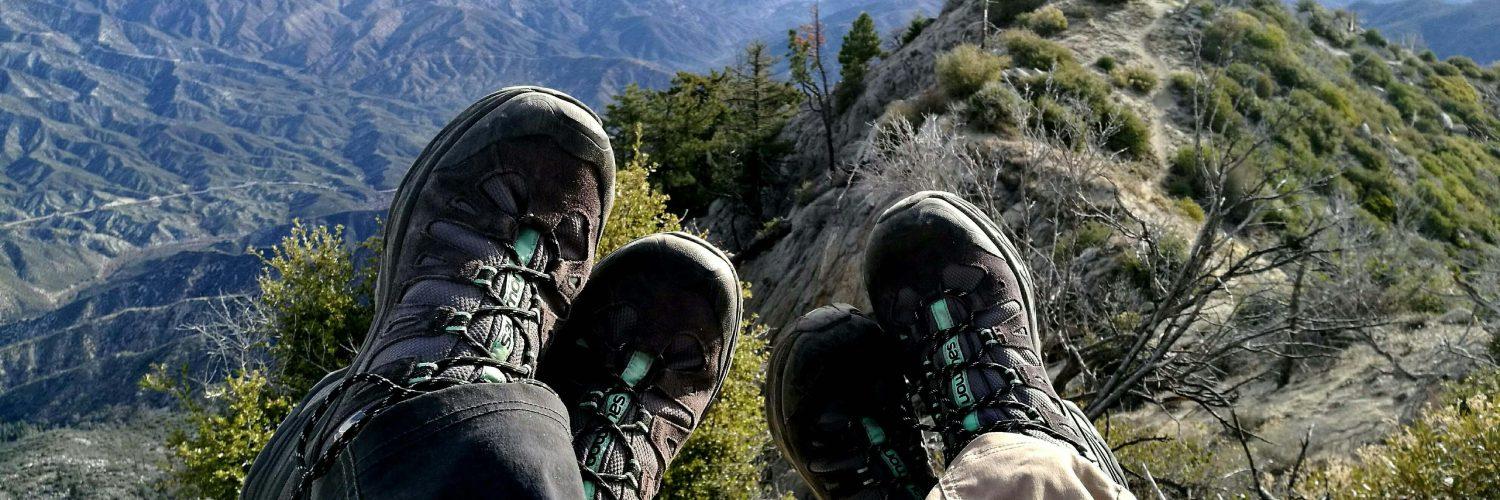
The trails to Everest Base Camp, the Annapurna Circuit, and Langtang Valley are ancient, beautiful, and demanding. Before you take your first step onto these dynamic trails, a critical decision awaits: choosing your trekking footwear.
Your boots are the single most important piece of gear for safety, comfort, and the overall success of your adventure. Here at Best Heritage Tour, we understand that Nepal's trails - from humid, stone-paved foothills to icy, high-altitude moraines - demand a versatile and dependable boot.
This definitive guide is compiled from decades of experience, designed to help every first-time Himalayan trekker confidently choose the best trekking shoes for Nepal.
The Himalayan Challenge: Why Specific Footwear Matters
Trekking in Nepal exposes your footwear to a staggering variety of microclimates and challenging terrains over a single trip. Your boots must be able to adapt to:
-
Slippery Foothills: Muddy, humid trails and slippery stone steps requiring aggressive lugs and waterproofing.
-
Rocky Ascents and Descents: Uneven, rough stone staircases that demand a stiff midsole to absorb impact and prevent foot fatigue.
-
High-Altitude Scree: Loose gravel, dust, and sharp rocks requiring robust durability and a strong toe cap.
-
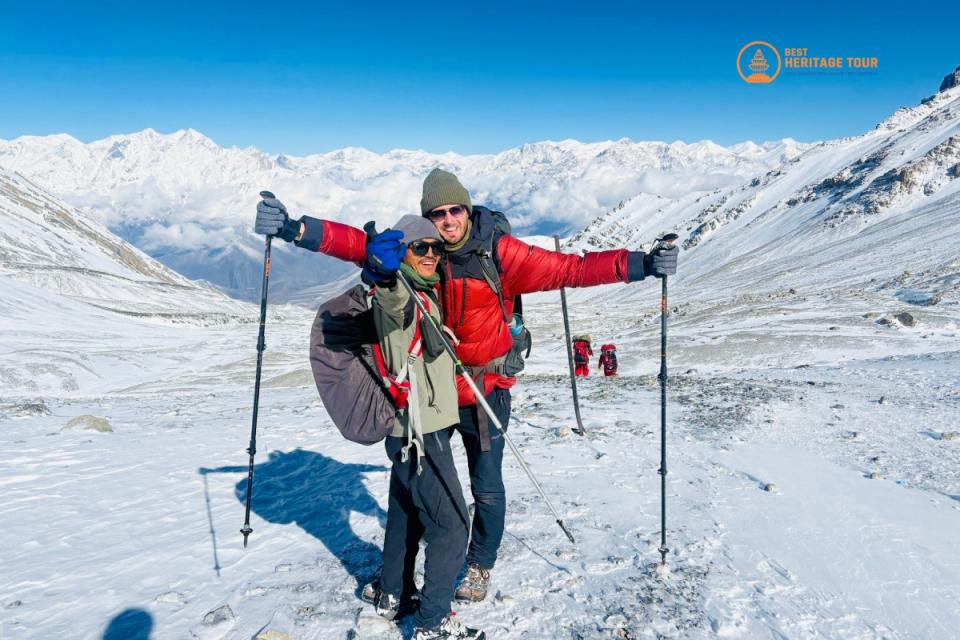
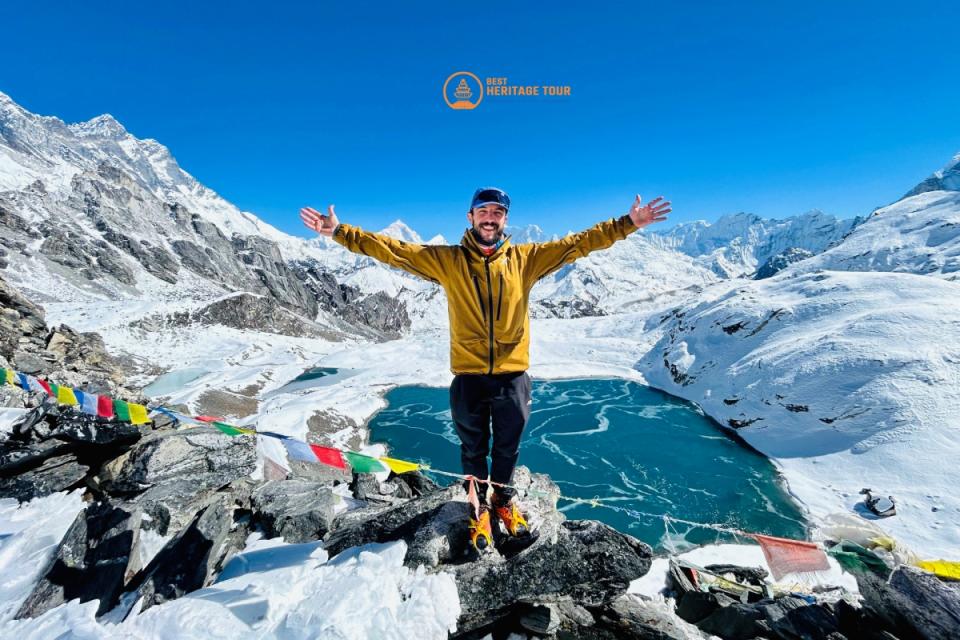
Snow and Ice: Glacial moraine and snow patches (especially above 4,000 meters or during shoulder seasons) demanding reliable insulation and traction.
The takeaway for the first-timer: Never compromise on quality. An ill-fitting or inadequate shoe can lead to painful blisters, stability issues, and major safety risks.
Key Features: Your Nepal Trekking Shoe Selection Blueprint
To make an informed choice, you must understand the vital components that define a high-performance trekking boot for the Himalayas.
1. Ankle Support and Boot Cut
The stability of your boot determines your safety on the uneven Nepali terrain.
|
Boot Cut |
Best For (Nepal Treks) |
Why It Matters |
|---|---|---|
|
High-Cut Trekking Boots |
EBC, Annapurna Circuit, Manaslu, Winter Treks |
Provides essential stability when carrying a heavy pack on highly uneven, rocky terrain. Protects the ankle from twists and sprains common on long descents. |
|
Mid-Cut Hiking Boots |
Ghorepani Poon Hill, Mardi Himal, Langtang Valley (Moderate Loads) |
A great balance of support and flexibility. Suitable for trekkers carrying lighter loads on less technical, moderate trails. |
Expert Insight: For first-time multi-day Himalayan treks, a Mid-Cut or High-Cut Waterproof Boot is mandatory. Low-cut hiking shoes are strongly discouraged due to the lack of torsional and ankle support needed for heavy backpacks and steep, rocky trails.
2. Weather Protection: Waterproofing and Material
Nepal's trails don't always offer perfect weather. Protection from moisture is non-negotiable.
-
Waterproof Membrane: Choose boots featuring a reliable waterproof yet breathable membrane, such as GORE-TEX or an equivalent proprietary technology. This keeps external water out while allowing internal sweat vapor to escape, preventing damp feet and subsequent blisters.
-
Upper Materials:
-
Full-Grain Leather: Highly durable and water-resistant, but heavier and requires extensive break-in.
-
Synthetic/Split-Grain Leather: Lighter, faster to dry, and requires less break-in time. A popular, modern choice for many trekkers.
-
-
Pro-Tip: Even the best waterproof boot benefits from gaiters. These fabric sleeves cover the top of the boot, preventing stones, mud, or snow from entering through the collar.
3. Traction and Outsole
Your grip on wet rocks and loose scree is critical.
-
Vibram Soles: The industry benchmark. Renowned for providing excellent, multi-directional traction and durability on diverse surfaces (wet rock, dry dirt, gravel).
-
Lugs: Look for deep, widely spaced, multi-directional grooves (lugs) in the sole. These patterns are designed to efficiently bite into soft ground (mud, dirt, snow) and easily shed debris without clogging.
-
Heel Brake: A clearly defined edge at the heel that provides crucial resistance for controlled, stable descent on steep, loose slopes.
4. Midsole Stiffness and Support
The midsole absorbs shock and dictates how stable the boot feels under load.
-
Material Choice (EVA vs. PU): Polyurethane (PU) is denser, firmer, and resists compression better than EVA, making it ideal for carrying heavier loads and providing necessary durability for extended treks.
-
Shank/Plate: A rigid insert that stiffens the boot longitudinally. This is vital because it:
-
Protects your foot from bruising on sharp rocks ("rock protection").
-
Reduces foot fatigue over long distances by preventing the foot from having to constantly flex. A stiffer sole is essential for high-altitude, rocky trails like those leading to EBC.
-
The Perfect Fit: Lacing Up for Success
A perfectly fitted boot is more important than a brand name. An incorrect fit guarantees blisters, pain, and potentially injury.
Step 1: When and How to Try Boots
-
Time of Day: Always shop in the late afternoon or evening when your feet are naturally swollen, mimicking the size they will be after a long day of trekking.
-
The Right Socks: Bring the actual trekking socks you plan to wear. Quality, padded, moisture-wicking socks (Merino wool or synthetic) are essential and affect the final fit.
-
Insole Check: Remove the insole and stand on it. You must have a full thumb's width of space between your longest toe and the front edge of the insole. If you don't, the boot is too small.
Step 2: Testing the Fit Dynamics
-
The Heel Test (Ascent): Lace the boots snugly. Walk uphill. Your heel should feel securely locked with minimal lift (no more than 1-2 mm). Excessive heel lift creates the friction that causes blisters.
-
The Descent Test (Toe Clearance): Find a downward ramp or stairs. Walk down. Your toes must not forcefully jam against the front of the boot. If they do, you will suffer pain and potential toenail loss on the steep downhill sections common in Nepal.
-
Toe Box Space: Ensure you can comfortably wiggle your toes up and side-to-side. A restrictive toe box leads to pressure, cold feet, and numbness.
Local Knowledge Reminder: Never trek in brand new boots. If you choose to buy gear in Kathmandu, dedicate at least a few days to wearing them constantly before starting your trek.
Step 3: The Essential Break-In Period
This step is mandatory. Boots are stiff, and you must soften them to conform to your unique foot shape.
-
Minimum Goal: Wear your boots for at least 50-70 kilometers on varied terrain before your flight to Nepal.
-
The Process: Start indoors, move to short neighborhood walks, and progress to long weekend hikes (8-15 km) with the full socks and a weighted backpack. This simulates the exact pressure and conditions of your Himalayan journey.
Matching Footwear to Your Trekking Destination
Nepal offers treks of varying difficulty. Match your boot's capabilities to your itinerary.
|
Trekking Category |
Recommended Boot Type |
Key Features |
Examples of Treks |
|---|---|---|---|
|
Moderate |
Mid-Cut, Lightweight, Waterproof |
Mid-flex sole, excellent cushioning, good breathability. |
Poon Hill, Langtang Valley (standard route), Mardi Himal |
|
Strenuous/High-Altitude |
High-Cut, Durable, Mid-Weight |
Stiff shank for stability, robust construction (PU midsole), high ankle support, superior insulation. |
Everest Base Camp, Annapurna Circuit, Manaslu Circuit |
|
Expedition/Winter |
Insulated, Mountaineering Boots |
Fully rigid sole, high insulation, full crampon compatibility. |
High Passes in winter (e.g., Cho La), specialized mountaineering climbs. |
The Critical Supporting Gear
Your boots are only part of the system. The right accessories maximize comfort and performance.
-
Trekking Socks: Mandatory Merino Wool or Synthetic Blends. They manage moisture (wicking it away from the skin) and maintain warmth, unlike cotton. Use a two-sock system (thin liner + thick padded wool sock) to reduce friction and minimize blisters.
-
Camp Shoes: Essential for resting your feet in the teahouse after a long day. Bring lightweight sandals (e.g., Crocs) or down booties for warmth in cold dining halls.
-
Blister Kit: Carry Moleskin or Compeed Blister Plasters. Apply an anti-friction balm or tape to hot spots immediately upon feeling any discomfort - do not wait for a blister to form.
Conclusion: Your Journey Starts with the Right Step
The majesty of the Himalayas awaits. Your dedication to choosing the right trekking shoes - focusing on fit, stiffness, waterproofing, and proper break-in - is the single greatest factor in ensuring a safe, enjoyable, and successful trek.
At Best Heritage Tour, we provide not only expert guiding services but also the knowledge to ensure you are perfectly prepared for every challenge the trail presents. We are here to help you turn your dream into a comfortable, lasting memory.
If you have any further questions about gear, current trail conditions, or would like to book your unforgettable heritage journey, please reach out to our dedicated team today.
We look forward to guiding you on the adventure of a lifetime!
Ready to Plan Your Perfect Himalayan Trek?
Phone / WhatsApp / Viber: +977-9851149197 / +977-9810043046
Email: info@bestheritagetour.com / bestheritagetour@gmail.com
Website: www.bestheritagetour.com
Office: Thamel Marg, Kathmandu, Nepal
Author: Best Heritage Tour
Date: 12th December, 2025