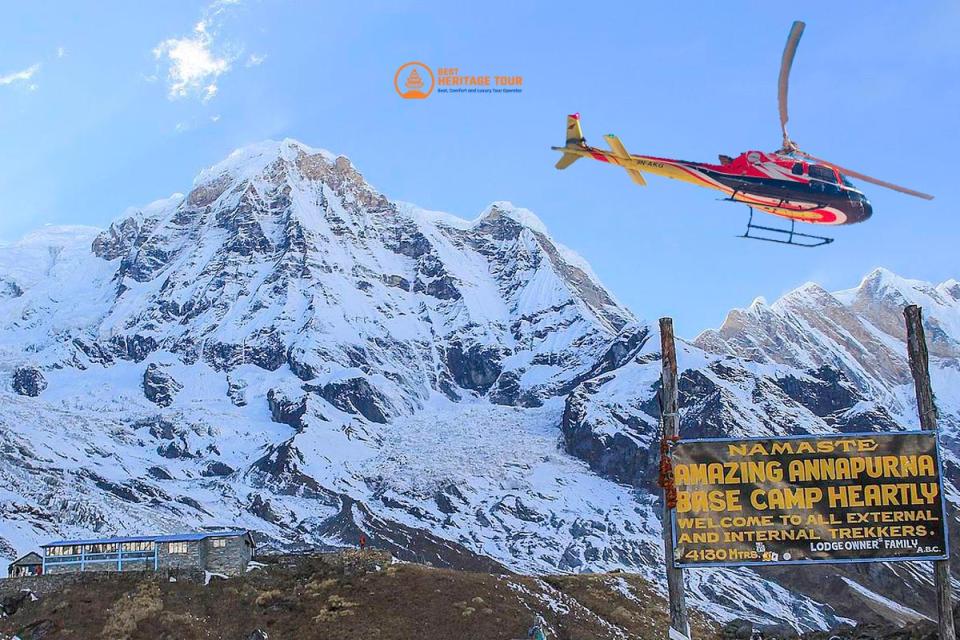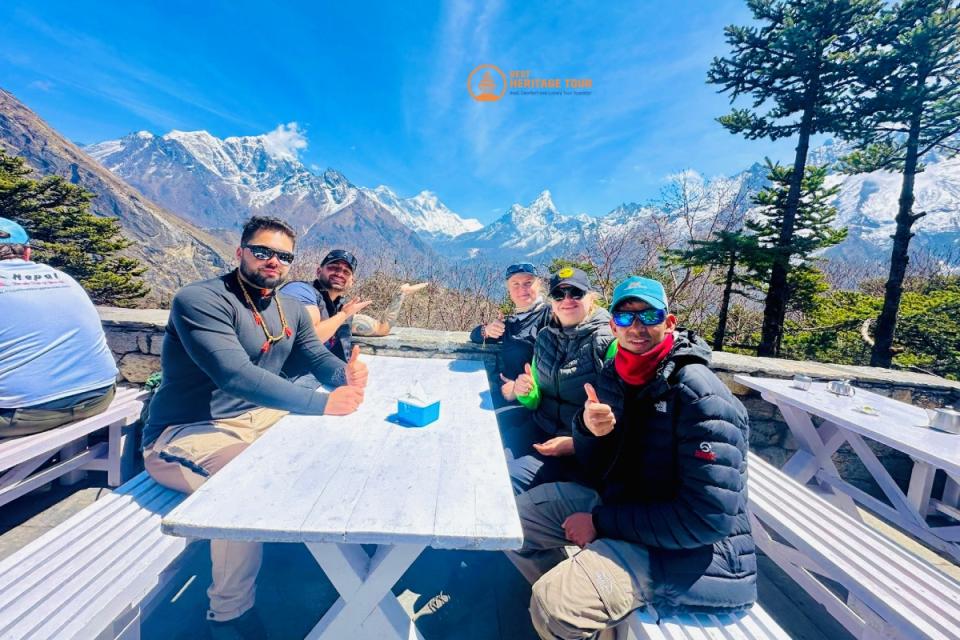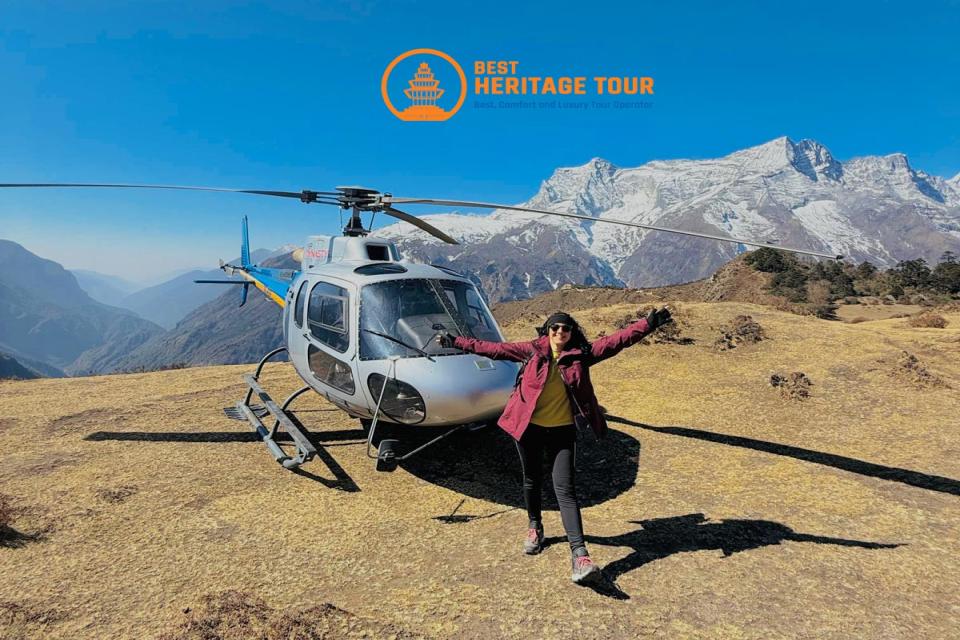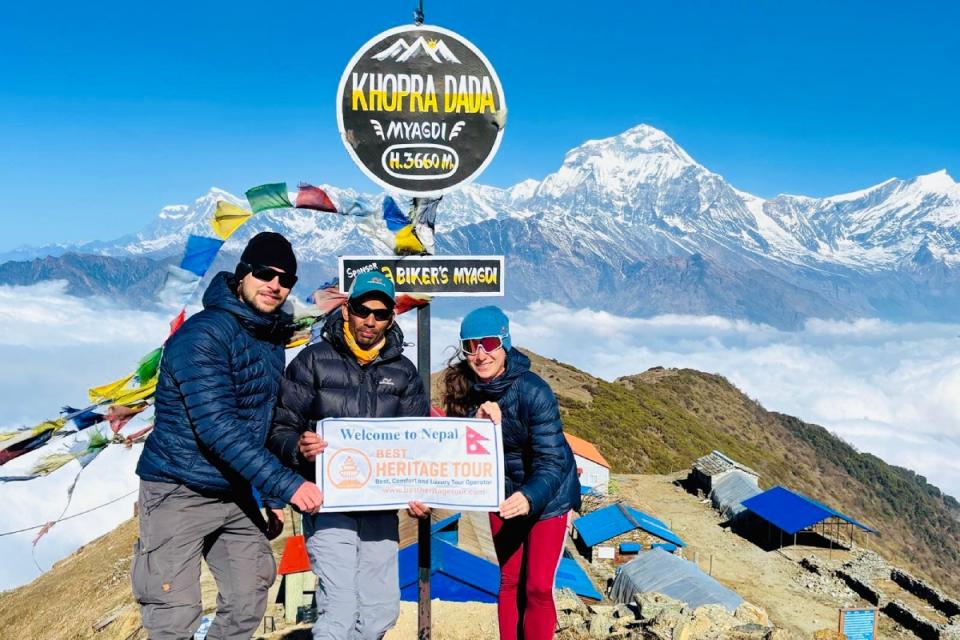
Choosing the right time to trek in the Everest and Annapurna regions is the single most critical decision that impacts safety, visibility, comfort, and the overall enjoyment of your journey. Nepal’s climate is governed by the annual monsoon cycle, resulting in four distinct seasons, each offering a unique experience.
At Best Heritage Tour, we understand that 'The Best Time' is subjective - it depends on whether you prioritize clear skies (Autumn/Spring), solitude (Winter/Monsoon), or the vibrancy of rhododendrons (Spring).
This definitive, month-by-month guide compares the weather, visibility, temperature, and trail conditions in the high-altitude Everest region (EBC) and the more diverse Annapurna region (ABC, Annapurna Circuit), helping you pinpoint the perfect window for your dream trek.
Part I: The Four Seasons of the Himalayas
Nepal's high-altitude climate is categorized into two Peak Seasons (Autumn and Spring) and two Off-Seasons (Winter and Monsoon/Summer).
|
Season |
Months |
Weather Summary |
Crowds & Visibility |
|---|---|---|---|
|
Autumn |
September, October, November |
Stable, dry, moderate temperatures, best visibility. |
Peak Season (Highest Crowds) |
|
Winter |
December, January, February |
Cold, dry days, freezing nights. Snowfall at high passes. |
Off-Season (Low Crowds) |
|
Spring |
March, April, May |
Warm, clear mornings, blooming flowers, moderate temperatures. |
Peak Season (High Crowds) |
|
Monsoon/ Summer |
June, July, August |
High rainfall, humid, cloud cover, high-altitude rain shadow areas are exceptions. |
Off-Season (Lowest Crowds) |
Part II: The Golden Seasons (Peak Trekking)
These are universally recognized as the best times to trek, offering the ideal balance of weather stability, mild temperatures, and phenomenal visibility.
1. Autumn: September, October, November (The Clearest Views)
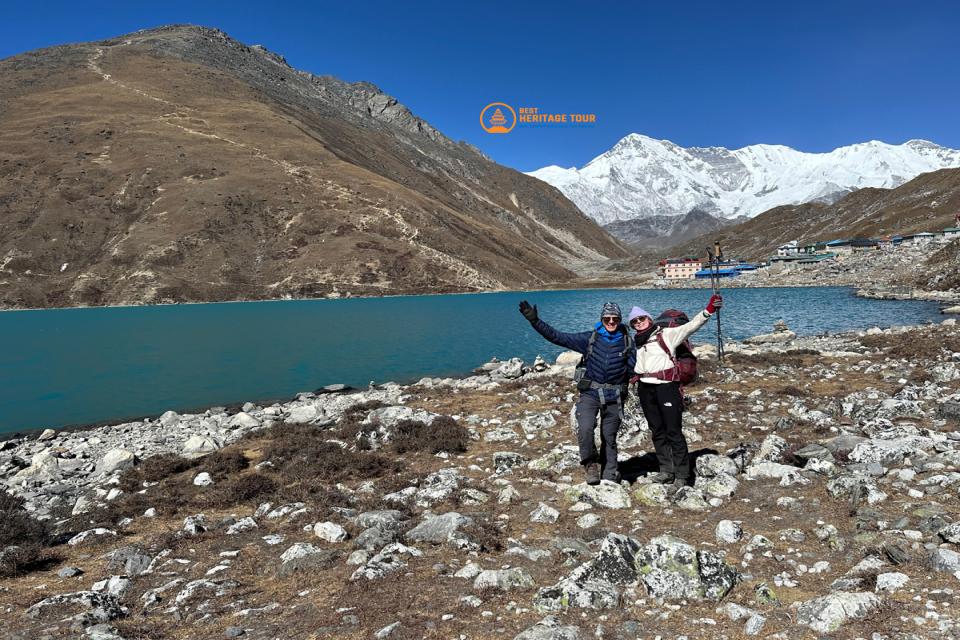
Autumn is the most popular time for high-altitude trekking. The monsoon rains have cleansed the atmosphere, leaving the air dry, crisp, and offering crystal-clear mountain panoramas.
October: The Pinnacle Month
-
Weather: Exceptionally stable. Dry days, minimal chance of rain or snow.
-
Everest (EBC): Clear views of Everest and the surrounding peaks are nearly guaranteed. Daytime temperatures at EBC (5,200m) can be -5°Cto 5°C, feeling warm in the sun.
-
Annapurna (ABC/Circuit): Ideal trekking. The Circuit is excellent before the high pass (Thorong La) becomes too icy. ABC is perfect. Lower trails are dry and pleasant.
-
Crowd:Extremely High. Lodges fill up, requiring advance booking, especially in the Everest region.
-
Pro Tip:Book your flights and tours 3-5 months in advance. October also coincides with major Nepali festivals (Dashain/Tihar), enhancing the cultural experience.
September: The Shoulder Start
-
Weather: Monsoon transition. Early September may still see residual rain, particularly at lower Annapurna elevations. By mid-September, the skies clear rapidly.
-
Everest (EBC): Improving visibility; flights to Lukla become reliable. The landscape is lush green from the summer rains.
-
Annapurna (ABC/Circuit):Lower trails can be muddy early in the month. The Northern Annapurna Circuit (Manang/Mustang) is excellent as it is a rain-shadow region and dries out quickly.
-
Crowd: Starts low, building to high by the end of the month.
November: The Cooling End
-
Weather: Stable and dry, but temperatures begin to drop significantly, especially at night.
-
Everest (EBC): Excellent clarity, but nights at EBC plunge well below freezing (often -15°C). Days are sunny.
-
Annapurna (ABC/Circuit): Ideal trekking conditions. High passes (Thorong La) are still open but require proper gear and an early start to avoid afternoon winds.
-
Crowd: High at the beginning of the month, decreasing significantly after the second week, offering a good balance of clear skies and manageable traffic.
2. Spring: March, April, May (The Bloom and Warmth)
Spring brings warmth, longer daylight hours, and the spectacular sight of rhododendron forests in full bloom, transforming the lower-to-mid Annapurna hillsides into a canvas of red, pink, and white.
April: The Ideal Spring Month
-
Weather: Stable and warm, with pleasant day temperatures. Excellent mountain views, though slightly less crisp than in Autumn due to pre-monsoon dust/haze.
-
Everest (EBC): Considered the second-best time. Warmer days make high-altitude trekking more comfortable. Many mountaineering expeditions are active, adding a dynamic buzz to EBC.
-
Annapurna (ABC/Circuit):Best time for rhododendron viewing, especially in the lower reaches of the ABC trek (around Ghorepani/Chhomrong). High passes are clear of heavy winter snow.
-
Crowd:High. Similar to October, requiring advance booking.
March: The Cold Start
-
Weather: Transition from winter. Early March is very cold, especially at night and at high altitudes. Significant improvement occurs after mid-March.
-
Everest (EBC): Temperatures are still very cold, and snow may linger on high trails (e.g., above Dingboche). Views are exceptionally clear.
-
Annapurna (ABC/Circuit): High passes may still be closed or challenging due to snow/ice. Best for lower-altitude treks, where rhododendrons begin to bud.
-
Crowd: Low to moderate, increasing rapidly towards the end of the month.
May: The Pre-Monsoon Warmth
-
Weather: Warmest month of the season. Days can be humid, and late May brings increasing cloud cover and occasional pre-monsoon showers.
-
Everest (EBC): Haze can obscure distant peaks at lower elevations, but views remain good at EBC. Flights to Lukla can face increasing weather-related delays late in the month.
-
Annapurna (ABC/Circuit): The heat can make lower-altitude trekking tiring. Start trekking early in the day to avoid heat and afternoon clouds.
-
Crowd: High, tapering off as the heat and humidity increase.
Part III: The Off-Seasons (Solitude and Challenge)
Trekking during the off-season offers quiet trails, lower prices, and a unique atmosphere, but demands careful preparation for cold or rain.
3. Winter: December, January, February (The Cold and Clear)
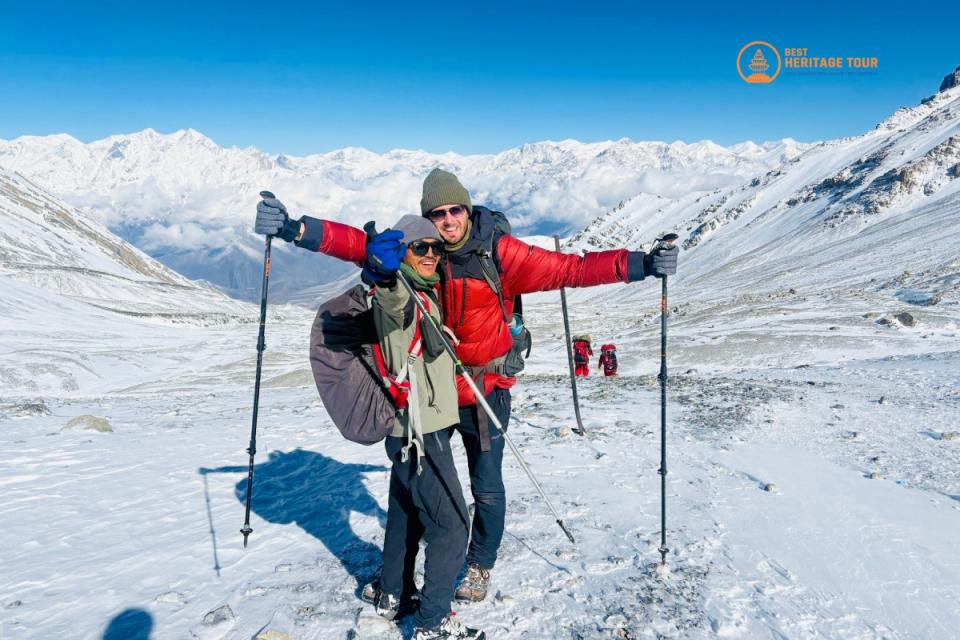
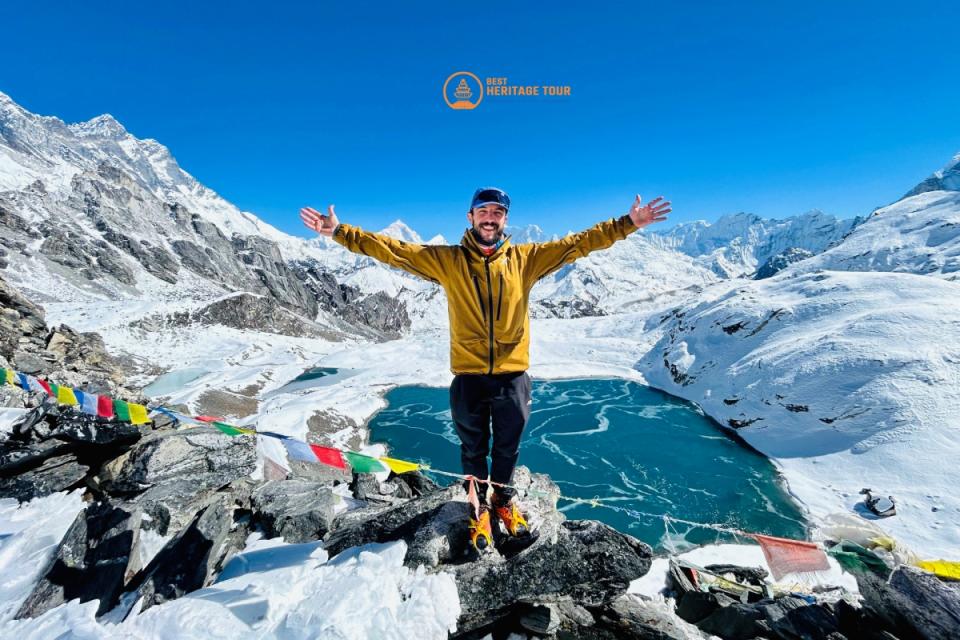
Winter is characterized by dry, sunny days and fiercely cold nights, especially above 4,000m.
|
Month |
Everest Region (EBC) |
Annapurna Region (ABC/Circuit) |
Key Challenge |
|---|---|---|---|
|
December |
Excellent visibility. Coldest at night (down to -20°C). Trekkers enjoy Christmas/New Year in the mountains. |
Excellent for low/mid-altitude treks (Poon Hill, lower ABC). High passes open, but heavy snow can close them quickly. |
Nighttime Cold. |
|
January |
Coldest Month. EBC is bone-chillingly cold. Trails are quiet, offering pristine views. Requires heavy, specialized winter gear. |
High passes (Thorong La, ABC) often close or become very risky due to snow and avalanche risk. Many high lodges shut down. |
Extreme Cold & Snow/Ice. |
|
February |
Still very cold, but the intensity begins to break by mid-month. The best winter views are often in February. |
Similar to January, with improving conditions at lower altitudes. Better for shorter treks or high passes late in the month. |
Snow Risk. |
Winter Pro-Tip: Winter is ideal for lower-altitude treks that don't cross high passes, such as the Ghorepani Poon Hill Trek or certain sections of the Annapurna region below 3,500m.
4. Monsoon/Summer: June, July, August (The Quiet and Lush)
The Monsoon brings frequent rain, primarily in the afternoon and evening, resulting in limited visibility and challenging trail conditions.
|
Month |
Everest Region (EBC) |
Annapurna Region (ABC/Circuit) |
Key Challenge |
|---|---|---|---|
|
June |
Rain starts mid-month. Lukla flights become highly unreliable due to clouds and rain. |
Low trails become muddy and infested with leeches. Mountain views are frequently obscured. |
Lukla Flight Delays. |
|
July |
Peak Monsoon. Rain showers are frequent. Visibility is poor, but the greenery is at its most vibrant. |
High rainfall. Landslides are a risk on some lower sections. The Northern Annapurna Circuit (Manang/Mustang) is in a rain-shadow and is the best high-altitude trek option during this month. |
Leeches and Landslides. |
|
August |
Monsoon starts to subside late in the month. Trails are less crowded than any other time of the year. |
Still wet and humid, but visibility improves toward the end of August. Treks remain quiet. |
Humidity and Clouds. |
Monsoon Pro-Tip: If you must trek in the monsoon, choose a Rain Shadow Area like Upper Mustang or the Northern side of the Annapurna Circuit (Jomsom/Muktinath side), which receive minimal rainfall.
Part IV: Monthly Weather & Logistics Quick Reference
|
Month |
EBC Visibility |
Annapurna Rhododendrons |
Annapurna Circuit Pass Status |
EBC Lukla Flight Reliability |
Crowd Level |
|---|---|---|---|---|---|
|
Jan |
Excellent/Crisp |
No |
High risk of closure (snow) |
High |
Very Low |
|
Feb |
Excellent/Clear |
No |
Risky/May be closed |
High |
Low |
|
Mar |
Excellent |
Beginning to bloom |
Open, but cold |
High |
Moderate |
|
Apr |
Very Good |
Peak Bloom |
Open & Stable |
High |
High |
|
May |
Good/Hazy |
Past Peak |
Open, warmer |
Moderate (pre-monsoon clouds) |
High |
|
Jun |
Fair/Cloudy |
Past Peak |
Open |
Low (Monsoon begins) |
Low |
|
Jul |
Poor/Rainy |
No |
Open (Rain Shadow is best) |
Very Low (High Delays) |
Very Low |
|
Aug |
Poor/Wet |
No |
Open (Rain Shadow is best) |
Low (Improving late month) |
Very Low |
|
Sep |
Improving fast |
No |
Open & Improving |
Moderate (improving after mid-month) |
Moderate (Building) |
|
Oct |
Best (Crystal Clear) |
No |
Open & Stable |
High |
Peak |
|
Nov |
Excellent |
No |
Open (Cold) |
High |
High (Dropping late month) |
|
Dec |
Excellent/Clear |
No |
Open, but snow risk increases |
High |
Low |
Part V: Making Your Final Decision
Your best trekking time ultimately depends on what you are willing to compromise:
-
If you cannot compromise on mountain views:Choose October or November.
-
If you cannot compromise on warmth/comfort: Choose April or May.
-
If you cannot compromise on solitude/peace: Choose December or February.
-
If you cannot compromise on budget (Off-Season discounts): Choose June, July, or January.
Essential Note on Altitude and Weather: Always remember that high-altitude weather is volatile and localized. Sudden snowstorms can occur even in peak season. A flexible itinerary and the expertise of your local guide are your most reliable safety nets, regardless of the month you choose.
Conclusion: Timing is Everything in the Himalayas
The majestic mountains of the Everest and Annapurna regions welcome visitors year-round, yet the experience changes dramatically with each passing month. Whether you are drawn by the festive clarity of Autumn, the warm, floral trails of Spring, or the quiet, snowy solitude of Winter, planning your journey based on a precise seasonal analysis is paramount to success.
Best Heritage Tour combines this precise weather knowledge with our decades of local experience. We adjust itineraries for seasonal challenges - managing logistics like high-pass closures in winter, mitigating Lukla flight delays in monsoon, and securing quality accommodation in the crowded peak seasons.
Let us use our local knowledge to perfectly time your trek. Contact us today to discuss your preferred month and finalize the itinerary that guarantees you the safest and most rewarding journey possible!
Phone / WhatsApp / Viber: +977-9851149197 / +977-9810043046
Email: info@bestheritagetour.com / bestheritagetour@gmail.com
Website: www.bestheritagetour.com
Location: Thamel Marg, Kathmandu, Nepal
Author: Best Heritage Tour
Date: 1st December, 2025