In the mountains, every sip counts. At high altitude, your body loses moisture up to twice as fast due to increased respiration (the need to breathe harder in thin air) and the extreme dryness. Proper hydration is not just about comfort; it is your first and best defense against Acute Mountain Sickness (AMS).
Forget the sports drinks - the best hydration on a Himalayan trek is often the simplest and most traditional. This guide breaks down the essential drinks you should embrace and the dehydrating drinks you must avoid on your 2026 adventure.
1. The Essential Hydration: Embrace the Local Brews
These drinks are widely available in every teahouse, are highly beneficial, and form the core of your 3-4 liter daily fluid intake.
A. JHOL: The Life-Giving Liquid
-
What it is: The delicious broth or soup base, typically served before or with your main meal (especially Daal Bhat).
-
Why it's Good: Broth is rich in essential salts and electrolytes that your body is losing through sweat and rapid breathing. It is served steaming hot, which is soothing in the cold and ensures the liquid is safely boiled.
-
Best Heritage Tour Tip: Always order an extra bowl of soup (like garlic soup, vegetable soup, or Sherpa stew) as a mandatory fluid intake.
B. Ginger, Lemon, and Honey Tea (G.L.H.)
-
What it is: A simple, fresh, non-caffeinated infusion made with boiled water, sliced fresh ginger, a wedge of lemon, and a spoonful of local honey.
-
Why it's Good: This is the trekkers' miracle drink. Ginger is a powerful natural anti-emetic (anti-nausea), which directly helps with mild AMS symptoms. Honey soothes the throat (common at altitude), and the warm liquid aids circulation.
-
Availability: Ask for "Ginger Lemon Honey" at any teahouse - it is available everywhere and highly recommended.
C. Plain Boiled Water
-
What it is: Water that has been brought to a rolling boil and is safe for consumption.
-
Why it's Good: It is the purest way to hydrate and the cheapest option for trekkers carrying their own purification system (tablets or UV pen).
-
Avoid: Never drink tap or stream water unless you purify it yourself. Bottled water is expensive and generates immense plastic waste, which is why Best Heritage Tour strongly encourages purification methods.
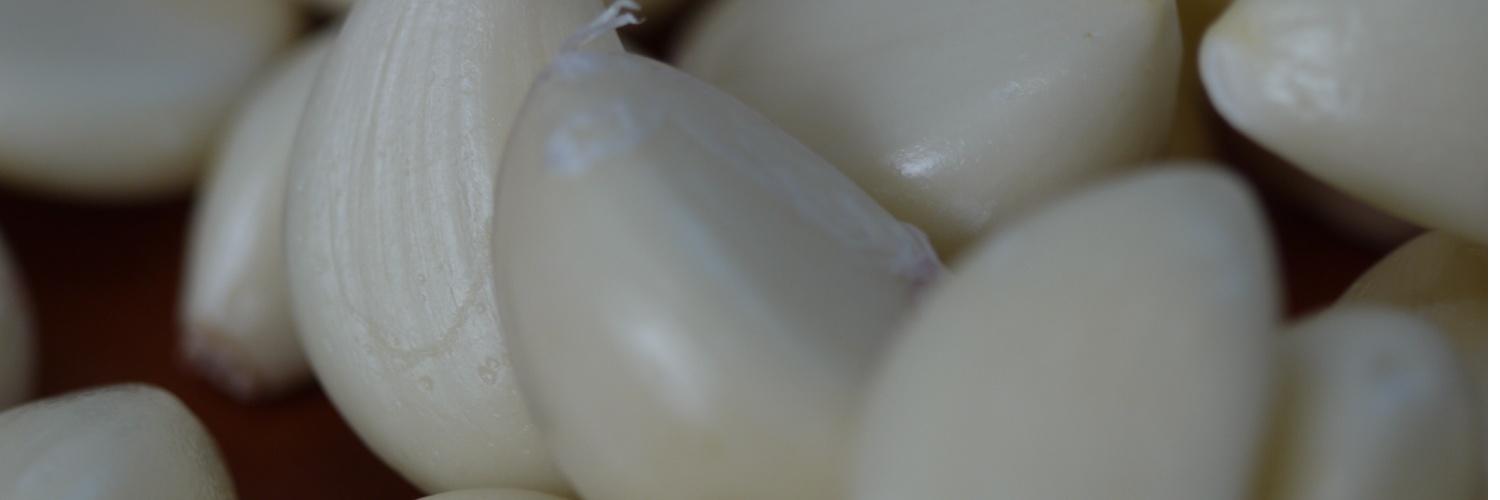
D. Garlic Soup (Lahsun ko Jhol)
-
What it is: A strong, pungent soup made from boiled garlic cloves and stock.
-
Why it's Good: In the mountains, garlic is a traditional remedy believed to aid circulation and oxygen delivery, which theoretically assists with acclimatization. While scientific evidence is debated, it is undeniably warm, hydrating, and nutritious.
2. The Warning List: Drinks to Limit or AVOID
These popular beverages, which are fine at sea level, can actively work against your acclimatization process at high altitude.
A. Alcohol (Raksi, Beer, Whiskey)
|
Risk Factor |
Explanation |
|---|---|
|
Severe Dehydration |
Alcohol is a diuretic. It forces your kidneys to expel fluid, accelerating dehydration, which is the fastest route to severe AMS. |
|
Impaired Judgment |
Alcohol effects are intensified at altitude due to lower oxygen. Impaired judgment can lead to dangerous decisions or missing the early signs of AMS. |
|
Disrupted Sleep |
Alcohol disrupts deep sleep, which is critical for your body’s acclimatization process. |
|
Verdict |
AVOID COMPLETELY. Save the celebratory drinks for Kathmandu after the trek is finished. |
B. Excessive Caffeine (Coffee & Black Tea)
-
Risk: Caffeine is a diuretic. While a small cup of weak coffee or milky tea in the morning may be fine for habitual drinkers (to avoid withdrawal headaches), excessive consumption is counterproductive.
-
Coffee on the Trail: Instant coffee is widely available. Real espresso/filter coffee is rare, expensive, and generally not worth the dehydrating risk at 4,000m.
-
Recommendation: Limit your intake to one cup per day, if necessary, and immediately follow it up with a large glass of plain water or herbal tea.
C. Sugary Juices and Soft Drinks (Coke, Fanta, Energy Drinks)
-
Risk: The high sugar content in sodas and packaged fruit juices can sometimes exacerbate digestive issues at altitude, leading to gas or nausea.
-
Carbonation: Carbonated drinks can cause uncomfortable bloating, which is amplified by altitude changes.
-
Recommendation: Stick to natural, hot drinks. If you need sugar for energy, get it from dried fruit or a chocolate bar, not liquid.
3. The Himalayan Staple: Milk Tea (Chiya)
This is the national beverage of Nepal, and you will be offered it everywhere.
-
What it is: Black tea leaves boiled with milk, sugar, and sometimes spices (masala).
-
Hydration Value: It is better than plain black tea/coffee as the milk provides some fat and calories, and the dilution lessens the caffeine hit.
-
Note: If you are lactose intolerant, be cautious. While the boiled milk is usually safe, excessive dairy can sometimes cause digestive discomfort at altitude. Opt for simple black or herbal teas instead.
Conclusion: Drink Smart, Stay Safe
Your guide will constantly monitor your fluid intake. A clear stream of urine is the universal sign of proper hydration and acclimatization. By choosing traditional, hot, and non-diuretic beverages, you are actively supporting your body's ability to thrive in the thin, beautiful air of the Himalayas.
Let Best Heritage Tour take care of the logistics and safety, so you can focus on enjoying a hot cup of G.L.H. tea with a view of the world’s highest peaks.
Phone / WhatsApp / Viber: +977-9851149197 / +977-9810043046
Email: info@bestheritagetour.com / bestheritagetour@gmail.com
Website: www.bestheritagetour.com
Office: Thamel Marg, Kathmandu, Nepal
Author: Best Heritage Tour
Date: 3rd December, 2025