While the Kathmandu Valley captures the lion's share of Nepal's UNESCO fame, the true spirit of Newari heritage extends far beyond its ancient cities. Nestled on a ridge high above the Marsyangdi River valley lies Bandipur, a pristine hilltop settlement often called the 'Queen of the Hills.'
Bandipur is not just a stopover; it is a beautifully preserved living museum that offers a unique window into Nepal's 18th- and 19th-century trade history. It’s where magnificent colonial and traditional Newari architecture meet in perfect harmony, a place where time seems to slow down, and every brick and carved window frame tells a story of mercantile wealth and cultural resilience.
As experts in delivering profound cultural immersion, Best Heritage Tour (BHT) presents this comprehensive guide to Bandipur. We delve into its history as a vital trading post, highlight its stunning architectural integrity, and explore the reasons why this peaceful, pedestrianized town is an essential destination on any discerning Historical Tour of Nepal.
A History Built on Trade and Location
The prosperity and subsequent preservation of Bandipur Heritage Town Nepal is directly linked to its strategic geographical position, which once commanded control over the lucrative trade routes connecting India, the lowlands of the Terai, and the high Himalayan regions.
1. The East-West Trade Hub
For centuries, before the construction of modern highways, Bandipur was the most important transit point for goods moving across central Nepal.
-
Trade Routes and Prosperity: The town flourished in the late 18th and 19th centuries as a major bazaar (bandipur means "banda" or closed, referring to its historical checkpoints). Merchants dealt in copperware, textiles, and imported goods, funneling wealth back into the community, which was then poured into the magnificent architecture we see today.
-
The Newari Exodus:Bandipur was primarily settled by Newar traders from the Kathmandu Valley (specifically Bhaktapur) who migrated outwards to establish these critical trading hubs. They brought with them their distinctive architectural style, sophisticated planning, and vibrant festival culture - key elements of Newari Culture Outside Kathmandu.
2. The Decline and Fortunate Preservation
Bandipur’s prosperity waned dramatically in the 1960s with the construction of the Prithvi Highway, which bypassed the town. The district headquarters was relocated to Damauli, and many wealthy families moved to the plains.
-
The Silver Lining: This economic collapse, paradoxically, became its preservation. Because there was no modern investment or redevelopment, the town’s ancient character, architecture, and atmosphere were perfectly frozen in time, cementing its status as the Best Preserved Newari Village in the middle hills.
BHT Insight:Bandipur’s quiet, slow-paced charm is a direct result of its historical decline. It is one of the few places in Nepal where you can truly escape the modern clamor and experience the rhythm of the 19th century.
The Architectural Heritage - A Fusion of Styles
The core of Bandipur's appeal is its architecture, which tells a story of cultural migration and economic success. The main pedestrianized bazaar street is lined with structures that are an art form themselves.
1. Newari Brickwork and Carving
The structures are predominantly built in the classic Newari style, but with regional adaptations suitable for the hill climate:
-
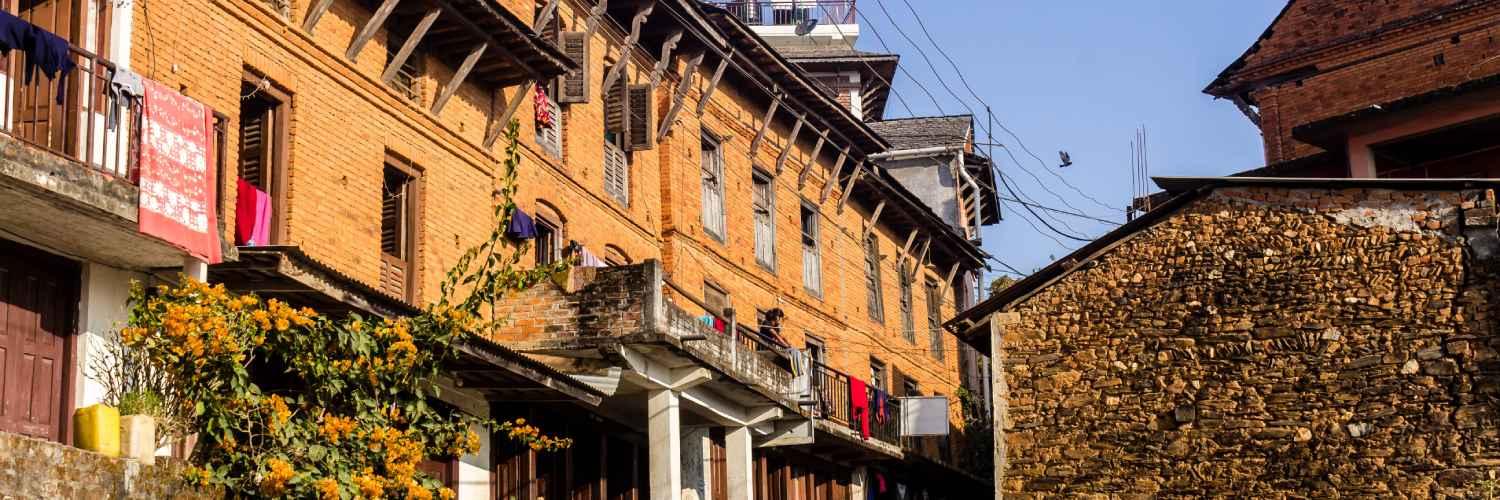
Red Brick and Slate: Buildings feature exposed red brick façades and deep-set windows, offering cool shade in the summer. Instead of the typical tile roofs of the Kathmandu Valley, Bandipur's buildings often utilize local slate for roofing.
-
Intricate Woodwork: Look closely at the windows and balconies. The Newari wood carving tradition - a UNESCO-recognized art form - is showcased here with incredible precision and detail, depicting gods, goddesses, mythical beasts, and floral motifs.
2. Colonial Influence and Modern Restoration
Bandipur's architecture uniquely shows a strong colonial influence, reflecting its ties to British India during the trade boom.
-
Verandas and Columns: Many buildings feature elegant verandas supported by carved wooden columns on the upper floors. These open spaces were perfect for observing the bustling bazaar below and are now used as tranquil places for tourists and locals to relax.
-
Community-led Conservation: Unlike many historical sites that have faced demolition, Bandipur has seen a concerted, community-driven effort to restore and maintain its original structures using traditional materials and techniques. This dedication is what makes it a model for Historical Tours of Nepal (Bandipur).
BHT Strategy: Our local Bandipur guides are trained to highlight specific architectural details and explain the difference between the original Newari style and the later colonial additions, enriching your understanding of this architectural fusion.
Cultural & Natural Sanctuaries
Bandipur’s heritage extends beyond its town square. Its surrounding temples, caves, and viewpoints offer spiritual and historical context to the region.
1. Khadga Devi and Bindebashini Temples
The religious life of Bandipur is primarily Hindu, dedicated to the prosperity of the traders and the safety of the town:
-
Khadga Devi Temple: Dedicated to the town's guardian goddess, this temple complex holds great historical importance. Legend says the Khadga (sword) of the national hero, King Mukunda Sen, is kept here, underscoring the deep connection between regional military history and spiritual life.
-
Bindebashini Temple: Similar to the one in Pokhara, this temple is a focal point for local Hindu festivals, displaying the continuity of faith across the middle hills.
2. Tundikhel and The New Year View
The large grassy plateau known as Tundikhel was once a parade ground and a vital meeting point for trade caravans. Today, it is the town's central gathering place.
-
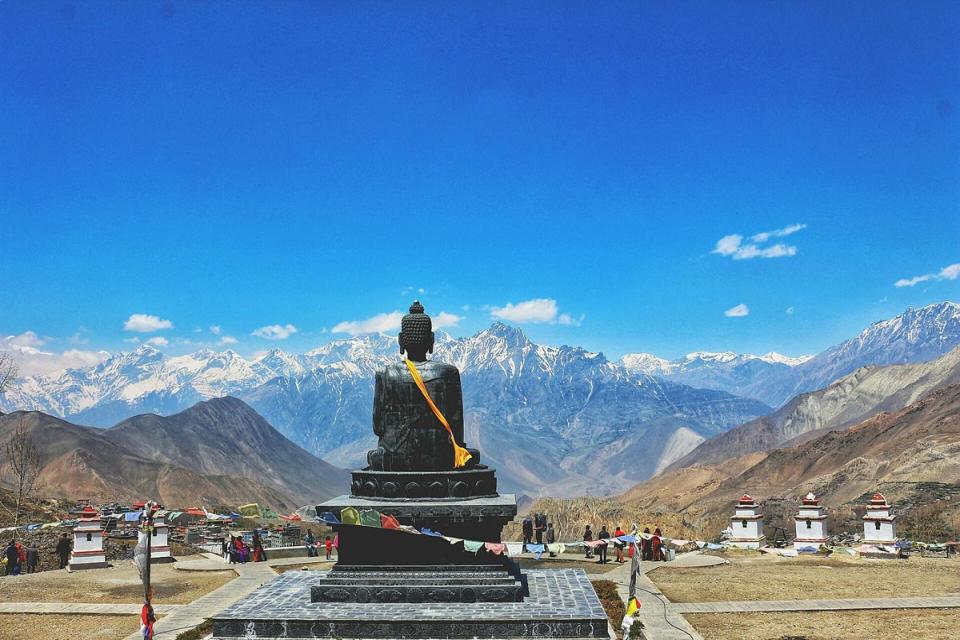
Panoramic Views: From Tundikhel and the nearby Thani Mai Temple, you are rewarded with truly breathtaking views. On a clear day, you can see the massive Annapurna, Dhaulagiri, Manaslu, and Langtang ranges, offering one of the best perspectives of the Himalayas from a mid-hill town. This view highlights why Bandipur is known as the Bandipur Queen of the Hills.
3. Siddha Gufa (Cave)
For the adventurous heritage traveler, a short trek down the hill leads to Siddha Gufa, Nepal's largest cave. Exploring this geological wonder adds a layer of natural history to the cultural tour, reminding us that the town’s builders and traders lived amongst a landscape of unique natural features.
Bandipur’s Role in Nepal’s Ancient Trade Route History
Bandipur wasn't just a local market; it was a crucial nexus in the wider network of the Nepal Ancient Trade Route History.
-
Connection to Kathmandu: Its trade links went directly back to the Newari centers of Bhaktapur and Patan, maintaining a strong cultural and familial connection that allowed the intricate Newari customs, cuisine, and festival traditions to flourish miles away from the capital.
-
Cuisine and Lifestyle: The food, particularly the Newari feasts (samaybaji), festivals like IndraJatra (celebrated with distinct local flair), and the distinct Paha (frog meat, a Newari delicacy) all speak to a culture that thrived through its trade connections but preserved its authentic identity. Staying in one of the heritage hotels - restored Newari buildings now serving as luxury guesthouses - is the perfect way to experience this preserved lifestyle.
Conclusion: The Must-Visit Heritage Stop
If your goal is to understand the soul of Nepalese commerce, architecture, and the resilient Newari Culture Outside Kathmandu, then Bandipur Heritage Town Nepal is an unmissable destination. It beautifully showcases how a town can transition from a powerful trade hub to a perfectly preserved center of cultural reflection.
At Best Heritage Tour, we integrate Bandipur into our customized itineraries, offering walking tours led by local historians, opportunities to stay in restored heritage homes, and time to simply soak in the peaceful atmosphere of a town that proudly refuses to change its centuries-old rhythm. This is where history is not just viewed, but felt.
Ready to step back in time in the Queen of the Hills? Contact Best Heritage Tour to include this pristine historical town in your next Nepali cultural journey.
Phone / WhatsApp / Viber: +977-9851149197 / +977-9810043046
Email:info@bestheritagetour.com/ bestheritagetour@gmail.com
Website:www.bestheritagetour.com
Office:Thamel Marg, Kathmandu, Nepal
Author: Best Heritage Tour
Date: 8th December, 2025