The dilemma is a classic one: You’ve committed to a high-altitude, long-distance trek in Nepal. You want to cross a 5,000 meter pass, and you want to be completely surrounded by giants. The question is, should you choose the established variety of the Annapurna Circuit Trek (ACT) or the rugged authenticity of the Manaslu Circuit Trek (MCT)?
While both journeys are spectacular circuits around massive Himalayan peaks, they offer fundamentally different experiences built on a contrast of comfort versus wilderness. The ACT has evolved into an accessible, social powerhouse; the MCT has been deliberately preserved as a quiet, cultural time capsule.
As experts who accurately manage both routes, Best Heritage Tour presents the essential, non-negotiable differences to help you choose the epic circuit that aligns with your personal trekking philosophy.
The Core Differentiator: Infrastructure and Logistics
The facilities you find on the trail are the most immediate difference between the two circuits. This dictates your packing list, your budget, and your reliance on your agency.
1. Annapurna Circuit: The Comfort Corridor
The ACT is Nepal’s most developed circuit, offering infrastructure that prioritizes the comfort and logistical ease of the international trekker.
-
Accommodation: Expect an evolution in teahouse quality. In lower and highly trafficked areas (Jagat, Chame, Manang), you can find private rooms with Western toilets, menus featuring a dozen options (from Dal Bhat to pizza), and reliable electrical outlets/Wi-Fi. The social atmosphere is high, allowing for easy connection with other trekkers from around the globe.
-
Logistics & Flexibility: The presence of roads (while initially a visual blight) offers unmatched flexibility. Trekkers can use jeeps to skip less scenic road sections, shortening the total trek from 20 days to as little as 10. In a medical emergency, the trail’s proximity to road-heads and airports (Jomsom, Pokhara) makes non-helicopter extraction a more plausible, albeit still challenging, option.
-
The Price of Accessibility: The ACT is generally more budget-friendly on the ground due to the high volume of competition among teahouses and the option to trek solo (though a guide is now mandatory per 2024 regulations).
2. Manaslu Circuit: The Basic Bastion
The MCT is designated a Restricted Area, a ruling that keeps its infrastructure intentionally basic to preserve the culture.
-
Accommodation: Teahouses are significantly simpler, particularly above Namrung. Rooms are small, and heating is typically communal around a central stove (bukhari). You will mostly encounter shared squat toilets, bucket showers, and a menu focused on energy-rich essentials: Dal Bhat, garlic soup, and boiled potatoes. Connectivity is minimal - expect to be unplugged for the majority of the high circuit.
-
Logistics & Complexity: The MCT requires a fixed, linear commitment. Due to its isolation, there are virtually no shortcuts or exit points once you commit to the Nubri Valley. It requires a mandatory special permit, a licensed guide, and a minimum of two trekkers. This higher entry cost ensures fewer crowds but elevates the initial price and the reliance on your agency’s expertise.
-
Safety Protocol: In a medical emergency, the remoteness means a helicopter is the only viable rescue option. This makes high-altitude rescue insurance and an experienced guide absolutely non-negotiable.
The Spirit of the Trail - Isolation and Culture
If the infrastructure defines the body of the trek, isolation and culture define its soul. This is where the two circuits diverge most dramatically.
1. Manaslu Circuit: A Cultural Time Capsule
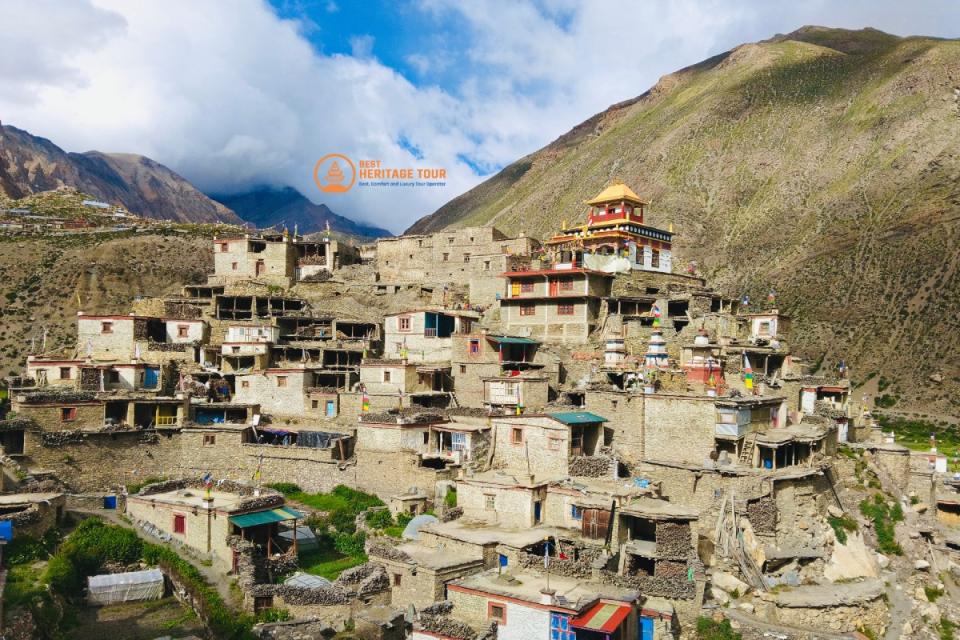
The MCT is a pilgrimage into the Nubri Valley, a region almost entirely settled by people of Tibetan origin, giving it a raw, ancient feel.
-
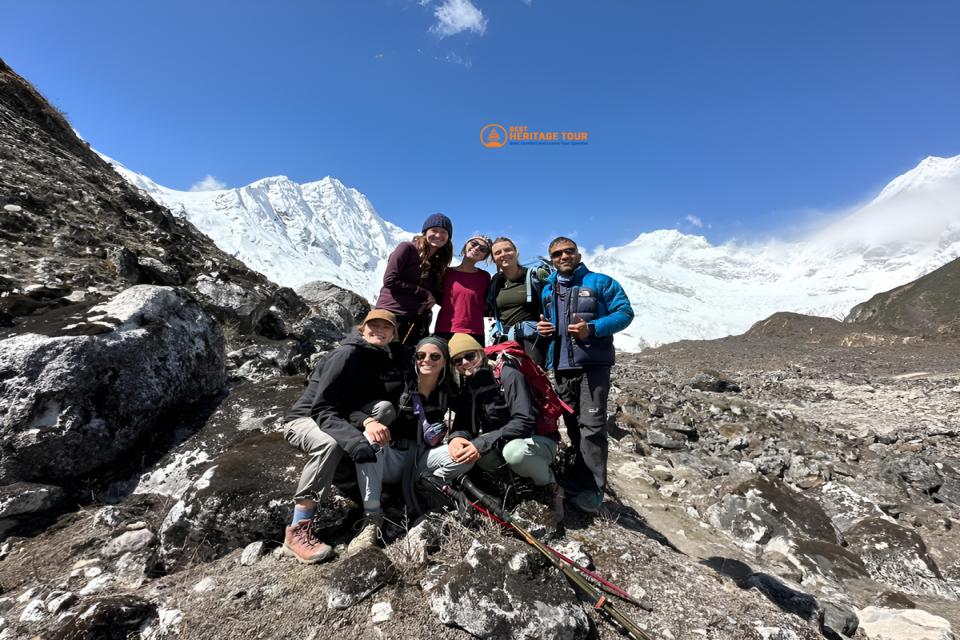
Isolation and Solitude: The MCT offers profound solitude. During peak season, daily trekker counts might be in the tens, not the hundreds. You will frequently walk for hours seeing only your team and locals. This is the perfect trek for genuine disconnection and introspection.
-
Cultural Immersion: The cultural experience is deep and singular: predominantly Tibetan Buddhist. Villages like Lho, Samagaon, and Samdo are spiritual centers, adorned with massive stone Mani walls, chortens, and ancient, active Gompas (monasteries). You observe traditions that seem unchanged for centuries, making your journey feel more like a respectful entry into a preserved heritage zone.
2. Annapurna Circuit: The Cultural Mosaic
The ACT represents a diverse cross-section of Nepal's cultural and religious landscape.
-
Crowds and Sociability: The ACT is highly social. The trails and teahouses are populated by trekkers from every continent, making it ideal for those who enjoy meeting new people. In peak season, expect a vibrant, bustling, and organized flow of people and goods.
-
Cultural Diversity: The trek moves through four distinct ethnic groups: Gurung and Magar in the lower hills, and a mix of Thakali (famous for their hospitality and local cuisine, like apple pie) and Tibetan Buddhists (near Manang and Muktinath) in the upper regions. The highlight, Muktinath Temple, is a sacred site revered by both Hindus and Buddhists, reflecting the trek's wide cultural embrace.
The Ultimate Reward - Scenery and the Pass
Both circuits reward trekkers with life-changing views, but their mountain views and high pass experiences are uniquely challenging.
1. The High Pass Comparison: Thorong La vs. Larkya La
|
Feature |
Annapurna Circuit: Thorong La Pass |
Manaslu Circuit: Larkya La Pass |
|---|---|---|
|
Altitude |
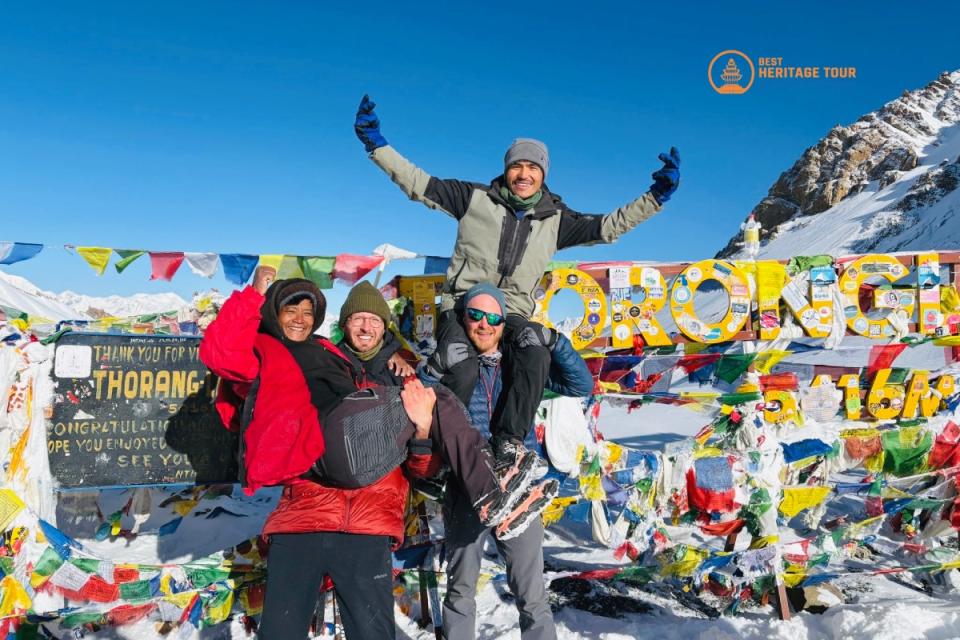
5,416m (Higher) |
5,106m (Lower) |
|
Pass Experience |
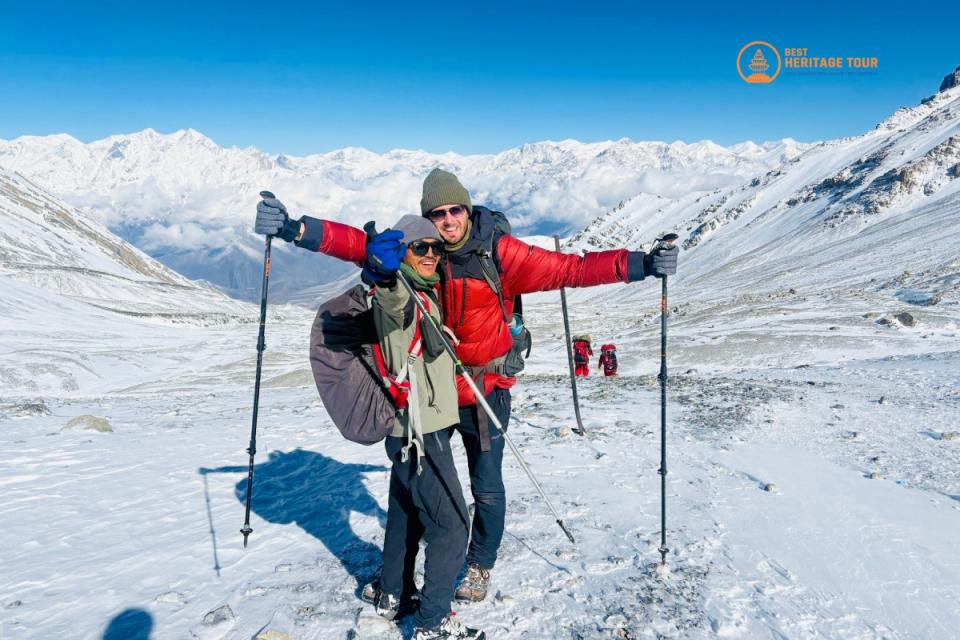
A relatively direct, steep ascent from the Phedi/High Camp. The trail is wide and usually well-broken. Focuses on pure altitude challenge. |
A longer, more circuitous day that often requires a 7+ hour effort. The terrain is rockier, less-maintained, and more exposed. Focuses on endurance challenge. |
|
The Views |
Panoramic views of the Annapurna Massif, Dhaulagiri, and the dramatic descent into the arid Kali Gandaki Gorge. |
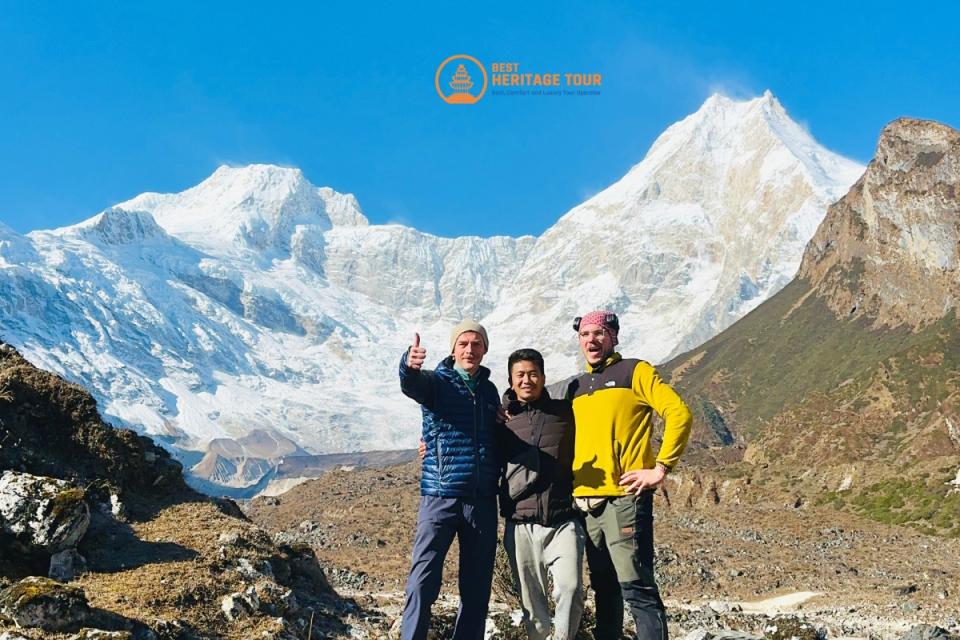
Intensely close-up views of the Manaslu, Himlung Himal, and Cheo Himal ranges. It feels wilder, like a true wilderness break in the mountain wall. |
2. The Scenery Experience
-
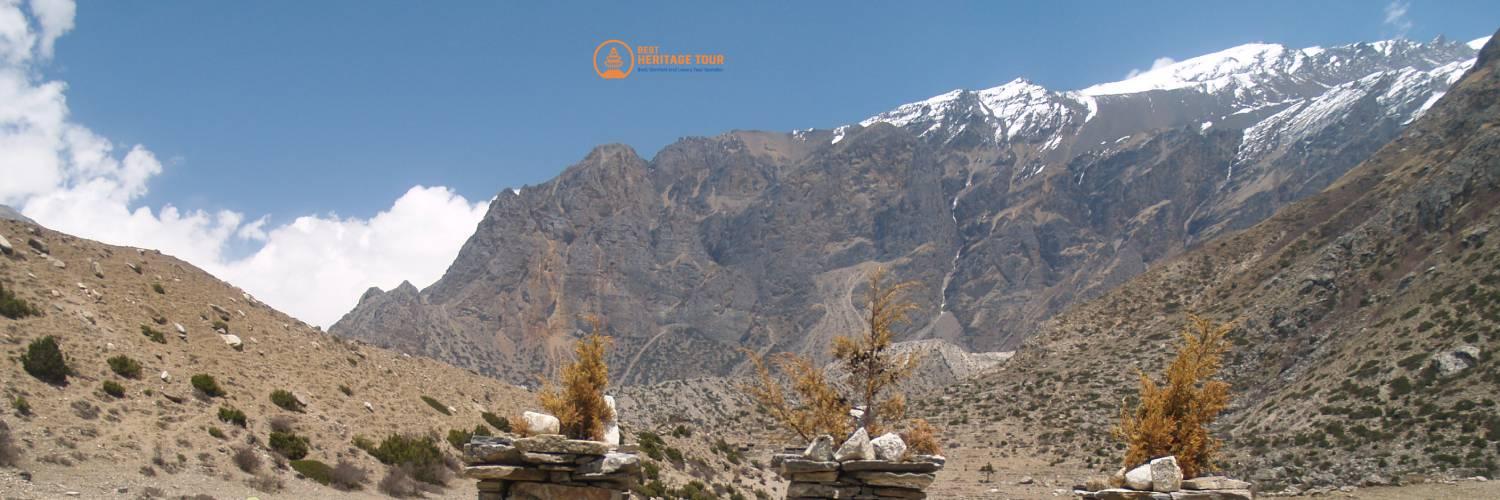
ACT: The "Drama Queen" of diversity. The landscape shifts daily, beginning in lush, humid river valleys and terraced rice paddies, transitioning into temperate pine forests, and culminating in the high-altitude, arid, Tibetan-like desert of the Manang region. The scenery is constantly surprising and varied.
-
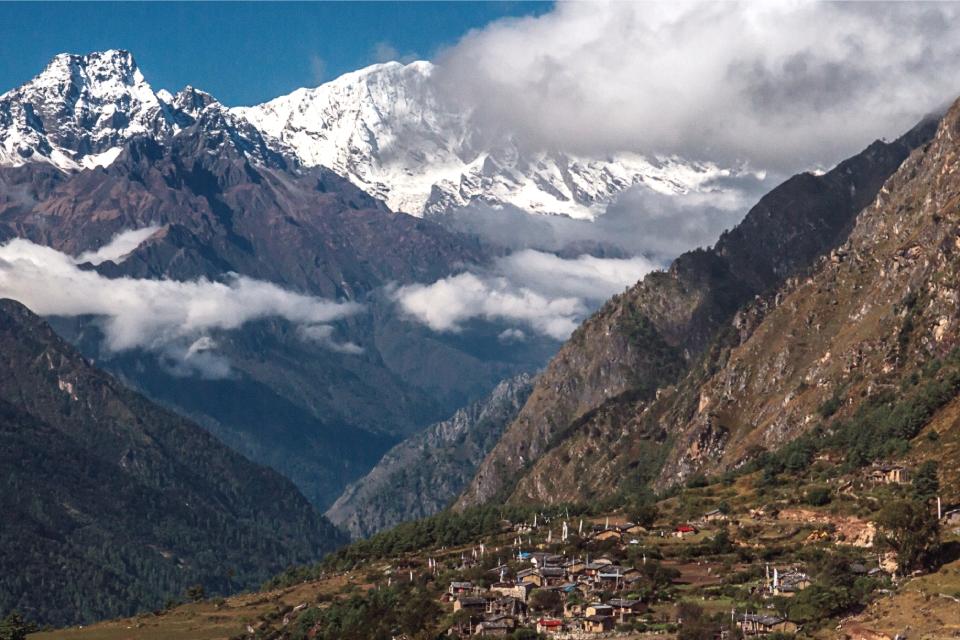
MCT: The "Pure Wilderness" champion. The scenery is defined by the colossal presence of Manaslu (8,163m). The trail is characterized by deep river gorges (the Buri Gandaki), dense rhododendron and bamboo forests in the lower sections, and dramatic glacial valleys (like the Bimthang Valley) high up. It maintains a consistent, raw, and imposing mountain feel for the entire duration.
Final Decision Matrix: Which Trekker Are You?
|
Choose The Annapurna Circuit If... |
Choose The Manaslu Circuit If... |
|---|---|
|
You prioritize comfort, social interaction, and menu variety. |
You prioritize profound solitude and genuine disconnection. |
|
You need maximum flexibility to shorten the trek if necessary. |
You want a raw, rugged trail experience untouched by roads. |
|
You are interested in a mosaic of Nepali culture (Hindu, Buddhist, Thakali). |
You want deep, singular immersion in authentic Tibetan Buddhist heritage. |
|
You are a confident beginner aiming for the highest possible pass (5,416m). |
You are an experienced trekker seeking a higher degree of logistical challenge and wilderness reward. |
Ultimately, both the Annapurna and Manaslu circuits stand among the finest long-distance mountain journeys on Earth. The choice simply dictates whether your epic adventure will be defined by comfortable camaraderie or by profound, quiet isolation.
Author: Best Heritage Tour
Date: 14th December, 2025