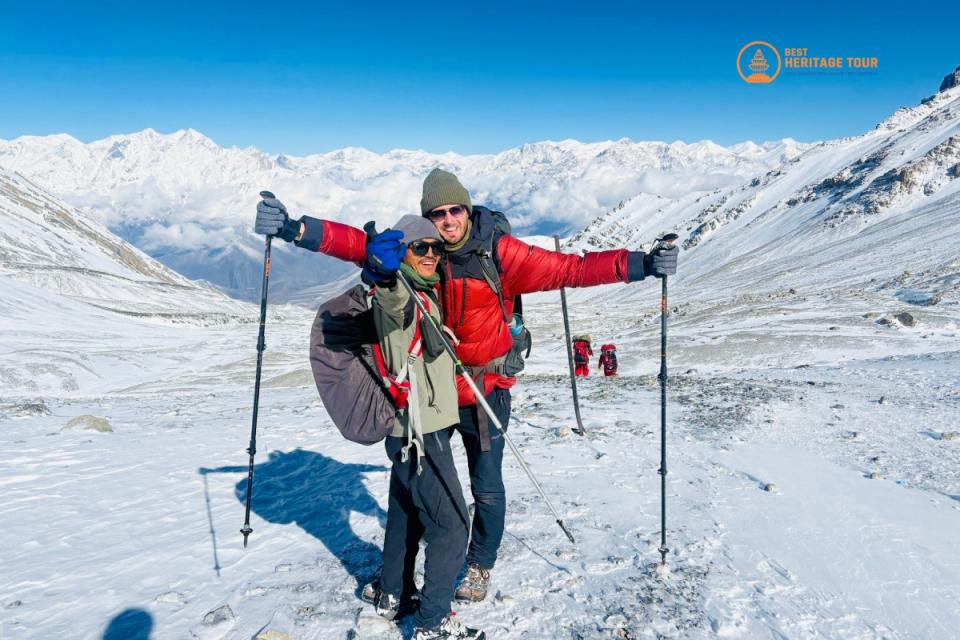
Preparing for a trek through the Himalayas is a bit like planning a life in miniature. You need to carry everything that keeps you safe, warm, and happy, all while keeping it light enough to move through some of the most rugged terrain on Earth. At Best Heritage Tour, we’ve guided thousands of trekkers through the Annapurna Circuit, and if there is one thing we’ve learned, it’s that your gear can either be your best friend or your greatest hurdle.
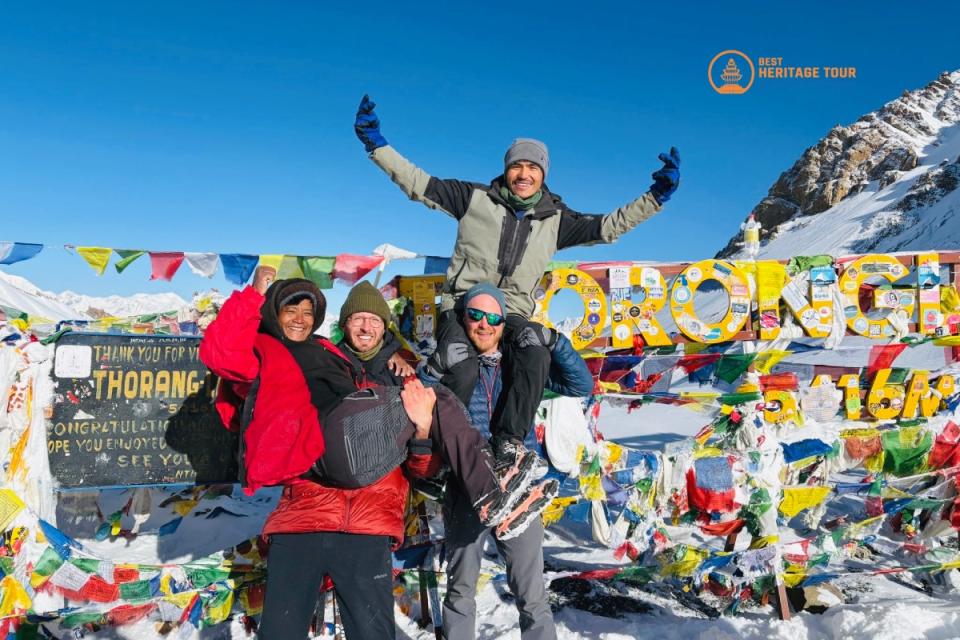
The Annapurna Circuit is legendary for its diversity. You start in lush, subtropical lowlands with heat and humidity, and within days, you are crossing the Thorong La Pass at 5,416 meters, where the air is thin and the wind can be bone-chilling.
This is the ultimate Annapurna Circuit Trek packing list, refined by years of mountain experience and updated for 2026. Whether you are trekking in the blooming spring or the crisp winter, here is exactly what you need to pack - and what you should leave behind.
The Philosophy of Packing: Layering is King
Before we dive into the specific items, we need to talk about the "Three-Layer System." In the Himalayas, the weather doesn’t just change by the season; it changes by the hour.
-
Base Layer (Moisture Management): This is your second skin. It needs to wick sweat away from your body so you don’t get a chill when you stop moving.
-
Mid Layer (Insulation): This traps your body heat. Think fleeces and down jackets.
-
Outer Layer (Protection): Your shield against the legendary Himalayan wind and unexpected snow or rain.
1. The "Big Three" Essentials
These are the most critical items in your kit. Do not skimp on quality here.
The Right Backpack
If you are hiring a porter (which we highly recommend to support the local economy), you will need two bags:
-
Duffel Bag (60-80L): This is what the porter carries. It should be waterproof or kept inside a heavy-duty rain cover.
-
Daypack (25-35L): This is for you. It should hold your water, camera, sunscreen, and your daily layers. Look for one with a supportive hip belt to take the weight off your shoulders.
Sleeping Bag (Rated to -15°C / 5°F)
Even though you’ll be staying in tea houses, their blankets are often not enough for the high-altitude nights. A 4-season sleeping bag is essential. At places like Thorong Phedi or High Camp, temperatures inside the rooms can drop well below freezing.
-
Pro Tip: Bring a silk or fleece sleeping bag liner. It adds an extra layer of warmth and keeps your bag clean.
Trekking Boots (The Soul of the Trip)
Your boots should be waterproof (Gore-Tex is the gold standard) and have solid ankle support. Most importantly: break them in before you arrive in Nepal. A brand-new boot on Day 1 is a recipe for a Day 3 exit due to blisters.
2. Clothing List: From Jungle to Alpine
Upper Body
-
2-3 Technical T-shirts: Synthetic or Merino wool. Avoid cotton; it stays wet and gets heavy.
-
2 Long-sleeve Base Layers: Essential for sun protection and warmth as you climb higher.
-
1 Heavyweight Fleece: Great for trekking on chilly mornings.
-
1 Down Jacket: This is your "survival" piece for the evenings and the pass. It should be lightweight but highly insulated.
-
1 Waterproof/Windproof Shell Jacket: Must have a hood and be breathable.
Lower Body
-
2 Pairs of Trekking Pants: Look for "convertible" pants that zip off into shorts for the lower, hotter sections.
-
1 Pair of Thermal Leggings: To be worn under your pants at high altitudes or as pajamas.
-
1 Pair of Waterproof Over-pants: Essential if you get caught in a storm.
-
Underwear (4-5 pairs): Breathable, moisture-wicking fabric.
Head and Hands
-
Sun Hat/Cap: The Himalayan sun is incredibly strong.
-
Warm Beanie: Ensure it covers your ears.
-
Buff or Neck Gaiter: This is the most versatile item. It protects from dust, sun, and cold wind.
-
Inner Gloves: Lightweight liners.
-
Outer Gloves: Insulated and waterproof mittens or gloves.
3. Footwear and Extremities
-
4-5 Pairs of Hiking Socks: Merino wool (like Smartwool or Darn Tough) is best because it doesn't smell and prevents blisters.
-
1 Pair of Camp Shoes: Sandals or lightweight sneakers. Your feet will crave these after 7 hours in heavy boots.
-
Gaiters (Seasonal): Highly recommended for winter (Dec-Feb) or monsoon (June-Aug) to keep snow or mud out of your boots.
4. Health, Hygiene, and First Aid
You are moving far away from modern pharmacies. You must be self-sufficient.
The Medical Kit
-
Diamox (Acetazolamide): For altitude sickness (consult your doctor first).
-
Painkillers: Ibuprofen or Paracetamol for those inevitable "altitude headaches."
-
Anti-diarrheals: Imodium is a must.
-
Blister Kit: Compeed, moleskin, and medical tape.
-
Broad-spectrum Antibiotics: Just in case of a severe infection.
-
Rehydration Salts: To keep your electrolytes up.
Personal Hygiene
-
Sunscreen (SPF 50+): Reapply every two hours.
-
Lip Balm with SPF: To prevent painful cracking.
-
Biodegradable Wet Wipes: Your "Himalayan Shower" when it's too cold for real water.
-
Hand Sanitizer: Use it religiously before every meal.
-
Quick-dry Towel: Small and compact.
-
Toilet Paper: Carry 2 rolls; tea houses often don't provide it.
5. Electronics and Navigation
-
Power Bank: 20,000mAh is the sweet spot. Charging electronics in the mountains can be expensive ($3-$5 per device).
-
Headlamp: Essential for those 4:00 AM starts and navigating tea houses during power cuts. Don't forget extra batteries.
-
Universal Plug Adapter: Nepal uses Type C, D, and M.
-
Camera & Extra SD Cards: You will take more photos than you think.
6. Water and Nutrition
Staying hydrated is the #1 way to prevent altitude sickness.
-
Water Bottles (2L total capacity): Use Nalgene-style bottles.
-
Water Purification: Don't buy plastic bottles in the mountains - it's bad for the environment. Use purification tablets (like Aquatabs) or a SteriPen.
-
Snacks: Energy bars, trail mix, and chocolate. While you can buy these on the trail, they get significantly more expensive as you go up.
Seasonal Tweaks: What Changes?
Spring (March - May)
The "Classic" season. It’s warmer, so you can bring more lightweight t-shirts. However, the higher you go, the more you might encounter leftover winter snow.
-
Add: Microspikes (just in case the Thorong La trail is icy).
Autumn (September - November)
The clearest views, but the temperatures drop quickly after October.
-
Add: An extra thermal layer for the nights.
Winter (December - February)
It is brutally cold but incredibly quiet.
-
Add: A much heavier down jacket, insulated boots, and heavy-duty gaiters. Expect temperatures of -20℃ at night.
Monsoon (June - August)
Lush, green, and fewer tourists, but it is wet.
-
Add: High-quality rain poncho, extra socks (you won't be able to dry them easily), and "leech socks" for the lower forest sections.
Documents and Money
-
Passport: Keep it in a waterproof bag.
-
Permits: ACAP and TIMS (usually handled by us at Best Heritage Tour, but keep them on you).
-
Passport Photos: Bring 4-6 copies for permits and local SIM cards.
-
Cash (Nepali Rupees): There are almost no ATMs past Besisahar. Budget for roughly $25-$35 USD per day for "luxuries" like Wi-Fi, hot showers, and snacks.
Final Thoughts
The biggest mistake trekkers make is overpacking. Remember: you have to carry it (or your porter does). Every gram counts. Focus on quality, versatile layers, and a positive mindset.
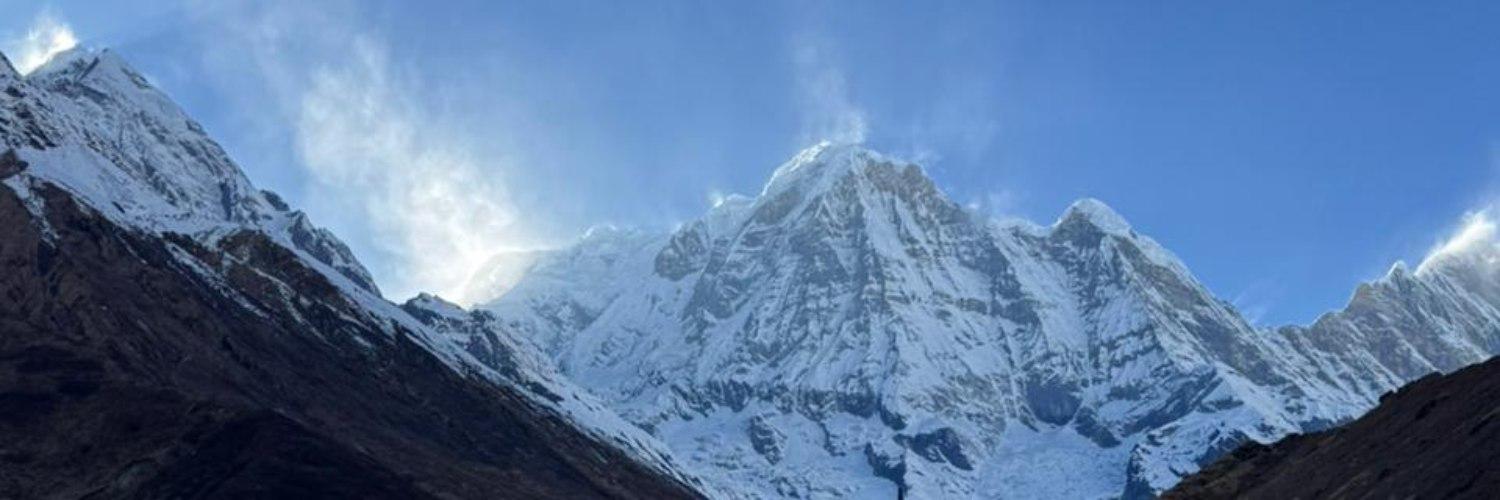
The Annapurna Circuit isn't just a walk; it’s a transformation. When you’re standing on top of Thorong La, watching the sun hit the peaks of Dhaulagiri and Annapurna, you won't be thinking about your gear - but you'll be glad you packed the right stuff to get there.
Ready to start your journey? If you’re still feeling unsure about your kit, reach out to us. We offer gear rental consultations and can provide high-quality down jackets and sleeping bags so you don't have to fly with them.
Phone / WhatsApp / Viber: +977-9851149197 / +977-9810043046
Email: info@bestheritagetour.com / bestheritagetour@gmail.com
Website: www.bestheritagetour.com
Office: Thamel Marg, Kathmandu, Nepal
Author: Best Heritage Tour
Date: 2nd February, 2026