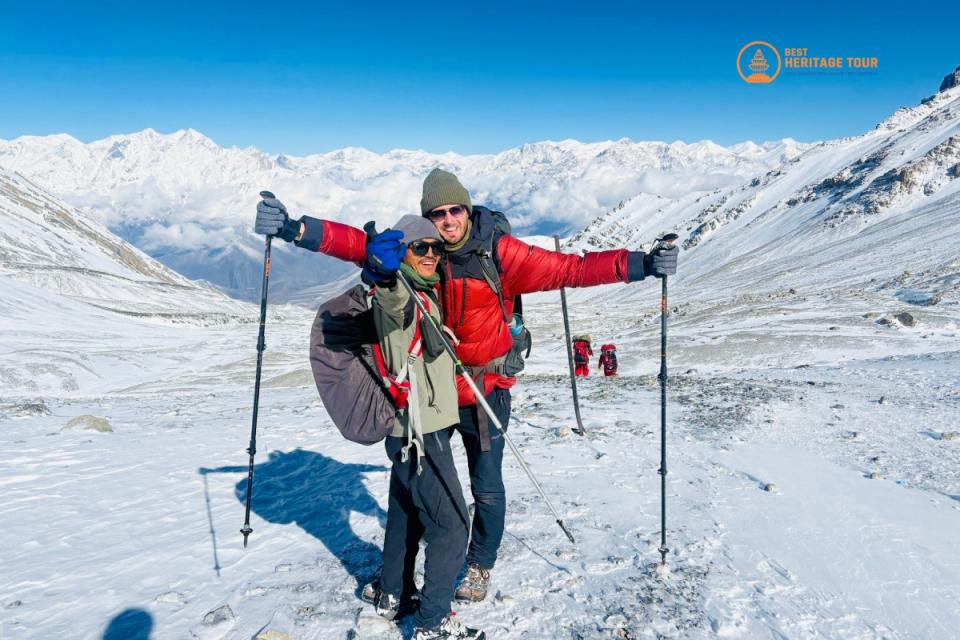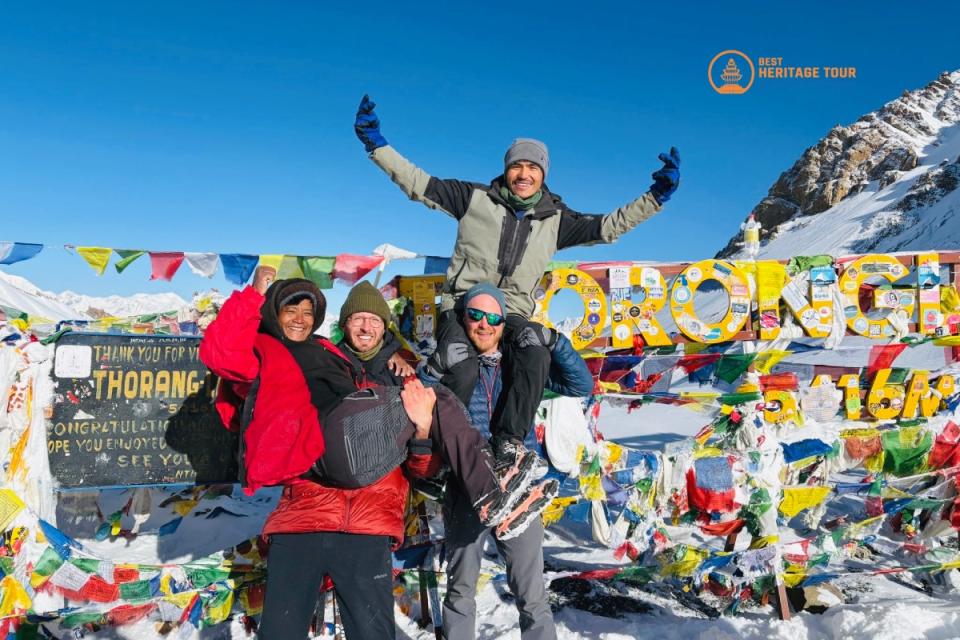
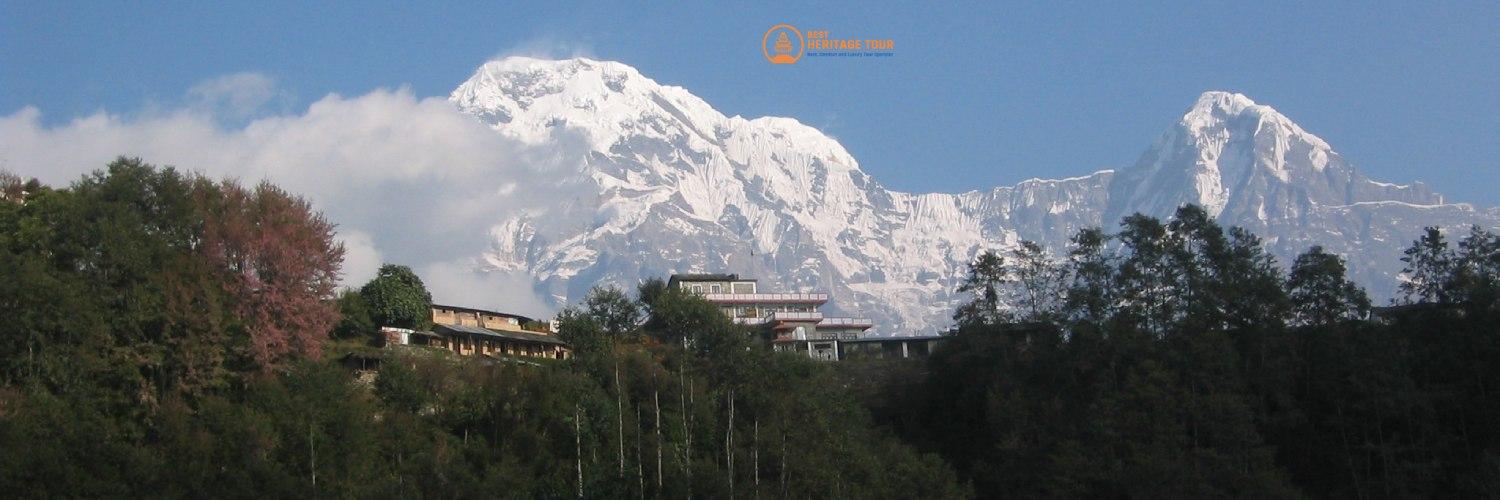
The Annapurna Circuit Trek is globally celebrated as one of the world's most scenic and diverse trekking routes. It takes you from subtropical rhododendron forests, through deep river gorges, past traditional mountain villages, and finally over the colossal, high-altitude Thorong La Pass (5,416 m).
When prospective trekkers research the best time to go, the conventional wisdom points firmly to the clear skies of Spring (March-May) and Autumn (September-November). However, there is a season of profound, raw, and vibrant beauty often overlooked: Summer, which coincides with Nepal's Monsoon season (June, July, and August).
Trekking the Annapurna Circuit in Summer is an experience of extremes. It demands special preparation, waterproof gear, and a flexible mindset. Yet, it rewards the adventurous with a quieter, more intimate journey, unparalleled lush green landscapes, surging waterfalls, and, most importantly, the geographical miracle of the Annapurna Rain Shadow - a unique feature that makes this trek remarkably feasible, even when the rest of Nepal is drenched.
At Best Heritage Tour, we understand that trekking is a deeply personal experience. Our expertise as local guides ensures that we not only navigate the challenges of the monsoon safely but also maximize the hidden benefits of this extraordinary time of year. This guide provides the comprehensive, honest, and experience-based knowledge you need to plan your ultimate Annapurna Circuit Monsoon adventure.
Summer Weather Breakdown: Understanding the Annapurna Monsoon (June, July, August)
The term 'Summer Trekking in Nepal' is synonymous with the monsoon season. This period is defined by high humidity, warm temperatures at low altitudes, and frequent rainfall, which typically occurs in the late afternoons and evenings. However, the sheer size and topography of the Annapurna massif create a distinct climatic split along the trail.
The Geographical Miracle: The Annapurna Rain Shadow
The Annapurna and Dhaulagiri mountain ranges act as a massive barrier, trapping the monsoon clouds travelling north from the Bay of Bengal.
-
South (The Lower Section - Besisahar to Chame): This area (up to approximately 2,500m) receives the heavy, characteristic monsoon rain. The trails are humid, muddy, and lush.
-
North (The High Section - Manang Valley to Muktinath): Once you trek past the village of Chame and into the vast Manang Valley, you enter the Rain Shadow. This region is arid, resembling the Tibetan plateau, and receives significantly less rainfall than the southern side. This is why the Annapurna Circuit Monsoon is a viable and truly unique option.
Annapurna Circuit Temperature and Rainfall in Summer
|
Month |
Altitude Zone |
Daytime Temperature Range (Approx.) |
Rainfall/Conditions |
|---|---|---|---|
|
June |
Lowlands (below 2,000m) |
20°C to 30°C (68°C to 86°F) |
Start of monsoon; heavy rain, high humidity. |
|
|
High Altitude (above 4,000m) |
10°C to 18°C (50°F to 64°F) |
Manageable, with occasional rain/hail; views often clear in the morning. |
|
July |
Lowlands |
20°C to 28°C (68°F to 82°F) |
Peak monsoon. Trails are very wet, muddy, and prone to leeches. |
|
|
High Altitude (Rain Shadow) |
8°C to 15°C (46°F to 59°F) |
Driest month in Manang/Mustang region; excellent trekking conditions above 3,000m. |
|
August |
Lowlands |
18°C to 26°C (64°F to 79°F) |
Heavy rain starts to taper off towards the end of the month. |
|
|
High Altitude |
10°C to 16°C (50°F to 61°F) |
Very pleasant trekking weather in the upper regions; warm days, cool nights. |
The Case for Summer: Advantages of a Monsoon Trek
While the challenges of the monsoon are well-known, the rewards of undertaking the Annapurna Circuit in Summer are deeply satisfying and entirely unique.
1. The Ultimate Solitude (Crowd-Free Trails)
-
Experience: This is the most compelling reason for many dedicated trekkers. You will enjoy the trail, the viewpoints, and the teahouses with minimal to no crowds. The peak season bustle is entirely gone.
-
Benefit: Accommodation and food are never an issue. Teahouse owners offer more personal service and genuine cultural exchange. The majestic Thorong La Pass (5,416 m) will often feel like your own private achievement.
2. Lush, Transformed Green Landscapes
-
Experience: Monsoon rains breathe life into the entire lower valley. Terraced farmlands glow in impossible shades of green, wildflowers bloom in profusion, and the countless waterfalls (known as jharana in Nepali) cascade down the cliffs with immense power.
-
Benefit: The sheer vibrancy of the environment is unmatched by any other season, offering a completely different, dramatic visual experience than the dry, autumnal landscapes.
3. Warmer Temperatures and Less Snow
-
Experience: The days are warm, even in the higher regions (above 3,500m), reducing the need for heavy, cumbersome insulation compared to winter trekking.
-
Benefit: The high passes, particularly Thorong La, are completely free of the deep snow and ice that pose hazards in the late winter and early spring, making the crossing technically easier and safer in terms of footing (though vigilance is still required).
4. Clear Mornings and Dramatic Skies
-
Experience: Contrary to popular belief, it does not rain all day. Rainfall often starts in the afternoon or at night. The mornings, especially in the rain shadow areas, are frequently clear.
-
Benefit: Early starts allow you to cover significant distance with good visibility, often catching stunning, cloud-wreathed views of the peaks before the afternoon clouds gather. The dramatic, moody skies provide unparalleled photographic opportunities.
The Reality Check: Challenges of Annapurna Circuit Monsoon
A successful summer trek requires an honest assessment of the risks and preparation to mitigate them.
1. Rain, Mud, and Slippery Trails
-
Where: Mostly in the lower, sub-tropical regions (Besisahar to Chame).
-
Mitigation: Waterproof gear is non-negotiable. Invest in a high-quality waterproof jacket, pants, and gaiters. Use trekking poles for stability on slick, muddy paths. Start trekking early to beat the afternoon downpours.
2. Leeches and Insects
-
Where: Exclusively in the lower, forested, and humid sections.
-
Mitigation: Wear long trekking socks and tuck your trousers into them. Apply insect/leech repellent, or carry a small bag of salt (leeches detach instantly when salt is applied). Once you pass the $2,500$m mark (around Chame), the problem virtually disappears.
3. Limited Mountain Views at Lower Altitudes
-
Where: In the lower, cloud-covered sections, peaks are often obscured.
-
Mitigation: Adjust expectations. This season is about the lush valleys, rivers, and culture, not constant panoramas. Patience is key: The mountains will reveal themselves spectacularly as you ascend into the rain shadow (Manang Valley).
4. Risk of Road and Trail Disruption
-
Where: Main highways (Kathmandu to Besisahar) and the lower trail sections.
-
Mitigation: Heavy rainfall can trigger small landslides, causing road blockages and temporary delays. Best Heritage Tour always builds buffer days into our summer itineraries to ensure flexibility. We use experienced drivers and constantly check road conditions. We recommend driving the lower sections to avoid the most challenging muddy paths and road-construction areas.
Essential Gear for the Annapurna Circuit Trek in Summer
Your packing list for the Annapurna Circuit Monsoon trek must prioritize waterproofing, quick-drying capabilities, and leech/insect protection.
Clothing: The Water-Ready Layers
|
Layer Type |
Item Description |
Monsoon Specificity / Requirement |
|---|---|---|
|
Outer Shell |
100% Waterproof Jacket & Pants |
Must be breathable (Gore-Tex or equivalent) for warm, humid conditions. |
|
Base Layer |
Lightweight, Synthetic T-shirts & Trousers |
Quick-Drying material is critical. Avoid cotton entirely, as it holds moisture and increases the risk of chills. |
|
Insulation |
Lightweight Fleece or Mid-Layer |
Needed for high altitudes (Thorong La) and chilly evenings above Manang. |
|
Head/Hands |
Sun Hat, Cap, Light Gloves |
Sun protection for rain-free mornings; light gloves for the high pass. |
Footwear and Protection
-
Waterproof Trekking Boots: Ensure they are well-broken-in, waterproofed, and have excellent ankle support for muddy, slippery ground.
-
Gaiters: Essential for keeping mud, water, and leeches out of your boots and socks in the lower sections.
-
Socks: Pack extra pairs of synthetic or wool trekking socks, as they will get wet. Change wet socks immediately.
-
Leech Socks / Repellent: Highly recommended for the first 3-4 days of the trek. A high-DEET insect repellent is also necessary.
Miscellaneous Gear
-
Backpack Rain Cover: A heavy-duty rain cover for your main backpack is mandatory. Consider using dry bags (or heavy plastic liners) inside your backpack for absolute protection of electronics and clothing.
-
Trekking Poles: Crucial for stability on the slippery, steep descents and ascents.
-
Water Purification: Purification drops or tablets are highly recommended, as the heavy monsoon flow can sometimes overwhelm local water filters.
-
Sunscreen and Sunglasses: Even with clouds, UV exposure is extreme at high altitudes.
-
Thermos Flask: Excellent for carrying hot tea on a wet, humid day to warm your core.
-
Umbrella: A simple umbrella is actually a great tool for walking in light showers while maintaining airflow, especially in the humid lower zones.
Expert Tip from Best Heritage Tour: Carry small, zip-lock bags for your mobile phone and camera. Humidity is as big a threat to electronics as direct rain is.
Safety and Logistical Support: Why Choose a Local Guide
Trekking the Annapurna Circuit in Summer requires knowledge of micro-climates and flexibility that independent trekkers often lack. Hiring an experienced, local agency like Best Heritage Tour is the smart choice for this season.
The Guide's Role in Monsoon Trekking
-
Trail Expertise: Our guides know the specific trails and bridges that become risky in the monsoon. They can safely navigate minor landslips and know safe alternative routes.
-
Logistical Management: They manage transportation risks (checking road status for the Kathmandu/Pokhara drive) and can quickly arrange contingency plans (e.g., local jeep transfers to bypass blocked sections).
-
Teahouse Selection: Guides select teahouses known for cleanliness and food safety, which is especially important in the warmer, more humid lower regions.
-
Weather Timing: They enforce the critical early morning start to keep you trekking in the best part of the day, maximizing safety and views.
Health and Insurance
-
Hydration: Due to the heat and humidity at the start, trekkers often underestimate dehydration. Drink plenty of safe, purified water, even if you don't feel cold.
-
Travel Insurance: As with any high-altitude trek, mandatory travel insurance covering helicopter rescue and medical evacuation up to 5,500 m is a requirement. This is non-negotiable for a safe monsoon trek.
Conclusion: An Adventure of Contrast and Solitude
The Annapurna Circuit Trek in Summer is a path less travelled, offering a profound reward for those prepared to embrace its unique challenges.
You will trade the easy predictability of peak season for the dramatic spectacle of the Himalayas in their most vital, verdant state. You will witness the majestic power of the monsoon-fed rivers, traverse the stark beauty of the rain shadow desert, and find a true sense of solitude on a trail that, at other times of the year, is crowded.
This is the trek for the discerning adventurer - the one who seeks rich cultural encounters, breathtaking, lush scenery, and a genuine escape from the masses.
Ready to step onto the path less travelled and experience the heart of the Annapurna in its most vibrant season?
Contact Best Heritage Tour today to plan your personalized summer itinerary, focusing on the incredible Annapurna Rain Shadow.
Phone / WhatsApp / Viber: +977-9851149197 / +977-9810043046
Email: info@bestheritagetour.com / bestheritagetour@gmail.com
Website: www.bestheritagetour.com
Office: Thamel Marg, Kathmandu, Nepal
Author: Best Heritage Tour
Date: 10th December, 2025