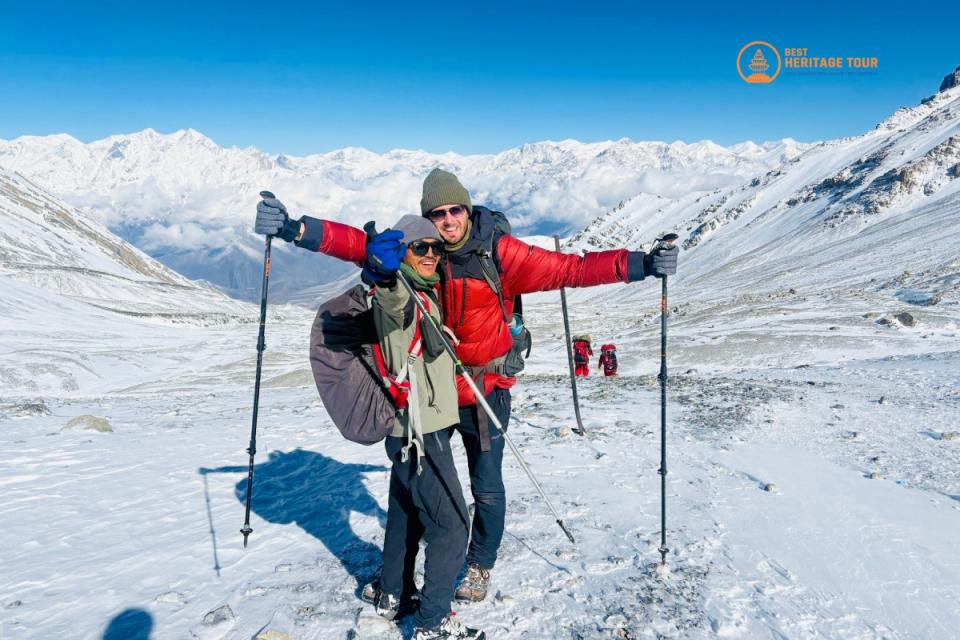
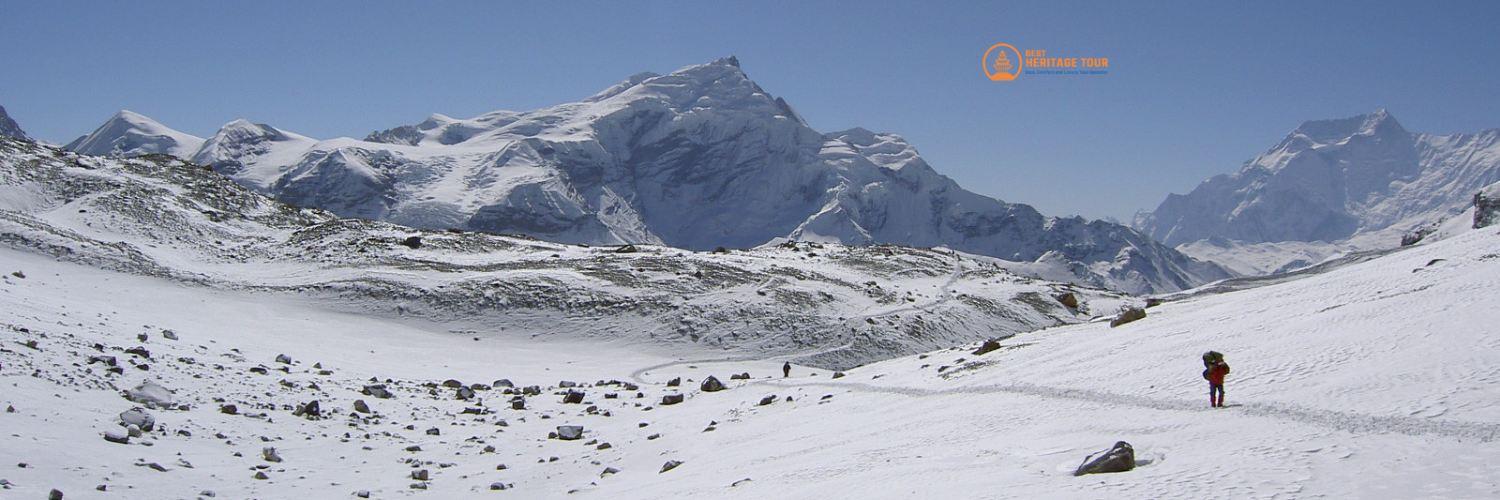
The Annapurna Circuit Trek (ACT) is consistently ranked among the world's finest long-distance treks, renowned for its incredible variety - from lush rice paddies and deep river gorges to arid Tibetan plateaus and the massive, snow-dusted Annapurna peaks.
If you are seeking the textbook Himalayan trekking experience, one defined by perfect weather, crystal-clear mountain views, and stable trail conditions, then Autumn (September, October, and November) is unequivocally the time to go. It is the peak trekking season for a reason, offering an unbeatable blend of natural beauty and cultural vibrance.
At Best Heritage Tour, we have guided countless trekkers through the Annapurna Circuit during these golden months. We know that choosing the best season also means preparing for the crowds and securing logistics well in advance. This expert guide will walk you through the unparalleled benefits of an Annapurna Circuit Trek in Autumn, provide a month-by-month breakdown of what to expect, and give you the essential planning steps for a flawless journey.
Why Autumn is the Best Time to Trek the Annapurna Circuit
Autumn in Nepal marks the period immediately following the monsoon season. The rains have cleared the haze and dust from the atmosphere, leaving behind a crisp, clean air that provides breathtaking visibility.
1. Unmatched Weather Stability and Views
-
Clear Skies: The most significant advantage is the reliable post-monsoon weather. Days are predominantly sunny with deep blue skies, offering unobstructed views of the Dhaulagiri, Manaslu, and Annapurna massifs.
-
Ideal Temperatures: Temperatures are pleasantly warm during the day, making trekking comfortable (especially at lower altitudes), and nights are cool but manageable, rarely dropping below freezing until the highest camps.
-
Dry Trails: The trails are dry, firm, and safe, eliminating the mud, leeches, and landslide risks associated with the summer monsoon.
2. Festive Cultural Immersion
Autumn coincides with Nepal's two biggest and most important national festivals: Dashain and Tihar (the Festival of Lights).
-
Experience: Trekkers often witness villages decorated with bright lights, flowers, and prayer flags, experiencing the warmth and unique cultural practices of the Gurung, Manange, and Thakali communities firsthand.
-
Timing: These festivals typically fall between late September and mid-November, adding a memorable dimension to the trek.
3. Optimal Trail and Pass Conditions
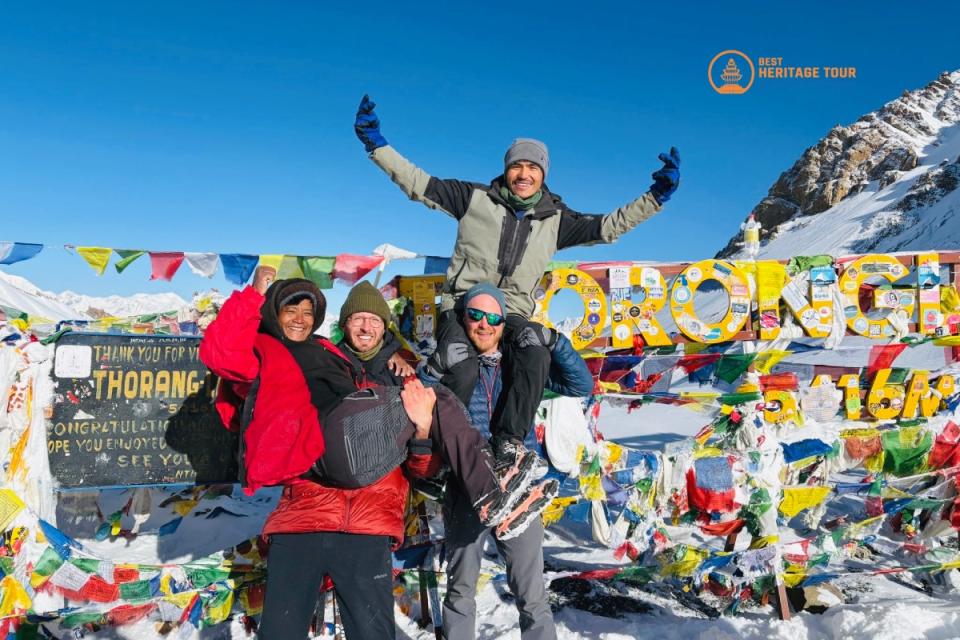
The Thorong La Pass (5,416 m), the highest point of the circuit, is reliably clear of deep snow and ice during this period, making the crossing safer and more straightforward than in the winter or early spring.
Month-by-Month Breakdown: Navigating the Autumn Season
While the entire season is excellent, there are nuances in temperature, crowds, and weather depending on the month you choose.
|
Month |
Weather Summary |
Temperature Range (Daytime) |
Crowd Level |
Key Advantage |
|---|---|---|---|---|
|
September |
Monsoon remnants clear by mid-month. Warm and lush. |
15°C to 25°C (Low), 8°C to 18°C (High) |
Moderate (Shoulder) |
Best of both worlds: Lush greenery from the monsoon combined with increasing clarity. Fewer crowds than October. |
|
October |
Peak trekking month. Clear skies, stable weather, dry trails. |
12°C to 20°C (Low), 5°C to 15°C (High) |
High (Peak) |
Unbeatable conditions: Guaranteed clear views and optimal trekking temperatures. Coincides with major festivals. |
|
November |
Dry, crisp air. Colder nights, especially above 3,500m. |
8°C to 15°C (Low), 0°C to 10°C (High) |
Moderate-High |
Best for solitude (late Nov): Fewer trekkers than October, but still offering stable weather and pristine views before deep winter sets in. |
Best Heritage Tour Recommendation: For the perfect balance of weather and crowd control, we often recommend late September or early to mid-November. If your priority is the absolute best weather and you don't mind the buzz, October is your month.
The Drawback: Managing Peak Season Crowds
The unparalleled weather stability of Autumn comes with one unavoidable drawback: crowds.
-
Accommodation Pressure: In high-demand villages (e.g., Manang, Thorong Phedi), teahouses will be full. You may be required to share a room or, in rare cases, sleep in a communal dining hall.
-
Trail Traffic: Trails, especially around popular viewpoints and on the day of the Thorong La Pass crossing, will be busy.
-
Price and Availability: Due to high demand, teahouse prices are fixed and non-negotiable, and booking ahead is absolutely essential.
Crowd Mitigation Strategies
-
Book in Advance (Critical): If travelling with an agency, Best Heritage Tour guarantees accommodation through our local network. Independent trekkers should pre-book or travel with extreme flexibility.
-
Start Early: Begin trekking each day right after sunrise (around 6:00 AM). This gives you the quiet trail experience for the first few hours and allows you to reach your destination ahead of the main surge.
-
Use Alternative High Routes: Opt for the high trail through Ghyaru and Ngawal instead of the main road. This route is slightly more challenging but rewards you with superior views and fewer trekkers.
Essential Gear & Preparation for Autumn Annapurna Circuit Trek
The autumn conditions - sunny days and cold nights - demand a focus on layering. You need comfortable clothes for the warm valley walks and serious insulation for the high pass and cold nights above $3,500$m.
Key Gear for Autumn
|
Category |
Item |
Rationale for Autumn |
|---|---|---|
|
Outerwear |
Waterproof/Windproof Shell Jacket |
Essential for wind protection on the Pass and sudden cold snaps. |
|
Insulation |
Down Jacket (800+ fill) |
Mandatory for evenings above Manang and the pre-dawn Pass crossing. |
|
Sleeping |
4-Season Sleeping Bag (-10°C to -15°C Comfort Rating) |
Teahouse rooms are unheated. This is critical for comfortable sleep. |
|
Footwear |
Broken-in Trekking Boots |
The trails are dry, but good ankle support is always necessary. |
|
Head & Hands |
Warm Beanie, Buff, and Insulated Gloves |
Night and pre-dawn temperatures on the Pass will be below freezing. |
Health and Safety
-
Acclimatization: Do not rush the schedule. The standard itinerary includes a mandatory Acclimatization Day in Manang (3,540 m). Utilize this day for side trips (e.g., Ice Lake or Gangapurna Lake) to "climb high, sleep low."
-
Water & Sun Protection: Despite the cool air, high altitude increases dehydration risk. Drink 3-4 liters of purified water daily. Use high SPF sunscreen and UV-protection sunglasses, as the clear air and reflective snow intensify UV exposure.
-
Permits: You must have the ACAP (Annapurna Conservation Area Permit) and the TIMS (Trekkers' Information Management System) Card. These are checked at various points along the trail.
Conclusion: An Unrivalled Himalayan Classic
The Annapurna Circuit Trek in Autumn is the definitive trekking experience. The perfect weather, stable trails, and magnificent views create an unforgettable journey that sets the standard for high-altitude adventures. While the peak season crowds require extra preparation, the reward - seeing the entire Annapurna massif revealed against a deep blue, clear sky - is well worth the effort.
By planning ahead and booking with an experienced local partner like Best Heritage Tour, you can navigate the busy trails seamlessly and ensure that your focus remains entirely on the majesty of the Himalayas and the vibrant culture of the Nepali people.
Ready to secure your spot for the golden season of trekking?
Contact Best Heritage Tour today to reserve your Autumn 2026/2027 Annapurna Circuit adventure
Phone / WhatsApp / Viber: +977-9851149197 / +977-9810043046
Email: info@bestheritagetour.com / bestheritagetour@gmail.com
Website: www.bestheritagetour.com
Office: Thamel Marg, Kathmandu, Nepal
Author: Best Heritage Tour
Date: 10th December, 2025