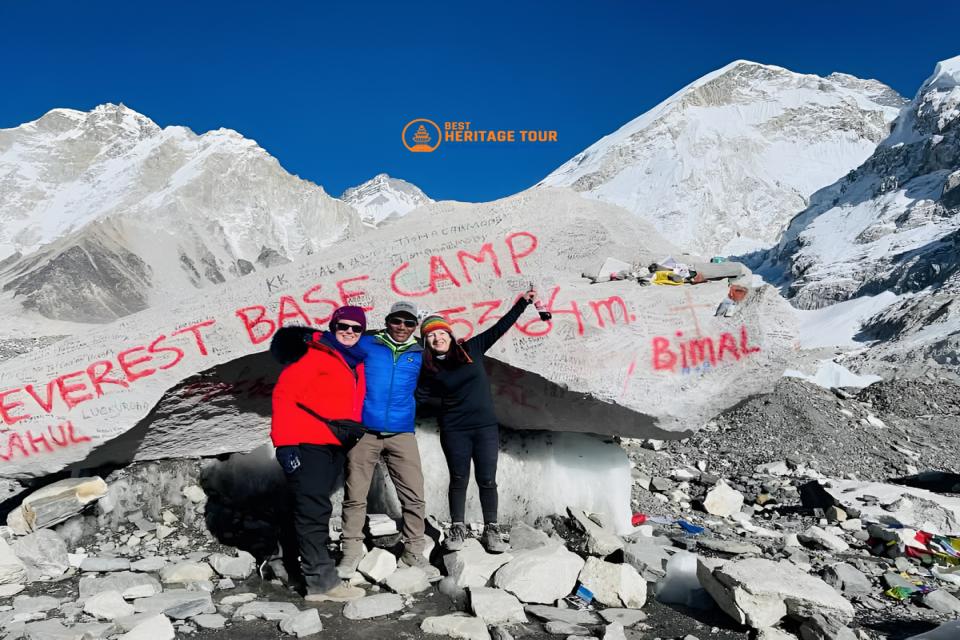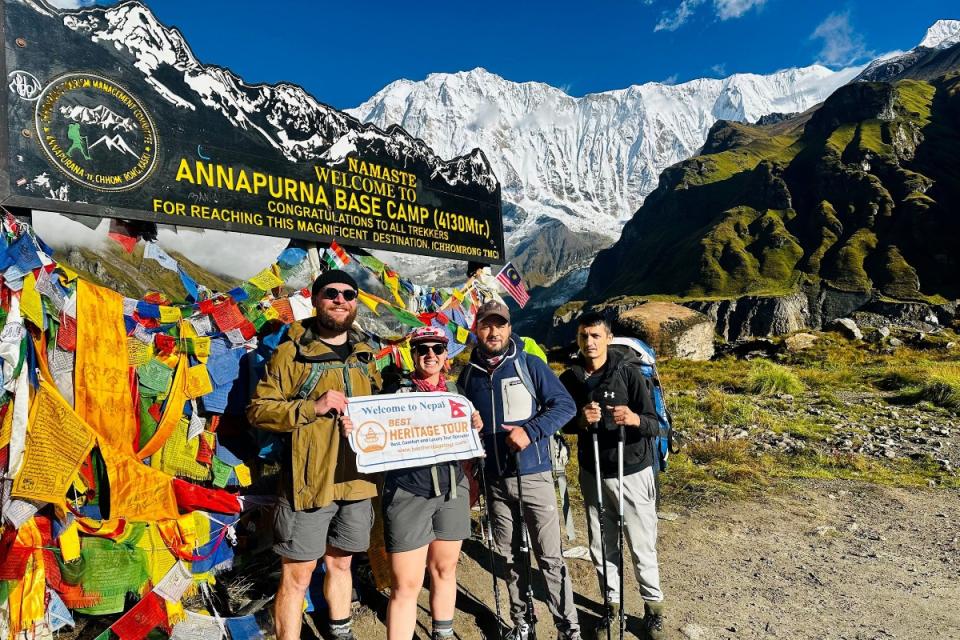
As an experienced guide in the shadow of the world's highest mountains, we have learned that the true measure of a successful Himalayan trek isn't just reaching the viewpoint - it's reaching it safely, without compromise, and returning home healthy.
The single most significant physical challenge on any high-altitude trek - be it Everest, Annapurna, or Langtang - is Acute Mountain Sickness (AMS), a condition that can affect anyone, regardless of fitness level. While your cardiovascular fitness determines your comfort, acclimatization determines your survival.
The air above 3,000 meters (9,842 feet) contains significantly less oxygen, forcing your body to undertake a profound physiological adjustment. If you rush this process, you risk developing headaches, nausea, and potentially life-threatening conditions like High Altitude Cerebral Edema (HACE) or High Altitude Pulmonary Edema (HAPE).
This comprehensive guide from Best Heritage Tour is your essential toolkit. We will move beyond the simple advice of "walk slow" to provide a detailed, scientific breakdown of altitude sickness, covering prevention strategies, the principles of safe ascent, and the critical role of hydration and medication, ensuring you are fully prepared for a safe, enjoyable, and successful Himalayan journey.
I. Understanding the Enemy: The Science of Altitude Sickness
To prevent AMS, you must first understand what it is and why it happens.
A. The Physiological Reality: Less Oxygen, Higher Pressure
At sea level, the air pressure pushes oxygen into your lungs and blood effectively. As you ascend, the barometric pressure drops, meaning the air molecules, including oxygen, are more spread out.
-
At 3,000m (Namche Bazaar equivalent): The available oxygen is about 70% of sea level.
-
At 5,500m (Kala Patthar equivalent): The available oxygen is only about 50% of sea level.
Your body's job is to increase your breathing rate, heart rate, and red blood cell production to compensate - a process called acclimatization. AMS occurs when you ascend faster than your body can adapt.
B. The Three Forms of Altitude Sickness
It is critical to know the warning signs, as AMS is a spectrum:
|
Condition |
Altitude Zone |
Symptoms |
Severity & Action |
|---|---|---|---|
|
1. Acute Mountain Sickness (AMS) |
Above 2,500m |
Headache (the most common sign), fatigue, nausea, dizziness, loss of appetite, difficulty sleeping. |
Mild to Moderate. Stop ascending, rest, take mild pain relievers. If symptoms persist, descend. |
|
2. HACE (Cerebral Edema) |
Above 3,500m |
Severe headache unresponsive to medication, confusion, loss of coordination (Ataxia - difficulty walking heel-to-toe), irrational behavior. |
Severe. Immediate Emergency Descent. This is life-threatening. |
|
3. HAPE (Pulmonary Edema) |
Above 3,500m |
Dry, persistent cough, chest tightness, extreme fatigue, shortness of breath at rest (not just exertion), frothy/bloody sputum. |
Severe. Immediate Emergency Descent. This is life-threatening. |
-
The Golden Rule: The only cure for severe altitude sickness is Descent. Never ascend with symptoms of AMS, HACE, or HAPE.
II. The Core Principles of Safe Ascent (The Golden Rules)
The successful acclimatization strategy relies on three non-negotiable rules, which form the backbone of every Best Heritage Tour high-altitude itinerary.
Principle 1: Climb High, Sleep Low
This is the most effective way to stimulate the physiological changes necessary for adaptation.
-
The Practice: On an acclimatization day (or a long trekking day), ascend to a higher altitude than your sleeping elevation, spend a few hours there (e.g., a few hundred meters), and then return to the lower lodge for the night.
-
Example (EBC Trek): Ascending to the viewpoint above Dingboche (4,410m) during the day and returning to sleep at Dingboche (4,410m) for a second night, rather than immediately pushing higher.
Principle 2: The 300 Meter Rule (Above 3,000m)
-
The Practice: Once you pass the 3,000-meter mark, try to limit your increase in sleeping elevation to no more than 300 to 500 meters per day.
-
Best Heritage Tour Itinerary Design: This is why our itineraries include built-in acclimatization days (often two nights at key villages like Namche Bazaar or Manang), allowing your body the necessary 48 hours to catch up.
Principle 3: Walk Slow (The Nepali Flat)
-
The Practice: Walk at a pace that feels deliberately slow - slower than your slowest friend. You should be able to hold a conversation without struggling for breath. This is what guides call "Nepali Flat."
-
The Science: A slower pace reduces your heart rate and allows your lungs to maximize oxygen absorption at altitude, minimizing the stress on your body. You are not racing; you are conserving energy for the long journey ahead.
III. Hydration, Nutrition, and Respiratory Care
Beyond speed, what you put into your body and how you treat your lungs are vital factors in AMS prevention.
A. The Power of Hydration (More than Just Water)
Dehydration is the biggest silent contributor to AMS symptoms, mimicking a headache and fatigue.
-
Water is Essential: Aim for 3 to 4 liters of liquid per day. This is non-negotiable. Carry a water bottle and sip constantly, even when you don't feel thirsty.
-
Avoid Diuretics: Alcohol and Caffeine (especially coffee and black tea) are diuretics, meaning they cause your body to expel water and dehydrate you faster. Limit or completely avoid these above 3,000m, especially in the evenings.
-
Hot Liquids: Herbal teas, garlic soup, and ginger tea are excellent ways to stay hydrated and warm, which helps with acclimatization.
B. Nutrition: Carbs for Fuel
At altitude, your body relies more heavily on carbohydrates for energy than fat, and your appetite often decreases.
-
Fuel Up: Eat complex carbohydrates like rice, pasta, and potatoes (think Dal Bhat and noodles). These fuels are most easily metabolized by your oxygen-deprived body.
-
Keep Eating: Even if you feel nauseous or lose your appetite, forcing yourself to consume small, frequent, high-calorie meals is crucial for maintaining energy and metabolic function.
C. Respiratory Care: Protecting Your Lungs
The air in the Himalayas is often dry, cold, and dusty, which irritates the throat and lungs.
-
Wear a Buff/Bandana: Cover your nose and mouth to trap moisture and warm the air slightly before it enters your lungs, reducing the risk of the common "Khumbu Cough."
-
Avoid Smoking: Smoking severely restricts the lungs’ ability to absorb oxygen, making it extremely dangerous at high altitude.
IV. The Role of Medication and When to Use It
Medication is a tool for prevention and management, but never a substitute for safe trekking practices.
A. Diamox (Acetazolamide): The Prophylactic Tool
Diamox is the most widely used medication for altitude sickness prevention.
-
How it Works: It speeds up the acclimatization process by increasing the acidity of the blood, which encourages increased respiration (breathing rate), helping your body absorb oxygen more efficiently.
-
When to Use It: We generally recommend starting 24 hours before flying into high altitude (e.g., before the Lukla flight) or 24 hours before beginning the significant ascent (e.g., before trekking from Pokhara/Besi Sahar). Consult your doctor for the correct dosage (125mg or 250mg, twice daily).
-
Side Effects: Common side effects include tingling in the hands, feet, and face, frequent urination, and sometimes mild nausea.
B. Emergency Medication (For Severe Cases Only)
These are carried by experienced guides (and should only be administered by them or a medical professional) for emergency descent:
-
Dexamethasone: A powerful steroid used to treat the swelling associated with HACE (brain swelling). It provides a short window of relief to allow safe descent.
-
Nifedipine/Sildenafil: Used to treat HAPE by lowering blood pressure in the pulmonary arteries.
Crucial Warning: Never self-medicate with Dexamethasone or other steroids unless symptoms are severe and descent is impossible. These medications treat the symptoms, not the underlying issue, and can mask AMS.
C. Pain Relief
Simple painkillers like Ibuprofen or Paracetamol are generally safe and effective for treating mild altitude headaches, which are often the first sign of AMS.
V. Best Heritage Tour's Commitment to Safety
Our primary focus is on ensuring a rewarding experience that respects your body's limits. Our itineraries are meticulously designed based on proven acclimatization science.
-
Paced Itineraries: Our EBC and ABC treks include mandatory, scientifically determined acclimatization days (rest days) that are used for the "Climb High, Sleep Low" principle. We never push clients on an aggressive, rushed schedule.
-
Trained Guides: All Best Heritage Tour guides are highly experienced and trained in Wilderness First Aid (WFA) or higher-level certification. They carry pulse oximeters to monitor your blood oxygen saturation (SpO₂) daily and are expertly trained in recognizing the subtle early signs of AMS, HACE, and HAPE.
-
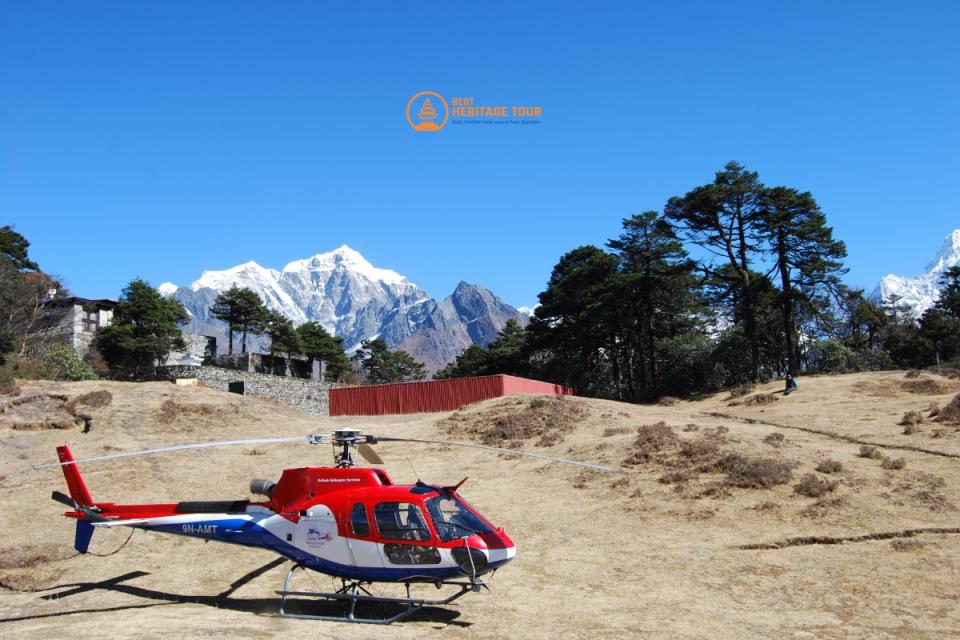
Emergency Protocol: We have clear, established emergency evacuation protocols in place, including access to satellite communication and local helicopter services, ensuring rapid response in critical situations.
A successful trek is a well-planned trek. Trusting your guide and respecting the mountains are the two final pieces of advice needed to conquer altitude and embrace the magnificent views that await you above the clouds.
Are you ready to climb high and stay safe with the local experts?
Contact Best Heritage Tour to Plan Your Safe & Successful High-Altitude Trek!
Phone / WhatsApp / Viber: +977-9851149197 / +977-9810043046
Email: info@bestheritagetour.com / bestheritagetour@gmail.com
Website: www.bestheritagetour.com
Office: Thamel Marg, Kathmandu, Nepal
Author: Best Heritage Tour
Date: 4th December, 2025